Welcome to a culinary adventure that will ignite your taste buds! African cuisine offers some of the world’s most vibrant, spice-forward dishes perfect for transforming weeknight dinners into extraordinary feasts. From fiery stews to aromatic grilled meats, these recipes bring incredible depth and heat to your table. Ready to explore bold new flavors? Let’s dive into these 20 sensational spicy African recipes that will become instant favorites in your kitchen.
Jollof Rice with Chicken and Plantains

You know those cozy Sunday dinners that just hit different? This Jollof Rice with Chicken and Plantains is exactly that kind of comfort food—vibrant, flavorful, and perfect for gathering around the table with good company.
Ingredients
- 1.5 lbs bone-in chicken thighs with crispy skin
- 2 cups long-grain white rice, rinsed until water runs clear
- 2 ripe yellow plantains, sliced into 1/2-inch thick coins
- 1 large yellow onion, finely diced
- 3 cloves garlic, freshly minced
- 1 red bell pepper, roasted and pureed into smooth paste
- 1 scotch bonnet pepper, seeds removed for mild heat
- 2 tbsp tomato paste with deep red color
- 3 cups rich chicken broth
- 2 tbsp sunflower oil with high smoke point
- 1 tsp smoked paprika with warm aroma
- 1 tsp dried thyme with earthy fragrance
- 1 bay leaf for subtle herbal notes
Instructions
- Pat chicken thighs completely dry with paper towels for maximum crispiness.
- Heat sunflower oil in large Dutch oven over medium-high heat until shimmering.
- Season chicken generously with salt and pepper on both sides.
- Place chicken skin-side down in hot oil and cook undisturbed for 6-8 minutes until golden brown.
- Flip chicken and cook another 5 minutes until browned on second side, then remove to plate.
- Add plantain slices to same pot and fry 2 minutes per side until caramelized, then remove.
- Reduce heat to medium and add diced onion, cooking 4 minutes until softened.
- Stir in minced garlic and cook 1 minute until fragrant but not browned.
- Add tomato paste and smoked paprika, stirring constantly for 2 minutes to deepen flavor.
- Mix in red bell pepper puree, scotch bonnet pepper, thyme, and bay leaf.
- Pour in rinsed rice and stir to coat every grain with the flavorful base.
- Add chicken broth and bring to vigorous boil over high heat.
- Return chicken thighs to pot, nestling them into rice mixture.
- Cover tightly with lid, reduce heat to low, and simmer 25 minutes without peeking.
- Remove from heat and let rest covered 10 minutes to allow rice to steam perfectly.
- Gently fluff rice with fork, removing bay leaf and scotch bonnet pepper.
- Arrange fried plantains over top before serving.
The rice comes out beautifully separate with each grain infused with smoky tomato goodness, while the chicken stays incredibly juicy beneath its crispy skin. Serve it family-style right from the pot with the golden plantains adding sweet contrast to the savory spices—perfect for scooping up every last bit of that incredible sauce.
Egusi Soup with Pounded Yam
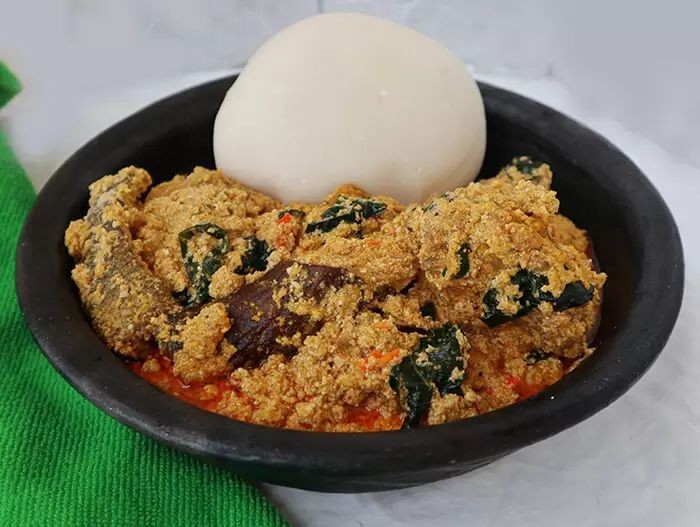
Bold, nutty, and utterly comforting—this West African classic is about to become your new favorite cozy meal. You’ll love how the rich egusi melds with tender meats and vibrant greens, all scooped up with soft, stretchy pounded yam. It’s the kind of hearty, soul-warming dish that makes you feel right at home.
Ingredients
– 1 cup finely ground egusi (melon) seeds
– 2 cups peeled and cubed white yam
– 1 pound beef stew meat, cut into bite-sized chunks
– 1/2 cup vibrant red palm oil
– 1 large yellow onion, finely chopped
– 2 scotch bonnet peppers, deseeded and minced
– 4 cups fresh spinach leaves, roughly chopped
– 1 tablespoon crayfish powder
– 2 teaspoons smoked paprika
– 4 cups rich beef broth
– 1 teaspoon fine sea salt
Instructions
1. Place the cubed white yam in a large pot and cover with cold water by 2 inches.
2. Bring the yam to a boil over high heat, then reduce to medium and simmer for 25 minutes until fork-tender.
3. Drain the yam completely and transfer to a large mortar or stand mixer bowl.
4. Pound or beat the yam on low speed for 3 minutes until smooth, sticky, and stretchy. (Tip: Lightly oil your hands to prevent sticking while handling.)
5. Heat the vibrant red palm oil in a heavy-bottomed Dutch oven over medium heat until shimmering.
6. Add the finely chopped yellow onion and sauté for 5 minutes until translucent and fragrant.
7. Stir in the finely ground egusi seeds and cook for 4 minutes, stirring constantly, until lightly toasted and aromatic.
8. Add the beef stew meat chunks and brown on all sides for 6-7 minutes until seared.
9. Pour in the rich beef broth and bring to a gentle boil.
10. Reduce heat to low, cover, and simmer for 45 minutes until the beef is fork-tender. (Tip: Skim off any foam that rises to the top for a clearer broth.)
11. Stir in the minced scotch bonnet peppers, crayfish powder, smoked paprika, and fine sea salt.
12. Fold in the roughly chopped fresh spinach leaves and cook for 3 minutes until just wilted. (Tip: Don’t overcook the spinach—it should retain its bright green color and slight crunch.)
13. Remove from heat and let rest for 5 minutes before serving.
You’ll notice the soup thickens beautifully as it rests, creating a velvety texture that clings to the pounded yam. The nutty egusi and smoky paprika create deep, complex flavors that mellow into incredible comfort. Try serving it in wide, shallow bowls with the pounded yam formed into smooth balls for dipping and scooping.
Suya-Spiced Grilled Beef Skewers
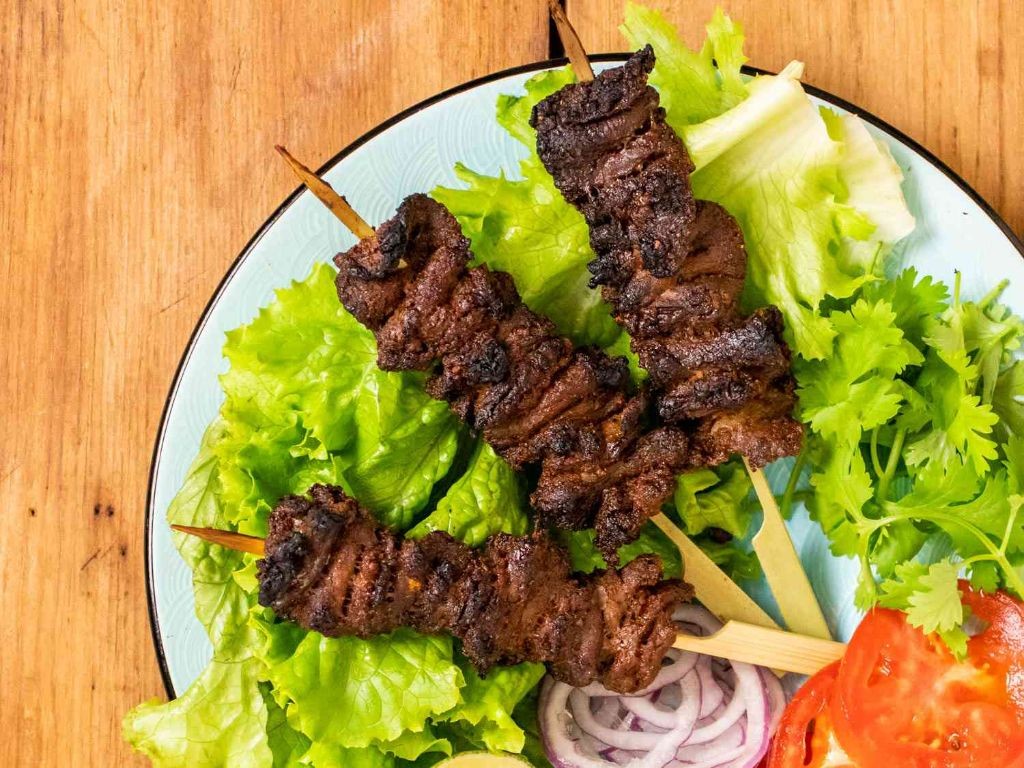
Did you know that some of the best street food flavors can come straight from your own backyard grill? These Suya-spiced grilled beef skewers bring the vibrant, smoky taste of West African cuisine right to your dinner table. You’re going to love how the bold spices create that perfect crust on tender beef.
Ingredients
- 1 ½ pounds of well-marbled sirloin steak, cut into 1-inch cubes
- ¼ cup of roasted peanuts, finely ground
- 2 tablespoons of smoked paprika
- 1 tablespoon of garlic powder
- 1 teaspoon of cayenne pepper
- 1 teaspoon of ground ginger
- ½ cup of neutral vegetable oil
- 1 teaspoon of coarse kosher salt
- 1 large red onion, sliced into ½-inch wedges
- 1 red bell pepper, cut into 1-inch pieces
- 8-10 wooden skewers, soaked in water for 30 minutes
Instructions
- Soak 8-10 wooden skewers in cold water for exactly 30 minutes to prevent burning on the grill.
- Cut 1 ½ pounds of well-marbled sirloin steak into uniform 1-inch cubes for even cooking.
- In a medium bowl, combine ¼ cup of finely ground roasted peanuts, 2 tablespoons of smoked paprika, 1 tablespoon of garlic powder, 1 teaspoon of cayenne pepper, and 1 teaspoon of ground ginger.
- Whisk in ½ cup of neutral vegetable oil and 1 teaspoon of coarse kosher salt until a thick paste forms.
- Coat the beef cubes thoroughly with the spice mixture, massaging it into every surface.
- Cover the bowl with plastic wrap and refrigerate for at least 2 hours, or up to overnight for maximum flavor penetration.
- Preheat your grill to medium-high heat, reaching 400°F before cooking.
- Thread the marinated beef cubes onto soaked skewers, alternating with 1-inch pieces of red bell pepper and ½-inch wedges of red onion.
- Place skewers on the hot grill and cook for 4 minutes without moving them to develop grill marks.
- Flip skewers using tongs and cook for another 3-4 minutes until beef reaches 135°F for medium-rare.
- Remove skewers from grill and let rest for 5 minutes to allow juices to redistribute evenly.
Ready to experience that incredible texture contrast? The spicy, nutty crust gives way to juicy, tender beef that practically melts in your mouth. Try serving these skewers over fluffy jasmine rice with a squeeze of fresh lime to balance the heat, or chop the meat for an amazing taco filling that’ll have everyone asking for seconds.
Moroccan Lamb Tagine with Apricots
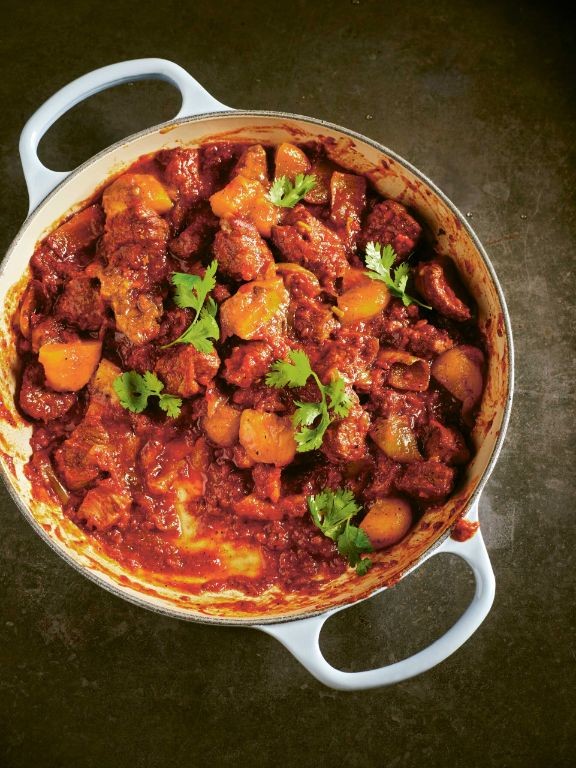
Unbelievably tender lamb simmered with sweet apricots and warm spices—this Moroccan tagine is the cozy, exotic dinner you didn’t know you needed. You’ll love how the fragrant spices fill your kitchen while everything cooks low and slow to perfection. It’s the kind of meal that makes ordinary weeknights feel special.
Ingredients
– 2 pounds boneless lamb shoulder, cut into 2-inch chunks
– 1 large yellow onion, finely chopped
– 3 cloves garlic, minced
– 1 cup dried apricots
– 2 cups chicken broth
– 1/4 cup rich extra virgin olive oil
– 2 teaspoons ground cumin
– 1 teaspoon sweet paprika
– 1/2 teaspoon ground cinnamon
– 1/4 teaspoon cayenne pepper
– 1/4 cup fresh cilantro, chopped
– 1 tablespoon honey
– 1 teaspoon sea salt
– 1/2 teaspoon freshly ground black pepper
Instructions
1. Pat the lamb chunks completely dry with paper towels.
2. Heat the olive oil in a large Dutch oven over medium-high heat until shimmering.
3. Season the lamb evenly with sea salt and black pepper.
4. Brown the lamb in batches, about 3-4 minutes per side, developing a deep golden crust.
5. Remove all lamb from the pot and set aside on a plate.
6. Add the chopped onion to the same pot and cook for 5 minutes until softened.
7. Stir in the minced garlic and cook for 1 minute until fragrant.
8. Sprinkle in the cumin, paprika, cinnamon, and cayenne pepper, toasting for 30 seconds.
9. Return the browned lamb and any accumulated juices to the pot.
10. Pour in the chicken broth, scraping up any browned bits from the bottom.
11. Bring the liquid to a gentle simmer, then reduce heat to low.
12. Cover the pot and simmer for 1 hour and 30 minutes, stirring occasionally.
13. Add the dried apricots and honey, stirring to combine.
14. Continue simmering uncovered for another 30 minutes until the sauce thickens.
15. Stir in the fresh cilantro just before serving.
16. Remove from heat and let rest for 5 minutes.
Melt-in-your-mouth lamb practically falls apart at the touch of a fork, while the apricots become plump and jammy in the spiced sauce. Serve it over fluffy couscous to soak up every bit of the fragrant broth, or with warm crusty bread for dipping into that incredible sauce.
West African Peanut Stew
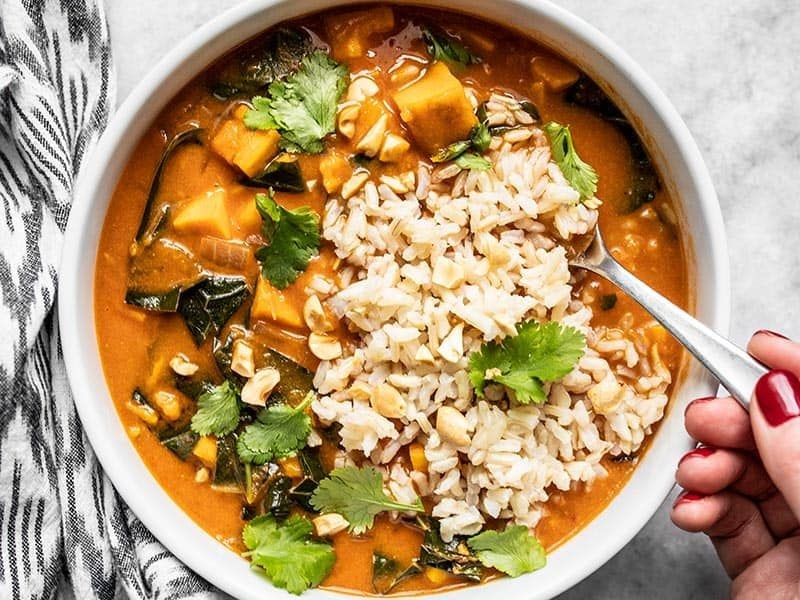
Ready to warm your soul with something truly special? This West African peanut stew is the ultimate comfort food that’ll have you coming back for seconds. You’re going to love how the creamy peanut butter balances perfectly with the spicy kick and tender vegetables.
Ingredients
- 2 tablespoons rich extra virgin olive oil
- 1 large yellow onion, finely chopped
- 3 cloves fresh garlic, minced
- 1 tablespoon freshly grated ginger
- 1 pound boneless chicken thighs, cut into bite-sized pieces
- 1 teaspoon smoked paprika
- 1/2 teaspoon cayenne pepper
- 4 cups rich chicken broth
- 1 cup creamy natural peanut butter
- 2 medium sweet potatoes, peeled and cubed
- 1 can (14.5 oz) fire-roasted diced tomatoes
- 4 cups fresh spinach leaves
- 1/4 cup chopped fresh cilantro
- Juice of 1 fresh lime
Instructions
- Heat 2 tablespoons of rich extra virgin olive oil in a large Dutch oven over medium heat until shimmering.
- Add 1 large finely chopped yellow onion and cook for 5-7 minutes, stirring occasionally, until translucent and fragrant.
- Stir in 3 cloves of minced fresh garlic and 1 tablespoon of freshly grated ginger, cooking for 1 minute until aromatic.
- Add 1 pound of bite-sized chicken thigh pieces, arranging them in a single layer to ensure even browning.
- Cook the chicken for 6-8 minutes, turning pieces halfway through, until golden brown on all sides.
- Sprinkle 1 teaspoon of smoked paprika and 1/2 teaspoon of cayenne pepper over the chicken, stirring to coat evenly.
- Pour in 4 cups of rich chicken broth, using a wooden spoon to scrape up any browned bits from the bottom of the pot.
- Whisk in 1 cup of creamy natural peanut butter until completely smooth and incorporated.
- Add 2 medium cubed sweet potatoes and 1 can of fire-roasted diced tomatoes with their juices.
- Bring the stew to a gentle boil, then reduce heat to low and cover with a lid.
- Simmer for 25-30 minutes, until sweet potatoes are fork-tender but not mushy.
- Stir in 4 cups of fresh spinach leaves and cook for 2-3 minutes until wilted but still vibrant green.
- Remove from heat and stir in 1/4 cup of chopped fresh cilantro and the juice of 1 fresh lime.
Creamy with just the right amount of heat, this stew delivers incredible texture contrast between the tender chicken and soft sweet potatoes. The peanut butter creates this luxurious, velvety base that coats every ingredient perfectly. Try serving it over fluffy jasmine rice or with crusty bread to soak up every last drop of that amazing sauce.
Ethiopian Doro Wat with Injera
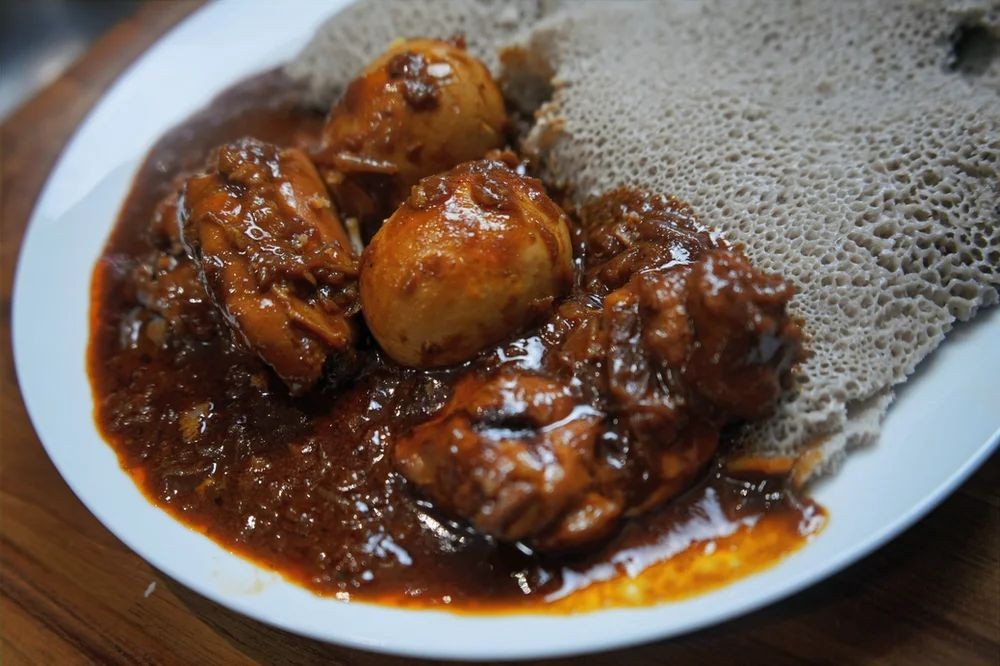
Tired of the same old dinner rotation? This Ethiopian Doro Wat with Injera will transport your taste buds straight to East Africa with its incredible depth of flavor. You’re going to love how the rich, spicy stew pairs with the soft, spongy injera bread—it’s a truly unforgettable meal that’s easier to make than you might think.
Ingredients
– 2 lbs bone-in chicken thighs, skin removed
– 3 large yellow onions, finely chopped
– 1/4 cup fragrant berbere spice blend
– 3 tablespoons vibrant red paprika
– 1/4 cup rich clarified butter (niter kibbeh)
– 6 cloves fresh garlic, minced
– 1 tablespoon freshly grated ginger
– 1/4 cup tangy tomato paste
– 4 cups rich chicken broth
– 6 hard-boiled eggs, peeled
– 1 teaspoon freshly ground black pepper
– 1/2 teaspoon ground cardamom
– 1/4 teaspoon ground fenugreek
– 4 pieces soft, spongy injera bread
Instructions
1. Heat 1/4 cup rich clarified butter in a large Dutch oven over medium heat for 2 minutes until shimmering.
2. Add 3 large finely chopped yellow onions and cook for 25-30 minutes, stirring frequently, until they turn deep golden brown and caramelized.
3. Stir in 1/4 cup fragrant berbere spice blend and 3 tablespoons vibrant red paprika, cooking for 3 minutes until fragrant.
4. Add 6 cloves minced fresh garlic and 1 tablespoon freshly grated ginger, cooking for 1 minute while stirring constantly.
5. Mix in 1/4 cup tangy tomato paste and cook for 2 minutes until it darkens in color.
6. Add 2 lbs bone-in chicken thighs and toss to coat thoroughly with the spice mixture.
7. Pour in 4 cups rich chicken broth and bring to a gentle simmer.
8. Reduce heat to low, cover, and simmer for 45 minutes until chicken is tender and easily pulls from the bone.
9. Add 6 peeled hard-boiled eggs, 1 teaspoon freshly ground black pepper, 1/2 teaspoon ground cardamom, and 1/4 teaspoon ground fenugreek.
10. Simmer uncovered for 15 minutes until the sauce thickens to a rich, gravy-like consistency.
11. Warm 4 pieces soft, spongy injera bread in a 300°F oven for 5 minutes or until pliable.
12. Arrange the warmed injera on a large platter and spoon the Doro Wat over the top.
Diving into this dish reveals layers of complex spice that build slowly on your palate. The tender chicken falls right off the bone while the hard-boiled eggs soak up that incredible berbere-infused sauce. Try serving it family-style with extra injera for tearing and scooping—it makes for the most interactive and satisfying meal experience.
Kenyan Sukuma Wiki with Ugali
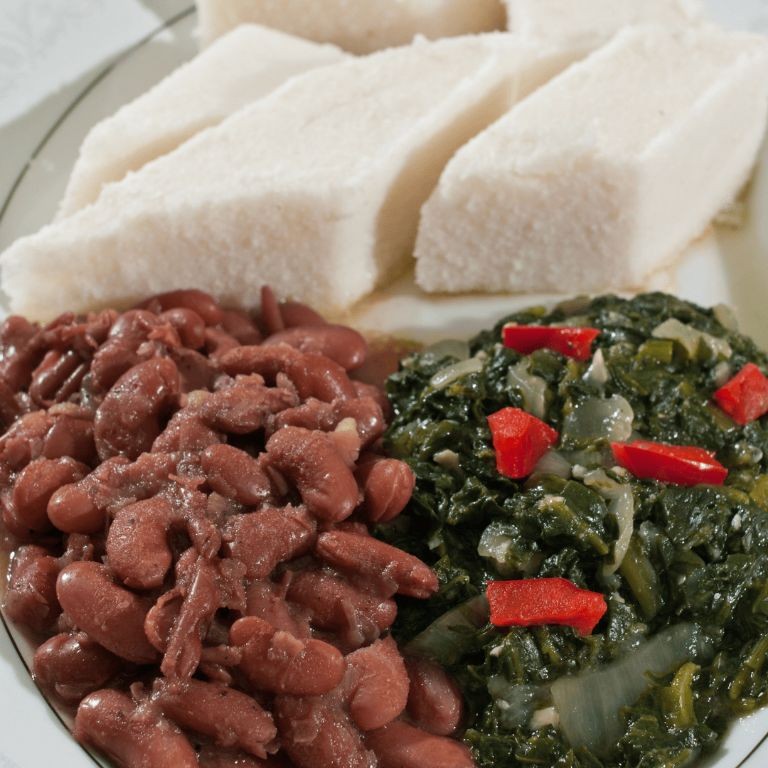
Just imagine coming home to a meal that’s both comforting and packed with flavor—that’s Kenyan Sukuma Wiki with Ugali for you. It’s a simple, hearty dish that brings together tender greens and a soft, polenta-like staple, perfect for a cozy weeknight dinner. You’ll love how easy it is to whip up with everyday ingredients.
Ingredients
– 1 large bunch of fresh collard greens, stems removed and leaves chopped
– 1 medium yellow onion, thinly sliced
– 2 ripe tomatoes, diced
– 2 tablespoons of rich extra virgin olive oil
– 1 cup of fine white cornmeal
– 4 cups of water
– 1 teaspoon of coarse sea salt
– ½ teaspoon of finely ground black pepper
Instructions
1. Pour 4 cups of water into a medium saucepan and bring it to a rolling boil over high heat.
2. Gradually whisk in 1 cup of fine white cornmeal to prevent lumps from forming.
3. Reduce the heat to low and simmer the mixture for 15 minutes, stirring constantly with a wooden spoon until it thickens into a firm, dough-like consistency.
4. Turn off the heat, cover the saucepan, and let the Ugali steam for 5 minutes to set.
5. Heat 2 tablespoons of rich extra virgin olive oil in a large skillet over medium heat until it shimmers.
6. Add 1 thinly sliced medium yellow onion and sauté for 5–7 minutes, stirring often, until the edges turn golden brown.
7. Stir in 2 diced ripe tomatoes and cook for 3–4 minutes until they break down into a saucy texture.
8. Add 1 large bunch of chopped fresh collard greens to the skillet, tossing to coat them in the tomato-onion mixture.
9. Sprinkle in 1 teaspoon of coarse sea salt and ½ teaspoon of finely ground black pepper.
10. Cover the skillet and let the greens cook for 8–10 minutes, stirring halfway, until they are wilted and tender but still vibrant green.
11. Uncover and cook for another 2 minutes to allow any excess liquid to evaporate.
Creating this dish gives you a wonderful contrast—the Ugali is soft and pillowy, perfect for scooping up the savory, slightly peppery greens. Consider serving it family-style with a squeeze of lemon for a bright kick, or pair it with grilled chicken if you’re feeling extra hungry.
Nigerian Puff Puff

Bite into these irresistible golden spheres and you’ll understand why Nigerian puff puff is the ultimate street food snack. These sweet, airy dough balls are surprisingly simple to make at home, requiring just a handful of pantry staples to create something truly magical. Once you try them fresh from the fryer, you’ll be hooked on their addictive pull-apart texture and subtle sweetness.
Ingredients
- 2 cups all-purpose flour
- ½ cup granulated white sugar
- 1 packet active dry yeast
- 1 cup warm water (110°F)
- ½ teaspoon fragrant ground nutmeg
- ½ teaspoon fine sea salt
- 2 quarts neutral vegetable oil for frying
Instructions
- Combine 2 cups all-purpose flour, ½ cup granulated white sugar, 1 packet active dry yeast, ½ teaspoon fragrant ground nutmeg, and ½ teaspoon fine sea salt in a large mixing bowl.
- Gradually pour in 1 cup warm water (110°F) while stirring continuously with a wooden spoon.
- Mix the batter for 3-4 minutes until completely smooth and free of lumps.
- Cover the bowl tightly with plastic wrap and place in a warm, draft-free area for 60 minutes until doubled in size.
- Heat 2 quarts neutral vegetable oil in a deep, heavy-bottomed pot to 350°F, using a deep-fry thermometer to monitor temperature.
- Scoop tablespoon-sized portions of the risen batter using a lightly oiled spoon.
- Carefully drop the batter portions into the hot oil, working in batches of 4-5 to avoid crowding.
- Fry for 3-4 minutes until the bottom side turns golden brown, then flip using a slotted spoon.
- Continue frying for another 2-3 minutes until all sides are evenly golden brown and the puff puffs float to the surface.
- Remove the fried puff puffs with a slotted spoon and drain on a wire rack set over paper towels.
- Repeat the frying process with the remaining batter, allowing the oil temperature to return to 350°F between batches.
Crispy on the outside with an impossibly soft, airy interior, these puff puffs deliver the perfect balance of sweetness and warmth from the nutmeg. Serve them warm dusted with powdered sugar for breakfast, or get creative by splitting them open and filling with whipped cream and fresh berries for an unexpected dessert twist. The pillowy texture makes them ideal for dipping into chocolate sauce or enjoying alongside your morning coffee.
South African Bunny Chow
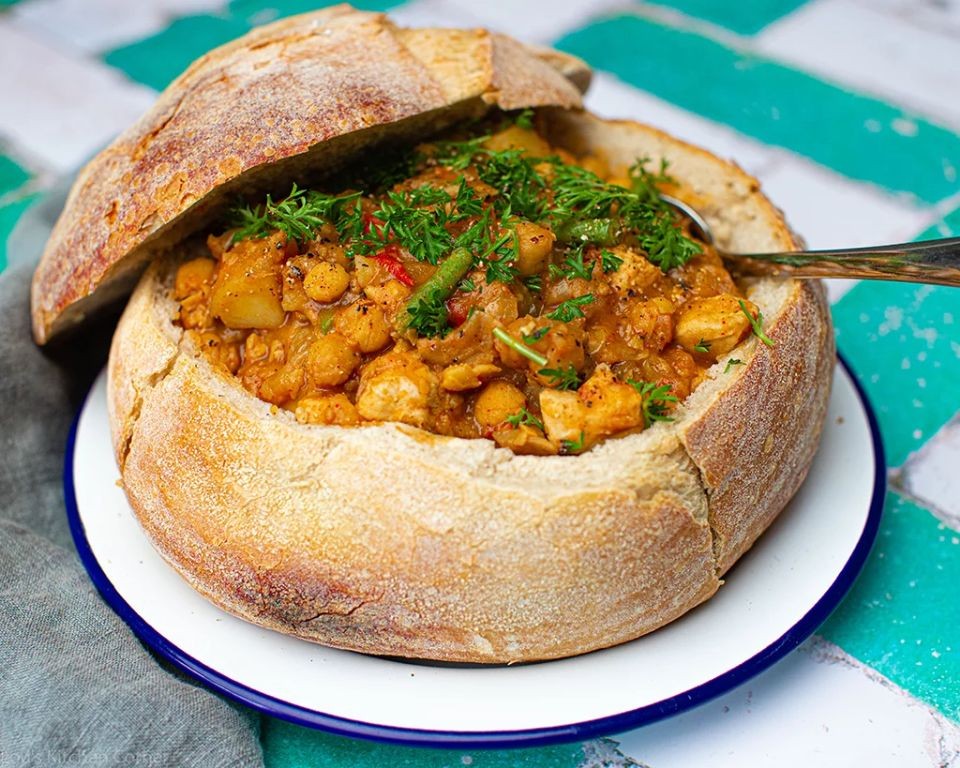
You’ve probably never tried anything quite like South African Bunny Chow—it’s a delicious street food that’s basically a hollowed-out loaf of bread filled with fragrant curry. Yes, it sounds as wonderfully indulgent as it tastes, and it’s perfect for when you want something comforting yet exciting. This Durban specialty brings together warm spices and tender meat in the most satisfying edible bowl you’ll ever eat.
Ingredients
– 1 large loaf of soft, crusty white bread
– 1.5 lbs boneless lamb shoulder, cut into 1-inch cubes
– 2 tablespoons golden yellow curry powder
– 1 large yellow onion, finely diced
– 3 cloves fresh garlic, minced
– 1 tablespoon freshly grated ginger
– 1 (14.5 oz) can of rich, diced tomatoes
– 1 cup rich chicken broth
– 2 tablespoons vibrant vegetable oil
– 1 teaspoon fragrant ground cumin
– 1/2 teaspoon fiery cayenne pepper
– 1/2 cup fresh cilantro, roughly chopped
– 1 teaspoon coarse sea salt
Instructions
1. Heat 2 tablespoons of vibrant vegetable oil in a large Dutch oven over medium-high heat until it shimmers.
2. Add 1.5 lbs of cubed lamb shoulder and sear for 4-5 minutes until browned on all sides, then transfer to a plate.
3. Tip: Don’t overcrowd the pan—sear the lamb in batches if needed for better browning.
4. Add the finely diced yellow onion to the same pot and cook for 6-7 minutes until softened and translucent.
5. Stir in the minced garlic and freshly grated ginger, cooking for 1 minute until fragrant.
6. Sprinkle in 2 tablespoons of golden yellow curry powder, 1 teaspoon of fragrant ground cumin, and 1/2 teaspoon of fiery cayenne pepper, toasting for 30 seconds to release their aromas.
7. Return the seared lamb to the pot along with any accumulated juices.
8. Pour in the can of rich diced tomatoes and 1 cup of rich chicken broth, scraping up any browned bits from the bottom.
9. Tip: Those browned bits add incredible depth of flavor, so make sure to incorporate them all.
10. Bring the mixture to a boil, then reduce heat to low, cover, and simmer for 1 hour and 15 minutes until the lamb is fork-tender.
11. While the curry simmers, carefully slice the top quarter off the loaf of soft, crusty white bread and hollow out the center, leaving a 1-inch thick wall.
12. Tip: Save the bread you remove for dipping—it makes the perfect edible utensil!
13. Stir 1 teaspoon of coarse sea salt into the finished curry and adjust seasoning if needed.
14. Spoon the hot curry into the hollowed bread bowl, making sure to include plenty of sauce.
15. Garnish with 1/2 cup of roughly chopped fresh cilantro.
What makes this dish so special is how the soft bread soaks up the aromatic curry sauce while still maintaining its structure. The tender lamb practically melts in your mouth, balanced by the warm spice blend that’s fragrant but not overwhelming. We love serving it with the reserved bread chunks for dipping and a simple cucumber salad on the side for contrast.
Ghanaian Banku with Tilapia
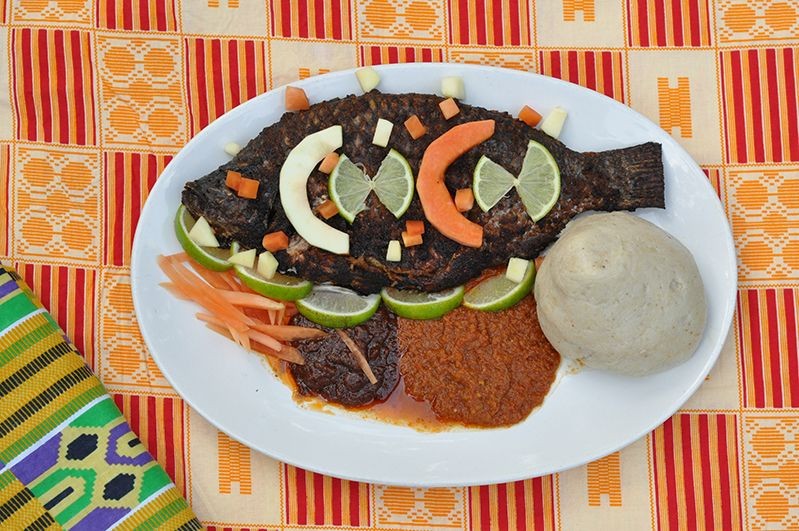
Ready to explore a taste of Ghana right in your own kitchen? This Banku with Tilapia recipe brings West African comfort food to your table with its unique fermented flavors and perfectly grilled fish. You’ll love how the tangy, stretchy banku pairs with the smoky tilapia for an unforgettable meal.
Ingredients
– 2 cups fine white cornmeal
– 2 cups cassava flour
– 4 fresh tilapia fillets with silvery skin
– 3 tablespoons vibrant red palm oil
– 1 large red onion, thinly sliced
– 2 fiery scotch bonnet peppers
– 2 juicy limes, halved
– 1 tablespoon coarse sea salt
– 4 cups filtered water
Instructions
1. Combine 2 cups fine white cornmeal and 2 cups cassava flour in a large mixing bowl.
2. Gradually add 4 cups filtered water while stirring continuously to prevent lumps from forming.
3. Cover the mixture tightly with plastic wrap and let it ferment at room temperature for 2 full days until it develops a slightly sour aroma.
4. Heat a large non-stick pot over medium heat and pour in the fermented mixture.
5. Stir constantly with a wooden spoon for 15 minutes until the banku becomes thick and stretchy. Tip: Keep stirring to prevent burning and achieve that signature smooth texture.
6. Rub 4 fresh tilapia fillets with 1 tablespoon coarse sea salt on both sides.
7. Heat 3 tablespoons vibrant red palm oil in a grill pan over high heat until shimmering.
8. Place the seasoned tilapia fillets skin-side down and grill for 4 minutes until the skin becomes crispy and golden.
9. Flip the fillets and grill for another 3 minutes until the flesh flakes easily with a fork. Tip: Don’t overcrowd the pan to ensure even cooking and perfect crispiness.
10. In a small bowl, combine 1 large thinly sliced red onion and 2 fiery scotch bonnet peppers.
11. Squeeze the juice from 2 halved juicy limes over the onion-pepper mixture.
12. Serve the hot banku alongside the grilled tilapia with the pepper-onion relish. Tip: The spicy relish balances the banku’s tanginess beautifully.
Get ready for that incredible stretchy texture of banku that pulls apart beautifully. The tilapia’s smoky crispness contrasts wonderfully with the soft, fermented dough, while the spicy pepper relish adds that essential kick. Try wrapping small portions of banku around bites of fish for the traditional eating experience that makes every mouthful perfectly balanced.
Senegalese Thieboudienne
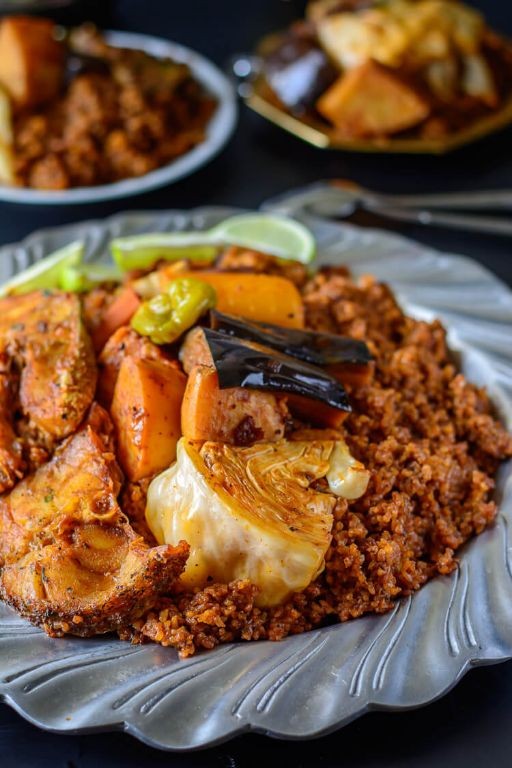
Brace yourself for a flavor adventure that’ll transport your taste buds straight to West Africa. This Senegalese Thieboudienne is the ultimate comfort food—a vibrant one-pot wonder where tender fish, fluffy rice, and colorful vegetables come together in the most magical way. You’re going to love how the rich tomato sauce soaks into every grain of rice.
Ingredients
– 1.5 lbs firm white fish fillets (like cod or halibut)
– 2 cups long-grain white rice
– 1 large yellow onion, finely chopped
– 4 ripe Roma tomatoes, diced
– 3 cloves fresh garlic, minced
– 1 scotch bonnet pepper, whole
– 2 cups fish stock
– 1/4 cup rich tomato paste
– 2 tbsp vibrant palm oil
– 1 large eggplant, cubed
– 2 sweet carrots, sliced
– 1 small cabbage, chopped
– 1 tbsp smoked paprika
– 1 tsp freshly ground black pepper
– 1 bay leaf
Instructions
1. Rinse 2 cups of long-grain white rice under cold water until the water runs clear, then set aside to drain completely.
2. Season 1.5 lbs of firm white fish fillets generously with 1 tbsp smoked paprika and 1 tsp freshly ground black pepper on both sides.
3. Heat 2 tbsp vibrant palm oil in a large, heavy-bottomed pot over medium-high heat until shimmering.
4. Sear the seasoned fish fillets for 3 minutes per side until golden brown, then remove and set aside.
5. Add 1 large finely chopped yellow onion to the same pot and sauté for 4 minutes until translucent.
6. Stir in 3 cloves minced fresh garlic and cook for 1 minute until fragrant.
7. Mix in 1/4 cup rich tomato paste and cook for 2 minutes, stirring constantly to deepen the flavor.
8. Add 4 diced Roma tomatoes and cook for 5 minutes until they break down into a thick sauce.
9. Pour in 2 cups fish stock and add 1 whole scotch bonnet pepper and 1 bay leaf, then bring to a boil.
10. Carefully place the seared fish fillets back into the pot.
11. Arrange 1 cubed large eggplant, 2 sliced sweet carrots, and 1 chopped small cabbage around the fish.
12. Reduce heat to low, cover the pot, and simmer for 20 minutes until vegetables are tender.
13. Remove all vegetables and fish from the pot, keeping the flavorful broth.
14. Add the drained rice to the broth, stirring to combine evenly.
15. Return the fish and vegetables to the pot, arranging them on top of the rice.
16. Cover and cook over low heat for 25 minutes until rice is fully cooked and has absorbed most liquid.
17. Remove from heat and let rest for 5 minutes before serving.
Remarkably, the rice absorbs all those incredible flavors while staying perfectly separate and fluffy. You get this amazing contrast between the tender fish, soft vegetables, and that slightly firm rice texture that makes every bite interesting. Try serving it family-style right from the pot with extra lime wedges for squeezing over the top—it makes for such a vibrant, shareable meal that feels both comforting and exciting.
Cameroon Ndolé with Shrimp

Ever had one of those meals that just feels like a warm hug? Cameroon’s national dish, ndolé, is exactly that—a comforting stew of bitterleaf greens, peanuts, and shrimp that’ll transport your taste buds straight to West Africa. You’re going to love how the flavors come together in this surprisingly easy one-pot wonder.
Ingredients
– 1 lb fresh large shrimp, peeled and deveined
– 8 cups fresh bitterleaf greens, thoroughly washed
– 1 cup creamy natural peanut butter
– 2 large yellow onions, finely diced
– 4 cloves garlic, minced
– 1 inch piece fresh ginger, grated
– 2 cups rich beef broth
– 3 tbsp vibrant red palm oil
– 1 scotch bonnet pepper, whole
– 1 tsp coarse sea salt
– 1/2 tsp freshly ground black pepper
– 2 bay leaves
Instructions
1. Rinse the fresh bitterleaf greens under cold running water for 2 minutes to remove any bitterness.
2. Bring a large pot of water to a rolling boil at 212°F.
3. Blanch the bitterleaf greens in the boiling water for exactly 3 minutes until they turn bright green.
4. Immediately transfer the greens to an ice water bath to stop the cooking process.
5. Drain the greens thoroughly and squeeze out excess water with your hands.
6. Heat the vibrant red palm oil in a large Dutch oven over medium heat until it shimmers.
7. Sauté the finely diced yellow onions for 5-7 minutes until translucent and fragrant.
8. Add the minced garlic and grated ginger, cooking for 1 minute until aromatic.
9. Stir in the creamy natural peanut butter until it forms a smooth paste with the aromatics.
10. Gradually whisk in the rich beef broth until the sauce is smooth and lump-free.
11. Add the whole scotch bonnet pepper, coarse sea salt, freshly ground black pepper, and bay leaves.
12. Simmer the sauce uncovered for 25 minutes over low heat, stirring occasionally to prevent sticking.
13. Gently fold in the blanched bitterleaf greens until fully incorporated into the peanut sauce.
14. Continue simmering for another 15 minutes until the greens are tender but still have some bite.
15. Add the peeled and deveined shrimp to the pot, arranging them in a single layer.
16. Cook the shrimp for 3-4 minutes until they turn pink and opaque, being careful not to overcook.
17. Remove the whole scotch bonnet pepper and bay leaves before serving.
Tip: Don’t skip the blanching step—it removes the natural bitterness from the greens while keeping their vibrant color. For the creamiest sauce, use natural peanut butter without added sugars or oils. When adding shrimp, watch closely as they cook quickly and become rubbery if overdone.
This ndolé delivers an incredible texture contrast between the tender greens and plump shrimp, all wrapped in that luxuriously creamy peanut sauce. The complex flavors—earthy, slightly bitter, nutty, and spicy—make it perfect served over steaming hot rice or with soft plantains for dipping. Trust me, your kitchen will smell absolutely incredible while this simmers.
Tanzanian Coconut Bean Soup

A warm, comforting bowl of Tanzanian Coconut Bean Soup is exactly what you need when you’re craving something both nourishing and exciting. This creamy, spiced soup brings together creamy coconut and tender beans in a way that feels like a hug from the inside. You’ll love how the flavors develop as it simmers away on your stove.
Ingredients
– 2 tablespoons fragrant coconut oil
– 1 large yellow onion, finely diced
– 3 cloves fresh garlic, minced
– 1 tablespoon freshly grated ginger
– 1 teaspoon aromatic ground turmeric
– 1 teaspoon warm ground cumin
– ½ teaspoon spicy cayenne pepper
– 2 (15-ounce) cans creamy coconut milk
– 4 cups rich vegetable broth
– 2 (15-ounce) cans tender kidney beans, drained and rinsed
– 1 large ripe tomato, finely chopped
– ½ cup fresh cilantro leaves, roughly chopped
– 1 teaspoon coarse sea salt
Instructions
1. Heat 2 tablespoons of fragrant coconut oil in a large Dutch oven over medium heat until shimmering.
2. Add 1 large finely diced yellow onion and cook for 5-7 minutes, stirring frequently, until translucent and fragrant.
3. Stir in 3 cloves of minced fresh garlic and 1 tablespoon of freshly grated ginger, cooking for 1 minute until aromatic.
4. Sprinkle in 1 teaspoon of aromatic ground turmeric, 1 teaspoon of warm ground cumin, and ½ teaspoon of spicy cayenne pepper, toasting for 30 seconds to release their oils.
5. Pour in 2 cans of creamy coconut milk and 4 cups of rich vegetable broth, scraping any browned bits from the bottom of the pot.
6. Add 2 cans of drained and rinsed tender kidney beans and 1 large finely chopped ripe tomato.
7. Bring the soup to a gentle boil, then reduce heat to maintain a steady simmer.
8. Cover and simmer for 25 minutes, stirring occasionally, until the flavors have melded together.
9. Stir in 1 teaspoon of coarse sea salt until fully dissolved.
10. Remove from heat and stir in ½ cup of roughly chopped fresh cilantro leaves.
Zesty and creamy, this soup delivers a wonderful texture with tender beans swimming in a velvety coconut broth. The warmth from the spices balances perfectly with the fresh cilantro finish. Try serving it over steamed rice or with warm flatbread for a complete meal that will transport your taste buds.
Liberian Cassava Leaf Stew
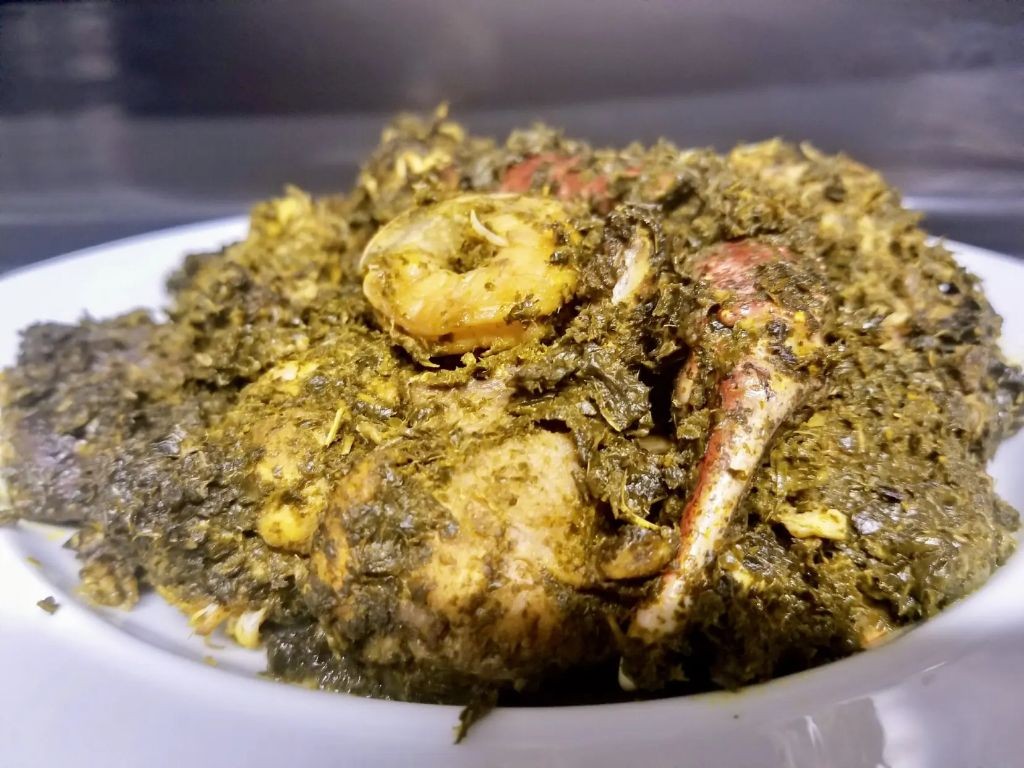
Kick back and get ready for a flavor adventure that’ll warm you right up! Liberian cassava leaf stew is one of those comforting dishes that feels like a hug in a bowl, perfect for when you want something hearty and satisfying. You’re going to love how the rich, earthy flavors come together in this West African classic.
Ingredients
– 2 pounds fresh cassava leaves, thoroughly washed and finely chopped
– 1 pound boneless chicken thighs, cut into bite-sized pieces
– ½ cup rich palm oil
– 1 large yellow onion, finely diced
– 4 cloves fresh garlic, minced
– 1 habanero pepper, seeds removed and finely chopped
– 2 cups rich chicken broth
– 1 cup creamy peanut butter
– 2 tablespoons smoked paprika
– 1 tablespoon coarse sea salt
– 1 teaspoon freshly ground black pepper
Instructions
1. Heat ¼ cup of rich palm oil in a large Dutch oven over medium heat until it shimmers.
2. Add the finely diced yellow onion and cook for 5 minutes until translucent and fragrant.
3. Stir in the minced fresh garlic and cook for 1 minute until golden and aromatic.
4. Add the bite-sized boneless chicken thigh pieces and cook for 6 minutes until lightly browned on all sides.
5. Mix in the smoked paprika, coarse sea salt, and freshly ground black pepper until the chicken is evenly coated.
6. Pour in the rich chicken broth and bring to a gentle boil.
7. Reduce heat to low, cover the pot, and simmer for 20 minutes until the chicken is tender and cooked through.
8. Meanwhile, blend the thoroughly washed cassava leaves with ½ cup water until you achieve a coarse paste texture.
9. Add the cassava leaf paste to the pot along with the remaining ¼ cup of rich palm oil.
10. Stir in the creamy peanut butter until completely incorporated and smooth.
11. Add the finely chopped habanero pepper (tip: wear gloves when handling hot peppers to protect your skin).
12. Simmer uncovered for 45 minutes, stirring every 10 minutes to prevent sticking (tip: the stew should bubble gently, not boil vigorously).
13. Check consistency after 45 minutes – if too thick, add ¼ cup hot water and stir well.
14. Continue cooking for another 15 minutes until the oil rises to the surface and the stew darkens to a deep green-brown color (tip: this oil separation indicates the stew is properly cooked and flavors have fully developed).
15. Remove from heat and let rest for 10 minutes before serving.
Zesty and deeply satisfying, this stew boasts a wonderfully thick, almost creamy texture that clings perfectly to rice or fufu. The peanut butter adds a subtle nuttiness that balances the earthy cassava leaves, while the habanero provides just enough heat to keep things interesting. Try serving it over steaming jasmine rice with a side of fried plantains for that perfect sweet-savory contrast that’ll have everyone asking for seconds.
Zimbabwean Sadza with Beef Stew
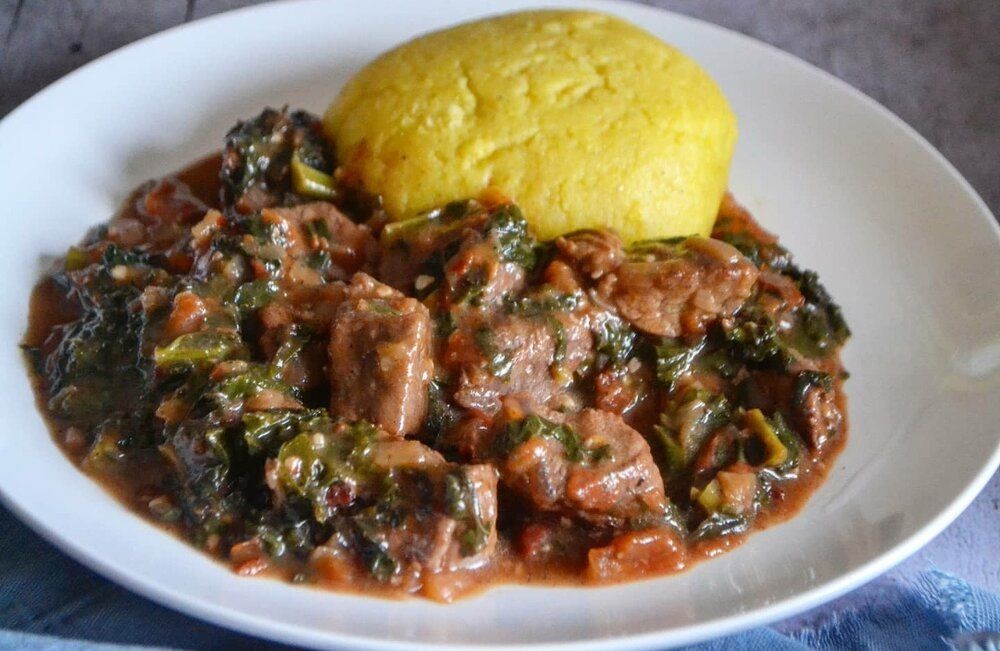
You know those comfort food cravings that hit just right? This Zimbabwean Sadza with Beef Stew is exactly what you need—a warm, hearty meal that feels like a hug in a bowl. It’s surprisingly simple to make and packed with incredible flavor that’ll have you coming back for seconds.
Ingredients
– 2 cups finely ground white cornmeal
– 1.5 lbs beef chuck roast, cut into 1-inch cubes
– 2 tablespoons rich extra virgin olive oil
– 1 large yellow onion, finely chopped
– 3 cloves fresh garlic, minced
– 2 large ripe tomatoes, diced
– 1 tablespoon vibrant tomato paste
– 4 cups rich beef broth
– 2 medium carrots, sliced into coins
– 1 teaspoon aromatic paprika
– 1 teaspoon freshly ground black pepper
– 1 teaspoon coarse sea salt
Instructions
1. Heat the rich extra virgin olive oil in a large Dutch oven over medium-high heat until shimmering.
2. Add the beef chuck roast cubes and sear for 4-5 minutes until deeply browned on all sides.
3. Transfer the seared beef to a clean plate, leaving the flavorful drippings in the pot.
4. Add the finely chopped yellow onion to the pot and sauté for 3-4 minutes until translucent and fragrant.
5. Stir in the minced fresh garlic and cook for 1 minute until golden and aromatic.
6. Add the diced ripe tomatoes and vibrant tomato paste, cooking for 2-3 minutes until the tomatoes break down.
7. Return the seared beef cubes to the pot along with any accumulated juices.
8. Pour in the rich beef broth, ensuring it covers the beef completely.
9. Stir in the aromatic paprika, freshly ground black pepper, and coarse sea salt.
10. Bring the stew to a gentle boil, then reduce heat to low, cover, and simmer for 1.5 hours.
11. Add the sliced carrot coins to the stew and continue simmering uncovered for 30 minutes until carrots are tender.
12. While the stew simmers, bring 4 cups of water to a rolling boil in a separate heavy-bottomed pot.
13. Gradually whisk in the finely ground white cornmeal, stirring constantly to prevent lumps.
14. Reduce heat to low and continue stirring the sadza for 10-12 minutes until it thickens and pulls away from the pot sides.
15. Remove the sadza from heat and let it rest for 2 minutes to set its texture.
16. Serve the beef stew ladled over scoops of freshly made sadza. Maybe you’ll love the sadza’s smooth, polenta-like texture that perfectly soaks up the rich, savory stew. The tender beef practically melts in your mouth, while the carrots add just the right sweetness. Try serving it family-style with extra stew broth for dipping—it’s comfort food at its absolute best.
Malawian Nsima with Chambo Fish
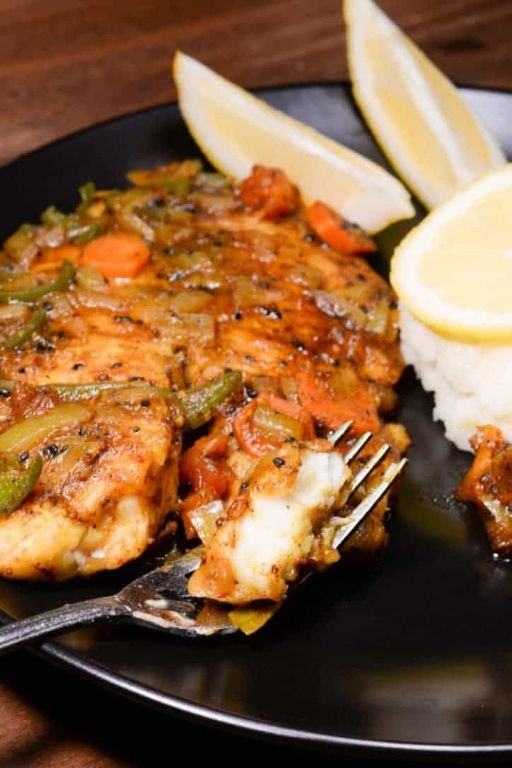
Remember those cozy meals that just hug you from the inside? This Malawian Nsima with Chambo Fish is exactly that—a comforting, staple dish from Malawi that’s simple, hearty, and perfect for sharing. You’ll love how the soft, pillowy nsima pairs with the flaky, flavorful fish—it’s a taste of East African comfort right in your kitchen.
Ingredients
- 2 cups finely ground white cornmeal
- 4 cups cold filtered water
- 1 teaspoon fine sea salt
- 2 whole fresh Chambo fish (about 1 lb each), cleaned and scaled
- 2 tablespoons vibrant extra virgin olive oil
- 1 medium yellow onion, thinly sliced
- 2 cloves aromatic garlic, minced
- 1 large ripe tomato, diced
- 1 tablespoon tangy fresh lemon juice
- 1 teaspoon earthy ground cumin
- 1/2 teaspoon spicy paprika
- 1/4 cup chopped fresh cilantro
Instructions
- Pour 4 cups cold filtered water into a medium heavy-bottomed pot.
- Whisk in 2 cups finely ground white cornmeal until no lumps remain.
- Place the pot over medium-high heat and bring to a gentle boil, stirring constantly with a wooden spoon to prevent sticking.
- Reduce heat to low and simmer for 15 minutes, stirring frequently, until the mixture thickens to a smooth, stiff porridge consistency. Tip: Keep stirring to avoid lumps—a smooth nsima makes all the difference!
- Remove the pot from heat and let the nsima rest, covered, for 5 minutes to set.
- Preheat a large skillet over medium heat and add 2 tablespoons vibrant extra virgin olive oil.
- Add 1 thinly sliced medium yellow onion and sauté for 4-5 minutes until translucent and fragrant.
- Stir in 2 minced cloves aromatic garlic and cook for 1 minute until golden.
- Add 1 diced large ripe tomato, 1 teaspoon earthy ground cumin, and 1/2 teaspoon spicy paprika, cooking for 3-4 minutes until the tomato softens into a chunky sauce.
- Season both sides of 2 whole fresh Chambo fish with 1 teaspoon fine sea salt.
- Place the fish in the skillet and spoon the tomato-onion mixture over the top.
- Cover the skillet and cook for 8-10 minutes, then flip the fish and cook uncovered for another 5-7 minutes until the flesh is opaque and flakes easily with a fork. Tip: Don’t overcrowd the skillet—if needed, cook the fish in batches for even browning.
- Drizzle 1 tablespoon tangy fresh lemon juice over the fish and sprinkle with 1/4 cup chopped fresh cilantro.
- Serve the nsima scooped onto plates alongside the Chambo fish and sauce. Tip: Use a wet spoon to shape the nsima into smooth rounds—it’s traditional and makes serving easier!
So creamy and substantial, the nsima acts like edible utensils for scooping up the tender, spiced fish. Serve it family-style with extra lemon wedges for a bright, interactive meal that brings everyone to the table.
Algerian Couscous with Vegetables
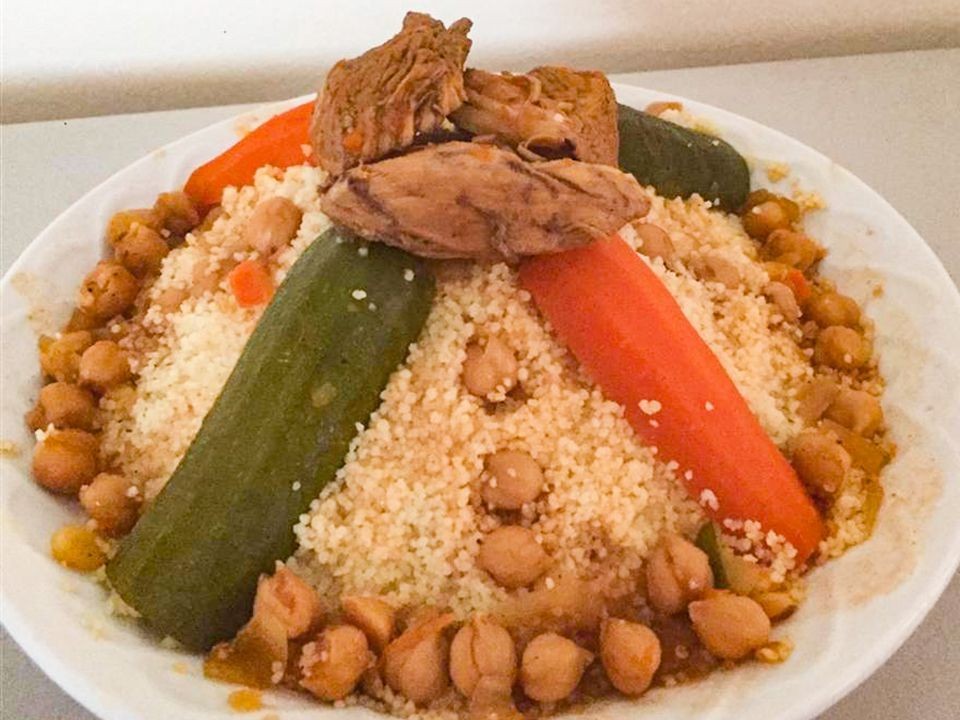
Did you know that Algerian couscous is more than just a side dish? It’s a vibrant, comforting meal that brings together fluffy grains and colorful vegetables in the most delicious way. You’re going to love how simple yet impressive this dish turns out.
Ingredients
– 2 cups fine couscous
– 3 cups vegetable broth
– 2 tablespoons rich extra virgin olive oil
– 1 large yellow onion, thinly sliced
– 3 cloves fresh garlic, minced
– 2 large carrots, peeled and chopped into ½-inch pieces
– 2 medium zucchini, cut into ½-inch cubes
– 1 red bell pepper, diced
– 1 can (15 oz) chickpeas, drained and rinsed
– 1 teaspoon ground cumin
– 1 teaspoon sweet paprika
– ½ teaspoon turmeric
– ¼ teaspoon cayenne pepper
– ½ cup fresh parsley, chopped
– ½ cup golden raisins
– 1 lemon, cut into wedges
Instructions
1. Heat 1 tablespoon of olive oil in a large pot over medium heat for 2 minutes until shimmering.
2. Add the sliced onion and cook for 5 minutes, stirring occasionally, until softened and translucent.
3. Stir in the minced garlic and cook for 1 minute until fragrant.
4. Add the chopped carrots and cook for 4 minutes, stirring occasionally.
5. Mix in the zucchini, red bell pepper, and chickpeas.
6. Sprinkle in the cumin, paprika, turmeric, and cayenne pepper, stirring to coat all vegetables evenly.
7. Pour in the vegetable broth and bring to a boil over high heat.
8. Reduce heat to low, cover the pot, and simmer for 15 minutes until vegetables are tender but still slightly firm.
9. While vegetables simmer, place couscous in a large heatproof bowl.
10. Drizzle remaining 1 tablespoon of olive oil over couscous and fluff with a fork to separate grains.
11. Carefully pour 2 cups of the hot vegetable broth from the cooking pot over the couscous.
12. Immediately cover the bowl tightly with plastic wrap and let sit for 10 minutes until all liquid is absorbed.
13. Remove plastic wrap and fluff couscous with a fork to separate grains completely.
14. Gently fold the cooked vegetables and their remaining broth into the fluffy couscous.
15. Stir in the chopped parsley and golden raisins until evenly distributed.
Creamy couscous grains soak up all the spiced vegetable broth, creating a dish that’s both light and satisfying. The tender vegetables add sweetness while the chickpeas provide protein-packed substance. Serve it family-style with lemon wedges for squeezing over top, or pack it cold for a next-day lunch that tastes even better.
Tunisian Shakshuka with Harissa

Let’s talk about a dish that’ll transform your breakfast game forever. This Tunisian Shakshuka with Harissa brings vibrant North African flavors right to your kitchen, combining spicy, savory, and perfectly cooked eggs in one stunning skillet.
Ingredients
- 2 tablespoons rich extra-virgin olive oil
- 1 large yellow onion, finely diced
- 2 cloves garlic, freshly minced
- 1 red bell pepper, thinly sliced
- 1 tablespoon fragrant harissa paste
- 1 teaspoon sweet smoked paprika
- 1/2 teaspoon earthy ground cumin
- 1 (28-ounce) can crushed San Marzano tomatoes
- 4 large farm-fresh eggs
- 1/4 cup crumbled creamy feta cheese
- 2 tablespoons chopped fresh parsley
- 1/2 teaspoon flaky sea salt
- 1/4 teaspoon freshly cracked black pepper
- 4 thick slices crusty artisan bread
Instructions
- Heat 2 tablespoons of rich extra-virgin olive oil in a large cast-iron skillet over medium heat until shimmering, about 2 minutes.
- Add 1 large finely diced yellow onion and cook until translucent and soft, about 5-7 minutes, stirring occasionally.
- Stir in 2 cloves of freshly minced garlic and cook until fragrant, about 1 minute.
- Add 1 thinly sliced red bell pepper and cook until slightly softened, about 4 minutes.
- Mix in 1 tablespoon of fragrant harissa paste, 1 teaspoon of sweet smoked paprika, and 1/2 teaspoon of earthy ground cumin, toasting the spices for 30 seconds until aromatic.
- Pour in 1 (28-ounce) can of crushed San Marzano tomatoes and season with 1/2 teaspoon of flaky sea salt and 1/4 teaspoon of freshly cracked black pepper.
- Simmer the sauce uncovered for 15-20 minutes until thickened slightly, stirring occasionally to prevent sticking.
- Use the back of a spoon to create 4 small wells in the sauce for the eggs.
- Crack 4 large farm-fresh eggs directly into the wells, spacing them evenly apart.
- Cover the skillet and cook for 6-8 minutes until the egg whites are fully set but yolks remain runny.
- While the eggs cook, toast 4 thick slices of crusty artisan bread until golden brown.
- Sprinkle 1/4 cup of crumbled creamy feta cheese and 2 tablespoons of chopped fresh parsley over the finished shakshuka.
What makes this dish truly special is the way the runny egg yolks mingle with the spicy tomato sauce, creating a luxurious texture that’s perfect for dipping. Serve it directly from the skillet with that toasted bread for scooping up every last bit, or try topping it with sliced avocado for extra creaminess that balances the harissa’s heat beautifully.
Egyptian Koshari with Lentils
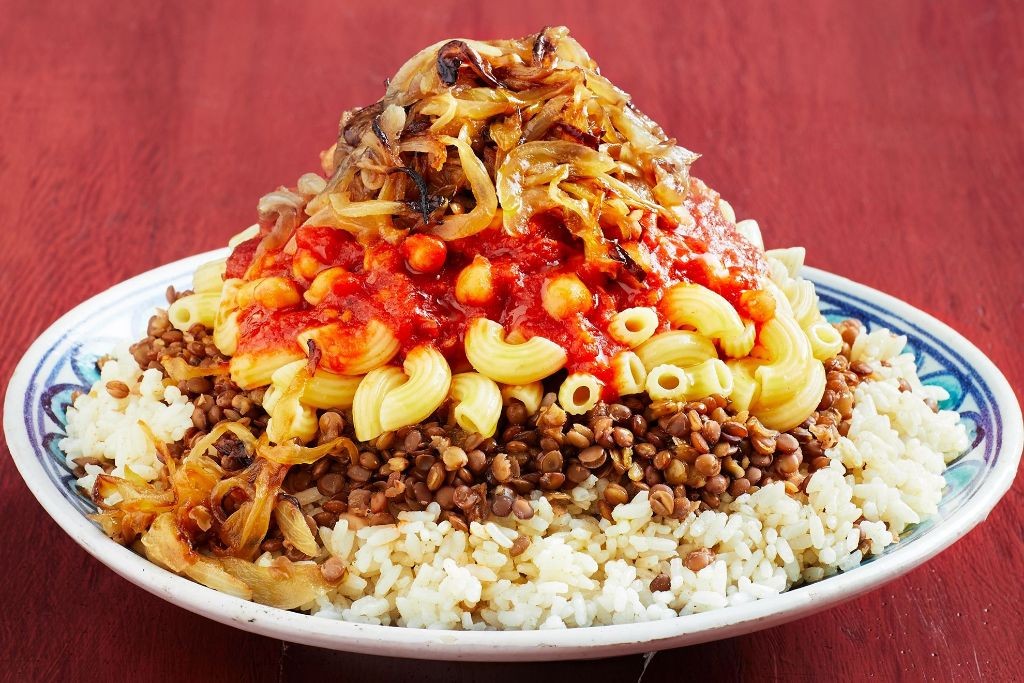
Ever find yourself craving something hearty, comforting, and packed with flavor? Egyptian Koshari is your answer—a beloved street food that layers lentils, rice, and pasta in the most satisfying way. You’ll love how these simple ingredients come together to create a truly memorable meal.
Ingredients
- 1 cup brown lentils, rinsed and picked over
- 1 cup long-grain white rice, rinsed until water runs clear
- 1 cup small elbow macaroni
- 2 large yellow onions, thinly sliced into half-moons
- 3 cloves garlic, minced
- 1 (15-ounce) can crushed tomatoes, rich and tangy
- 2 tablespoons tomato paste, concentrated and deep red
- 1 teaspoon ground cumin, warm and earthy
- 1/2 teaspoon crushed red pepper flakes, for a subtle kick
- 1/4 cup extra virgin olive oil, fruity and robust
- 1/4 cup vegetable oil, for high-heat frying
- 1 tablespoon white vinegar, bright and acidic
- Salt, to season throughout
Instructions
- Heat 1/4 cup vegetable oil in a large skillet over medium-high heat until it shimmers, about 350°F.
- Add the thinly sliced onions and fry for 10-12 minutes, stirring occasionally, until they turn deep golden brown and crisp.
- Remove the crispy onions with a slotted spoon and drain on paper towels; set aside.
- In a medium saucepan, combine 1 cup brown lentils with 3 cups water and 1/2 teaspoon salt; bring to a boil over high heat.
- Reduce heat to low, cover, and simmer the lentils for 20 minutes until tender but not mushy.
- Tip: Don’t overcook the lentils—they should hold their shape for the best texture.
- Stir 1 cup rinsed rice and 1 1/2 cups water into the cooked lentils; return to a boil.
- Cover, reduce heat to low, and cook for 15 minutes until the rice is fluffy and liquid is absorbed.
- Remove the lentil-rice mixture from heat and let it steam, covered, for 5 minutes.
- Cook 1 cup elbow macaroni in a separate pot of salted boiling water for 8 minutes, until al dente.
- Drain the macaroni and rinse briefly with cool water to stop the cooking.
- Heat 1/4 cup extra virgin olive oil in a saucepan over medium heat.
- Add 3 minced garlic cloves and sauté for 1 minute until fragrant but not browned.
- Stir in 1 tablespoon tomato paste and cook for 1 minute to deepen the flavor.
- Pour in the crushed tomatoes, 1 teaspoon cumin, 1/2 teaspoon red pepper flakes, 1 tablespoon vinegar, and 1/2 teaspoon salt.
- Tip: Simmering the sauce longer develops a richer taste—don’t rush it!
- Bring the sauce to a simmer, then reduce heat to low and cook uncovered for 15 minutes, stirring occasionally.
- Fluff the lentil-rice mixture with a fork and gently fold in the cooked macaroni.
- Tip: For authentic layers, spread the rice-lentil-pasta mix in a serving dish first.
- Pour the warm tomato sauce over the top and garnish generously with the crispy onions.
Just imagine that first bite—the soft lentils and rice, the chewy pasta, all coated in that spiced tomato sauce and topped with crunchy onions. Serve it family-style with extra sauce on the side for dipping, or pack it for a next-day lunch that tastes even better.
Sudanese Ful Medames
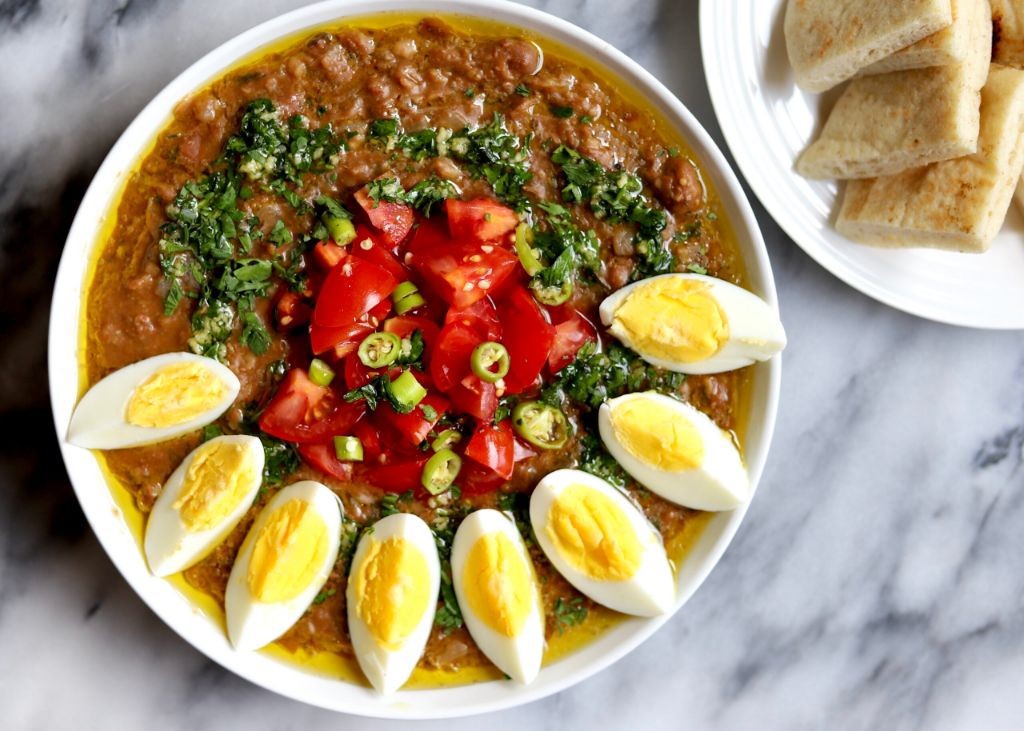
Picture this: you’re craving something hearty and comforting, but you want flavors that transport you somewhere new. That’s exactly what you get with Sudanese ful medames—a creamy, spiced fava bean dish that’s been warming souls for generations.
Ingredients
- 2 cups dried fava beans, soaked overnight
- 3 tablespoons rich extra virgin olive oil
- 1 medium yellow onion, finely diced
- 3 cloves garlic, freshly minced
- 1 teaspoon ground cumin, freshly toasted
- 1/2 teaspoon smoked paprika
- 1/4 teaspoon cayenne pepper
- 1/4 cup fresh lemon juice, freshly squeezed
- 1/4 cup fresh parsley, finely chopped
- 4 large eggs, farm-fresh
- Sea salt flakes, to taste
Instructions
- Drain the soaked fava beans and place them in a large pot.
- Cover the beans with 6 cups of fresh cold water.
- Bring the water to a rolling boil over high heat.
- Reduce the heat to maintain a gentle simmer.
- Simmer the beans uncovered for 2 hours until they’re completely tender when pressed with a spoon.
- Drain the cooked beans, reserving 1/2 cup of the cooking liquid.
- Heat the olive oil in a large skillet over medium heat until it shimmers.
- Add the diced onion and cook for 8 minutes until translucent and fragrant.
- Stir in the minced garlic and cook for 1 minute until golden.
- Sprinkle in the cumin, paprika, and cayenne, toasting for 30 seconds until aromatic.
- Add the drained fava beans to the skillet.
- Mash the beans coarsely with a potato masher, leaving some texture.
- Pour in the reserved bean liquid and stir to combine.
- Simmer the mixture for 10 minutes until thickened.
- Stir in the fresh lemon juice and chopped parsley.
- While the beans simmer, place the eggs in a separate saucepan.
- Cover the eggs with cold water by 1 inch.
- Bring the water to a boil over high heat.
- Once boiling, remove the pan from heat and cover tightly.
- Let the eggs stand for 12 minutes for perfectly set yolks.
- Transfer the eggs to an ice bath for 5 minutes to stop the cooking.
- Peel the eggs and slice them in half.
- Season the bean mixture with sea salt flakes.
- Serve the ful medames hot, topped with the halved eggs.
Final result gives you this incredible creamy texture with pops of whole beans, while the spices create this warm, earthy flavor that’s balanced by the bright lemon. For an authentic touch, serve it with warm pita bread for dipping, or go all out with sliced tomatoes and cucumbers on the side.
Summary
Get ready to spice up your kitchen with these incredible African flavors! From fiery stews to aromatic rice dishes, this collection brings authentic heat and vibrant tastes to your table. We’d love to hear which recipes become your favorites—drop a comment below and share this roundup on Pinterest to spread the delicious inspiration!