Dive into the sun-drenched flavors of Greece with these irresistible cake recipes! From honey-drenched baklava to moist orange semolina cake, we’ve gathered 18 authentic treats that bring Mediterranean warmth to your kitchen. Whether you’re craving something nutty, citrusy, or decadently spiced, these traditional delights promise to transport your taste buds. Ready to bake your way through Greek paradise? Let’s explore these heavenly creations!
Greek Semolina Cake (Revani)
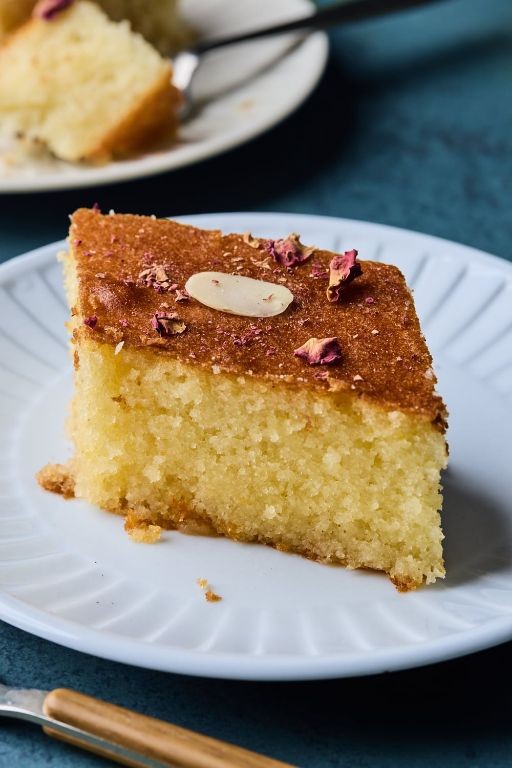
This traditional Greek semolina cake, known as Revani, transforms simple pantry staples into a moist, syrup-soaked dessert that’s perfect for any gathering. Through this methodical process, you’ll create a beautifully textured cake with a delicate orange aroma and sweet syrup that soaks right through. Trust me, following these steps precisely will give you that authentic Mediterranean bakery result right in your own kitchen.
Ingredients
– 1 cup of fine semolina flour
– 1 cup of all-purpose flour
– 1 cup of granulated sugar
– 4 large eggs at room temperature
– ½ cup of vegetable oil
– 1 cup of plain Greek yogurt
– 1 tablespoon of baking powder
– Zest from one orange
– A splash of vanilla extract
– For the syrup: 2 cups of sugar, 2 cups of water, a couple of lemon slices, and a cinnamon stick
Instructions
1. Preheat your oven to 350°F and grease a 9×13 inch baking pan thoroughly.
2. Crack 4 eggs into a large mixing bowl and beat them with an electric mixer on medium speed for 2 minutes until they become pale and frothy.
3. Gradually add 1 cup of sugar while continuing to mix for another 3 minutes until the mixture becomes thick and creamy.
4. Slowly pour in ½ cup of vegetable oil while the mixer is running on low speed.
5. Add 1 cup of Greek yogurt and mix until just combined.
6. In a separate bowl, whisk together 1 cup of semolina, 1 cup of all-purpose flour, and 1 tablespoon of baking powder.
7. Gently fold the dry ingredients into the wet mixture using a spatula until no flour streaks remain.
8. Stir in the zest from one orange and a splash of vanilla extract.
9. Pour the batter into your prepared pan and smooth the top with a spatula.
10. Bake for 35-40 minutes until the top is golden brown and a toothpick inserted in the center comes out clean.
11. While the cake bakes, combine 2 cups of sugar, 2 cups of water, lemon slices, and cinnamon stick in a saucepan.
12. Bring the syrup to a boil over medium-high heat, then reduce to a simmer for 10 minutes until slightly thickened.
13. Remove the syrup from heat and let it cool completely to room temperature.
14. When the cake comes out of the oven, immediately poke holes all over the surface with a skewer.
15. Slowly pour the cooled syrup over the hot cake, allowing it to absorb completely.
16. Let the cake cool completely in the pan before cutting into diamond-shaped pieces.
Expect a wonderfully moist texture with the semolina providing a satisfying graininess that contrasts beautifully with the sweet syrup. The orange zest adds a bright citrus note that cuts through the richness, making each bite perfectly balanced. For an elegant presentation, garnish with chopped pistachios and serve alongside strong Greek coffee for an authentic Mediterranean experience.
Greek Olive Oil Cake

A simple Greek olive oil cake makes for an elegant yet approachable dessert that comes together with minimal fuss. All you need are a few pantry staples and about an hour from start to finish. Let’s walk through each step methodically so you end up with a perfectly tender, citrus-kissed cake every time.
Ingredients
– 1 ½ cups all-purpose flour
– 1 cup granulated sugar
– ½ cup extra virgin olive oil
– ½ cup whole milk
– 3 large eggs
– Zest of 1 lemon
– Juice of 1 lemon
– 1 ½ teaspoons baking powder
– A pinch of salt
– A splash of vanilla extract
Instructions
1. Preheat your oven to 350°F and grease a 9-inch round cake pan with a little olive oil.
2. In a large bowl, whisk together 1 ½ cups flour, 1 cup sugar, 1 ½ teaspoons baking powder, and a pinch of salt until fully combined.
3. In a separate bowl, whisk 3 eggs until pale and frothy, about 2 minutes.
4. Slowly drizzle in ½ cup olive oil while continuously whisking the eggs to emulsify.
5. Whisk in ½ cup milk, the juice and zest of 1 lemon, and a splash of vanilla extract until smooth.
6. Tip: When zesting the lemon, avoid the bitter white pith by using a microplane and rotating the fruit frequently.
7. Gradually fold the wet ingredients into the dry ingredients using a spatula until just combined—do not overmix.
8. Tip: A few small lumps in the batter are fine; overmixing develops gluten and makes the cake tough.
9. Pour the batter into the prepared pan and smooth the top with your spatula.
10. Bake at 350°F for 40–45 minutes, or until a toothpick inserted into the center comes out clean.
11. Tip: For even baking, rotate the pan halfway through if your oven has hot spots.
12. Let the cake cool in the pan on a wire rack for 15 minutes before turning it out to cool completely.
Hearty and moist, this cake boasts a delicate crumb with a bright lemon zing that cuts through the richness of the olive oil. Serve it warm with a dusting of powdered sugar or alongside fresh berries and a dollop of Greek yogurt for a balanced treat.
Greek Lemon Cake
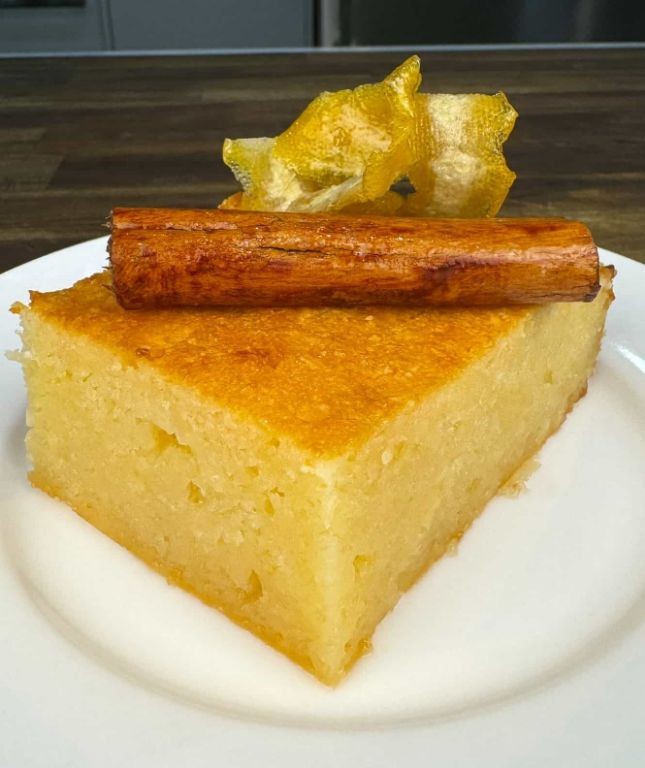
Gathering around the kitchen for something bright and comforting? This Greek lemon cake delivers sunshine in every slice with its zesty flavor and tender crumb.
Ingredients
– 2 cups of all-purpose flour
– 1 cup of granulated sugar
– 3 large eggs
– 1 cup of plain Greek yogurt
– ½ cup of olive oil
– The zest and juice from 2 medium lemons
– 2 teaspoons of baking powder
– A pinch of salt
– A splash of vanilla extract
– A couple of tablespoons of powdered sugar for dusting
Instructions
1. Preheat your oven to 350°F and grease a 9-inch round cake pan.
2. In a large bowl, whisk together the flour, baking powder, and salt until well combined.
3. In another bowl, beat the eggs and granulated sugar with a mixer on medium speed for about 3 minutes until pale and fluffy.
4. Slowly pour in the olive oil while mixing to emulsify the batter.
5. Fold in the Greek yogurt, lemon zest, lemon juice, and vanilla extract until just incorporated.
6. Gently mix the dry ingredients into the wet ingredients in two additions, stirring until no flour streaks remain—be careful not to overmix to keep the cake tender.
7. Pour the batter into the prepared pan and smooth the top with a spatula.
8. Bake for 35–40 minutes, or until a toothpick inserted into the center comes out clean.
9. Let the cake cool in the pan for 10 minutes, then transfer it to a wire rack to cool completely.
10. Dust the top with powdered sugar just before serving.
Keep in mind that this cake is wonderfully moist with a bright, tangy kick from the fresh lemon. For a twist, serve it with a dollop of honey-sweetened yogurt or fresh berries to balance the citrus notes.
Greek Chocolate Cake with Mastiha

Last week, I discovered this incredible Greek chocolate cake that beautifully balances rich cocoa with the subtle piney notes of mastiha. Let me walk you through creating this Mediterranean-inspired dessert that’s surprisingly simple to make. Learning to incorporate mastiha properly will give you that authentic Greek flavor profile.
Ingredients
– 2 cups of all-purpose flour
– 1½ cups of granulated sugar
– ¾ cup of unsweetened cocoa powder
– 1 teaspoon of baking soda
– A good pinch of salt
– 2 large eggs
– 1 cup of buttermilk
– ½ cup of vegetable oil
– 1 cup of strong brewed coffee, cooled
– 1 teaspoon of vanilla extract
– 2 tablespoons of mastiha powder
– A generous dusting of powdered sugar for finishing
Instructions
1. Preheat your oven to 350°F and generously grease a 9-inch round cake pan.
2. Whisk together the flour, sugar, cocoa powder, baking soda, and salt in a large mixing bowl until well combined.
3. In a separate bowl, beat the eggs until frothy, then stir in the buttermilk, vegetable oil, cooled coffee, and vanilla extract.
4. Tip: Make sure your coffee is completely cooled to prevent cooking the eggs when you mix everything together.
5. Gradually pour the wet ingredients into the dry ingredients, stirring gently until just combined—don’t overmix.
6. Sprinkle the mastiha powder evenly over the batter and fold it in with a spatula.
7. Tip: Crush any small lumps in your mastiha powder between your fingers for even distribution throughout the cake.
8. Pour the batter into your prepared pan and smooth the top with a spatula.
9. Bake for 35-40 minutes, or until a toothpick inserted into the center comes out clean with just a few moist crumbs.
10. Tip: Rotate your cake pan halfway through baking to ensure even browning since oven temperatures can vary.
11. Let the cake cool in the pan for 15 minutes before transferring it to a wire rack to cool completely.
12. Dust the cooled cake generously with powdered sugar using a fine-mesh sieve.
My favorite thing about this cake is how the mastiha’s subtle resinous notes cut through the deep chocolate richness. The crumb stays incredibly moist thanks to the coffee and buttermilk combination, making each slice feel indulgent yet balanced. Try serving it with a dollop of whipped cream and fresh berries for a beautiful contrast to the dark chocolate flavor.
Greek Almond Cake (Amygdalopita)
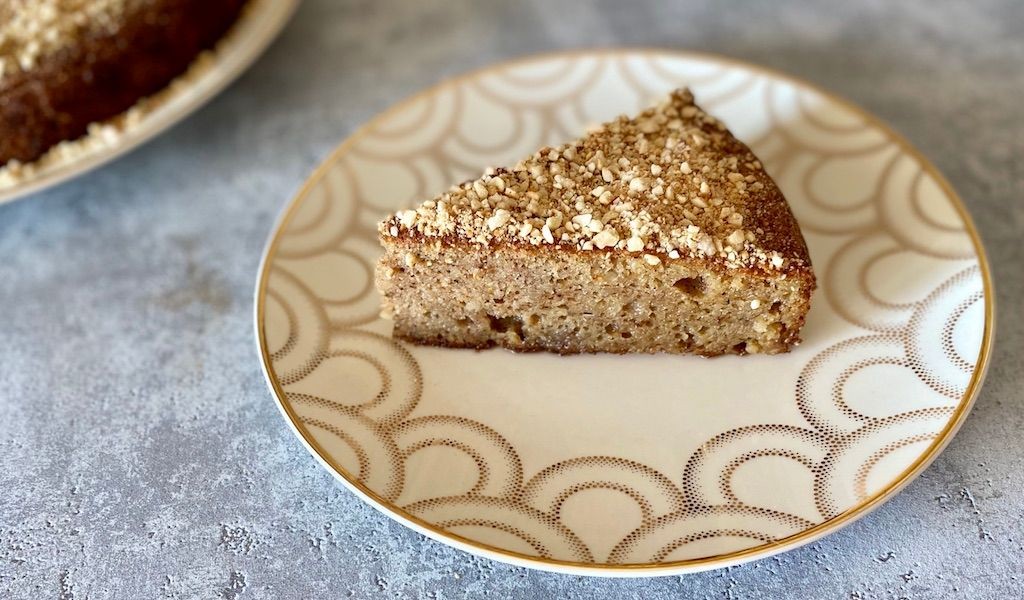
Very few desserts capture the essence of Greek hospitality quite like this traditional almond cake, which comes together with pantry staples for a reliably delicious treat that’s perfect with your afternoon coffee. Let’s walk through making Amygdalopita together, one simple step at a time.
Ingredients
– A couple of cups of finely ground almonds
– 1 cup of granulated sugar
– 4 large eggs
– A generous half-cup of melted butter
– A splash of fresh orange juice
– A teaspoon of baking powder
– A pinch of salt
– A dusting of powdered sugar for finishing
Instructions
1. Preheat your oven to 350°F and grease an 8-inch round cake pan thoroughly.
2. Combine the ground almonds, sugar, baking powder, and salt in a large mixing bowl.
3. Crack the eggs into a separate bowl and whisk them until they’re pale and frothy, about 2 minutes of vigorous whisking.
4. Pour the melted butter and orange juice into the egg mixture, stirring gently to combine.
5. Tip: Fold the wet ingredients into the dry ingredients using a spatula—this keeps the cake light instead of tough.
6. Spread the batter evenly into your prepared pan, smoothing the top with the back of a spoon.
7. Bake for 35–40 minutes, until the top is golden brown and a toothpick inserted in the center comes out clean.
8. Tip: Let the cake cool in the pan for 15 minutes before transferring it to a wire rack—this prevents breaking.
9. Once completely cool, dust the top with powdered sugar through a fine sieve for an even coating.
10. Tip: For extra moisture, brush the warm cake with a little extra orange juice before dusting.
Amazingly moist and fragrant, this cake has a dense yet tender crumb that melts with each almond-kissed bite. Its subtle citrus notes pair wonderfully with a dollop of Greek yogurt or a drizzle of honey for a simple, elegant finish that feels both rustic and refined.
Greek Coffee Cake
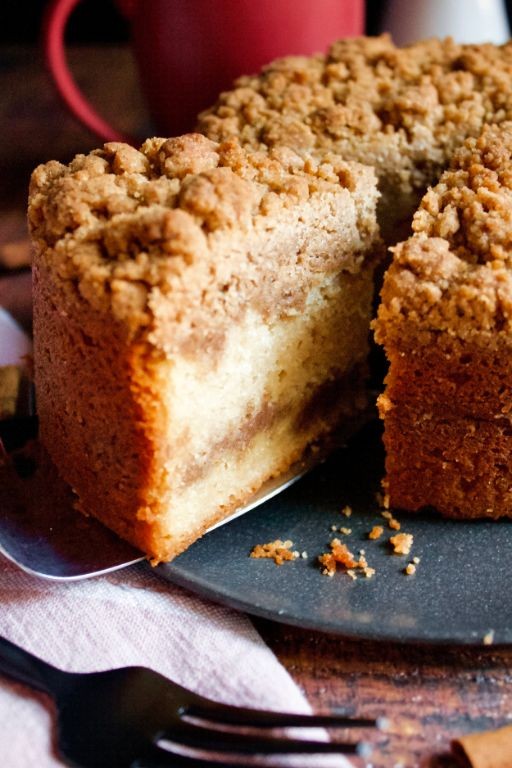
Now, let’s dive into making this wonderfully aromatic Greek Coffee Cake that fills your kitchen with the most inviting cinnamon and coffee scents. This recipe walks you through creating a moist, tender crumb cake with that distinctive Mediterranean coffee flavor that pairs perfectly with your morning brew or afternoon tea. You’ll find the method straightforward and the results consistently delicious.
Ingredients
– 2 cups of all-purpose flour
– 1 cup of granulated sugar
– 1/2 cup of vegetable oil
– 1 cup of strong brewed coffee, cooled to room temperature
– 2 large eggs
– 1 teaspoon of baking powder
– 1/2 teaspoon of baking soda
– A good pinch of salt
– 1 teaspoon of vanilla extract
– 1 teaspoon of ground cinnamon
– A generous 1/2 cup of chopped walnuts
Instructions
1. Preheat your oven to 350°F and grease a 9-inch round cake pan thoroughly.
2. In a large mixing bowl, whisk together the 2 cups of flour, 1 cup of sugar, 1 teaspoon of baking powder, 1/2 teaspoon of baking soda, that good pinch of salt, and 1 teaspoon of cinnamon until well combined.
3. Make a well in the center of your dry ingredients and add the 1/2 cup of vegetable oil, 2 eggs, 1 teaspoon of vanilla extract, and 1 cup of cooled coffee.
4. Tip: Use room temperature eggs for better emulsion – they’ll incorporate more smoothly into your batter.
5. Mix everything together just until the batter comes together and no dry flour remains, being careful not to overmix.
6. Tip: Overmixing develops gluten and can make your cake tough rather than tender.
7. Fold in the generous 1/2 cup of chopped walnuts gently until they’re evenly distributed throughout the batter.
8. Pour the batter into your prepared pan and use a spatula to spread it evenly.
9. Tip: Tap the pan firmly on your counter a couple of times to release any air bubbles that might cause uneven baking.
10. Bake for 35-40 minutes at 350°F until a toothpick inserted into the center comes out clean with just a few moist crumbs attached.
11. Let the cake cool in the pan for 15 minutes before transferring it to a wire rack to cool completely.
Serve this cake slightly warm to really appreciate its moist, dense crumb and the way the coffee flavor deepens as it cools. The walnuts add a lovely crunch that contrasts beautifully with the soft cake texture, making each bite interesting. Try serving it with a dollop of whipped cream or alongside a small cup of Greek coffee for an authentic Mediterranean experience.
Greek Pistachio Cake
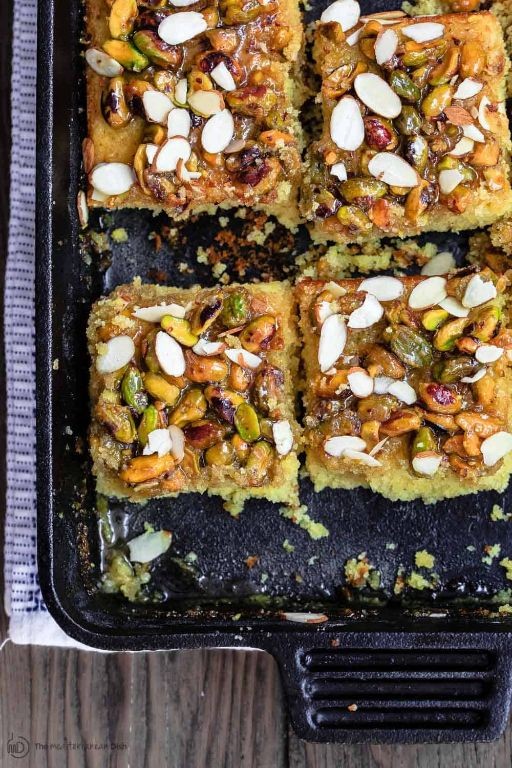
Wondering how to bring a taste of the Mediterranean to your kitchen? This Greek pistachio cake delivers rich, nutty flavor with a tender crumb that’s surprisingly simple to master. Let’s walk through each step together so you can create this stunning dessert with confidence.
Ingredients
– 2 cups of shelled pistachios
– 1 cup of granulated sugar
– 3 large eggs
– 1/2 cup of olive oil
– 1 cup of all-purpose flour
– 2 teaspoons of baking powder
– A generous pinch of salt
– A splash of vanilla extract
– A couple of tablespoons of honey for drizzling
Instructions
1. Preheat your oven to 350°F and grease a 9-inch round cake pan.
2. Pulse the shelled pistachios in a food processor until they reach a fine, sandy texture—be careful not to over-process into pistachio butter.
3. In a large mixing bowl, whisk together the ground pistachios, granulated sugar, all-purpose flour, baking powder, and salt until well combined.
4. Crack the 3 large eggs into a separate bowl and beat them with a fork until the yolks and whites are fully incorporated.
5. Pour the beaten eggs into the dry ingredients along with the 1/2 cup of olive oil and splash of vanilla extract.
6. Stir the batter gently with a spatula until just combined—overmixing can make the cake dense.
7. Transfer the batter to your prepared cake pan and smooth the top with the back of a spoon.
8. Bake for 35-40 minutes at 350°F until the top is golden brown and a toothpick inserted into the center comes out clean.
9. Let the cake cool in the pan for 15 minutes before transferring it to a wire rack.
10. Drizzle the warm cake with a couple of tablespoons of honey for extra moisture and shine.
Velvety and moist, this cake boasts a delicate pistachio flavor that shines through every bite. The honey glaze adds a subtle sweetness that complements the nuttiness perfectly. Try serving it warm with a dollop of Greek yogurt for a delightful contrast of textures.
Greek Carrot Cake with Yogurt Frosting
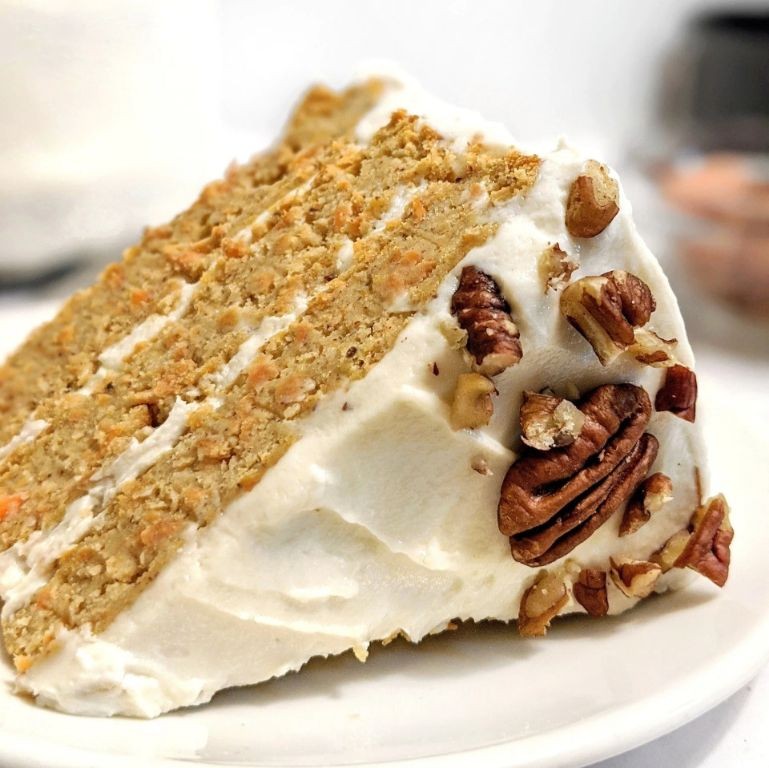
Just when you thought carrot cake couldn’t get more delightful, this Greek-inspired version with creamy yogurt frosting will completely change your dessert game. Perfect for beginners, I’ll walk you through each simple step to create this moist, spiced cake that’s surprisingly light yet deeply satisfying. Let’s get our aprons on and transform ordinary ingredients into something extraordinary.
Ingredients
– 2 cups of grated carrots (about 3-4 medium ones)
– 1¾ cups of all-purpose flour
– 1 cup of granulated sugar
– ¾ cup of vegetable oil
– 3 large eggs
– 1 cup of plain Greek yogurt (plus another 1½ cups for the frosting)
– 2 teaspoons of baking powder
– 1 teaspoon of baking soda
– 2 teaspoons of cinnamon
– ½ teaspoon of nutmeg
– A splash of vanilla extract
– A pinch of salt
– ½ cup of chopped walnuts
– 1 cup of powdered sugar for the frosting
Instructions
1. Preheat your oven to 350°F and grease a 9-inch round cake pan.
2. In a large bowl, whisk together the flour, baking powder, baking soda, cinnamon, nutmeg, and salt until well combined.
3. In a separate bowl, beat the eggs and granulated sugar together for about 2 minutes until pale and slightly fluffy.
4. Slowly pour in the vegetable oil while continuing to mix the egg and sugar mixture.
5. Add 1 cup of Greek yogurt and the vanilla extract to the wet ingredients, stirring until smooth.
6. Gradually fold the dry ingredients into the wet mixture using a spatula, being careful not to overmix.
7. Gently stir in the grated carrots and chopped walnuts until just incorporated.
8. Pour the batter into the prepared cake pan and spread it evenly with a spatula.
9. Bake for 35-40 minutes, or until a toothpick inserted into the center comes out clean.
10. Allow the cake to cool in the pan for 10 minutes, then transfer it to a wire rack to cool completely.
11. While the cake cools, make the frosting by whisking together 1½ cups of Greek yogurt and 1 cup of powdered sugar until smooth.
12. Once the cake is completely cool, spread the yogurt frosting evenly over the top.
Perfectly moist with a subtle spice from cinnamon and nutmeg, this cake strikes a beautiful balance between sweet carrots and tangy yogurt frosting. Try serving it chilled for a refreshing twist, or garnish with extra walnuts for added crunch that complements the soft texture wonderfully.
Greek Phyllo Cake (Galaktoboureko)
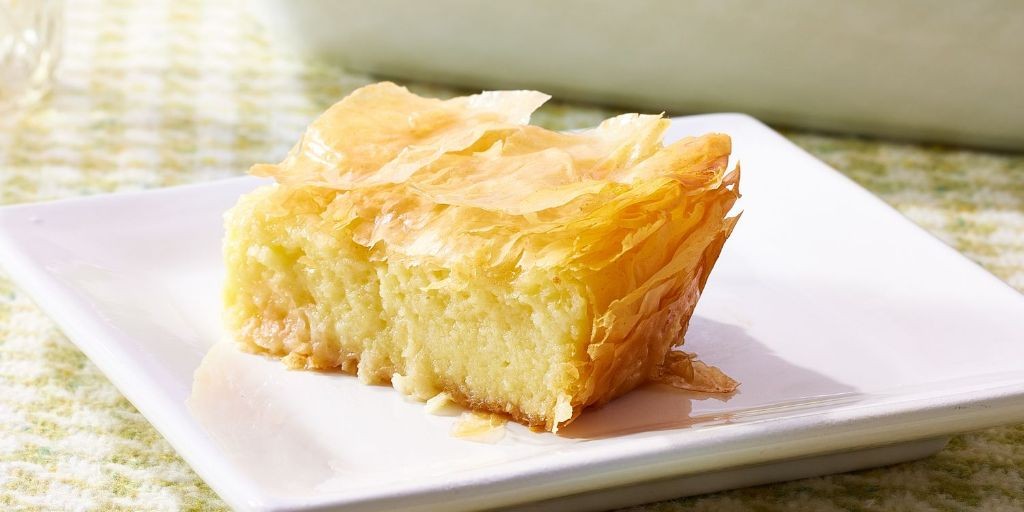
Folding delicate phyllo dough into a creamy custard dessert might seem intimidating, but this Greek phyllo cake breaks it down into manageable steps that even first-time bakers can master. We’ll build this traditional galaktoboureko layer by layer, creating that signature crisp exterior and luscious semolina filling that melts in your mouth.
Ingredients
– 1 package of phyllo dough (thawed overnight in the fridge)
– 1 stick of melted butter
– 4 cups of whole milk
– 1 cup of granulated sugar
– 3/4 cup of fine semolina
– 4 large eggs
– A splash of vanilla extract
– The zest from one lemon
– A couple of cups of simple syrup (equal parts sugar and water simmered together)
Instructions
1. Preheat your oven to 350°F and brush a 9×13 inch baking dish with some of the melted butter.
2. Unroll the phyllo dough and cover it with a damp kitchen towel to prevent drying out while you work.
3. Place one sheet of phyllo in the prepared baking dish and brush it lightly with melted butter using a pastry brush.
4. Repeat this layering process with half of the phyllo sheets, brushing each one with butter before adding the next.
5. In a medium saucepan, heat the 4 cups of milk over medium heat until small bubbles form around the edges (about 180°F).
6. Whisk together 1 cup of sugar and 3/4 cup of semolina in a separate bowl until well combined.
7. Slowly pour the semolina mixture into the hot milk while whisking constantly to prevent lumps from forming.
8. Cook the semolina mixture, stirring continuously, until it thickens to a pudding-like consistency (about 5-7 minutes).
9. Remove the saucepan from heat and stir in the vanilla extract and lemon zest.
10. Let the semolina mixture cool for 10 minutes until it’s warm but not hot to the touch.
11. Beat the 4 eggs in a medium bowl until they’re pale and frothy.
12. Gradually whisk the beaten eggs into the warm semolina mixture until fully incorporated.
13. Pour the custard filling evenly over the phyllo layers in the baking dish.
14. Continue layering the remaining phyllo sheets over the custard, brushing each sheet with melted butter.
15. Using a sharp knife, score the top phyllo layers into diamond or square shapes before baking.
16. Bake for 45-50 minutes until the top is golden brown and crisp.
17. While the cake bakes, prepare the simple syrup by combining equal parts sugar and water in a saucepan.
18. Bring the syrup to a boil, then reduce heat and simmer for 10 minutes until slightly thickened.
19. Remove the baked cake from the oven and immediately pour the warm syrup evenly over the hot phyllo layers.
20. Let the cake cool completely at room temperature for at least 4 hours before serving to allow the syrup to fully absorb.
Unbelievably crisp phyllo layers give way to a velvety semolina custard that’s perfectly sweetened by the lemon-kissed syrup. The contrast between the shatteringly crisp top and creamy interior makes each bite a textural revelation. Serve it chilled with a dusting of cinnamon or alongside strong Greek coffee for an authentic experience that transports you straight to a Mediterranean café.
Greek Coconut Cake (Ravani)
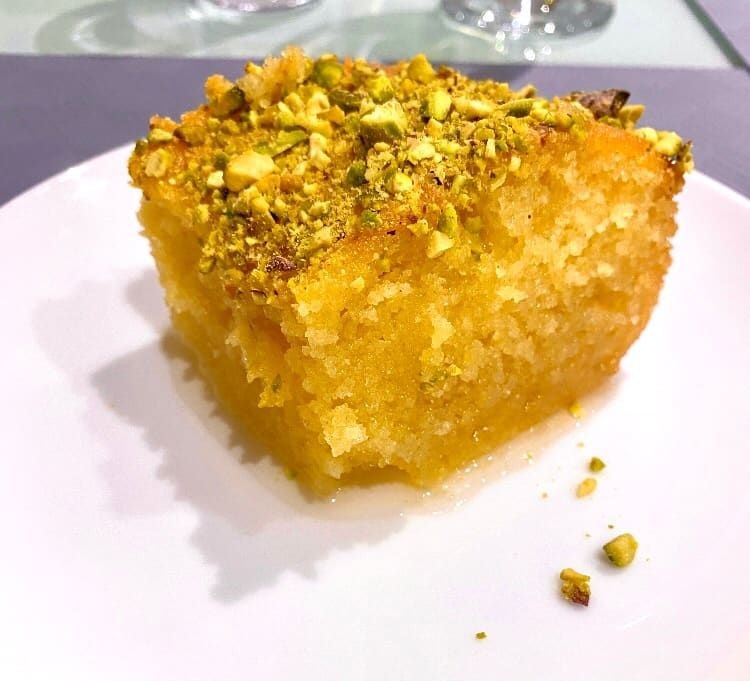
Now, let’s dive into this wonderfully moist Greek coconut cake that’s surprisingly simple to make. Nothing beats the combination of coconut and citrus in this traditional dessert that’s perfect for any occasion. You’ll be amazed at how these basic ingredients transform into something truly special.
Ingredients
– 2 cups of all-purpose flour
– 1½ cups of granulated sugar
– 1 cup of unsweetened shredded coconut
– 4 large eggs
– 1 cup of plain Greek yogurt
– ½ cup of vegetable oil
– ½ cup of whole milk
– ¼ cup of fresh orange juice
– 2 teaspoons of baking powder
– 1 teaspoon of vanilla extract
– A good pinch of salt
– For the syrup: 2 cups of sugar, 2 cups of water, and a couple of lemon slices
Instructions
1. Preheat your oven to 350°F and grease a 9×13 inch baking pan thoroughly.
2. In a large bowl, whisk together the flour, 1½ cups sugar, baking powder, and salt until well combined.
3. In a separate bowl, beat the eggs with an electric mixer on medium speed for about 2 minutes until they become pale and slightly frothy.
4. Slowly pour in the vegetable oil while continuing to mix, then add the Greek yogurt, milk, orange juice, and vanilla extract.
5. Gradually add the dry ingredients to the wet mixture, mixing on low speed just until the flour disappears – don’t overmix!
6. Gently fold in the shredded coconut with a spatula until evenly distributed throughout the batter.
7. Pour the batter into your prepared pan and smooth the top with a spatula.
8. Bake for 35-40 minutes, or until the top is golden brown and a toothpick inserted in the center comes out clean.
9. While the cake bakes, make the syrup by combining 2 cups sugar, 2 cups water, and lemon slices in a saucepan.
10. Bring the syrup to a boil over medium-high heat, then reduce to a simmer for 10 minutes until slightly thickened.
11. Remove the lemon slices from the syrup and let it cool for 5 minutes.
12. As soon as the cake comes out of the oven, use a skewer to poke holes all over the surface.
13. Slowly pour the warm syrup evenly over the hot cake, allowing it to absorb completely.
14. Let the cake cool completely in the pan for at least 2 hours before serving.
My favorite thing about this cake is how the syrup creates an incredibly moist texture that melts in your mouth. The coconut provides wonderful texture while the citrus notes brighten up each bite. Consider serving it with a dollop of whipped cream and fresh berries for an extra special treat.
Summary
Kaleidoscopic in flavor, these 18 traditional Greek cakes offer a sweet journey through Mediterranean baking. From honey-drenched baklava to citrus-kissed yogurt cakes, there’s a perfect treat for every baker. We’d love to hear which recipes become your family favorites—leave a comment below and share your baking adventures on Pinterest!