Craving that dreamy, velvety Italian sauce that turns a simple pasta dish into pure comfort food? You’re in the right place. We’ve gathered 18 of the creamiest, most delicious recipes that are perfect for quick weeknight dinners or cozy weekend feasts. Get ready to find your new favorite sauce that will have everyone asking for seconds!
Classic Alfredo Sauce with Parmesan and Cream
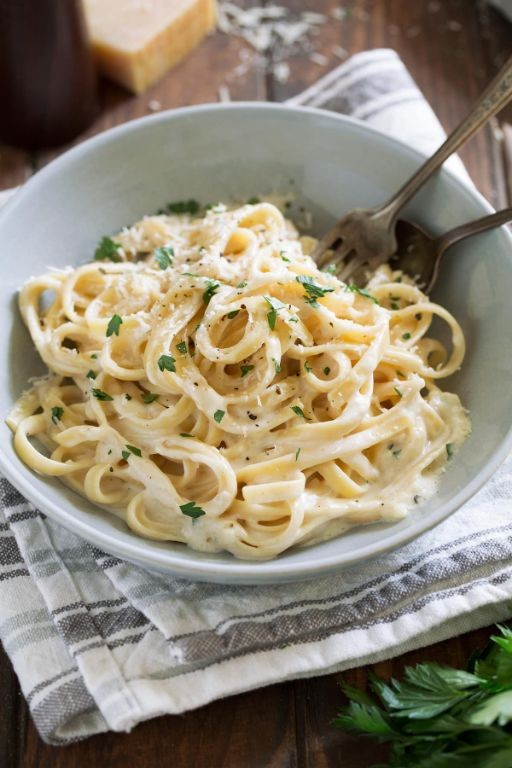
Creating a rich, velvety Alfredo sauce from scratch is simpler than you might think, requiring just a handful of quality ingredients and careful attention to technique. Carefully follow each step to achieve that restaurant-quality creaminess without any lumps or separation. This methodical approach ensures perfect results every time, even for first-time sauce makers.
Ingredients
– 1/2 cup unsalted butter (cut into tablespoon-sized pieces for even melting)
– 2 cups heavy cream (use high-fat content for best texture)
– 1 1/2 cups freshly grated Parmesan cheese (avoid pre-shredded varieties which contain anti-caking agents)
– 1/4 teaspoon freshly grated nutmeg (enhances flavor without being overpowering)
– 1/2 teaspoon salt (adjust based on saltiness of your Parmesan)
– 1/4 teaspoon black pepper (freshly ground preferred)
– 2 cloves garlic, minced (about 1 tablespoon)
Instructions
1. Melt the butter in a heavy-bottomed saucepan over medium-low heat until completely liquid and bubbling gently.
2. Add the minced garlic to the melted butter and cook for exactly 1 minute until fragrant but not browned.
3. Pour in the heavy cream while whisking constantly to combine with the butter mixture.
4. Heat the cream mixture until it reaches 180°F on a kitchen thermometer, stirring frequently to prevent scorching on the bottom.
5. Reduce the heat to low and gradually whisk in the grated Parmesan cheese, adding about 1/4 cup at a time and ensuring each addition is fully incorporated before adding more.
6. Continue stirring for 2-3 minutes until the cheese is completely melted and the sauce appears smooth and homogeneous.
7. Stir in the salt, black pepper, and nutmeg until evenly distributed throughout the sauce.
8. Remove the saucepan from heat immediately once all ingredients are combined and the sauce coats the back of a spoon. For optimal creaminess, serve your Alfredo sauce immediately over freshly cooked fettuccine. The finished sauce should be luxuriously thick and velvety with a perfect balance of rich cream and sharp Parmesan flavors. Freshly chopped parsley or a squeeze of lemon juice can brighten the dish, while grilled chicken or sautéed mushrooms make excellent additions for a heartier meal.
Homemade Marinara Sauce with Fresh Basil
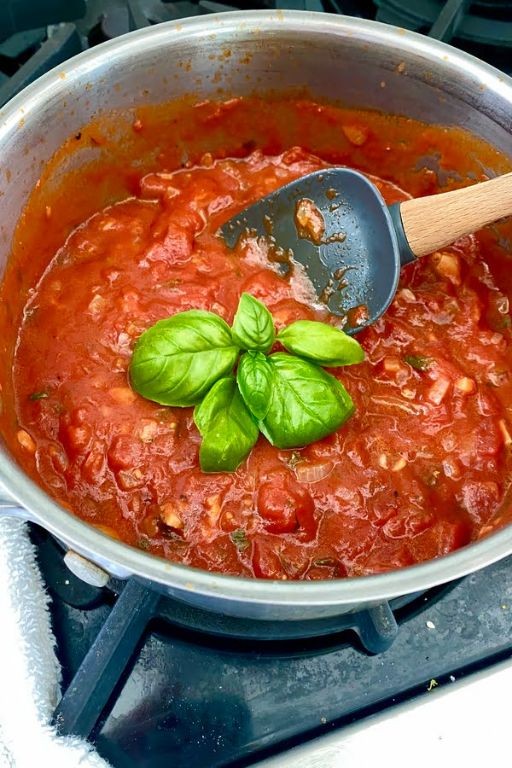
Brimming with the vibrant flavors of sun-ripened tomatoes and aromatic basil, this homemade marinara sauce transforms simple ingredients into a restaurant-quality staple. By preparing it yourself, you control the quality and freshness, resulting in a sauce far superior to any jarred version. Follow these methodical steps to create a rich, versatile sauce that will become your go-to for pasta nights.
Ingredients
– 2 tablespoons olive oil (extra virgin preferred for flavor)
– 1 medium yellow onion, finely diced (about 1 cup)
– 4 cloves garlic, minced (adjust for preference)
– 1 (28-ounce) can crushed tomatoes (preferably San Marzano)
– 1/4 cup fresh basil leaves, chopped (plus extra for garnish)
– 1 teaspoon granulated sugar (to balance acidity)
– 1 teaspoon salt (fine sea salt recommended)
– 1/2 teaspoon black pepper (freshly ground)
Instructions
1. Heat 2 tablespoons olive oil in a large saucepan over medium heat until shimmering, about 1 minute.
2. Add 1 cup finely diced yellow onion and cook, stirring frequently, until translucent and softened, 5-7 minutes.
3. Stir in 4 cloves minced garlic and cook until fragrant, 30-45 seconds, being careful not to burn it.
4. Pour in the 28-ounce can of crushed tomatoes, using a spatula to scrape all contents from the can.
5. Add 1 teaspoon sugar, 1 teaspoon salt, and 1/2 teaspoon black pepper, stirring to combine thoroughly.
6. Bring the sauce to a gentle simmer, then reduce heat to low and partially cover with a lid.
7. Simmer for 25-30 minutes, stirring occasionally, until the sauce has thickened and deepened in color.
8. Remove from heat and stir in 1/4 cup chopped fresh basil until just wilted.
Marvel at the velvety texture and bright, balanced flavor that comes from simmering the tomatoes slowly. The sauce should coat the back of a spoon thickly, perfect for clinging to pasta or as a dipping sauce for crusty bread. For a creative twist, use it as a base for shakshuka or as a pizza sauce that will elevate your homemade pies.
Garlic Butter White Wine Sauce for Seafood Pasta
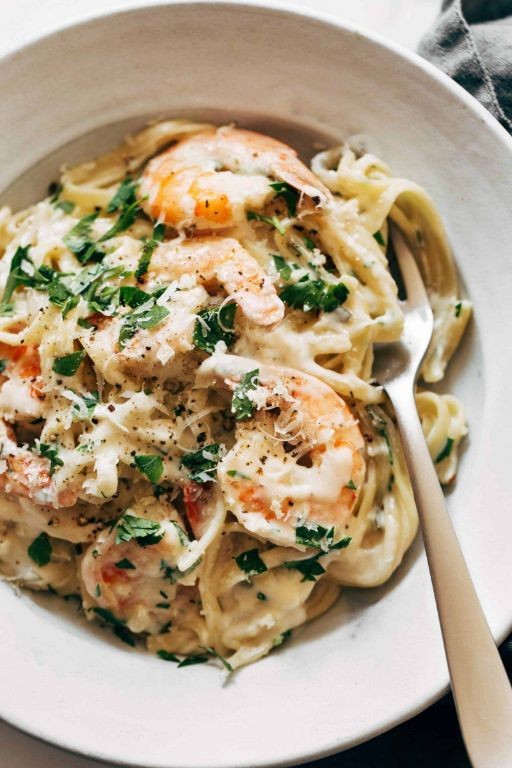
Perfect for busy weeknights yet elegant enough for company, this garlic butter white wine sauce transforms simple seafood pasta into a restaurant-quality meal. Preparing this sauce requires just a few key ingredients and follows a straightforward process that builds layers of flavor.
Ingredients
- 1 lb seafood (shrimp, scallops, or a mix), patted dry with paper towels
- 8 oz pasta (linguine or fettuccine)
- 4 tbsp unsalted butter, divided
- 4 garlic cloves, minced
- 1/2 cup dry white wine (such as Sauvignon Blanc)
- 1/4 cup heavy cream
- 2 tbsp fresh parsley, chopped
- 1/4 tsp red pepper flakes, optional for heat
- Salt and black pepper, to season
Instructions
- Bring a large pot of salted water to a rolling boil over high heat.
- Add pasta to the boiling water and cook for 8-10 minutes until al dente, stirring occasionally to prevent sticking.
- Drain pasta, reserving 1/2 cup of pasta water for later use.
- Pat seafood completely dry with paper towels to ensure proper searing.
- Heat 2 tablespoons of butter in a large skillet over medium-high heat until melted and bubbling.
- Add seafood to the skillet in a single layer, cooking for 2-3 minutes per side until opaque and lightly browned.
- Transfer cooked seafood to a clean plate using tongs or a slotted spoon.
- Reduce heat to medium and add remaining 2 tablespoons of butter to the same skillet.
- Add minced garlic and cook for 30-45 seconds until fragrant but not browned.
- Pour white wine into the skillet, scraping up any browned bits from the bottom with a wooden spoon.
- Simmer wine for 2-3 minutes until reduced by half, which will concentrate the flavor.
- Stir in heavy cream and continue cooking for 1-2 minutes until slightly thickened.
- Return cooked seafood to the skillet along with any accumulated juices.
- Add drained pasta to the sauce, tossing to coat evenly.
- If sauce seems too thick, gradually add reserved pasta water 1 tablespoon at a time until desired consistency is reached.
- Stir in chopped parsley and red pepper flakes if using.
- Season with salt and black pepper to taste, then remove from heat.
Lusciously creamy with a balanced acidity from the wine, this sauce clings beautifully to every strand of pasta. The garlic provides aromatic depth while the butter creates a rich, velvety texture that complements the tender seafood. For an elegant presentation, garnish with additional parsley and serve immediately with crusty bread to soak up every last drop of sauce.
Creamy Pesto Alfredo Sauce with Pine Nuts
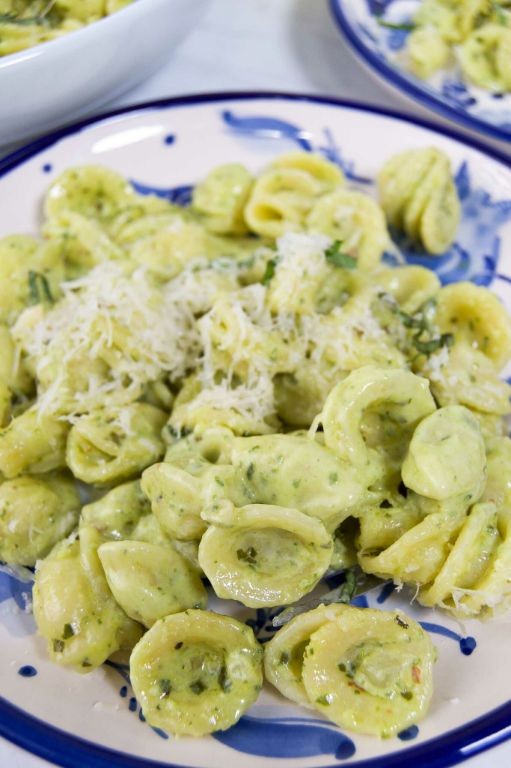
Ever find yourself torn between the herby freshness of pesto and the rich comfort of Alfredo? This creamy pesto Alfredo sauce with pine nuts brings together the best of both worlds in a surprisingly simple preparation. Even novice cooks can master this versatile sauce that elevates pasta from ordinary to extraordinary in just minutes.
Ingredients
– 2 cups heavy cream (for maximum creaminess)
– 1 cup grated Parmesan cheese (freshly grated melts best)
– 1/2 cup prepared basil pesto (store-bought or homemade)
– 1/4 cup pine nuts
– 3 cloves garlic, minced (adjust for preference)
– 2 tablespoons unsalted butter
– 1/2 teaspoon salt
– 1/4 teaspoon black pepper
Instructions
1. Place a medium saucepan over medium-low heat and add the pine nuts.
2. Toast the pine nuts for 3-4 minutes, stirring constantly until golden brown and fragrant, then transfer to a small bowl.
3. Melt the unsalted butter in the same saucepan over medium heat.
4. Add the minced garlic and cook for 1 minute until fragrant but not browned.
5. Pour the heavy cream into the saucepan and bring to a gentle simmer.
6. Reduce heat to low and whisk continuously for 2 minutes to prevent scorching.
7. Gradually sprinkle in the grated Parmesan cheese while whisking constantly until fully melted and smooth.
8. Stir in the prepared basil pesto until thoroughly combined.
9. Season with salt and black pepper, then simmer for 1 more minute to meld flavors.
10. Remove from heat and stir in the toasted pine nuts.
Zesty with herbal notes from the pesto and luxuriously creamy from the Alfredo base, this sauce clings beautifully to pasta ribbons. The toasted pine nuts add delightful crunch and nutty depth that contrasts the smooth texture. Try tossing it with fettuccine and grilled chicken, or use it as an elegant dipping sauce for crusty bread.
Spicy Arrabbiata Sauce with Red Pepper Flakes
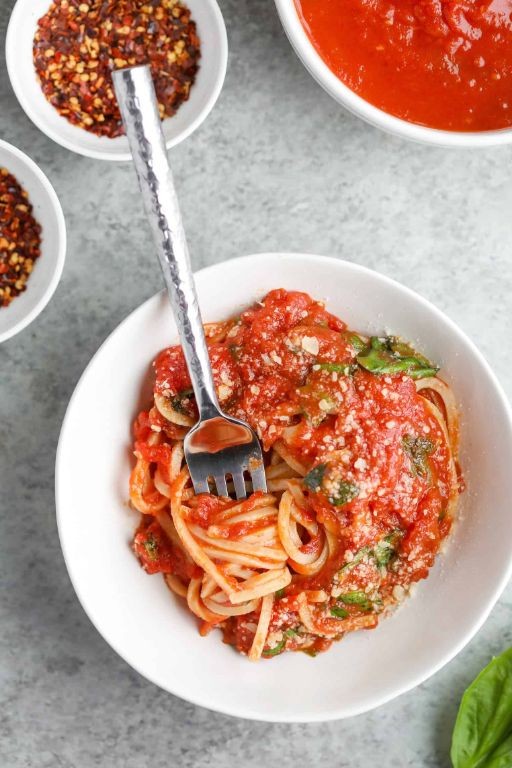
Crafting a vibrant, spicy arrabbiata sauce at home is simpler than you might think, and this step-by-step guide will walk you through creating a robust, restaurant-quality version that’s perfect for coating your favorite pasta. You’ll learn how to build layers of flavor, starting with aromatic garlic and finishing with a kick of heat from red pepper flakes. Let’s get cooking and transform a few pantry staples into a standout sauce.
Ingredients
- 2 tablespoons olive oil (or any neutral oil)
- 4 cloves garlic, minced (fresh is best for maximum flavor)
- 1/2 to 1 teaspoon red pepper flakes (adjust to your preferred spice level)
- 1 (28-ounce) can crushed tomatoes
- 1 teaspoon salt (fine sea salt works well)
- 1/4 cup fresh basil, chopped (or 1 teaspoon dried basil)
Instructions
- Heat 2 tablespoons of olive oil in a large saucepan over medium heat until it shimmers, about 1 minute.
- Add 4 cloves of minced garlic and sauté for 30 seconds, stirring constantly to prevent burning.
- Stir in 1/2 to 1 teaspoon of red pepper flakes and cook for another 30 seconds to release their oils and spice.
- Pour in 1 (28-ounce) can of crushed tomatoes, using a spatula to scrape all the tomato from the can.
- Add 1 teaspoon of salt and stir to combine all ingredients evenly.
- Bring the sauce to a gentle simmer, then reduce the heat to low to maintain a slow bubble.
- Simmer the sauce uncovered for 20 minutes, stirring occasionally to prevent sticking at the bottom.
- Stir in 1/4 cup of chopped fresh basil during the last 2 minutes of cooking to preserve its bright flavor.
- Remove the saucepan from the heat and let the sauce rest for 5 minutes before serving.
Drizzle this fiery arrabbiata over al dente spaghetti for a classic pairing, or get creative by using it as a zesty pizza base or a dipping sauce for crusty bread. The texture is luxuriously smooth with just enough body to cling to pasta, while the flavor balances tangy tomatoes with a warming, peppery heat that lingers pleasantly. For a heartier meal, toss it with sautéed mushrooms or spicy Italian sausage to elevate your weeknight dinner.
Authentic Carbonara Sauce with Pancetta and Eggs
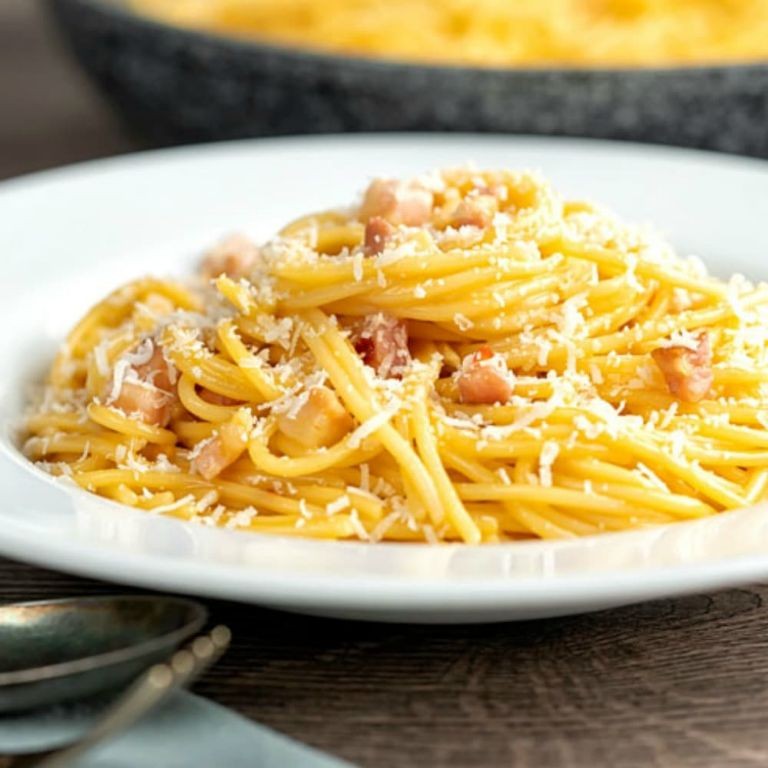
Remember that perfect carbonara you had in Rome? Recreating that creamy, silky sauce is easier than you think with just a few quality ingredients and proper technique. Let’s walk through this authentic version step by step to achieve restaurant-quality results in your own kitchen.
Ingredients
– 8 ounces pancetta, diced (or thick-cut bacon)
– 3 large eggs, room temperature
– 1 cup freshly grated Pecorino Romano cheese (Parmigiano-Reggiano works too)
– 1 pound spaghetti
– 1 teaspoon freshly ground black pepper
– 1/2 teaspoon kosher salt
– 2 cloves garlic, smashed (remove before serving)
Instructions
1. Bring a large pot of salted water to a rolling boil over high heat.
2. While water heats, whisk eggs, grated cheese, black pepper, and salt in a medium bowl until completely smooth.
3. Cook diced pancetta in a large skillet over medium heat for 8-10 minutes until crispy and fat has rendered.
4. Add smashed garlic cloves to the pancetta and cook for 1 minute to infuse flavor.
5. Remove skillet from heat and discard garlic cloves.
6. Add spaghetti to boiling water and cook for 9 minutes until al dente.
7. Reserve 1 cup of pasta cooking water before draining spaghetti.
8. Working quickly, add hot drained spaghetti directly to the pancetta skillet.
9. Pour egg mixture over the hot pasta while tossing continuously with tongs.
10. Add 1/4 cup of reserved pasta water to create a creamy emulsion.
11. Continue tossing for 2-3 minutes until sauce thickens and coats every strand.
12. Add more pasta water if needed to reach desired sauciness.
Here’s why this method works: the residual heat from the pasta cooks the eggs gently, creating that signature silky texture without scrambling. The creamy sauce clings beautifully to each strand of pasta, while the crispy pancetta provides salty contrast and the black pepper adds subtle heat. Try serving it immediately in warmed bowls with extra cheese grated over the top for the ultimate comfort food experience.
Sun-Dried Tomato Cream Sauce with Garlic
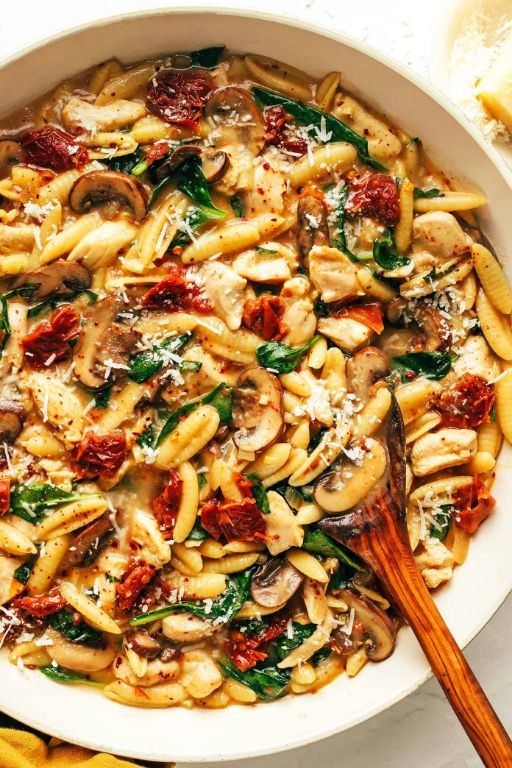
You’ve probably stared at that jar of sun-dried tomatoes in your pantry, wondering how to transform them into something spectacular. Let’s walk through creating a rich, velvety cream sauce that will become your new go-to for pasta nights.
Ingredients
- 1 cup sun-dried tomatoes in oil, drained and chopped (reserve 2 tablespoons of the oil)
- 4 cloves garlic, minced (fresh garlic provides the best flavor)
- 1 cup heavy cream (for maximum richness)
- 1/2 cup grated Parmesan cheese (freshly grated melts smoother)
- 1/4 cup fresh basil, chopped (adds bright herbal notes)
- 1/2 teaspoon salt (enhances all flavors)
- 1/4 teaspoon black pepper (freshly ground preferred)
Instructions
- Heat the reserved sun-dried tomato oil in a large skillet over medium heat for 1 minute until shimmering.
- Add minced garlic to the skillet and cook for exactly 1 minute, stirring constantly until fragrant but not browned.
- Stir in chopped sun-dried tomatoes and cook for 2 minutes until they soften slightly and release their oils.
- Pour heavy cream into the skillet, scraping any browned bits from the bottom with your spatula.
- Simmer the sauce uncovered for 5-7 minutes, stirring occasionally until it thickens enough to coat the back of a spoon.
- Remove skillet from heat and let cool for 2 minutes to prevent cheese from clumping.
- Whisk in grated Parmesan cheese until completely melted and smooth.
- Stir in chopped fresh basil, salt, and black pepper until evenly distributed.
A silky, ruby-hued sauce emerges with concentrated tomato sweetness balanced by garlic’s pungent kick. The cream creates a luxurious base that clings beautifully to pasta ridges, while Parmesan adds salty complexity. Try tossing it with cheese-filled tortellini or using it as an elegant dip for crusty bread at your next gathering.
Roasted Red Pepper and Goat Cheese Sauce
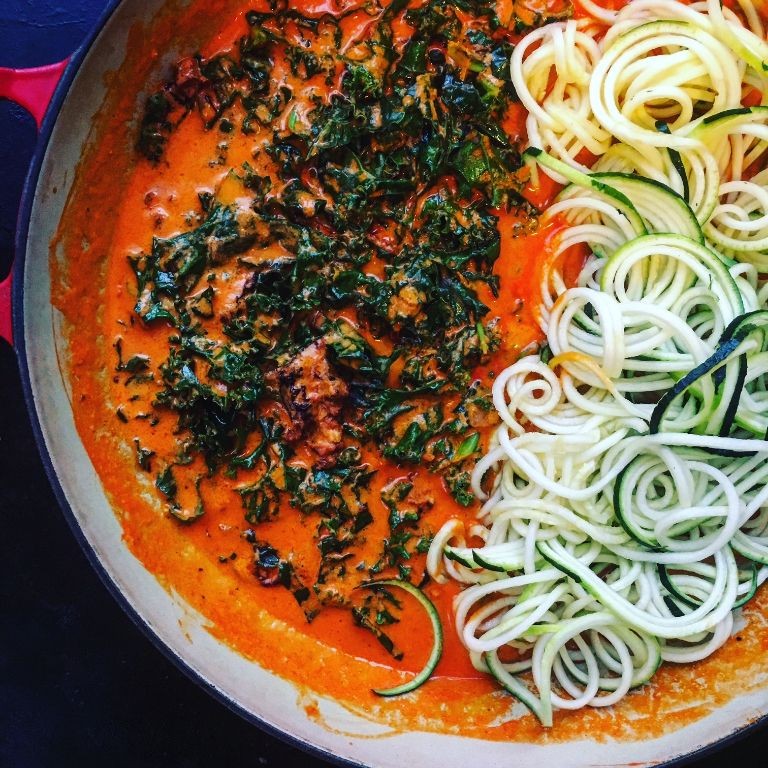
Keeping weeknight dinners exciting doesn’t require complicated techniques—this roasted red pepper and goat cheese sauce transforms simple ingredients into something spectacular with minimal effort. Let’s walk through creating this vibrant, creamy sauce that will elevate everything from pasta to grilled chicken.
Ingredients
– 2 large red bell peppers, cored and quartered
– 3 tablespoons olive oil (divided)
– 3 cloves garlic, peeled
– 4 ounces goat cheese, crumbled
– 1/4 cup heavy cream
– 1 tablespoon lemon juice
– 1/2 teaspoon salt
– 1/4 teaspoon black pepper
– 1/4 teaspoon smoked paprika (optional for smoky flavor)
Instructions
1. Preheat your oven to 425°F and line a baking sheet with parchment paper.
2. Place the quartered red bell peppers skin-side up on the prepared baking sheet.
3. Drizzle the peppers with 2 tablespoons of olive oil, ensuring all surfaces are coated.
4. Roast the peppers for 20-25 minutes until the skins are charred and blistered.
5. Transfer the hot peppers to a bowl and cover tightly with plastic wrap for 10 minutes—this steam will loosen the skins for easy peeling.
6. Peel the blackened skins from the peppers and discard them.
7. Heat the remaining 1 tablespoon of olive oil in a saucepan over medium heat.
8. Add the garlic cloves and cook for 1-2 minutes until fragrant but not browned.
9. Combine the peeled roasted peppers, sautéed garlic, goat cheese, heavy cream, lemon juice, salt, black pepper, and smoked paprika in a blender.
10. Blend the mixture on high speed for 60-90 seconds until completely smooth and creamy.
11. Pour the blended sauce back into the saucepan and warm over low heat for 3-4 minutes, stirring constantly.
12. Check the sauce consistency—if it’s too thick, add 1-2 tablespoons of water or cream and stir to combine.
The resulting sauce boasts a velvety texture with sweet roasted pepper notes balanced by tangy goat cheese. Try tossing it with zucchini noodles for a low-carb option, or use it as a sophisticated dip for crusty bread at your next gathering.
Lemon Garlic Butter Sauce for Light Pasta Dishes
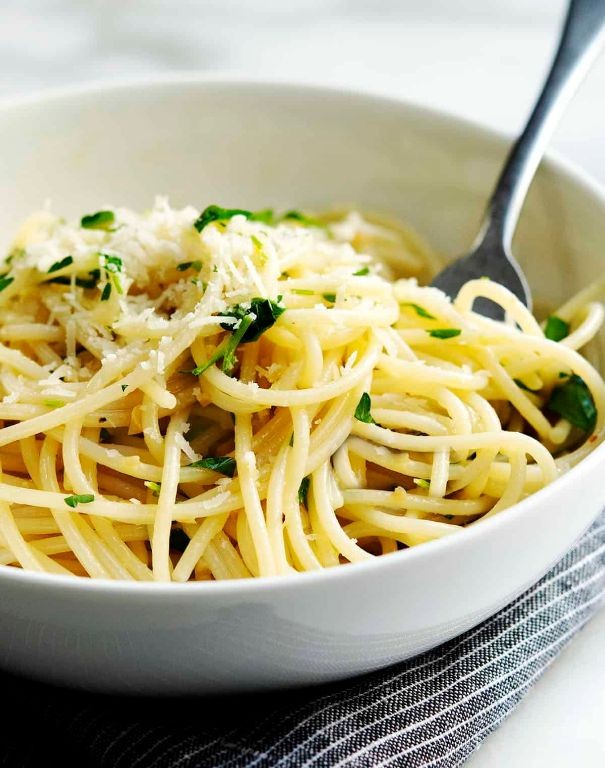
Creating a bright, versatile lemon garlic butter sauce is simpler than you might think, requiring just a few quality ingredients and careful attention to timing. Carefully mince your garlic and zest your lemon before starting, as this sauce comes together quickly once the heat is on. Follow these steps precisely for a perfectly emulsified sauce that clings beautifully to pasta without being greasy.
Ingredients
– 4 tablespoons unsalted butter (cut into ½-inch cubes for even melting)
– 3 cloves garlic (finely minced, about 1 tablespoon)
– 1 lemon (zested first, then juiced to yield 3 tablespoons)
– ¼ cup heavy cream (for stability and richness)
– ½ teaspoon kosher salt (adjust if using salted butter)
– ¼ teaspoon freshly ground black pepper (freshly cracked for best flavor)
– 2 tablespoons fresh parsley (chopped, plus extra for garnish)
Instructions
1. Place a medium saucepan over low heat and add the cubed butter.
2. Melt the butter slowly, swirling the pan occasionally, until fully liquid but not bubbling—this should take about 2 minutes.
3. Add the minced garlic to the melted butter and cook for 1 minute, stirring constantly with a wooden spoon until fragrant but not browned.
4. Pour in the heavy cream and whisk continuously for 30 seconds to combine with the butter-garlic mixture.
5. Increase the heat to medium-low and simmer the sauce for 2 minutes, whisking frequently, until it slightly thickens and coats the back of a spoon.
6. Remove the saucepan from heat and immediately stir in the lemon zest and 3 tablespoons of fresh lemon juice.
7. Season the sauce with ½ teaspoon kosher salt and ¼ teaspoon black pepper, whisking thoroughly to incorporate.
8. Fold in the 2 tablespoons of chopped fresh parsley just before serving to maintain its vibrant color and fresh flavor.
Perfectly balanced between tangy lemon and rich butter, this sauce should coat pasta strands in a velvety, non-greasy layer that highlights the fresh garlic without overpowering it. Try tossing it with angel hair pasta and grilled shrimp, or drizzle over roasted vegetables for a bright finishing touch that elevates simple ingredients.
Four-Cheese Sauce with Mozzarella, Gorgonzola, Ricotta, and Parmesan
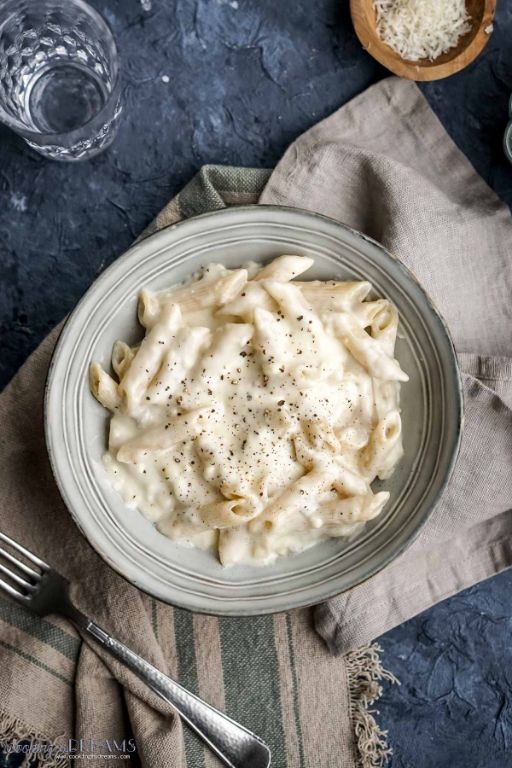
A perfectly balanced four-cheese sauce can transform simple pasta into a restaurant-quality dish that feels both comforting and sophisticated. Achieving that velvety texture and complex flavor profile requires careful attention to temperature and technique, but the process is surprisingly straightforward when broken down into manageable steps. Let’s walk through creating this luxurious sauce that beautifully blends mozzarella’s meltability with gorgonzola’s pungency, ricotta’s creaminess, and parmesan’s salty depth.
Ingredients
– 2 tablespoons unsalted butter (for richer flavor)
– 2 tablespoons all-purpose flour (for proper thickening)
– 2 cups whole milk, at 110°F (warmed to prevent curdling)
– 1/2 teaspoon fine sea salt (adjust to preference)
– 1/4 teaspoon freshly ground black pepper (freshly cracked for best flavor)
– 1 cup shredded low-moisture mozzarella (packed measure)
– 1/2 cup crumbled gorgonzola (mild or sharp variety)
– 1/2 cup whole-milk ricotta (drained if watery)
– 1/4 cup grated parmesan cheese (freshly grated melts better)
Instructions
1. Melt 2 tablespoons unsalted butter in a heavy-bottomed saucepan over medium heat.
2. Whisk in 2 tablespoons all-purpose flour continuously for exactly 2 minutes to cook out the raw flour taste.
3. Gradually pour in 2 cups of 110°F whole milk while whisking constantly to prevent lumps.
4. Cook the mixture while whisking frequently until it thickens enough to coat the back of a spoon, about 5-7 minutes.
5. Remove the saucepan from heat and stir in 1/2 teaspoon fine sea salt and 1/4 teaspoon freshly ground black pepper.
6. Add 1 cup shredded low-moisture mozzarella while stirring in one direction until fully melted and incorporated.
7. Fold in 1/2 cup crumbled gorgonzola using a gentle folding motion to maintain some visible cheese pockets.
8. Whisk in 1/2 cup whole-milk ricotta until the sauce becomes uniformly creamy and smooth.
9. Sprinkle in 1/4 cup grated parmesan cheese while stirring constantly until the sauce reaches a glossy, velvety consistency.
10. Return the saucepan to low heat for 1 minute if needed to achieve your desired pouring thickness, stirring continuously. Expect this four-cheese sauce to showcase a remarkably smooth texture with occasional creamy gorgonzola pockets that burst with flavor. The mozzarella provides excellent stretch while the ricotta creates a lush base that carries the parmesan’s salty sharpness beautifully. Consider tossing it with rigatoni for maximum sauce adherence or using it as an indulgent dip for crusty artisan bread.
Slow-Cooked Sunday Gravy with Meatballs and Sausage
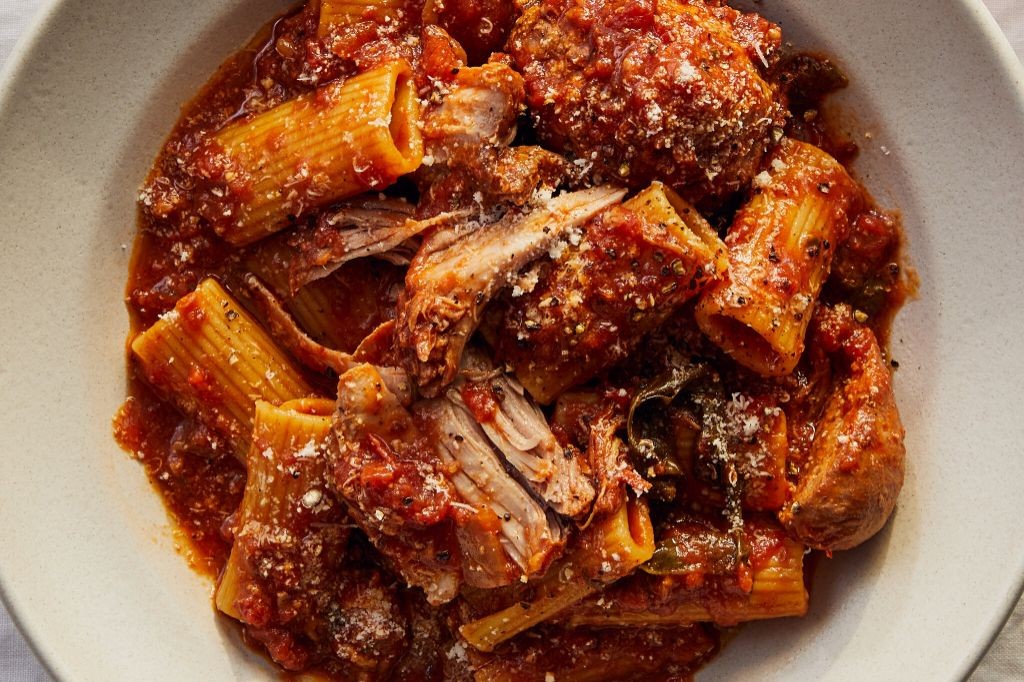
Gathering around the table for a comforting meal is what Sundays are all about, and this slow-cooked gravy brings everyone together with its rich, layered flavors. Following these methodical steps will guide you through creating a deeply satisfying sauce that simmers to perfection while you relax. Let’s build this classic dish from the ground up, ensuring each component contributes to the final masterpiece.
Ingredients
- 1 lb ground beef (80/20 blend for optimal moisture)
- 1/2 cup breadcrumbs (plain, or panko for lighter texture)
- 1/4 cup grated Parmesan cheese (freshly grated melts better)
- 1 large egg (room temperature binds more effectively)
- 2 tbsp olive oil (or any neutral high-heat oil)
- 1 lb Italian sausage links (sweet or hot, based on preference)
- 1 medium yellow onion (diced evenly for uniform cooking)
- 4 cloves garlic (minced finely to distribute flavor)
- 2 (28 oz) cans crushed tomatoes (San Marzano for sweetness)
- 1/4 cup fresh basil (chopped, or 1 tbsp dried if substituting)
- 1 tsp salt (adjust later after reducing)
- 1/2 tsp black pepper (freshly cracked for brighter notes)
Instructions
- Combine 1 lb ground beef, 1/2 cup breadcrumbs, 1/4 cup grated Parmesan, 1 large egg, and 1/2 tsp black pepper in a large bowl.
- Mix ingredients by hand just until incorporated to avoid tough meatballs.
- Shape mixture into 1.5-inch meatballs, placing them on a parchment-lined tray.
- Heat 2 tbsp olive oil in a large Dutch oven over medium-high heat until shimmering.
- Brown meatballs in batches for 2-3 minutes per side until golden, transferring to a plate.
- Add 1 lb Italian sausage links to the pot, browning for 4-5 minutes total, then remove.
- Sauté 1 medium diced yellow onion in the remaining fat for 5-7 minutes until translucent.
- Add 4 cloves minced garlic, cooking for 1 minute until fragrant but not browned.
- Pour in 2 (28 oz) cans crushed tomatoes, using a wooden spoon to scrape up browned bits from the pot bottom.
- Stir in 1 tsp salt and return all meatballs and sausage to the pot, submerging them in sauce.
- Bring sauce to a gentle bubble, then reduce heat to low and cover partially.
- Simmer for 3 hours, stirring every 30 minutes to prevent sticking on the bottom.
- Stir in 1/4 cup fresh basil during the last 10 minutes of cooking.
- Test meatball internal temperature with an instant-read thermometer; it should register 165°F.
- Adjust salt if needed after tasting a cooled spoonful of sauce.
The gravy will thicken to a velvety consistency that clings to pasta, while the meatballs become tender enough to cut with a spoon. Serve it over rigatoni to catch the chunky sauce, or ladle it into hollowed-out bread bowls for a messy, delightful meal that honors tradition.
Puttanesca Sauce with Olives, Capers, and Anchovies
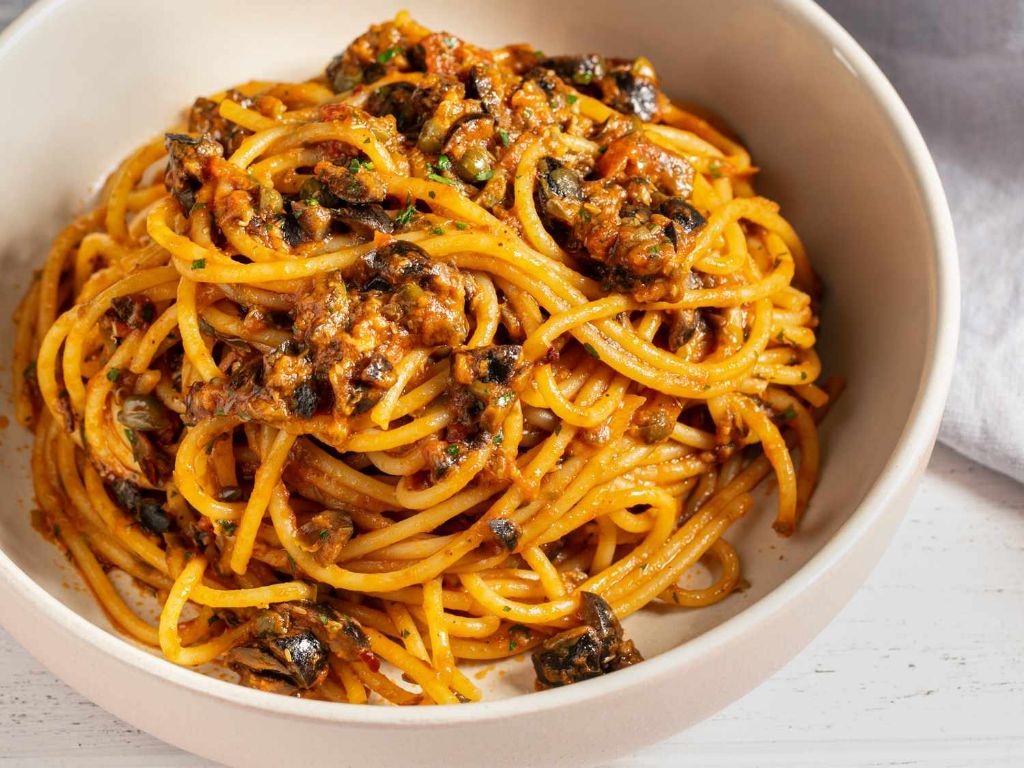
Perfect for busy weeknights, this bold puttanesca sauce comes together quickly with pantry staples. Puttanesca sauce delivers a briny, savory punch from olives, capers, and anchovies that clings beautifully to pasta.
Ingredients
- 3 tbsp extra-virgin olive oil (or any neutral oil)
- 4 anchovy fillets, rinsed if salt-packed
- 4 garlic cloves, thinly sliced
- 1/4 tsp red pepper flakes (adjust to taste)
- 1 (28 oz) can crushed tomatoes
- 1/2 cup pitted Kalamata olives, roughly chopped
- 2 tbsp capers, drained
- 1/4 cup fresh parsley, chopped
- 12 oz dried spaghetti
Instructions
- Bring a large pot of salted water to a rolling boil over high heat for cooking the spaghetti later.
- Heat 3 tbsp olive oil in a large skillet over medium heat until shimmering, about 1 minute.
- Add 4 anchovy fillets and cook, mashing with a spoon until they dissolve into the oil, about 2 minutes.
- Stir in 4 sliced garlic cloves and 1/4 tsp red pepper flakes; cook until fragrant but not browned, 30–45 seconds.
- Pour in the 28 oz can of crushed tomatoes, stirring to combine with the aromatics.
- Simmer the sauce uncovered, stirring occasionally, until slightly thickened, 10–12 minutes.
- While the sauce simmers, add 12 oz spaghetti to the boiling water and cook until al dente according to package directions.
- Stir 1/2 cup chopped olives and 2 tbsp capers into the sauce; cook 2 more minutes to warm through.
- Reserve 1/2 cup pasta water before draining the spaghetti.
- Toss the drained spaghetti with the sauce, adding reserved pasta water 1 tbsp at a time if needed to loosen.
- Fold in 1/4 cup chopped parsley just before serving.
Unbelievably robust, this sauce coats each strand with salty olives, briny capers, and umami depth from anchovies. Serve it over spaghetti for a classic presentation, or try spooning it over grilled fish to elevate a simple fillet.
Creamy Vodka Sauce with Tomato and Heavy Cream
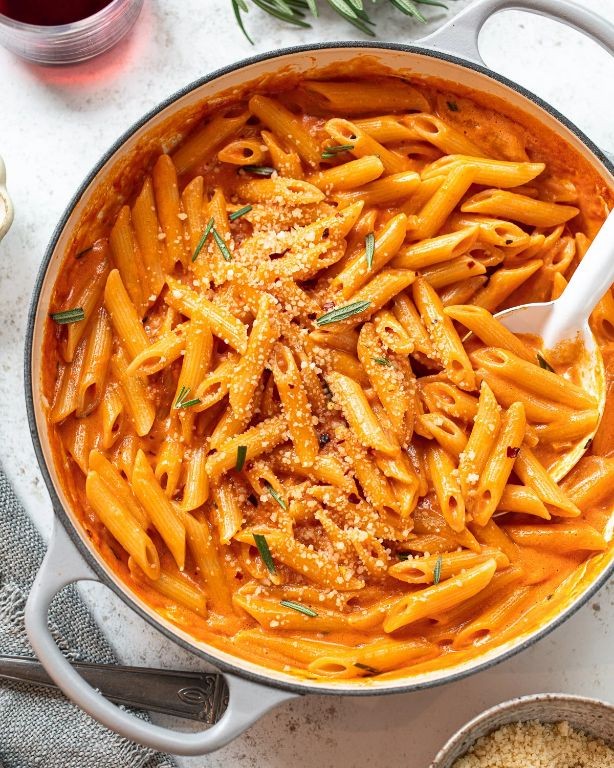
Getting a perfectly balanced, restaurant-quality pasta sauce at home is easier than you might think. This creamy vodka sauce combines the bright acidity of tomatoes with the smooth richness of heavy cream, creating a velvety texture that clings beautifully to pasta. Follow these methodical steps to achieve consistent, delicious results every time you make it.
Ingredients
– 2 tablespoons olive oil (or any neutral oil)
– 3 cloves garlic, minced
– 1/4 teaspoon red pepper flakes (adjust for desired heat level)
– 1/2 cup vodka
– 1 (28-ounce) can crushed tomatoes
– 1 cup heavy cream
– 1/2 cup grated Parmesan cheese
– 1 teaspoon salt
– 1/4 teaspoon black pepper
– 1/4 cup fresh basil, chopped
Instructions
1. Heat 2 tablespoons olive oil in a large skillet over medium heat until shimmering.
2. Add 3 minced garlic cloves and 1/4 teaspoon red pepper flakes, stirring constantly for 45 seconds until fragrant but not browned.
3. Pour in 1/2 cup vodka carefully, standing back as it may sizzle, and cook while stirring for 2 minutes until reduced by half.
4. Tip: The alcohol cooks off, leaving behind a subtle sharpness that balances the sauce’s richness.
5. Add the 28-ounce can of crushed tomatoes, 1 teaspoon salt, and 1/4 teaspoon black pepper, stirring to combine thoroughly.
6. Simmer the sauce uncovered for 15 minutes, stirring occasionally, until slightly thickened.
7. Reduce heat to low and slowly pour in 1 cup heavy cream while stirring continuously.
8. Tip: Adding cream off the heat prevents curdling; return to low heat only after fully incorporated.
9. Stir in 1/2 cup grated Parmesan cheese until completely melted and the sauce is smooth.
10. Cook for 3 more minutes on low heat, stirring constantly, until the sauce coats the back of a spoon.
11. Tip: For optimal flavor, let the sauce rest off heat for 5 minutes before adding the final ingredient.
12. Stir in 1/4 cup chopped fresh basil just before serving.
Buttery smooth with a velvety texture, this sauce clings to every strand of pasta while delivering a harmonious blend of tangy tomato and rich cream. The subtle kick from red pepper flakes and fresh basil brightens each bite, making it perfect for tossing with rigatoni or serving over grilled chicken for a heartier meal.
Herbed Brown Butter Sage Sauce for Gnocchi
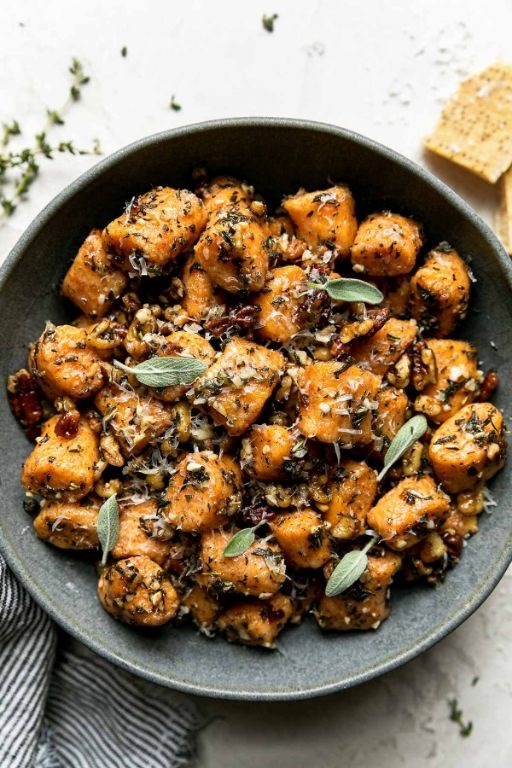
Ready to elevate your gnocchi from simple to spectacular? This herbed brown butter sage sauce transforms pillowy potato dumplings into a restaurant-worthy dish with minimal effort. Let’s walk through each step together to create a sauce that’s nutty, aromatic, and perfectly balanced.
Ingredients
– 1/2 cup unsalted butter (cut into 1-inch cubes for even melting)
– 1/4 cup fresh sage leaves (whole leaves for crispy garnish)
– 1 lb potato gnocchi (fresh or frozen both work)
– 1/4 cup grated Parmesan cheese (freshly grated melts better)
– 1/4 tsp black pepper (freshly cracked for best flavor)
– 1/4 tsp salt (adjust based on Parmesan saltiness)
Instructions
1. Place butter cubes in a light-colored skillet over medium heat.
2. Melt butter completely, swirling pan occasionally for even heating.
3. Continue cooking butter for 3-4 minutes until it turns amber-colored and smells nutty.
4. Immediately add sage leaves to the browned butter.
5. Fry sage for 30-45 seconds until crispy but not burned.
6. Use a slotted spoon to transfer crispy sage to a paper towel-lined plate.
7. Bring a large pot of salted water to a rolling boil.
8. Add gnocchi to boiling water and cook according to package directions, typically 2-3 minutes.
9. Drain gnocchi thoroughly, reserving 1/4 cup pasta water.
10. Reduce skillet heat to low and add drained gnocchi to the brown butter.
11. Toss gnocchi gently to coat evenly with the sauce.
12. Sprinkle Parmesan cheese over the gnocchi while tossing continuously.
13. Add reserved pasta water 1 tablespoon at a time until sauce reaches desired consistency.
14. Season with salt and black pepper, tossing to distribute evenly.
15. Divide gnocchi among serving plates and top with crispy sage leaves.
Perfectly coated gnocchi glisten with nutty brown butter that clings to every curve. The crispy sage provides earthy fragrance and textural contrast against the tender dumplings. For a creative twist, serve alongside roasted chicken or fold in wilted spinach for a complete meal.
Roasted Garlic and White Bean Sauce for Healthy Pasta
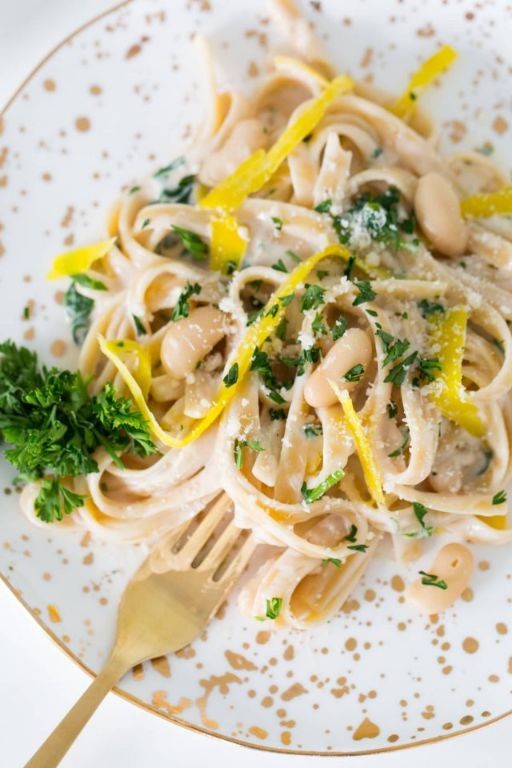
Unleash the creamy, comforting power of plant-based pasta sauce with this simple roasted garlic and white bean recipe. Using just a handful of pantry staples, you’ll create a velvety sauce that’s both nutritious and deeply satisfying. Follow these methodical steps to build flavor from the ground up, perfect for weeknight dinners or impressing guests.
Ingredients
- 1 whole head of garlic (roasting transforms its sharp bite into sweet, mellow flavor)
- 2 tablespoons olive oil (or any neutral oil, plus extra for drizzling)
- 1 (15-ounce) can cannellini beans, drained and rinsed (for creamier texture)
- 1/2 cup vegetable broth (low-sodium preferred to control saltiness)
- 1 tablespoon lemon juice (freshly squeezed for brightest flavor)
- 1/2 teaspoon salt (fine sea salt dissolves most evenly)
- 1/4 teaspoon black pepper (freshly cracked adds aromatic warmth)
- 12 ounces dried pasta (such as linguine or fettuccine)
- 2 tablespoons chopped fresh parsley (flat-leaf holds up better when heated)
Instructions
- Preheat your oven to 400°F and line a small baking sheet with parchment paper.
- Slice the top 1/4 inch off the garlic head to expose the cloves, keeping the base intact.
- Place the garlic cut-side up on the baking sheet and drizzle with 1 tablespoon olive oil.
- Roast for 40 minutes until the cloves are golden brown and soft when pressed.
- Meanwhile, bring a large pot of salted water to a rolling boil for the pasta.
- Add the pasta to the boiling water and cook according to package directions until al dente.
- Squeeze the roasted garlic cloves from their skins into a blender or food processor.
- Add the cannellini beans, remaining 1 tablespoon olive oil, vegetable broth, lemon juice, salt, and pepper to the blender.
- Blend on high speed for 60-90 seconds until completely smooth and creamy.
- Drain the cooked pasta, reserving 1/2 cup of pasta water for adjusting sauce consistency.
- Return the drained pasta to the warm pot and pour the white bean sauce over it.
- Toss the pasta with the sauce for 1-2 minutes over low heat, adding reserved pasta water 1 tablespoon at a time if the sauce seems too thick.
- Stir in the chopped parsley just before serving to maintain its fresh color and flavor.
Buttery-soft roasted garlic melds with the creamy white beans to create a sauce that clings beautifully to every noodle. The subtle tang from fresh lemon juice cuts through the richness, while the parsley adds a pop of freshness. Try serving it topped with toasted breadcrumbs for crunch or alongside roasted vegetables for a complete meal.
Caramelized Onion and Gorgonzola Cream Sauce
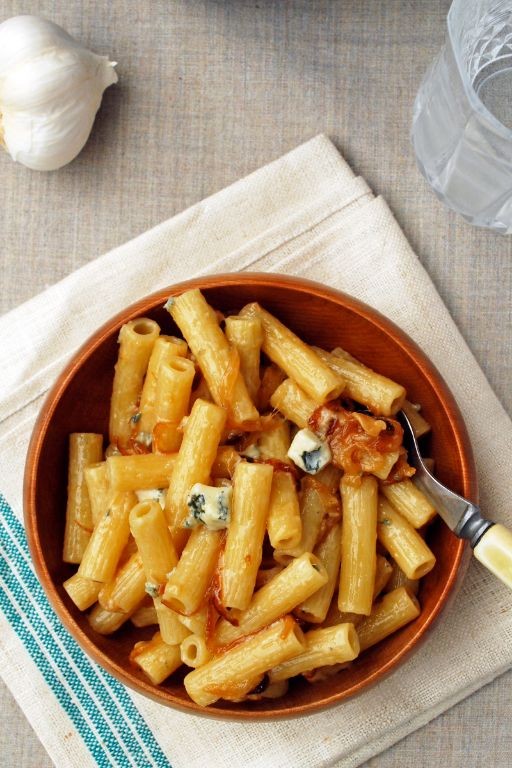
Gently caramelizing onions transforms their sharp bite into sweet, complex flavor that forms the foundation of this luxurious sauce. This methodical approach ensures even cooking and prevents burning, making it accessible for beginners. Follow each step precisely to achieve that perfect balance of sweet onions and tangy cheese in a velvety cream base.
Ingredients
- 2 large yellow onions, thinly sliced (about 4 cups)
- 2 tablespoons unsalted butter (or olive oil for dairy-free)
- 1 tablespoon olive oil
- 1 cup heavy cream
- 4 ounces Gorgonzola cheese, crumbled (about ¾ cup)
- ¼ teaspoon salt
- ⅛ teaspoon black pepper
- 1 tablespoon fresh thyme leaves (or 1 teaspoon dried)
Instructions
- Heat butter and olive oil in a large skillet over medium-low heat until butter melts completely, about 1 minute.
- Add sliced onions and stir to coat evenly with the fat mixture.
- Cook onions, stirring every 3-4 minutes, for 25-30 minutes until they turn deep golden brown and reduce significantly in volume.
- Pour heavy cream into the caramelized onions and increase heat to medium.
- Bring cream to a gentle simmer, stirring constantly, about 2-3 minutes until small bubbles form around the edges.
- Reduce heat to low and add crumbled Gorgonzola cheese, stirring continuously until completely melted and smooth.
- Season with salt, black pepper, and fresh thyme leaves, stirring to incorporate evenly.
- Continue cooking on low heat for 2-3 minutes until sauce thickens enough to coat the back of a spoon.
- Remove from heat and let stand for 1 minute before serving to allow flavors to meld.
Allowing the sauce to rest briefly before serving enhances the melding of flavors, creating a velvety texture that clings beautifully to pasta. The caramelized onions provide subtle sweetness that balances the Gorgonzola’s sharp tang perfectly. Try it over grilled steak or as an unexpected dip for crusty bread to experience its versatile richness.