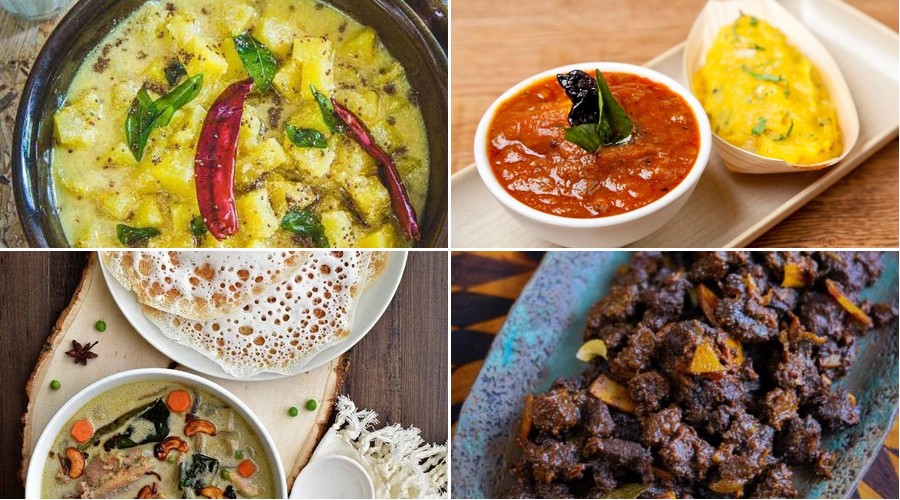
Let’s spice things up with the vibrant, aromatic flavors of Kerala! If you’re craving bold, authentic South Indian cuisine that’s perfect for adventurous home cooks, you’ve come to the right place. From fiery curries to zesty seafood dishes, these recipes bring the warmth and richness of Kerala straight to your kitchen. Get ready to explore 20 mouthwatering dishes that will transform your meals into unforgettable culinary experiences.
Kerala Fish Curry with Coconut Milk
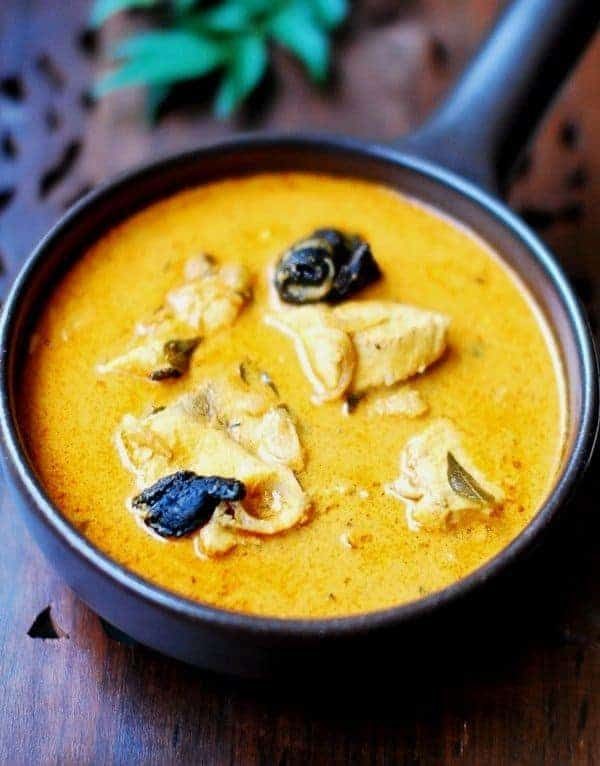
Kerala fish curry with coconut milk feels like a gentle whisper from coastal kitchens, where the rhythm of waves meets the warmth of spice. Kindling memories of sun-drenched shores, this dish unfolds with layers of coconut creaminess and tangy tamarind, each spoonful a quiet comfort. Keeping it simple lets the ingredients speak, much like a slow afternoon spent watching clouds drift by.
Ingredients
– 1.5 pounds firm white fish fillets, cut into 2-inch chunks
– 1 cup thick coconut milk, creamy and rich
– 2 tablespoons coconut oil, fragrant and unrefined
– 1 large yellow onion, thinly sliced into half-moons
– 3 cloves garlic, minced finely
– 1-inch piece fresh ginger, grated to a pulp
– 2 teaspoons Kashmiri red chili powder, vibrant and mild
– 1 teaspoon turmeric powder, earthy and golden
– 1 tablespoon tamarind paste, tangy and concentrated
– 1 teaspoon black mustard seeds, tiny and pungent
– 10 fresh curry leaves, aromatic and green
– 1 cup water, filtered and cool
– 1 teaspoon fine sea salt, to season
Instructions
1. Heat 2 tablespoons of fragrant coconut oil in a heavy-bottomed pot over medium heat until it shimmers, about 2 minutes.
2. Add 1 teaspoon of tiny, pungent black mustard seeds and cook until they pop and dance in the oil, roughly 30 seconds.
3. Stir in 1 large yellow onion, thinly sliced into half-moons, and sauté until translucent and soft, about 5–7 minutes.
4. Mix in 3 cloves of finely minced garlic and 1-inch of grated fresh ginger pulp, cooking until fragrant, 1 minute more.
5. Sprinkle in 2 teaspoons of vibrant Kashmiri red chili powder and 1 teaspoon of earthy turmeric powder, stirring to coat the onions evenly for 30 seconds.
6. Pour in 1 cup of filtered water and 1 tablespoon of tangy tamarind paste, scraping the bottom to lift any browned bits.
7. Drop in 10 aromatic fresh curry leaves and 1 teaspoon of fine sea salt, then simmer uncovered for 8 minutes until the sauce thickens slightly.
8. Gently place 1.5 pounds of firm white fish chunks into the pot, nestling them into the sauce without stirring to keep them intact.
9. Tip: Let the fish poach undisturbed for 6–8 minutes, until the edges turn opaque and flake easily with a fork.
10. Slowly pour in 1 cup of rich, creamy coconut milk, swirling the pot to incorporate without breaking the fish.
11. Tip: Heat on low for 3–4 minutes until warmed through—avoid boiling to prevent the coconut milk from curdling.
12. Tip: Taste and adjust salt if needed, remembering the fish will absorb seasoning as it rests.
13. Turn off the heat and let the curry sit for 5 minutes to allow flavors to meld.
What emerges is a curry that cradles tender fish in a velvety, golden broth, with the coconut milk softening the chili’s warmth and tamarind adding a bright, lingering tang. Wrapping steamed rice or crusty bread in this sauce feels like a hug from within, each bite revealing the quiet magic of slow-cooked simplicity.
Malabar Chicken Biryani
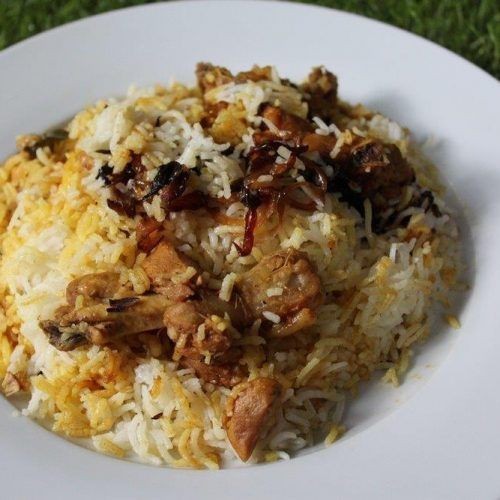
Now, as the afternoon light filters through my kitchen window, I find myself thinking about the layered stories that food can tell, especially this Malabar Chicken Biryani that has become such a comforting ritual in my home. There’s something deeply meditative about preparing each component with care, watching the spices bloom and the rice absorb all those beautiful flavors, creating a dish that feels like a warm embrace after a long day.
Ingredients
– 2 cups fragrant basmati rice
– 1.5 pounds bone-in chicken thighs
– 1 large yellow onion, thinly sliced
– 4 cloves fresh garlic, minced
– 1-inch piece of ginger root, grated
– 2 ripe tomatoes, chopped
– 1/2 cup plain whole milk yogurt
– 3 tablespoons ghee
– 2 tablespoons sunflower oil
– 2 bay leaves
– 4 green cardamom pods
– 1 cinnamon stick
– 4 cloves
– 1 teaspoon cumin seeds
– 1/2 teaspoon turmeric powder
– 1 teaspoon red chili powder
– 1 teaspoon garam masala
– 1/4 cup fresh mint leaves
– 1/4 cup fresh cilantro
– 1 pinch saffron threads
– 2 tablespoons warm whole milk
– 4 cups water
– 1 teaspoon salt
Instructions
1. Rinse 2 cups of fragrant basmati rice under cold running water until the water runs clear, then soak it in cold water for exactly 30 minutes to ensure perfectly separated grains after cooking.
2. Heat 3 tablespoons of ghee and 2 tablespoons of sunflower oil in a heavy-bottomed pot over medium heat until the ghee melts completely.
3. Add 2 bay leaves, 4 green cardamom pods, 1 cinnamon stick, 4 cloves, and 1 teaspoon of cumin seeds to the hot oil, frying them for 45 seconds until they become fragrant and the cumin seeds begin to crackle.
4. Add 1 large thinly sliced yellow onion and cook for 12-15 minutes, stirring occasionally, until the onions turn deep golden brown and caramelized.
5. Stir in 4 cloves of minced fresh garlic and 1-inch of grated ginger root, cooking for exactly 1 minute until the raw aroma disappears.
6. Add 1.5 pounds of bone-in chicken thighs to the pot, searing them for 4-5 minutes until they develop a light golden crust on all sides.
7. Mix in 2 chopped ripe tomatoes, 1/2 teaspoon of turmeric powder, 1 teaspoon of red chili powder, and 1 teaspoon of salt, cooking for 6-8 minutes until the tomatoes break down and the oil separates from the masala.
8. Stir in 1/2 cup of plain whole milk yogurt, 1/4 cup of fresh mint leaves, and 1/4 cup of fresh cilantro, cooking for 3-4 minutes until well incorporated.
9. Drain the soaked basmati rice completely and layer it evenly over the chicken mixture in the pot.
10. Pour 4 cups of water over the rice, bringing it to a gentle boil over medium-high heat.
11. Reduce the heat to low, cover the pot tightly with a lid, and cook for 18-20 minutes until the rice is fully cooked and has absorbed all the liquid.
12. While the biryani cooks, soak 1 pinch of saffron threads in 2 tablespoons of warm whole milk for 10 minutes to release their color and aroma.
13. After the cooking time, drizzle the saffron-infused milk over the biryani and sprinkle 1 teaspoon of garam masala evenly across the top.
14. Cover the pot again and let it rest off the heat for 10 minutes to allow the flavors to meld together.
15. Gently fluff the biryani with a fork, being careful not to break the rice grains.
Remember how the tender chicken falls away from the bone while the rice maintains its individual integrity, each grain infused with the warmth of spices and the subtle floral notes of saffron. This biryani becomes even more magical when served with a simple cucumber raita, the cool yogurt providing the perfect contrast to the complex, layered flavors that unfold with every bite.
Appam with Stew
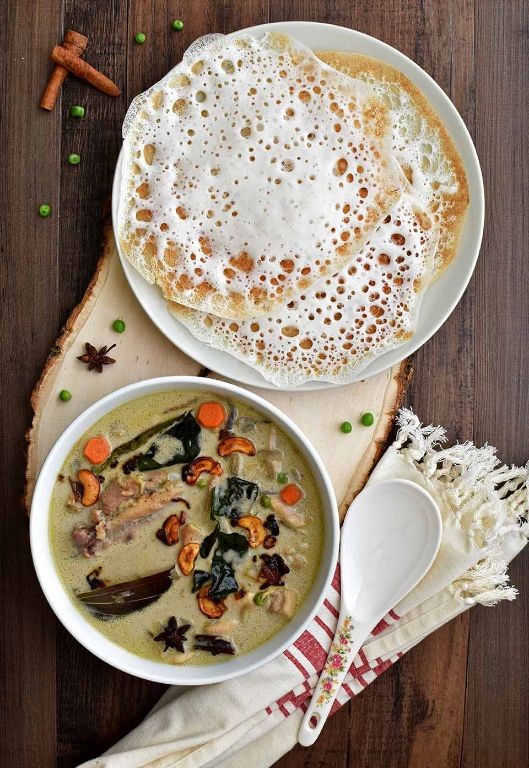
Lately, I’ve found myself drawn back to the quiet comfort of appam with stew, that delicate rice bowl cradling a gentle coconut curry, like a soft whisper on a rainy afternoon.
Ingredients
– 2 cups raw basmati rice, soaked overnight until plump and fragrant
– 1/2 cup cooked rice, cooled to room temperature
– 1 1/2 cups coconut water, fresh and slightly sweet
– 1 teaspoon active dry yeast, bloomed and foamy
– 1 teaspoon granulated sugar, fine and crystalline
– 1/4 teaspoon baking soda, for delicate lift
– 2 tablespoons coconut oil, virgin and aromatic
– 1 pound boneless chicken thighs, cut into tender bite-sized pieces
– 1 large yellow onion, thinly sliced into translucent half-moons
– 2 medium carrots, peeled and chopped into rustic coins
– 2 medium potatoes, cubed and starchy
– 4 cups coconut milk, rich and creamy
– 2 teaspoons fresh ginger paste, warm and pungent
– 2 teaspoons fresh garlic paste, aromatic and sharp
– 2 green cardamom pods, lightly crushed to release their floral notes
– 1 cinnamon stick, about 2 inches long
– 3 cloves, whole and fragrant
– 2 fresh green chilies, slit lengthwise for subtle heat
– 1/4 cup fresh cilantro leaves, finely chopped for bright freshness
– 1 tablespoon coconut oil for sautéing, warm and golden
– 1 teaspoon salt, fine and evenly dispersing
Instructions
1. Drain the soaked basmati rice completely and transfer to a blender.
2. Add the cooked rice, coconut water, and bloomed yeast mixture to the blender.
3. Blend on high speed for 3 minutes until the batter is completely smooth and frothy.
4. Transfer the batter to a large bowl, cover with a clean kitchen towel, and let ferment in a warm place for 8 hours until doubled in volume and slightly tangy.
5. Stir the baking soda into the fermented batter and let rest for 15 minutes to activate.
6. Heat a well-seasoned appam pan or small nonstick skillet over medium heat for 2 minutes until evenly hot.
7. Lightly grease the pan with 1 teaspoon coconut oil using a paper towel.
8. Pour 1/4 cup batter into the center of the pan and immediately swirl to create a thin lace-edged crepe with a thicker center.
9. Cover and cook for 2 minutes until the edges are golden and crisp while the center remains soft and spongy.
10. Tip: Don’t peek while cooking—the steam is essential for that characteristic soft center.
11. Carefully remove the appam and repeat with remaining batter, keeping cooked appams warm under a clean towel.
12. Heat 1 tablespoon coconut oil in a heavy-bottomed pot over medium heat for 1 minute until shimmering.
13. Add the cardamom, cinnamon, and cloves and toast for 30 seconds until fragrant.
14. Add the sliced onions and sauté for 4 minutes until translucent and lightly golden.
15. Stir in the ginger and garlic paste and cook for 1 minute until the raw aroma disappears.
16. Add the chicken pieces and cook for 3 minutes until they turn opaque white on all sides.
17. Tip: Don’t overcrowd the pot—this ensures proper browning and flavor development.
18. Add the carrots and potatoes and stir to coat with the spices for 1 minute.
19. Pour in the coconut milk and add the slit green chilies and salt.
20. Bring to a gentle simmer, then reduce heat to low, cover, and cook for 25 minutes until the chicken is tender and vegetables are cooked through.
21. Tip: Never boil coconut milk vigorously—it can separate and become oily.
22. Stir in the fresh cilantro and remove from heat.
23. Just before serving, the stew’s creamy coconut broth should coat the back of a spoon, while the appam’s crisp lace edges give way to that cloud-soft center—perfect for dipping or tearing to scoop up the fragrant curry.
Kerala Prawn Roast
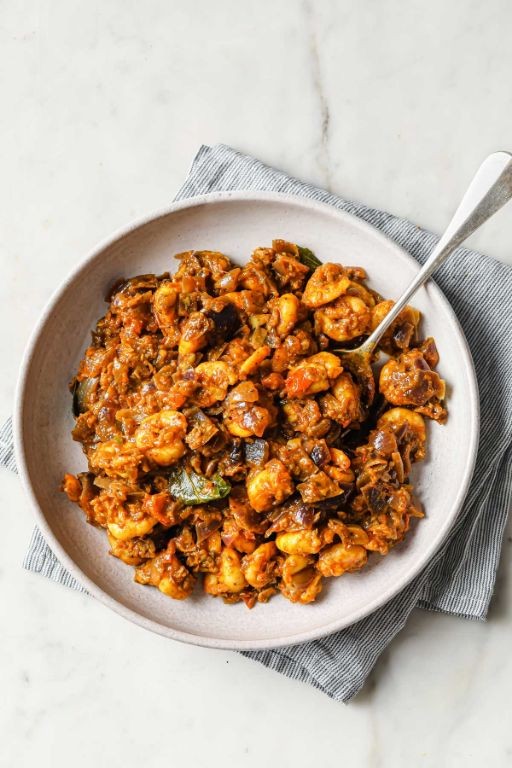
Floating back through the kitchen memories, I find myself returning to the warm, spice-scented evenings when this dish first found its way to my table—a slow, comforting dance of ocean and earth that always feels like coming home.
Ingredients
- 1 pound fresh wild-caught prawns, peeled and deveined
- 2 tablespoons rich coconut oil
- 1 large yellow onion, thinly sliced into half-moons
- 4 cloves aromatic garlic, minced
- 1-inch piece of fresh ginger, finely grated
- 2 ripe medium tomatoes, chopped into small pieces
- 1 teaspoon earthy turmeric powder
- 2 teaspoons vibrant Kashmiri red chili powder
- 1 tablespoon freshly ground coriander powder
- 1/2 teaspoon fragrant black mustard seeds
- 10-12 fresh curry leaves, lightly crushed
- 1/2 cup thick coconut milk
- 1/2 teaspoon coarse sea salt
- 2 tablespoons freshly chopped cilantro
- 1 fresh green chili, slit lengthwise
Instructions
- Pat the fresh wild-caught prawns completely dry with paper towels and set aside.
- Heat the rich coconut oil in a heavy-bottomed skillet over medium heat until it shimmers, about 2 minutes.
- Add the fragrant black mustard seeds and cook until they begin to pop and dance in the oil, about 30 seconds.
- Add the thinly sliced yellow onion and sauté until translucent and lightly golden at the edges, 6-8 minutes, stirring occasionally.
- Stir in the minced aromatic garlic and finely grated ginger, cooking until the raw aroma disappears, about 1 minute.
- Add the chopped ripe tomatoes and cook until they break down into a thick pulp, 5-7 minutes.
- Sprinkle in the earthy turmeric powder, vibrant Kashmiri red chili powder, and freshly ground coriander powder, toasting the spices for 30 seconds until fragrant.
- Pour in the thick coconut milk and add the coarse sea salt, stirring to create a smooth, simmering gravy.
- Gently fold in the patted-dry prawns and the slit fresh green chili, ensuring each prawn is coated in the spice mixture.
- Cook uncovered for 4-5 minutes, until the prawns turn opaque and curl slightly, being careful not to overcook them.
- Turn off the heat and stir in the freshly chopped cilantro and lightly crushed fresh curry leaves.
- Let the dish rest for 2 minutes off the heat to allow the flavors to meld together.
Last night, I watched the ruby-red gravy cling to each tender prawn, the crispy edges of onion providing little bursts of sweetness against the heat. Served over steaming jasmine rice or with warm, flaky parathas, it’s the kind of meal that makes you pause, spoon mid-air, just to breathe in the scent a moment longer.
Avial Mixed Vegetable Curry
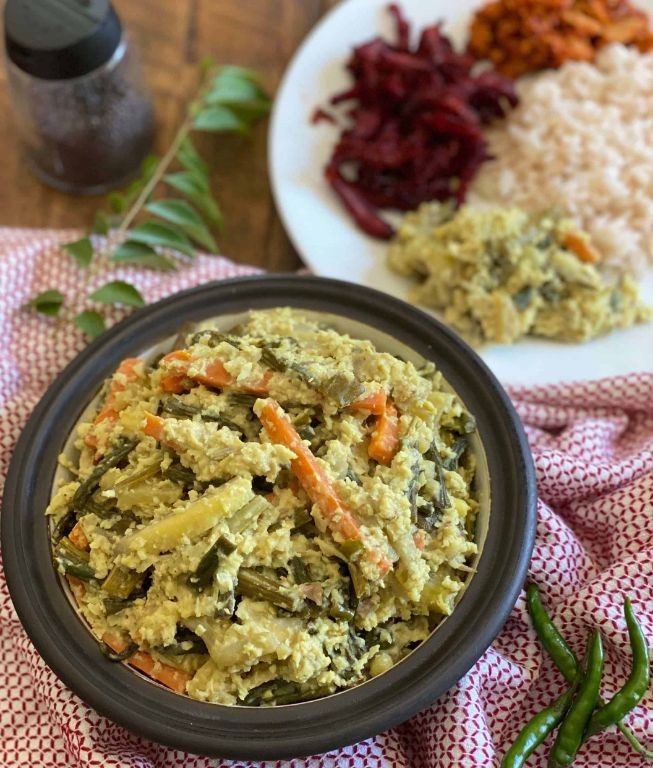
Perhaps some dishes find us exactly when we need them—this gently spiced medley of vegetables simmered in coconut and yogurt feels like a quiet conversation with the seasons. It’s a comforting, almost meditative stew that invites you to slow down and savor each tender, creamy bite.
Ingredients
- 2 cups mixed fresh vegetables (crisp green beans, sweet carrots, and firm potatoes), chopped into 1-inch pieces
- 1 cup thick, creamy plain yogurt
- 1/2 cup rich coconut milk
- 2 tablespoons fragrant coconut oil
- 1 teaspoon earthy turmeric powder
- 1/2 teaspoon toasted cumin seeds
- 4 fresh curry leaves
- 2 finely minced garlic cloves
- 1 teaspoon freshly grated ginger
- 1 finely chopped green chili
- 1/4 cup fresh cilantro leaves
- 1 teaspoon coarse sea salt
Instructions
- Heat 2 tablespoons of fragrant coconut oil in a heavy-bottomed pot over medium heat until it shimmers.
- Add 1/2 teaspoon of toasted cumin seeds and 4 fresh curry leaves, and sauté for 30 seconds until the seeds pop and release their aroma.
- Stir in 2 finely minced garlic cloves, 1 teaspoon of freshly grated ginger, and 1 finely chopped green chili, and cook for 1 minute until fragrant but not browned.
- Tip: Toasting whole spices first deepens their flavor—listen for the gentle crackle as a sign they’re ready.
- Add 2 cups of mixed fresh vegetables (crisp green beans, sweet carrots, and firm potatoes) and 1 teaspoon of earthy turmeric powder, and toss to coat evenly.
- Pour in 1/2 cup of water, cover the pot, and simmer for 12–15 minutes until the vegetables are fork-tender but still hold their shape.
- Tip: Resist stirring too often to prevent the vegetables from breaking down—a gentle shake of the pot distributes heat evenly.
- Reduce the heat to low and stir in 1 cup of thick, creamy plain yogurt and 1/2 cup of rich coconut milk until fully incorporated.
- Add 1 teaspoon of coarse sea salt, and simmer uncovered for 5 minutes, stirring occasionally, until the curry thickens slightly.
- Tip: Adding yogurt off the heat prevents curdling—let it come to room temperature first for a smoother blend.
- Fold in 1/4 cup of fresh cilantro leaves just before removing from the heat.
This curry settles into a velvety, comforting texture where the vegetables remain distinct yet meld softly with the coconut-yogurt base. The gentle warmth of turmeric and cumin lingers without overwhelming, making it perfect spooned over steamed jasmine rice or scooped up with warm, flaky roti on a quiet evening.
Kerala Beef Fry
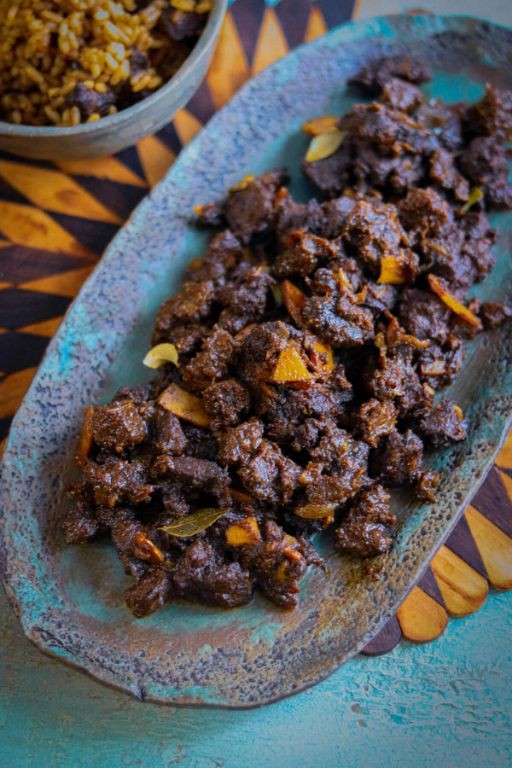
Just thinking about the way spices bloom in hot oil, how they transform humble ingredients into something extraordinary—this Kerala beef fry feels like a slow, deliberate meditation in my kitchen today.
Ingredients
– 1.5 pounds well-marbled beef chuck, cut into 1-inch cubes
– 3 tablespoons rich coconut oil
– 2 large yellow onions, thinly sliced into half-moons
– 8 fresh curry leaves, fragrant and citrusy
– 4 cloves garlic, finely minced
– 1-inch piece fresh ginger, grated
– 2 teaspoons Kashmiri red chili powder, vibrant and mild
– 1 teaspoon earthy turmeric powder
– 1 tablespoon coriander powder, freshly ground
– 1/2 teaspoon freshly cracked black pepper
– 1/2 cup thick coconut slices, toasted
– 2 tablespoons fresh cilantro leaves, roughly chopped
– 1 teaspoon coarse sea salt
Instructions
1. Pat the beef cubes completely dry with paper towels to ensure proper browning.
2. Heat 2 tablespoons of coconut oil in a heavy-bottomed Dutch oven over medium-high heat until it shimmers.
3. Sear the beef cubes in a single layer for 4 minutes per side until deeply browned, working in batches to avoid steaming.
4. Transfer all seared beef back into the pot, reducing heat to medium-low.
5. Add the sliced onions and cook for 12 minutes, stirring occasionally, until they turn translucent and golden.
6. Stir in the curry leaves, listening for their gentle crackle as they release their citrus aroma.
7. Add the minced garlic and grated ginger, cooking for 90 seconds until fragrant but not browned.
8. Sprinkle in the chili powder, turmeric, coriander, and black pepper, toasting the spices for 45 seconds until aromatic.
9. Pour in 1/2 cup water and add the salt, scraping any browned bits from the bottom of the pot.
10. Cover and simmer on low heat for 45 minutes until the beef becomes fork-tender.
11. Uncover and increase heat to medium, cooking for 8-10 minutes until the liquid reduces to a thick coating sauce.
12. Heat the remaining tablespoon of coconut oil in a separate small skillet over medium heat.
13. Toast the coconut slices for 2-3 minutes, stirring constantly, until golden brown and fragrant.
14. Fold the toasted coconut and fresh cilantro into the beef fry, stirring gently to combine.
Using a wooden spoon to scrape the browned bits from the pot adds incredible depth to the sauce, while toasting the coconut separately prevents it from becoming soggy. The final uncovered cooking step is crucial—it transforms the braising liquid into that signature clinging glaze that makes this dish so memorable. Ultimately, you’ll find the beef becomes meltingly tender while maintaining its structure, each bite carrying the warmth of toasted spices against the subtle sweetness of caramelized onions.
Puttu with Kadala Curry
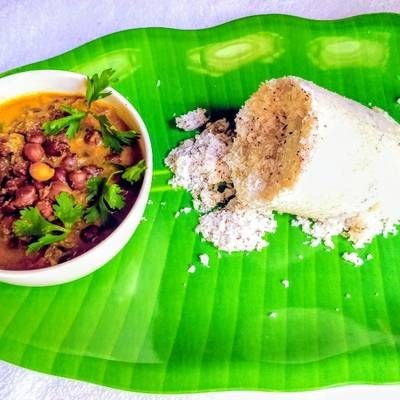
Zestfully remembering my grandmother’s kitchen, where steam would rise from the bamboo puttu maker like morning mist over rice paddies, this traditional Kerala breakfast feels like a warm embrace across continents—a humble yet profound comfort that transforms simple ingredients into soulful nourishment.
Ingredients
- 2 cups coarse rice flour, stone-ground and fragrant
- 1 cup grated coconut, fresh and sweet
- 1 cup black chickpeas, soaked overnight until plump
- 1 large yellow onion, finely diced
- 2 ripe tomatoes, chopped into juicy chunks
- 3 cloves garlic, minced to aromatic perfection
- 1-inch piece ginger, freshly grated
- 2 teaspoons coconut oil, unrefined and golden
- 1 teaspoon mustard seeds, tiny and pungent
- 1 teaspoon turmeric powder, earthy and vibrant
- 1 teaspoon red chili powder, gently fiery
- 4 cups water, filtered and cool
- 1 teaspoon salt, fine and sea-kissed
Instructions
- Place the soaked black chickpeas in a pressure cooker with 4 cups of filtered water and ½ teaspoon fine sea salt, locking the lid securely.
- Cook the chickpeas over medium heat for 4 whistles, then reduce heat to low and simmer for 10 minutes until tender but not mushy.
- While chickpeas cook, mix 2 cups coarse rice flour with ¾ cup water in a bowl, rubbing between palms until it resembles damp sand with no dry patches.
- Layer a puttu maker: first, add 2 tablespoons grated coconut to the base, then half the rice mixture, another 2 tablespoons coconut, and the remaining rice mixture, finishing with a final coconut layer.
- Steam the puttu over boiling water for 8 minutes until a visible steam plume rises from the top, indicating doneness.
- Heat 2 teaspoons unrefined coconut oil in a deep pan over medium heat until it shimmers lightly.
- Add 1 teaspoon pungent mustard seeds, covering the pan briefly as they pop and dance, about 30 seconds.
- Sauté 1 finely diced yellow onion for 5 minutes until translucent and golden-edged, stirring frequently.
- Stir in 3 cloves minced garlic and 1-inch grated ginger, cooking for 2 minutes until fragrant but not browned.
- Add 1 teaspoon earthy turmeric and 1 teaspoon gently fiery red chili powder, toasting for 30 seconds to deepen their flavors.
- Mix in 2 chopped ripe tomatoes, simmering for 4 minutes until they break down into a thick, saucy base.
- Combine the cooked chickpeas (reserving ½ cup liquid) into the pan, simmering uncovered for 8 minutes until the curry thickens slightly.
- Season with remaining ½ teaspoon salt, simmering 2 more minutes to meld the flavors.
Layered like morning memories, the soft, crumbly puttu contrasts with the creamy, spiced chickpeas—each coconut-kissed grain soaking up the curry’s warmth. Serve it nestled in banana leaves with ripe plantains or a drizzle of ghee, letting the steam carry you to Kerala’s misty backwaters.
Kerala Style Duck Roast
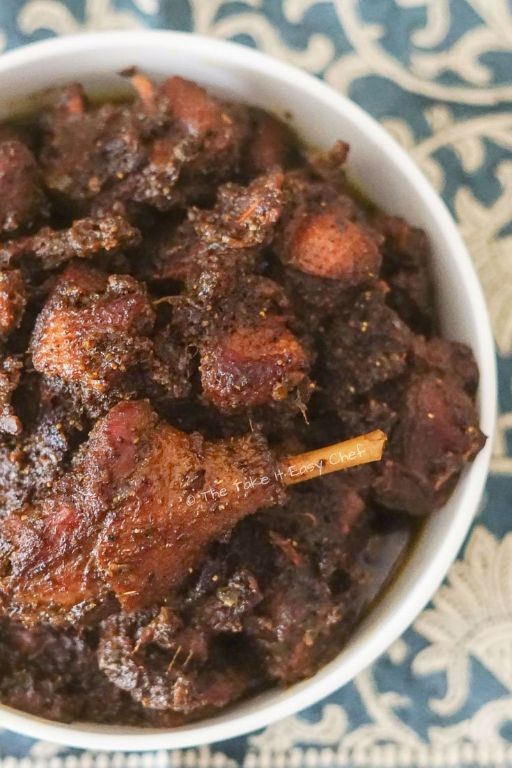
Years of chasing bold flavors have taught me that some dishes require patience, like this Kerala-style duck that fills the kitchen with the kind of warmth that settles deep in your bones. You’ll need a whole duck, cut into 8–10 bone-in pieces, 2 tablespoons of rich coconut oil, 1 large yellow onion thinly sliced, 4 cloves of garlic minced, a 1-inch piece of fresh ginger grated, 2 finely chopped green chilies, 1 tablespoon of coriander powder, 1 teaspoon of turmeric powder, 1 teaspoon of Kashmiri red chili powder, ½ teaspoon of freshly ground black pepper, 1 teaspoon of fennel seeds, 2 fresh curry leaves sprigs, ½ cup of thick coconut milk, 1 tablespoon of apple cider vinegar, and 1 teaspoon of fine sea salt.
Instructions
1. Pat the duck pieces completely dry with paper towels to ensure crispy skin. 2. Heat the coconut oil in a heavy-bottomed Dutch oven over medium heat until it shimmers. 3. Carefully place the duck pieces skin-side down in the pot, working in batches if needed to avoid crowding. 4. Sear the duck for 6–8 minutes per side until the skin is golden-brown and crisp, then transfer to a plate. 5. In the same pot, add the sliced onion and sauté for 10–12 minutes until deeply caramelized and fragrant. 6. Stir in the minced garlic, grated ginger, and chopped green chilies, cooking for 2 minutes until aromatic. 7. Add the coriander powder, turmeric, Kashmiri chili powder, black pepper, fennel seeds, and curry leaves, toasting for 1 minute to bloom the spices. 8. Return the seared duck pieces to the pot, coating them evenly with the spice mixture. 9. Pour in the coconut milk and apple cider vinegar, then sprinkle with sea salt. 10. Bring the liquid to a gentle simmer, then reduce the heat to low, cover the pot, and let it cook for 45–50 minutes until the duck is tender and pulls easily from the bone. 11. Uncover the pot and simmer for another 10–15 minutes to thicken the sauce to a glossy consistency. Gently resting this duck roast transforms it—the meat falls away with a tender pull, while the spices weave through the coconut gravy in layers of earthy heat. Serve it over steamed basmati rice or with flaky parathas to soak up every bit of the fragrant sauce.
Kappa and Meen Curry
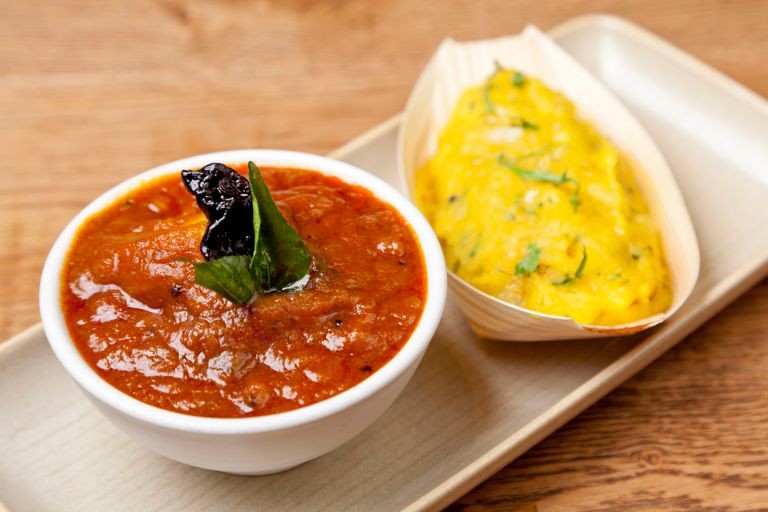
Perhaps some of the most comforting meals are those that carry the weight of tradition, like this gentle simmer of kappa and meen curry that fills the kitchen with the earthy scent of cassava and the warm spice of coconut milk. It’s a dish that asks for patience, each bubble on the surface a quiet reminder of flavors deepening, of roots and sea meeting in a single pot. There’s something almost meditative in watching the curry thicken, in knowing that every stir coaxes out more of its soulful, layered character.
Ingredients
– 2 large cassava roots, peeled and cut into 2-inch chunks
– 1 pound firm white fish fillets, such as cod or tilapia, cut into 1-inch pieces
– 1 tablespoon coconut oil, fragrant and unrefined
– 1 medium yellow onion, finely diced
– 3 cloves garlic, minced until almost paste-like
– 1 teaspoon fresh ginger, grated to a fine pulp
– 1 teaspoon turmeric powder, vibrant and golden
– 1 teaspoon red chili powder, for a subtle heat
– 1 can (13.5 ounces) full-fat coconut milk, rich and creamy
– 1 cup water, filtered and cool
– 1 teaspoon salt, fine-grained sea salt
– 2 sprigs fresh curry leaves, aromatic and slightly pungent
– 1 tablespoon fresh lime juice, squeezed from a ripe lime
Instructions
1. Heat the fragrant coconut oil in a heavy-bottomed pot over medium heat until it shimmers lightly.
2. Add the finely diced yellow onion and sauté for 5–7 minutes, stirring occasionally, until the edges turn translucent and golden.
3. Stir in the minced garlic and grated ginger, cooking for 1 minute until the raw aroma fades and the mixture becomes fragrant.
4. Sprinkle in the vibrant turmeric and red chili powder, toasting the spices for 30 seconds to unlock their depth—this prevents a raw, dusty flavor.
5. Pour in the rich coconut milk and cool water, then add the peeled cassava chunks and fine-grained salt.
6. Bring the liquid to a gentle boil, then reduce the heat to low, cover the pot, and simmer for 20 minutes until the cassava is fork-tender but not mushy.
7. Gently place the firm white fish pieces into the curry, along with the aromatic curry leaves, and simmer uncovered for 5–7 minutes until the fish flakes easily with a fork—avoid stirring vigorously to keep the fish intact.
8. Drizzle in the fresh lime juice just before serving, which brightens the curry and balances the richness of the coconut milk.
9. Remove the pot from the heat and let it rest for 3 minutes to allow the flavors to meld together softly.
Maybe it’s the tender flakiness of the fish against the starchy cassava, or the way the creamy coconut curry coats each bite with a hint of lime—this dish feels like a quiet embrace. Serve it over steamed jasmine rice to soak up every drop, or with a side of crisp, pickled vegetables to cut through the warmth, letting the simplicity of the ingredients speak for themselves.
Kerala Egg Roast
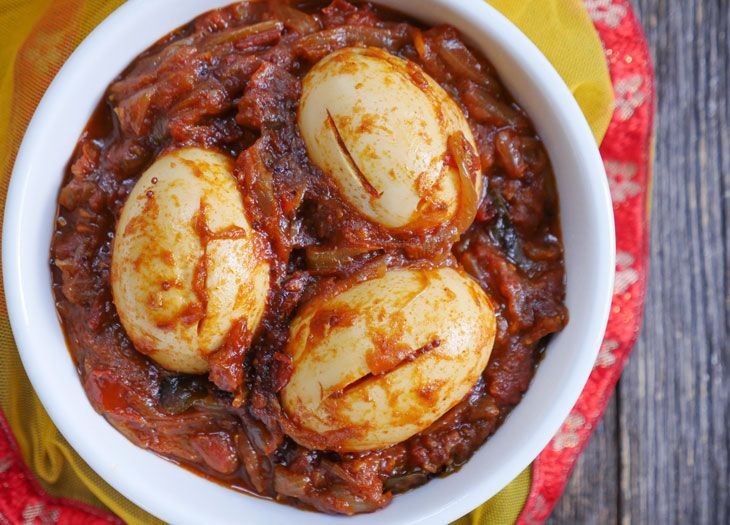
Evenings like this call for something that simmers slowly, filling the kitchen with the kind of warmth that seeps into your bones. This Kerala egg roast, with its deep, layered spices, is exactly that—a humble dish that feels like a quiet celebration.
Ingredients
– 6 large farm-fresh eggs
– 2 tablespoons rich coconut oil
– 1 large yellow onion, thinly sliced into half-moons
– 4 cloves of fragrant garlic, minced
– 1-inch piece of fresh ginger, grated
– 2 ripe tomatoes, finely chopped
– 1 tablespoon earthy coriander powder
– 1 teaspoon warm turmeric powder
– 1/2 teaspoon fiery Kashmiri red chili powder
– 1/4 teaspoon freshly cracked black pepper
– 1/2 cup water
– A handful of fresh cilantro leaves, roughly chopped
– 1 teaspoon coarse sea salt
Instructions
1. Place 6 large farm-fresh eggs in a single layer in a saucepan and cover with cold water by 1 inch.
2. Bring the water to a rolling boil over high heat, then immediately remove the pan from heat, cover, and let stand for 10 minutes.
3. Transfer the eggs to an ice water bath and let cool completely for 5 minutes before peeling.
4. Heat 2 tablespoons of rich coconut oil in a heavy-bottomed skillet over medium heat until it shimmers.
5. Add the thinly sliced yellow onion and cook, stirring occasionally, for 12-15 minutes until deeply golden and caramelized.
6. Stir in the minced garlic and grated ginger, cooking for 1 minute until fragrant but not browned.
7. Add the finely chopped tomatoes and cook for 6-8 minutes until they break down into a thick pulp.
8. Sprinkle in 1 tablespoon earthy coriander powder, 1 teaspoon warm turmeric powder, 1/2 teaspoon fiery Kashmiri red chili powder, and 1/4 teaspoon freshly cracked black pepper, toasting the spices for 30 seconds until aromatic.
9. Pour in 1/2 cup water and 1 teaspoon coarse sea salt, stirring to create a smooth gravy.
10. Gently add the peeled whole eggs to the skillet, spooning the gravy over them to coat completely.
11. Reduce heat to low, cover, and simmer for 8-10 minutes until the gravy thickens and clings to the eggs.
12. Turn off the heat and stir in the roughly chopped cilantro leaves.
Cozy and deeply satisfying, the eggs become tender pockets that soak up the complex, spiced gravy. Serve them nestled in a bowl of steamed basmati rice, the golden sauce mingling with the grains, or with soft, flaky parathas for tearing and dipping into every last bit.
Thalassery Chicken Dum Biryani
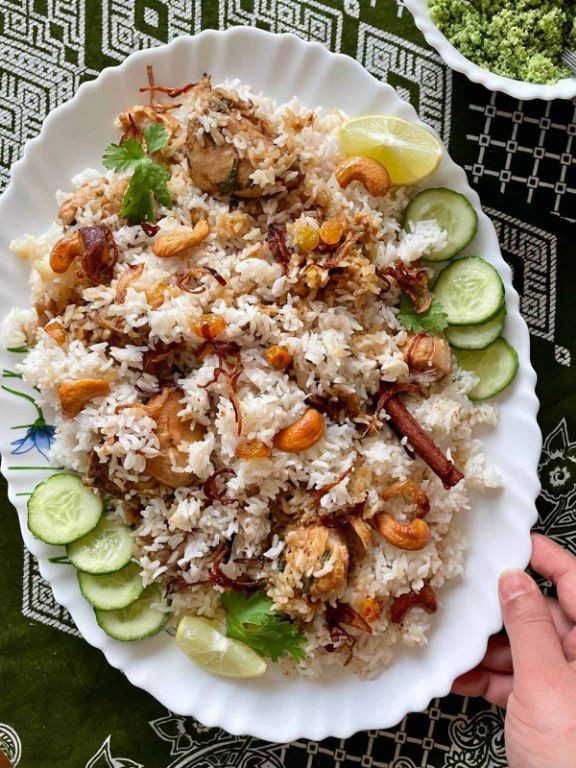
Beneath the gentle steam rising from the pot, there’s a story of spices and patience, a quiet dance of flavors that begins with marinating tender chicken thighs in a blend of warmth and memory. Letting the rice soak in cold water feels like a small, deliberate pause before the layers come together, each grain destined to absorb the fragrant whispers of saffron and ghee. This is Thalassery Chicken Dum Biryani, a dish that asks for nothing more than your attention and rewards it with every aromatic bite.
Ingredients
- 1.5 lbs skinless, bone-in chicken thighs, preferably free-range for deeper flavor
- 2 cups aged basmati rice, long-grained and fragrant
- 1 cup plain whole-milk yogurt, thick and creamy
- 3 large yellow onions, thinly sliced for crispy frying
- 4 tbsp clarified butter (ghee), rich and golden
- 3 tbsp sunflower oil, neutral and light
- 2 tbsp ginger-garlic paste, freshly made for pungent warmth
- 2 green chilies, slit lengthwise for subtle heat
- 1 tsp saffron strands, steeped in 2 tbsp warm milk for vibrant color
- 1 tbsp biryani masala, finely ground and aromatic
- 1 tsp turmeric powder, earthy and golden
- 1/2 cup fresh mint leaves, finely chopped for bright freshness
- 1/2 cup fresh cilantro leaves, finely chopped for herbal notes
- 1 tsp salt, fine-grained for even seasoning
- 4 cups water, for boiling the rice
Instructions
- Rinse 2 cups of aged basmati rice under cold running water until the water runs clear, then soak it in a bowl of cold water for 30 minutes to ensure the grains cook evenly and remain separate.
- Heat 3 tbsp of sunflower oil in a heavy-bottomed pan over medium heat until it shimmers, then add the thinly sliced yellow onions and fry for 12-15 minutes, stirring occasionally, until they turn deep golden brown and crisp.
- Remove the fried onions with a slotted spoon and drain them on paper towels to retain their crunch; set aside for layering later.
- In a large mixing bowl, combine the skinless, bone-in chicken thighs with 1 cup of thick, creamy yogurt, 2 tbsp of freshly made ginger-garlic paste, slit green chilies, 1 tbsp of aromatic biryani masala, 1 tsp of golden turmeric powder, 1 tsp of fine salt, half of the chopped mint, and half of the chopped cilantro, mixing thoroughly to coat every piece.
- Cover the bowl with plastic wrap and marinate the chicken in the refrigerator for at least 1 hour, or up to 4 hours for more intense flavor penetration.
- Bring 4 cups of water to a rolling boil in a large pot, then drain the soaked rice and add it to the boiling water, cooking for exactly 6 minutes until the grains are 70% cooked (they should still have a firm core when pressed).
- Drain the parboiled rice immediately in a colander and spread it out on a tray to cool slightly, preventing it from becoming mushy.
- Heat 4 tbsp of rich, golden ghee in a heavy-bottomed Dutch oven or pot over low heat, then layer half of the marinated chicken evenly at the bottom.
- Sprinkle half of the reserved fried onions, the remaining mint, and cilantro over the chicken layer.
- Spread all of the parboiled rice evenly over the chicken and aromatics, creating a flat top layer.
- Drizzle the saffron-infused milk evenly over the rice, then top with the remaining fried onions.
- Cover the pot tightly with a lid, sealing the edges with aluminum foil or a damp cloth to trap all the steam, and cook on the lowest heat setting (around 200°F) for 25 minutes to allow the flavors to meld in the “dum” style.
- Turn off the heat and let the biryani rest, covered, for 10 minutes to settle the layers before serving.
Layers of fluffy, saffron-kissed rice give way to succulent chicken that falls off the bone, each bite carrying the warmth of spices and the freshness of herbs. Serve it straight from the pot with a side of cool raita, or let it shine as the centerpiece of a cozy dinner, where the fragrant steam tells its own slow, savory story.
Kerala Style Sambar
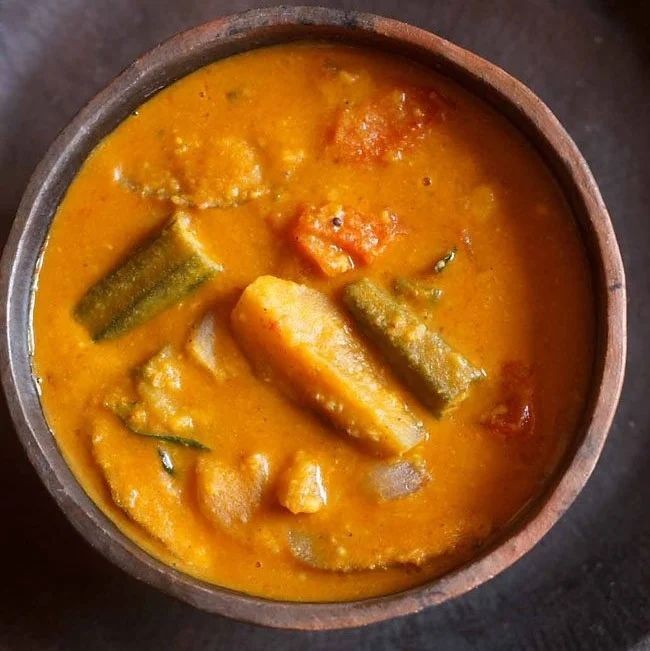
When the afternoon light slants through my kitchen window, I find myself reaching for spices that carry the warmth of Southern India, remembering how Kerala-style sambar transforms humble lentils into something deeply comforting. There’s a quiet magic in watching turmeric bloom in hot oil, in the slow simmer that fills the house with earthy, tamarind-kissed aromas.
Ingredients
– 1 cup split pigeon peas (toor dal), rinsed until water runs clear
– 1 medium yellow onion, thinly sliced into half-moons
– 2 ripe plum tomatoes, chopped into juicy chunks
– 1 cup diced carrots, cut into cheerful orange coins
– 1 cup chopped eggplant, tender purple cubes
– 2 tablespoons coconut oil, fragrant and unrefined
– 1 teaspoon black mustard seeds, tiny dark spheres
– 1 teaspoon cumin seeds, earthy and aromatic
– 2 dried red chilies, crumbled for gentle heat
– 10 fresh curry leaves, vibrant and citrus-scented
– ½ teaspoon turmeric powder, sunshine-yellow
– 2 tablespoons sambar powder, warmly spiced blend
– 1 tablespoon tamarind paste, tangy and complex
– 1 teaspoon jaggery or brown sugar, for mellow sweetness
– 2 tablespoons chopped cilantro, fresh green confetti
Instructions
1. Rinse 1 cup split pigeon peas under cool running water until the water runs completely clear.
2. Combine the rinsed pigeon peas with 3 cups water in a pressure cooker and cook at high pressure for 15 minutes, until the lentils collapse into a creamy texture.
3. While lentils cook, heat 2 tablespoons coconut oil in a heavy-bottomed pot over medium heat until it shimmers.
4. Add 1 teaspoon black mustard seeds and wait until they begin to pop and dance in the oil, about 30 seconds.
5. Immediately add 1 teaspoon cumin seeds, 2 crumbled dried red chilies, and 10 fresh curry leaves, stirring until the curry leaves crisp and release their citrus aroma.
6. Add 1 thinly sliced yellow onion and sauté until translucent and lightly golden at the edges, about 5 minutes.
7. Stir in 1 cup diced carrots and 1 cup chopped eggplant, cooking until the vegetables begin to soften, about 4 minutes.
8. Add 2 chopped plum tomatoes, ½ teaspoon turmeric powder, and 2 tablespoons sambar powder, stirring to coat everything in the vibrant spice mixture.
9. Pour in 2 cups water and bring to a gentle simmer, then reduce heat to low and cook uncovered for 12 minutes until vegetables are tender but not mushy.
10. Whisk 1 tablespoon tamarind paste with ¼ cup warm water until smooth, then stir into the vegetable mixture along with 1 teaspoon jaggery.
11. Gently fold the cooked pigeon peas into the spiced vegetable broth, simmering for 5 more minutes to let flavors marry.
12. Stir in 2 tablespoons chopped cilantro just before removing from heat.
Unfolding like a slow southern monsoon, this sambar cradles tender vegetables in a broth that balances earthy lentils with tamarind’s bright acidity. The texture feels both substantial and light—creamy dal against firm vegetable bites—while the tempering of mustard seeds and curry leaves leaves tiny bursts of fragrance on the tongue. I love ladling it over steamed rice, watching the golden liquid seep into every grain, or serving it alongside soft idlis for a breakfast that feels like morning sunlight.
Chemmeen Thenga Aracha Curry
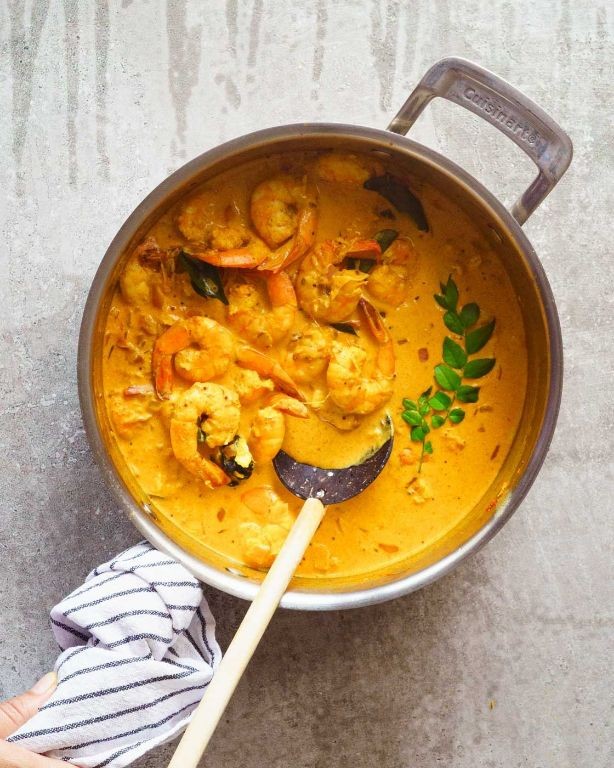
Dipping my spoon into the golden-hued curry, I’m transported to coastal kitchens where this dish whispers stories of sea and soil. There’s something profoundly comforting about the way plump shrimp nestle in coconut-spiced gravy, a gentle reminder that some traditions are meant to be carried across oceans and into our own kitchens. This chemmeen thenga aracha curry feels like coming home to flavors that have been waiting patiently for our discovery.
Ingredients
– 1 pound fresh wild-caught shrimp, peeled and deveined
– 1 cup freshly grated coconut
– 2 tablespoons coconut oil, gently warmed
– 1 large yellow onion, thinly sliced into half-moons
– 3 plump garlic cloves, finely minced
– 1-inch piece of fresh ginger, grated to release its zesty fragrance
– 2 ripe tomatoes, chopped into juicy chunks
– 1 tablespoon coriander seeds, freshly toasted and ground
– 1 teaspoon cumin seeds, fragrant and earthy
– 1/2 teaspoon turmeric powder, vibrant golden
– 1/4 teaspoon cayenne pepper, for gentle warmth
– 1 cup rich coconut milk, creamy and luxurious
– 1 teaspoon sea salt, finely ground
– 2 cups hot water, for simmering
– Fresh cilantro leaves, chopped for bright garnish
Instructions
1. Heat 1 tablespoon coconut oil in a heavy-bottomed pot over medium heat until it shimmers.
2. Add sliced onions and sauté for 8-10 minutes until they turn translucent and edges begin to caramelize.
3. Stir in minced garlic and grated ginger, cooking for 1 minute until fragrant but not browned.
4. Add chopped tomatoes and cook for 5 minutes until they soften and release their juices.
5. Meanwhile, grind freshly grated coconut with coriander seeds, cumin seeds, turmeric, and cayenne into a coarse paste using a blender.
6. Tip: Add 2 tablespoons water to help the spices blend smoothly without overheating the mixture.
7. Add the coconut-spice paste to the pot and cook for 3 minutes, stirring constantly to prevent sticking.
8. Pour in coconut milk and hot water, then bring to a gentle simmer over medium-low heat.
9. Add sea salt and stir to combine, then cover and simmer for 10 minutes to let flavors meld.
10. Gently place shrimp into the simmering curry, making sure they’re fully submerged.
11. Tip: Don’t stir immediately—let the shrimp poach undisturbed for 2 minutes to retain their delicate texture.
12. Cook for 3-4 more minutes until shrimp turn pink and curl slightly, then remove from heat.
13. Drizzle remaining coconut oil over the curry and garnish with fresh cilantro.
14. Tip: Let the curry rest for 5 minutes before serving—this allows the oil to form golden droplets on the surface, enhancing both flavor and presentation.
You’ll notice the curry thickens beautifully as it rests, the coconut milk creating a velvety sauce that clings to each grain of rice. That first bite reveals layers of flavor—the sweet shrimp, earthy spices, and creamy coconut dancing together in perfect harmony. Try serving it in shallow bowls with steamed jasmine rice, letting the coral-colored sauce pool around the edges like sunset over water.
Kerala Style Vegetable Ishtu
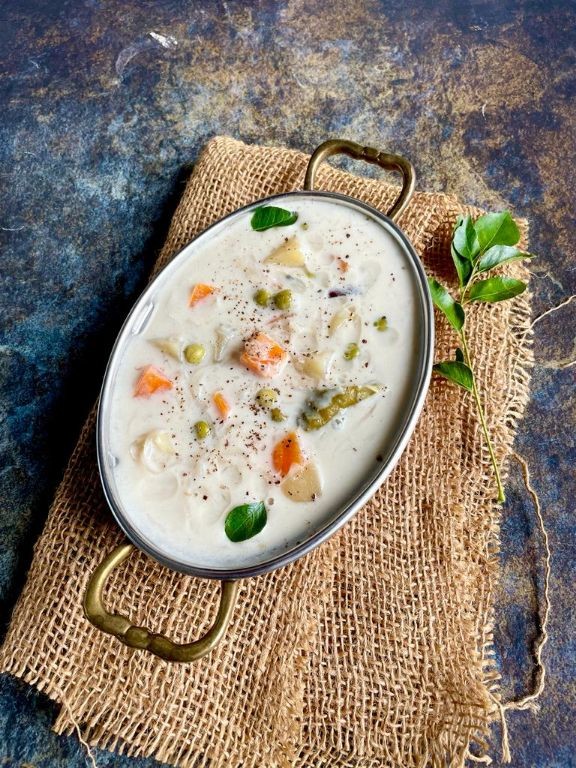
Tucked away in my recipe journal, this Kerala-style vegetable stew feels like a warm embrace on a quiet afternoon—a gentle simmer of spices and coconut milk that fills the kitchen with comfort. There’s something deeply soothing about the way its subtle flavors unfold, inviting you to slow down and savor each spoonful. It’s a dish that whispers of cozy moments and simple, heartfelt meals.
Ingredients
– 2 tablespoons of golden-hued coconut oil
– 1 large yellow onion, thinly sliced into delicate half-moons
– 2-inch piece of fresh ginger, peeled and finely grated to release its zesty warmth
– 3 plump garlic cloves, minced into a fragrant paste
– 1 teaspoon of whole black peppercorns, freshly cracked for bold, aromatic heat
– 2 slender green chilies, slit lengthwise to infuse gentle spice
– 2 cups of mixed vegetables (carrots, green beans, and potatoes), chopped into hearty, bite-sized pieces
– 1 cup of rich, creamy coconut milk, stirred well before using
– 1 teaspoon of flaky sea salt, for balanced seasoning
– 1 tablespoon of fresh cilantro leaves, roughly chopped for a bright, herbal finish
Instructions
1. Heat the golden-hued coconut oil in a heavy-bottomed pot over medium heat until it shimmers lightly.
2. Add the thinly sliced yellow onion and sauté for 5–7 minutes, stirring occasionally, until the edges turn translucent and golden.
3. Stir in the finely grated ginger and minced garlic paste, cooking for 1–2 minutes until the raw aroma fades and the mixture becomes fragrant.
4. Sprinkle in the freshly cracked black peppercorns and add the slit green chilies, toasting them for 30 seconds to awaken their essential oils.
5. Tip in the chopped mixed vegetables and toss gently to coat them evenly with the spiced base.
6. Pour in 1/2 cup of water, bring to a gentle boil, then reduce the heat to low, cover the pot, and simmer for 12–15 minutes until the vegetables are tender but still hold their shape.
7. Slowly pour in the rich, creamy coconut milk, stirring continuously to prevent curdling, and simmer uncovered for 3–4 minutes until the stew thickens slightly.
8. Season with flaky sea salt, stir well, and remove from heat.
9. Garnish with roughly chopped fresh cilantro leaves just before serving. The stew cradles tender vegetables in a silky, aromatic broth, with the coconut milk lending a subtle sweetness that balances the peppery warmth. For a comforting twist, serve it over fluffy basmati rice or with soft, flaky parathas to soak up every last drop.
Kerala Parotta with Beef Curry
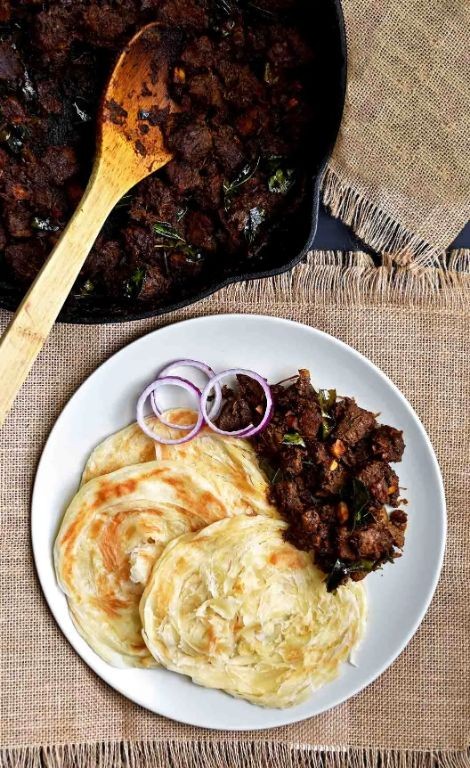
Gently unfolding this recipe feels like opening a cherished family album, each step revealing layers of flavor and tradition that transport me to Kerala’s vibrant kitchens. There’s something profoundly comforting about the rhythmic process of creating these flaky breads and their deeply spiced companion, a dance of textures and aromas that fills the kitchen with warmth. Today, I’m sharing this culinary journey that balances delicate technique with robust flavors, perfect for when you want cooking to feel like meditation.
Ingredients
– 2 cups all-purpose flour, soft as winter snowfall
– 1 teaspoon granulated sugar, sparkling like morning dew
– 1/2 teaspoon active dry yeast, fragrant and earthy
– 3/4 cup warm water (110°F), like a gentle embrace
– 2 tablespoons ghee, rich and golden
– 1 pound beef chuck, marbled with promise
– 1 large yellow onion, finely diced with translucent sweetness
– 2 ripe tomatoes, bursting with summer acidity
– 3 garlic cloves, minced to aromatic perfection
– 1-inch ginger root, freshly grated with zesty warmth
– 2 tablespoons coconut oil, carrying tropical whispers
– 1 teaspoon turmeric powder, sunset-hued and earthy
– 2 teaspoons coriander powder, citrusy and floral
– 1 teaspoon garam masala, complex and warming
– 2 dried red chilies, carrying gentle heat
– 1 cup coconut milk, creamy and luxurious
– 1/2 cup fresh cilantro, bright and herbaceous
– 1 teaspoon sea salt, crystalline and pure
Instructions
1. Combine 2 cups all-purpose flour, 1 teaspoon granulated sugar, 1/2 teaspoon active dry yeast, and 1 teaspoon sea salt in a large mixing bowl.
2. Gradually pour 3/4 cup warm water (110°F) into the dry ingredients while mixing with your fingers.
3. Knead the dough on a floured surface for 8-10 minutes until it becomes smooth and elastic.
4. Brush the dough ball with 1 tablespoon ghee, cover with a damp cloth, and let it rest in a warm place for 2 hours until doubled in size. Tip: The warmth helps the yeast activate properly for lighter parottas.
5. Divide the risen dough into 6 equal portions and roll each into smooth balls.
6. Roll each ball into a thin circle about 8 inches in diameter using a rolling pin.
7. Brush the surface of each circle with remaining ghee and pleat the dough like a fan.
8. Coil each pleated strip into a spiral and let them rest for 15 minutes.
9. Heat a cast-iron skillet over medium-high heat until a drop of water sizzles immediately.
10. Roll each coiled dough into a 7-inch circle and cook on the hot skillet for 2 minutes per side until golden brown spots appear.
11. While the dough rests, heat 2 tablespoons coconut oil in a heavy-bottomed pot over medium heat.
12. Add 1 finely diced yellow onion and sauté for 6-8 minutes until translucent and fragrant.
13. Stir in 3 minced garlic cloves and 1-inch grated ginger, cooking for 2 minutes until aromatic.
14. Add 1 pound beef chuck cut into 1-inch cubes and brown for 5 minutes on all sides.
15. Mix in 2 diced tomatoes, 1 teaspoon turmeric, 2 teaspoons coriander powder, 1 teaspoon garam masala, and 2 dried red chilies.
16. Pour in 1 cup coconut milk and bring to a gentle simmer.
17. Cover the pot and cook on low heat for 45 minutes until the beef becomes fork-tender. Tip: Slow cooking allows the spices to meld beautifully with the meat.
18. Uncover and simmer for 10 more minutes until the curry thickens to coating consistency.
19. Stir in 1/2 cup fresh cilantro leaves just before serving. Tip: Adding herbs at the end preserves their bright flavor and vibrant color.
20. Serve hot parottas with the beef curry in separate bowls. Aromatic steam rises as you tear the flaky parotta, its delicate layers catching the rich curry perfectly. The beef melts with spiced tenderness while coconut milk lends creamy balance to the warming spices, creating a harmony that feels both comforting and exciting.
Kerala Style Mutton Curry
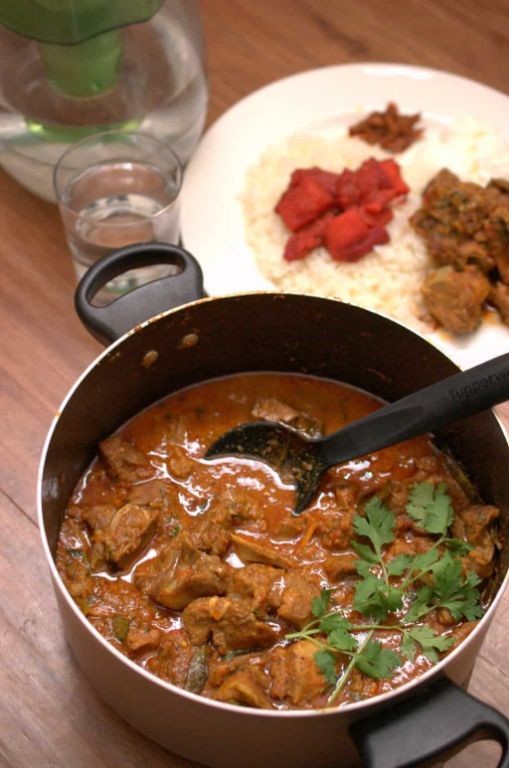
Just now, as the afternoon light slants through my kitchen window, I find myself remembering the warm, earthy aromas of Kerala—the kind that settle deep in your bones on rainy evenings. This curry carries those memories in every simmering bubble, a slow dance of spices that transforms humble ingredients into something profoundly comforting.
Ingredients
– 2 pounds bone-in mutton shoulder, cut into 2-inch chunks
– 3 tablespoons coconut oil, gently warmed
– 2 large yellow onions, thinly sliced into half-moons
– 4 cloves garlic, crushed into fragrant paste
– 1-inch piece fresh ginger, grated to release its zesty warmth
– 2 ripe tomatoes, diced into juicy crimson pieces
– 2 teaspoons Kashmiri red chili powder, blooming with mild heat
– 1 tablespoon coriander powder, toasted and earthy
– ½ teaspoon turmeric powder, golden and vibrant
– 1 teaspoon fennel seeds, subtly licorice-scented
– 4 green cardamom pods, cracked to release floral notes
– 1 cinnamon stick, about 2 inches long
– 4 whole cloves, deeply aromatic
– 1 cup thick coconut milk, creamy and rich
– 1 tablespoon fresh lemon juice, bright and tangy
– ½ cup cilantro leaves, freshly chopped
– 1 teaspoon coarse sea salt
Instructions
1. Heat 3 tablespoons of gently warmed coconut oil in a heavy-bottomed Dutch oven over medium heat until it shimmers.
2. Add 1 teaspoon subtly licorice-scented fennel seeds, 4 cracked green cardamom pods, 1 two-inch cinnamon stick, and 4 deeply aromatic whole cloves, toasting for 45 seconds until fragrant.
3. Stir in 2 large yellow onions thinly sliced into half-moons, cooking for 12-14 minutes until deeply golden and caramelized.
4. Add 4 cloves of garlic crushed into fragrant paste and 1-inch of fresh ginger grated to release its zesty warmth, sautéing for 90 seconds until raw aroma disappears.
5. Mix in 2 ripe tomatoes diced into juicy crimson pieces, cooking for 6-8 minutes until they break down into a thick pulp.
6. Sprinkle 2 teaspoons Kashmiri red chili powder blooming with mild heat, 1 tablespoon toasted earthy coriander powder, and ½ teaspoon golden vibrant turmeric powder, stirring constantly for 60 seconds to cook the spices.
7. Add 2 pounds of bone-in mutton shoulder cut into 2-inch chunks, turning to coat each piece thoroughly with the spice mixture.
8. Pour in 2 cups water and 1 teaspoon coarse sea salt, bringing to a gentle boil before reducing heat to low.
9. Cover and simmer for 1 hour and 15 minutes, stirring occasionally, until mutton is fork-tender and pulls easily from the bone.
10. Stir in 1 cup of rich creamy coconut milk, simmering uncovered for 8-10 minutes until sauce thickens slightly.
11. Remove from heat and drizzle with 1 tablespoon bright tangy fresh lemon juice.
12. Garnish with ½ cup freshly chopped cilantro leaves.
Heirloom pottery bowls catch the curry’s deep mahogany sauce, where tender mutton falls apart at the slightest nudge of a spoon. Serve it over steamed basmati rice, letting the creamy coconut gravy pool around the grains, or with flaky parathas to scoop up every last bit of that spiced warmth.
Kozhikodan Halwa
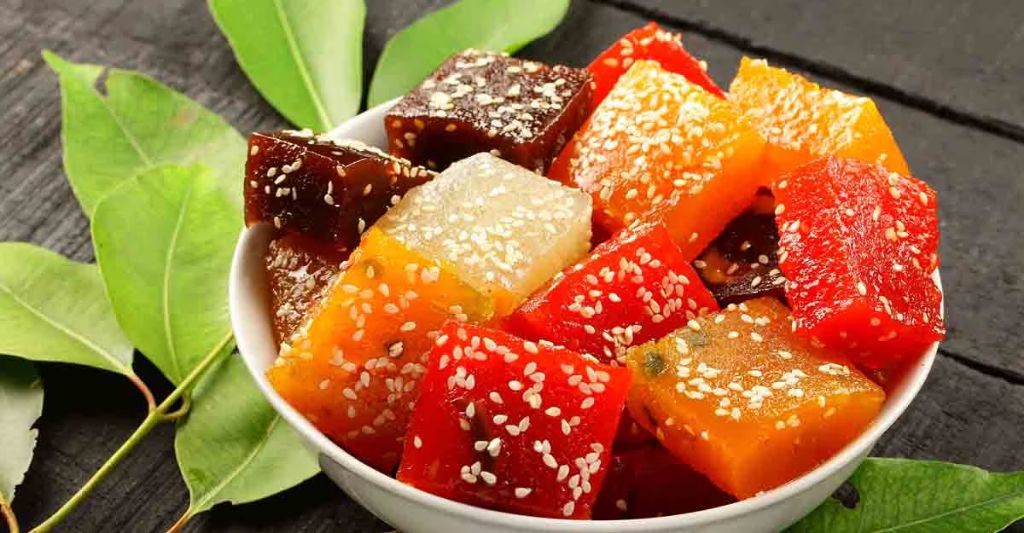
Wandering through my grandmother’s faded recipe cards, I rediscovered this jewel – a Kerala sweet that carries the warmth of monsoon afternoons and the gentle comfort of family kitchens. Its translucent beauty holds stories in every glossy fold, a dessert that feels like coming home after years away.
Ingredients
– 1 cup coarse semolina flour
– 1 cup rich, full-fat coconut milk
– 1 ½ cups golden granulated sugar
– ½ cup fragrant ghee
– ¼ cup sliced raw cashews
– 2 tablespoons plump golden raisins
– 1 teaspoon freshly ground cardamom powder
– Generous pinch of vibrant saffron strands
Instructions
1. Place a heavy-bottomed kadai or wide pan over medium-low heat and add the fragrant ghee.
2. Toast the sliced raw cashews in the warm ghee for exactly 2 minutes until they turn pale golden, stirring constantly to prevent burning.
3. Add the plump golden raisins and cook for 30 seconds until they swell and become glossy.
4. Remove the toasted cashews and raisins using a slotted spoon, reserving them in a small bowl.
5. Pour the coarse semolina flour into the remaining ghee and roast over low heat for 8-10 minutes, stirring continuously with a wooden spoon until it releases a nutty aroma and turns light golden.
6. Meanwhile, warm the rich, full-fat coconut milk in a separate saucepan until steam rises from the surface but before it boils.
7. Carefully pour the warmed coconut milk into the roasted semolina, stirring vigorously to prevent lumps from forming.
8. Cook the mixture over medium heat for 3 minutes until it thickens and pulls away from the sides of the pan.
9. Add the golden granulated sugar and continue stirring for another 5 minutes as the halwa becomes glossy and translucent.
10. Sprinkle the freshly ground cardamom powder and vibrant saffron strands into the mixture, folding gently to distribute the flavors evenly.
11. Stir in the reserved toasted cashews and raisins, cooking for one final minute until everything is well incorporated.
12. Immediately transfer the halwa to a greased plate or tray, smoothing the surface with the back of a spoon.
Under the gentle afternoon light, the halwa settles into its final form – jewel-like and translucent with cashews suspended like amber treasures. Each slice offers the perfect resistance, firm yet yielding to reveal layers of coconut richness and floral cardamom notes that linger long after the last bite.
Unniyappam Sweet Banana Fritters

There’s something quietly comforting about these golden orbs, a recipe whispered through generations that transforms humble bananas into something magical. Today, as the afternoon light slants across my kitchen counter, I find myself drawn to this simple alchemy of fruit and flour, a meditation in miniature frying.
Ingredients
– 2 very ripe bananas with deep brown speckles
– 1 cup fine rice flour
– ¼ cup jaggery powder with earthy caramel notes
– 2 tablespoons thick coconut milk from the first press
– 1 teaspoon fragrant cardamom powder
– ¼ teaspoon baking soda
– ¼ cup warm water
– ½ cup ghee with nutty aroma
Instructions
1. Peel 2 very ripe bananas with deep brown speckles and mash them thoroughly in a medium bowl until no large chunks remain.
2. Add 1 cup fine rice flour to the mashed bananas and mix gently until just combined.
3. Stir in ¼ cup jaggery powder with earthy caramel notes until the sweetener dissolves completely into the mixture.
4. Pour in 2 tablespoons thick coconut milk from the first press and blend until the batter becomes smooth.
5. Sprinkle 1 teaspoon fragrant cardamom powder evenly over the batter and fold it in to distribute the spice.
6. Dissolve ¼ teaspoon baking soda in ¼ cup warm water and immediately incorporate it into the batter.
7. Let the batter rest undisturbed for 15 minutes to allow the rice flour to hydrate properly.
8. Meanwhile, heat ½ cup ghee with nutty aroma in a small pan over medium-low heat until it reaches 325°F.
9. Test the oil temperature by dropping a small bit of batter—it should sizzle gently without burning.
10. Carefully drop tablespoon-sized portions of batter into the hot ghee, leaving space between each fritter.
11. Fry for 2-3 minutes until the bottoms develop a deep golden-brown crust.
12. Gently flip each fritter using a slotted spoon and cook for another 2-3 minutes until uniformly golden.
13. Remove the fritters from the ghee when they develop small cracks on the surface, indicating proper cooking.
14. Drain on paper towels to remove excess ghee while keeping the exterior crisp.
15. Repeat the frying process with remaining batter, maintaining consistent oil temperature throughout.
Once cooled, these fritters reveal their true character—crisp shells giving way to soft, cake-like centers that taste of caramelized bananas and warm spice. They’re perfect alongside masala chai, the contrast of sweet fritter and spiced tea creating a moment of pure comfort, or try them drizzled with honey for an extra layer of golden sweetness.
Kerala Style Pineapple Pachadi
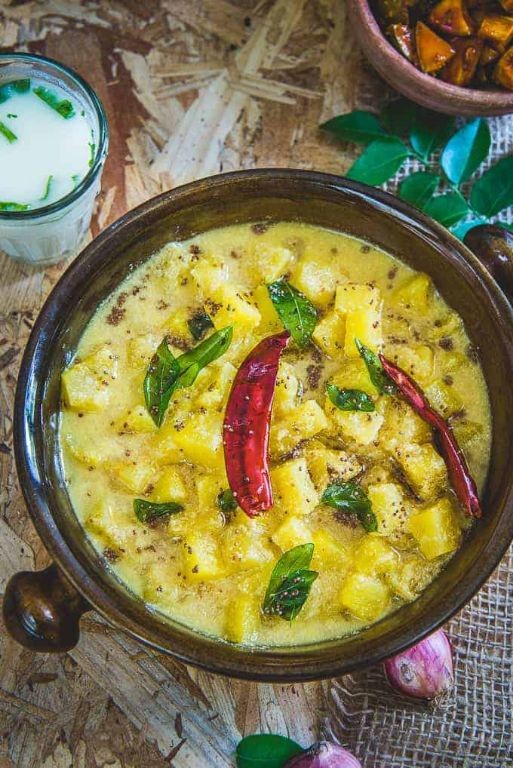
Cradling this bowl of Kerala-style pineapple pachadi feels like holding sunshine itself—a sweet-tangy coconut curry that whispers of tropical afternoons and gentle spices. I remember first tasting it at a friend’s home, the creamy texture and bright fruitiness lingering long after the meal. It’s a dish that balances warmth and freshness, perfect for when you crave something quietly comforting yet vibrant.
Ingredients
– 2 cups finely chopped fresh pineapple chunks
– 1 cup thick coconut milk, chilled and creamy
– 1 tablespoon coconut oil, gently warmed
– 1 teaspoon black mustard seeds, tiny and dark
– 2 dried red chilies, lightly crushed for subtle heat
– 1 sprig fresh curry leaves, fragrant and green
– ½ teaspoon turmeric powder, golden and earthy
– 1 teaspoon jaggery or brown sugar, softly sweet
– ½ teaspoon salt, fine and balanced
Instructions
1. Place the finely chopped fresh pineapple chunks into a medium saucepan.
2. Add just enough water to barely cover the pineapple, about ¼ cup.
3. Simmer the pineapple over medium-low heat for 8–10 minutes, until it softens but still holds its shape.
4. Stir in the golden turmeric powder and softly sweet jaggery until fully dissolved.
5. Pour in the thick, chilled coconut milk, stirring gently to avoid curdling.
6. Heat the mixture on low for 3–4 minutes until warm but not boiling, then remove from heat.
7. Warm the gently warmed coconut oil in a small skillet over medium heat.
8. Add the tiny black mustard seeds and cook until they begin to pop, about 30 seconds.
9. Toss in the lightly crushed dried red chilies and fragrant curry leaves, sizzling for another 30 seconds until aromatic.
10. Pour this tempering over the pineapple-coconut mixture and stir lightly to combine.
11. Season with fine salt, adjusting to highlight the sweet and tangy notes. For an extra tip, let the pachadi sit for 10 minutes before serving to allow the flavors to meld—it deepens the harmony between spice and fruit. Fresh pineapple works best here, as its natural acidity balances the coconut’s richness without overpowering it. When tempering, keep the heat medium to avoid burning the spices; they should release aroma, not bitterness. Finally, serve it slightly warm or at room temperature to preserve the delicate coconut creaminess. Fluffy grains of steamed rice cradle this pachadi beautifully, the creamy coconut sauce seeping into each bite while the pineapple offers little bursts of tang. Its texture is softly chunky, with the tempered spices adding a whisper of crunch that contrasts the smoothness. Try it alongside simple dal or grilled fish—it lifts the entire meal with its gentle, sunny presence.
Palada Payam Rice Pudding
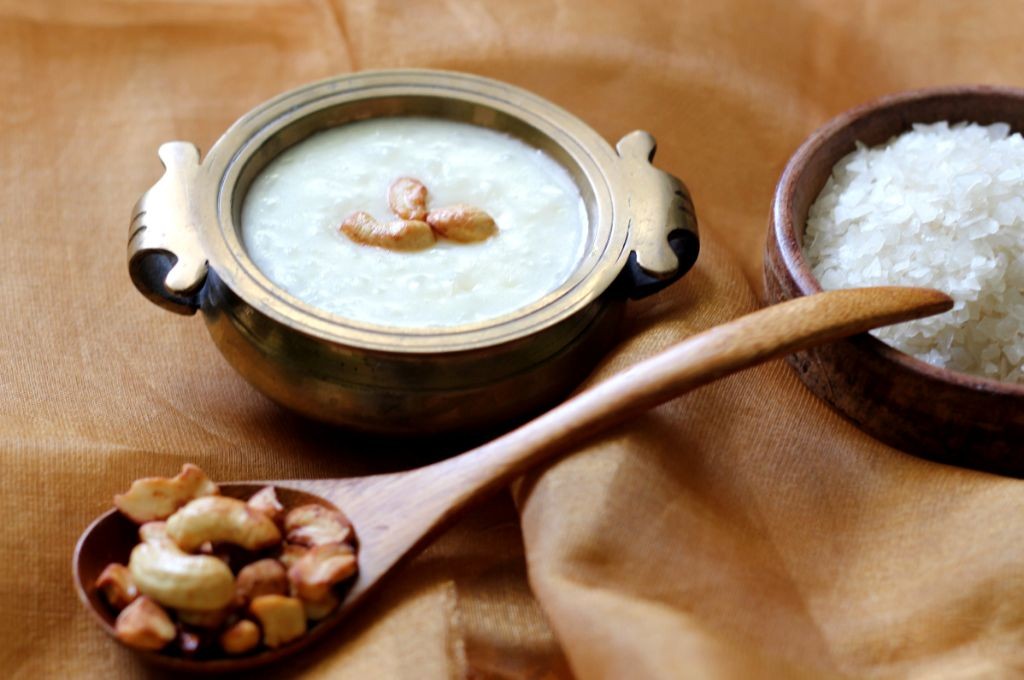
Remembering how my grandmother’s hands moved with such quiet purpose around her kitchen, I find myself drawn back to this gentle dessert, where each grain of rice carries the weight of memory and the warmth of slow-cooked comfort. Palada payasam feels like a whispered secret between generations, a creamy, cardamom-scented embrace that settles softly in the soul after the last spoonful is gone. It’s the kind of dish that asks for nothing but patience, rewarding you with its delicate sweetness and silken texture.
Ingredients
– ½ cup short-grain white rice, rinsed until the water runs clear
– 4 cups whole milk, gently warmed
– 1 cup granulated sugar, fine and sparkling
– ¼ cup ghee, rich and golden
– 4 green cardamom pods, freshly cracked to release their floral aroma
– 10 raw cashews, lightly roasted for a buttery crunch
– 10 golden raisins, plump and sweet
– 1 pinch saffron threads, steeped in 2 tablespoons of warm milk
Instructions
1. Rinse ½ cup of short-grain white rice under cold running water until the water runs completely clear, which helps remove excess starch for a creamier pudding.
2. Soak the rinsed rice in enough water to cover it by 1 inch for 30 minutes, then drain thoroughly using a fine-mesh strainer.
3. Heat ¼ cup of rich, golden ghee in a heavy-bottomed saucepan over medium-low heat until it shimmers lightly.
4. Add the drained rice to the ghee and sauté for 3–4 minutes, stirring constantly, until the grains turn translucent at the edges but do not brown.
5. Pour in 4 cups of gently warmed whole milk and bring the mixture to a gentle simmer over medium heat, stirring occasionally to prevent sticking.
6. Reduce the heat to low, partially cover the saucepan with a lid, and cook for 35–40 minutes, stirring every 8–10 minutes, until the rice is fully softened and the milk has thickened noticeably.
7. Stir in 1 cup of fine, sparkling granulated sugar until it dissolves completely, which should take about 2 minutes of continuous stirring.
8. Add the cracked green cardamom pods and the saffron-infused milk, then simmer uncovered for another 10 minutes until the pudding coats the back of a spoon.
9. In a separate small skillet, toast 10 raw cashews in 1 teaspoon of ghee over medium heat for 2–3 minutes until golden brown, then add 10 plump golden raisins and cook for 1 minute until they swell slightly.
10. Fold the toasted cashews and raisins into the pudding, reserving a few for garnish, and remove the saucepan from the heat immediately.
11. Let the pudding rest for 15 minutes to allow the flavors to meld before serving warm or chilled. Perhaps you’ll serve it in small clay pots to echo its earthy warmth, or chilled with a drizzle of rose syrup for a floral contrast—each spoonful unfolds with the silkiness of reduced milk, the subtle perfume of cardamom, and the occasional crunch of cashew that breaks through the cream.
Summary
Hearty and vibrant, these 20 spicy Kerala recipes bring authentic South Indian flavors right to your kitchen. We hope this collection inspires you to explore the bold tastes of Kerala cuisine. Try your favorites, leave a comment sharing which dish you loved most, and don’t forget to pin this article on Pinterest to save these delicious recipes for later!