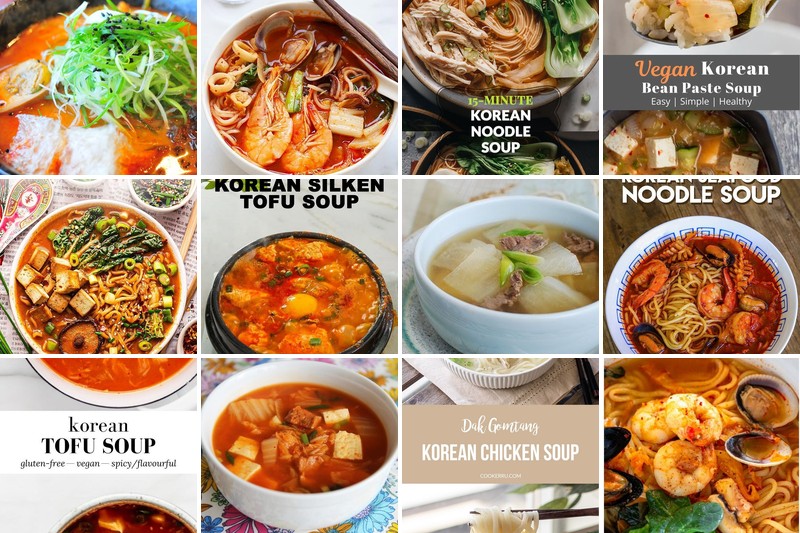
Generally speaking, a steaming hot bowl of soup holds a special place in the hearts of most Koreans, right alongside beloved dishes like bibimbap and kimchi. In fact, Korean soups are so diverse that it’s hardly fair to call them all ‘soup’. There’s a type to suit every occasion, with flavors ranging from comforting to spicy, and textures that can be anything from silky smooth to chunky. These varied soups fit into four main categories: tang and guk, jjigae, and jeongol.
Tang is typically made with beef bones, while guk is a light, broth-like soup served alongside the main meal. Jjigae, on the other hand, is thick and savory, packed with ingredients like tofu and chopped vegetables, whereas jeongol is a communal soup meant for sharing. What ties all these soups together is their bold, umami flavor, courtesy of seasonings like fish sauce, dried anchovies, miso, and gochujang.
Spicy Korean Ramyun Beef Noodle Soup
Often mistaken for being merely an instant noodle dish, this recipe is actually much more complex and nuanced in its flavors. Omitting the need for any lengthy cooking times, it still manages to pack a punch when it comes to depth of flavor.
Oddly enough, the broth itself is made with short ribs, which add a rich and beefy flavor profile that’s then balanced out by the use of Korean chili paste and kimchi, resulting in a spicy and tangy taste experience that helps to cut through the richness of the broth.
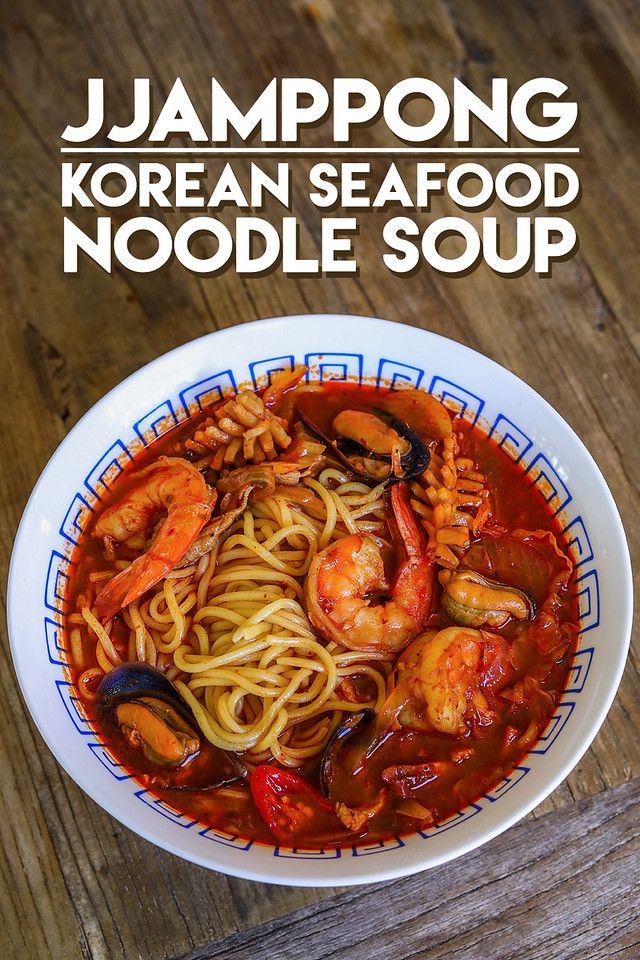
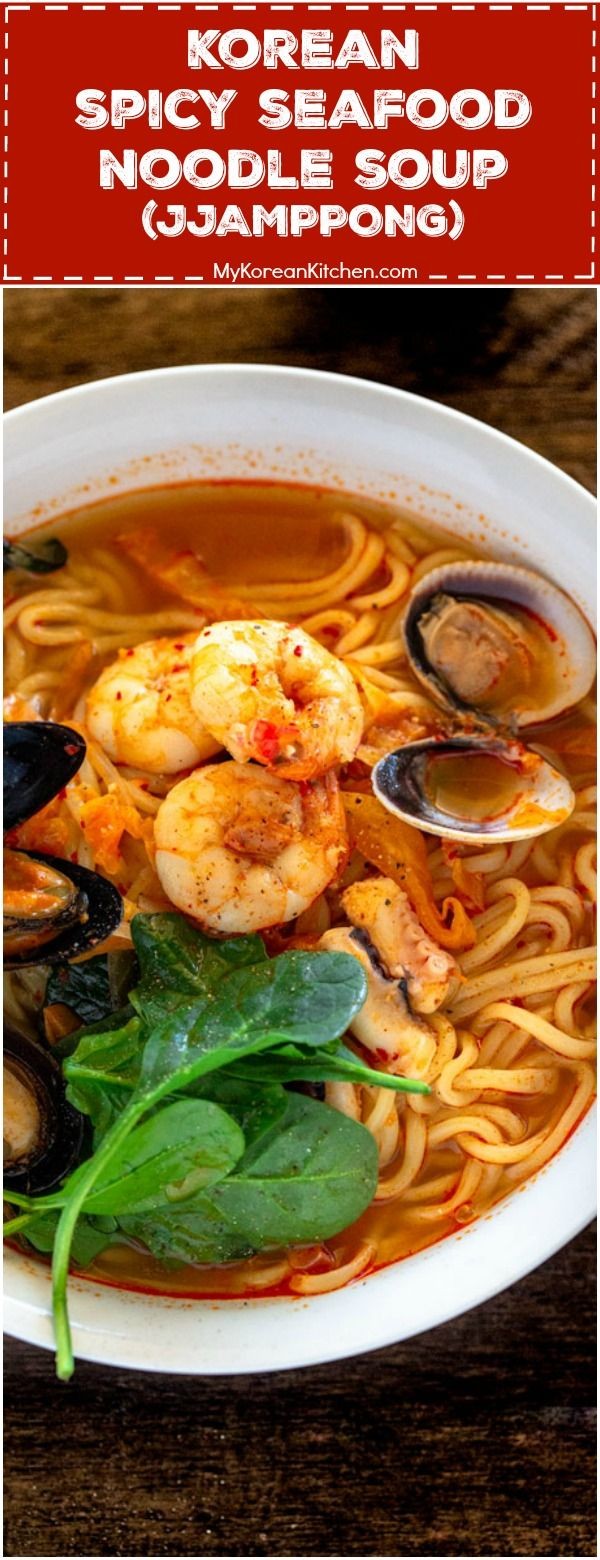
Jjamppong – Seafood Noodle Soup
Hailing from the Korean-Chinese culinary scene of the 1960s, a fusion dish emerged that combined traditional elements with bold flavors. This fusion was marked by the introduction of Korean chili powder (gochugaru) into Chinese restaurants in Korea, transforming the classic white bone broth into a vibrant red and spicy delight. The addition of rice wine (Shaoxing), often referred to as the secret ingredient, lends a subtle bitterness that elevates the depth of flavor in this dish.
A recommended seafood mix consisting of clams, shrimp, squid, and mussels can be used, but feel free to experiment with any other seafood combination at your disposal.
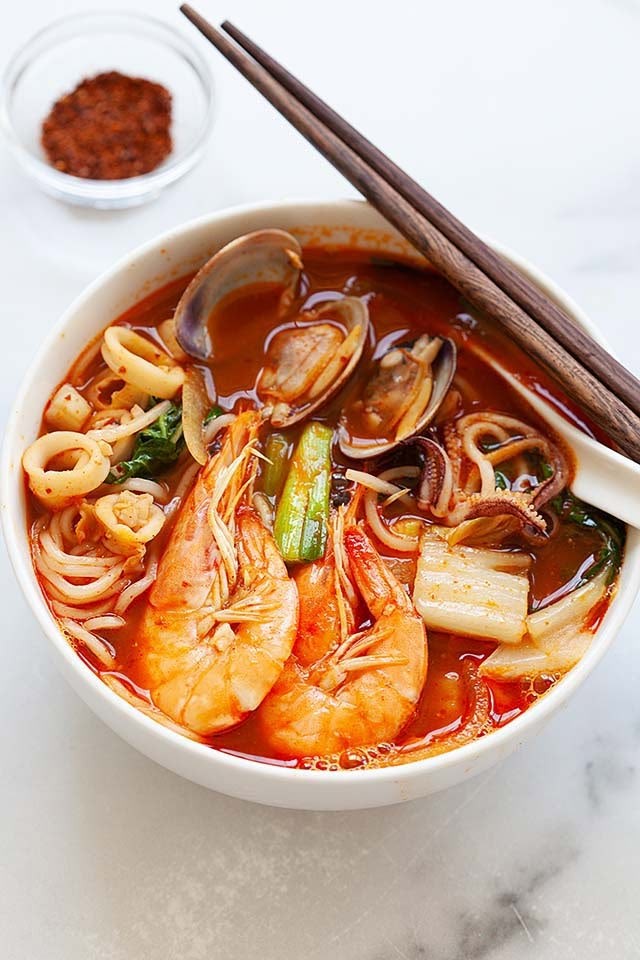
Simple Jjamppong
Notably, this version of the recipe is a bit more streamlined than the previous one, leveraging pre-made gochujang for an instant flavor boost in the sauce. The addition of scallion and bok choy adds a fresh crunch, but we also highly recommend topping it with a soft-boiled egg – as the yolk breaks apart, it infuses the broth with a rich, creamy element that elevates the overall dish to new heights. As for additional toppings, do you have any favorite combinations or go-to additions?
Korean Egg Drop Soup
Understanding the simplicity and complexity of Korean cuisine, Egg drop soup (or gyeran-guk) is a comforting and creamy recipe that offers versatility in its serving times. Whether it’s for breakfast, lunch, or dinner, this dish has become a staple in many households.
Typically made with just 5 ingredients, including a dried anchovy or dried kelp stock – chosen based on the eater’s dietary preferences regarding fish consumption – the soup’s flavor profile is elevated by additions of soy sauce and sesame oil. These subtle nuances add a nutty, savory depth to the broth without overpowering it, allowing for an optimal balance of flavors without needing excessive salt.
Spicy Seafood Soup
Often overlooked in favor of more traditional seafood options, this particular soup recipe stands out for its unique combination of ingredients. Laden with quid, littleneck clams, mussels, and prawns, it’s a really fresh and relatively healthy option for those looking to mix up their meal routine. The secret ingredient that truly elevates this dish is the shiitake mushrooms.
Not only do they add an earthy depth to the broth, but they also help to balance out the saltiness and spiciness of the soup, creating a more well-rounded flavor profile. While the spicy chili oil topping may make the soup feel decadent and rich, it’s completely optional – simply omitting it can result in a lower calorie count without sacrificing any of the dish’s authenticity.
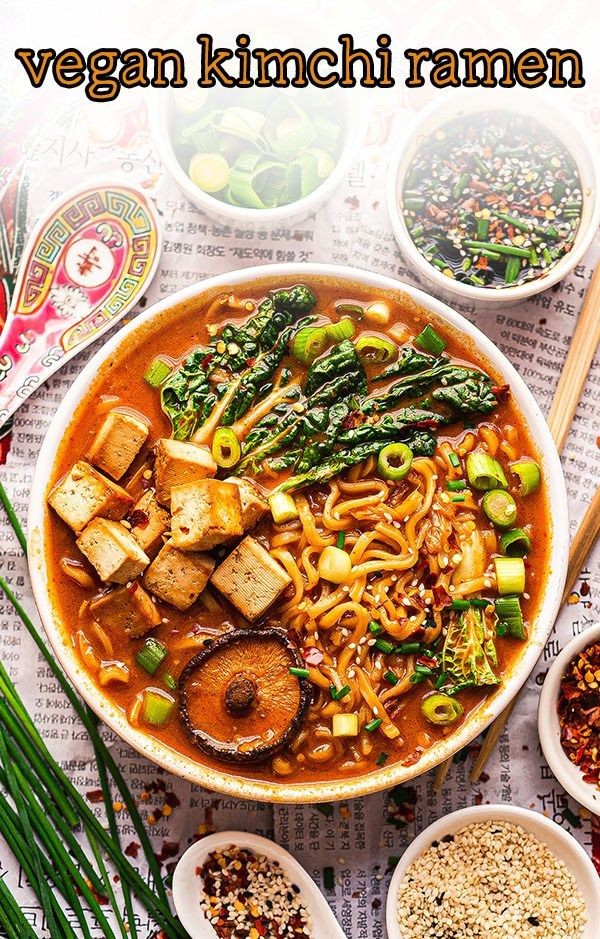
Spicy Kimchi Ramen
Although kimchi enthusiasts who are also ramen fans will likely adore this recipe, it’s worth noting that a few key ingredients elevate its flavor profile. The gochujang (fermented chili paste) is a crucial component, adding depth and heat to the dish, while the vegan kimchi provides a tangy and savory element. When sourcing vegan kimchi, consider the fermentation process as a priority; opting for a well-fermented, sour option rather than freshly made can make all the difference.
Feel free to get creative with your toppings, but some popular choices include chives, scallions, and sesame seeds.
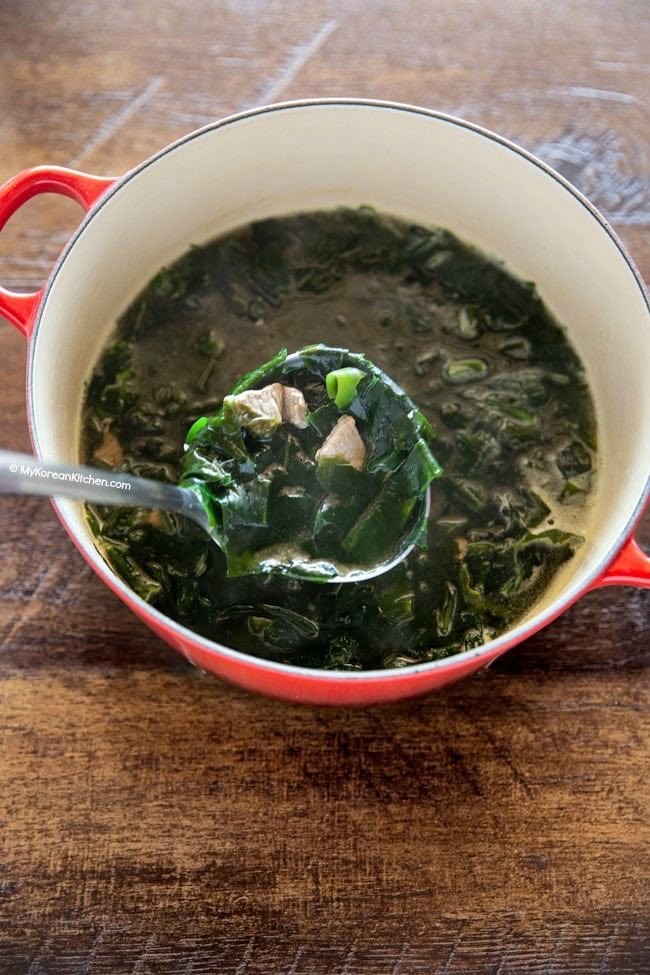
Seaweed Soup (miyeokguk)
Honouring the traditional roots of Japanese cuisine, this soup offers a perfect blend of flavour and nutrition. By incorporating wakame seaweed into the recipe, not only do we add an incredible depth of salty goodness, but also a rich source of vitamins and minerals that have been prized in Japan for centuries.
Folate, omega-3 fatty acids, vitamin B2, and manganese are just some of the key nutrients that make wakame such a valuable ingredient, while its reputation as a recovery aid is well-deserved due to its ability to support overall health and wellbeing. While this soup can be enjoyed on its own, it’s typically served with other protein sources like seafood, making it a satisfying and filling meal option.
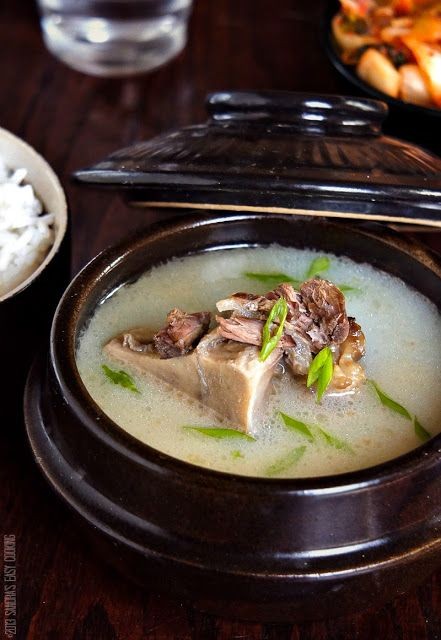
Ox Bone Broth
Cultivated in Seoul’s local cuisine, Seolleongtang or ox bone soup boasts a unique milky broth that’s infused with aromatics like ground black pepper, minced garlic, and scallions. The distinctive characteristic of its milky hue is not due to the beef broth itself, which typically has a brown color. Instead, it’s achieved through a labor-intensive process involving the prolonged boiling of ox bones for hours.
Radish Soup
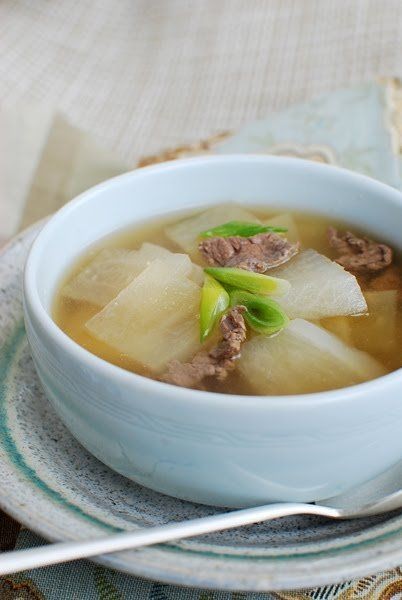
Digging deeper into the ingredients of this unique soup reveals an interesting blend of flavors. Despite being made with thinly sliced steak strips, it’s surprisingly light and refreshing, making it a welcome respite from the heavy beef-based soups we’re so accustomed to. Serve it alongside a bowl of white rice, and you’ll have a delightful Korean soup dish perfect for colder nights that will warm your belly without weighing you down.
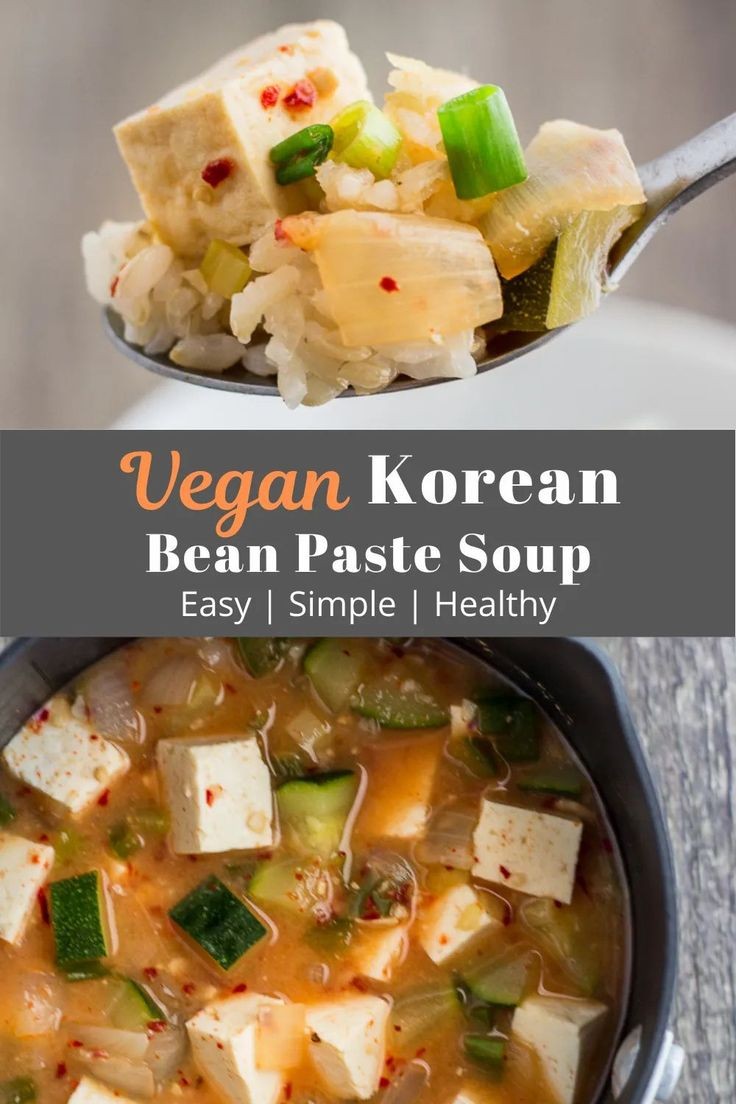
Silken Tofu Soup
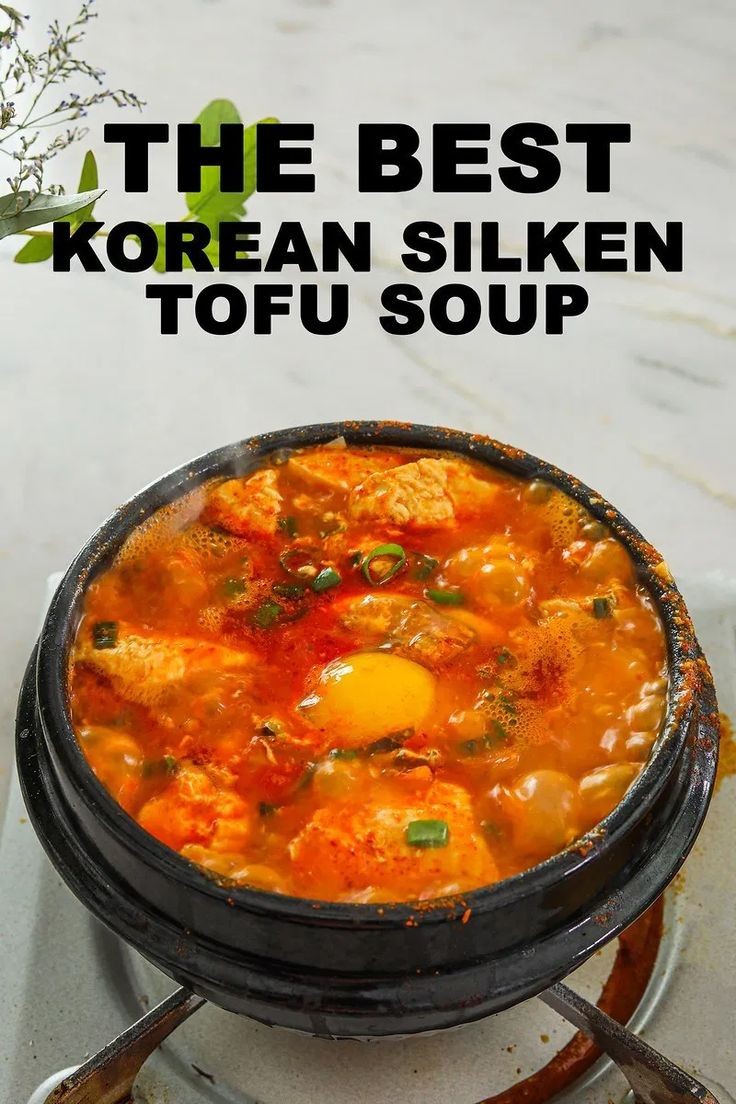
Packed into Korean cooking, silken tofu plays a crucial role as a versatile ingredient that absorbs flavors and adds bulk to soups. Not only is it a rich source of protein and essential vitamins, but it also lends a creamy texture to the soup when cooked. While Western cultures often perceive tofu as bland, this spicy Korean soup showcases its full flavor potential, making it an ideal dish to win over even the most devoted tofu skeptics.
Yukgaejang (Spicy Beef Soup)
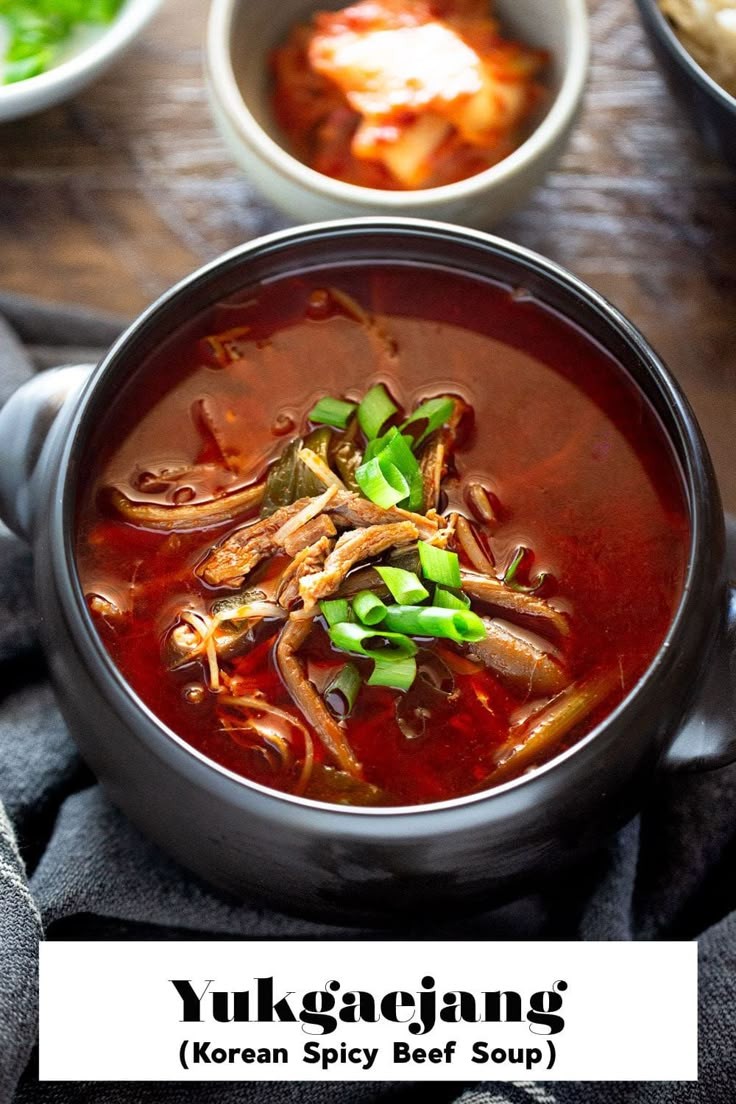
Versatile in its preparation and rich in flavor, this comforting soup showcases the underrated beauty of beef brisket. Although it demands extra care when cooking compared to other cuts of beef, its long-simmered goodness is truly unmatched.
The aromatic broth, infused with peppercorns, scallions, gochugaru, and a drizzle of sesame oil, not only tenderizes the meat but also preserves its natural juiciness, making it less prone to drying out as a cut of beef that’s often susceptible to this issue. Pair it with a steaming bowl of rice and relish in a satisfying meal that’s perfect for warming up on a chilly day.
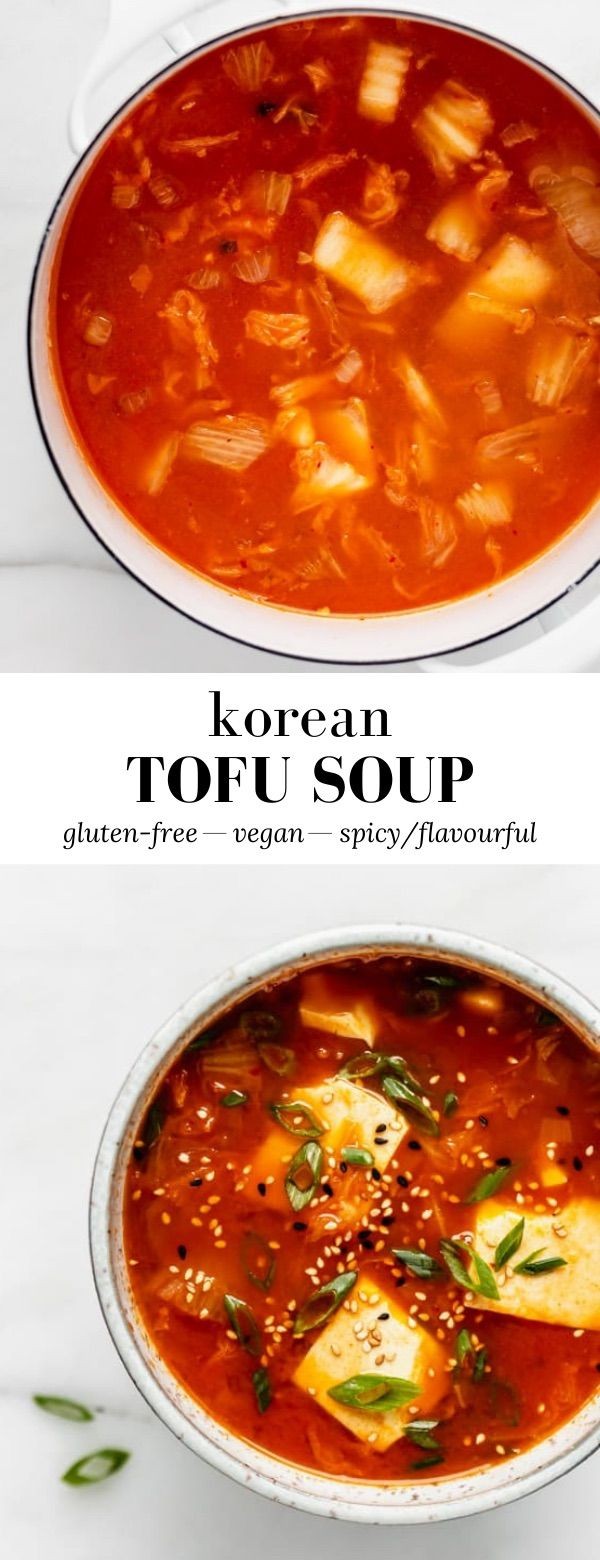
Kimchi Soup
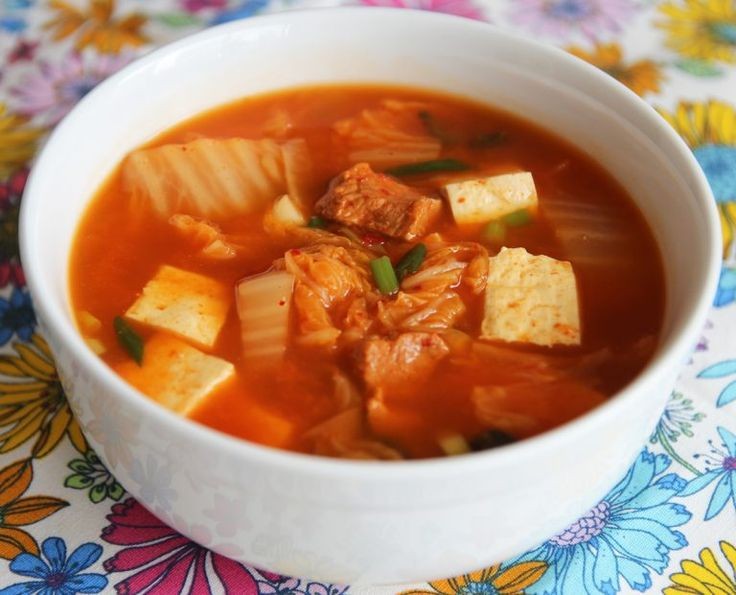
Similar to mapo tofu, this dish shares a similar flavor profile. It utilizes pork, tofu, and gochujang as key ingredients but makes some concessions to healthiness by reducing the oil content significantly and introducing kimchi for an unparalleled depth of flavor. The soup’s harmonious balance of tangy, sweet notes and umami richness creates an irresistible allure, making it a perfect one-pot meal that can be prepared in under half an hour.
Have you ever been drawn to the bold flavors found in mapo tofu?
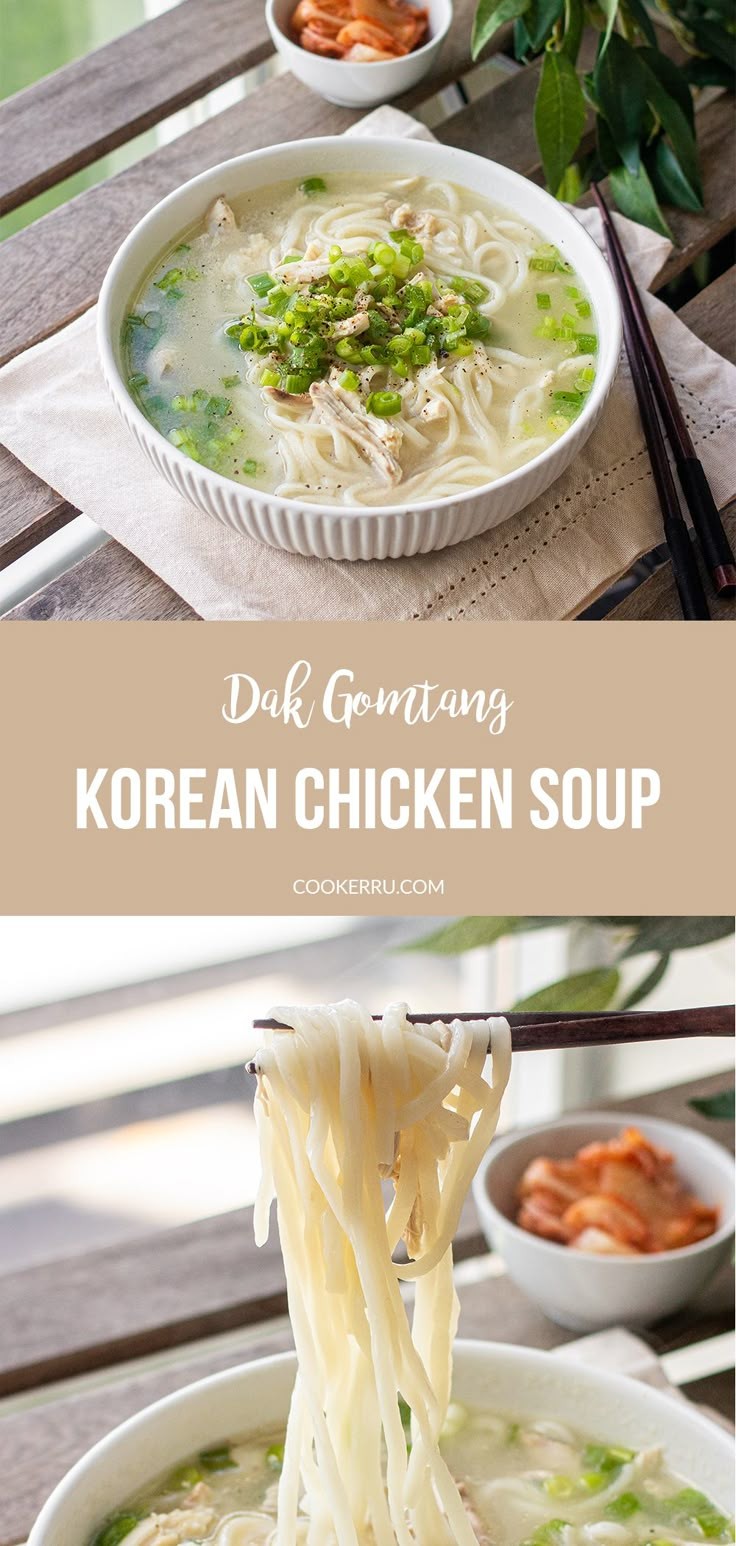
Dak Gomtang (Korean Chicken Soup)
Fusing Eastern and Western flavors together, this Korean-inspired dish bears a striking resemblance to the classic American chicken noodle soup. The harmonious balance of aromatic spices such as black peppercorns and scallions infuses the soup with a milder flavor profile compared to its counterparts on this list, yet remains one of the most soothing options available.
To cater to those seeking a more intense experience, serving kimchi alongside this comforting soup is an excellent way to satisfy their cravings for spicy, pungent flavors.
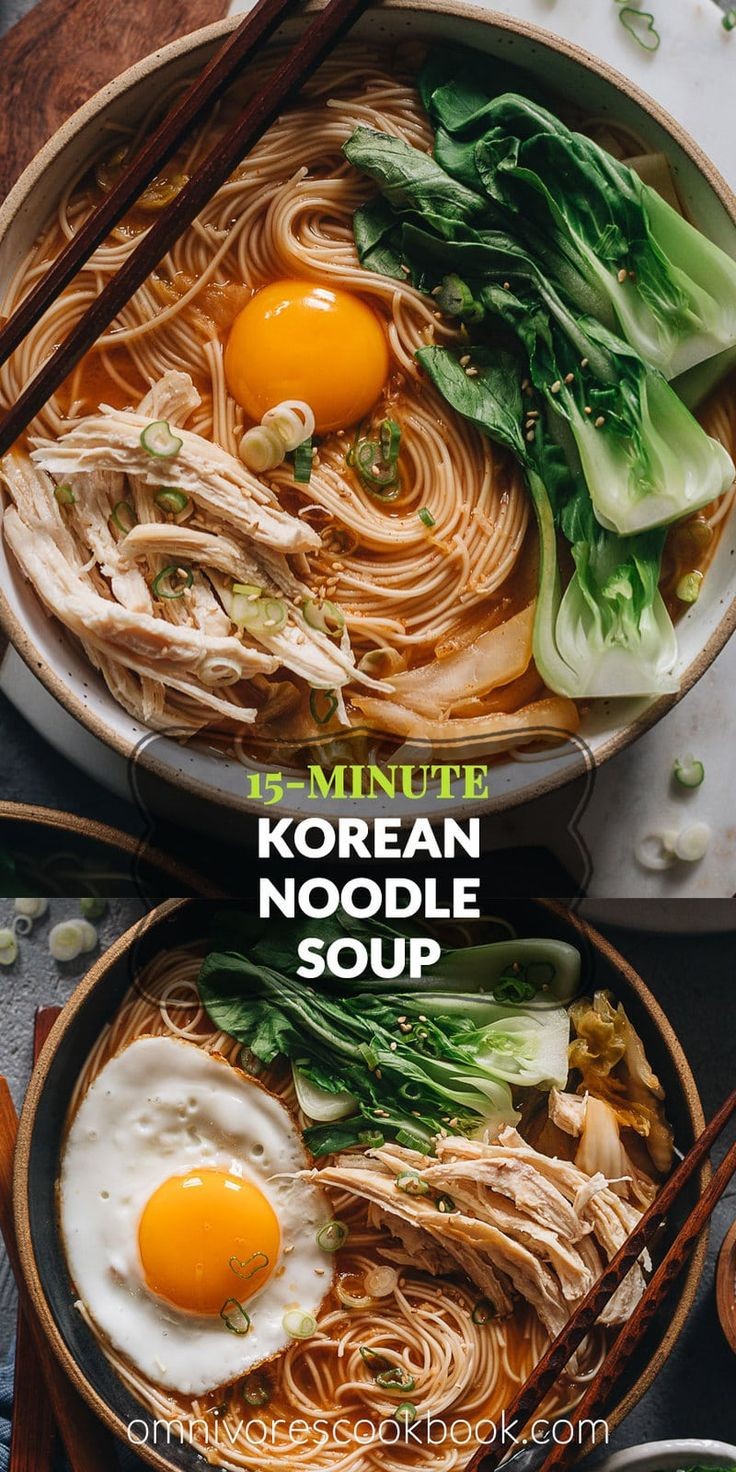
15-Minute Korean Noodle Soup
Sometimes, we all crave a spicy Korean-inspired meal without having to dedicate hours to slow cooking. Fortunately, this recipe provides a solution for those who want to skip the lengthy process of preparing a bone broth from scratch. It’s designed to be quick and easy to prepare while still packing plenty of flavor thanks to the addition of sweet elements like maple syrup, savory umami flavors such as gochujang and soy sauce, and aromatic garlic notes.
A tip for preserving the probiotic benefits and vibrant color of the kimchi is to stir it in at the end when the soup has finished boiling.
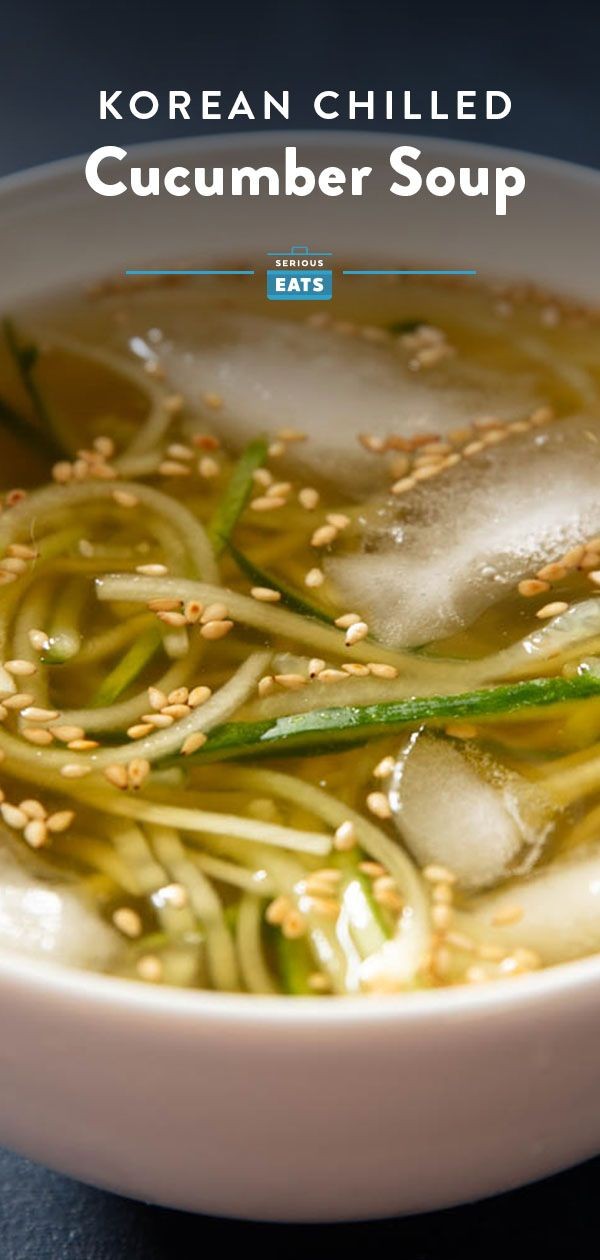
Icy Korean Cucumber Soup
Making a cold soup isn’t limited to gazpacho alone. One of its delightful counterparts is this cucumber soup, which offers an equally refreshing experience despite its delicate flavor profile. It’s versatile enough to be served as a palate cleanser between heavier courses, or as a light and rejuvenating side dish when you’re craving something easy on the palate.
Seafood Soup
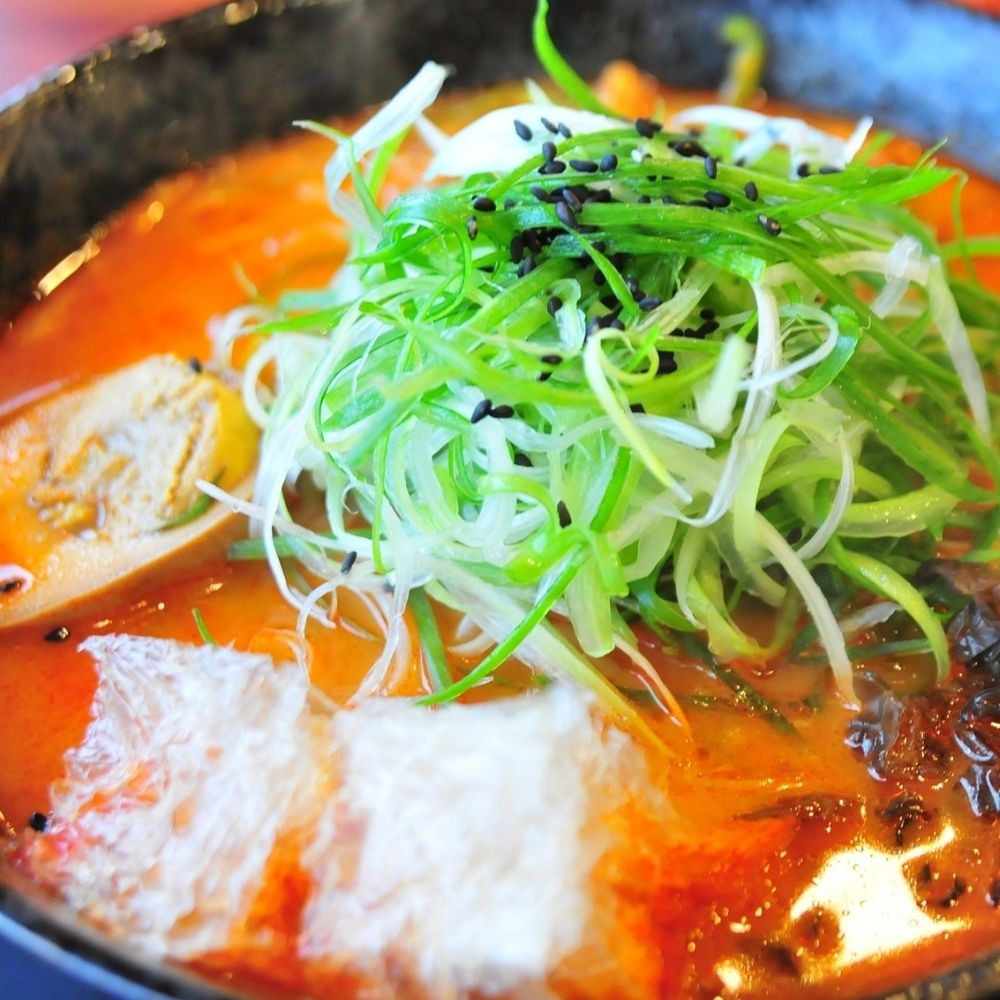
With its combination of succulent salmon, succulent shrimp, and vibrant veggies, this soup checks all the boxes for a comforting and satisfying meal. Not only is it bursting with fresh flavors from herbs, but the rich tomato base adds depth and warmth to each spoonful. Best of all, this hearty bowl can be assembled in under an hour, making it an impressive yet effortless option for any dinner gathering. Serve alongside crusty bread for the ultimate comforting experience.