Elevate your healthy dining game with these 20 delicious poached fish recipes! Whether you’re craving quick weeknight dinners, light seasonal favorites, or comforting meals that won’t weigh you down, we’ve got you covered. Get ready to discover simple, flavorful dishes that will make poached fish your new go-to for nutritious and satisfying meals. Let’s dive in and find your next kitchen masterpiece!
Lemon and Herb Poached Cod
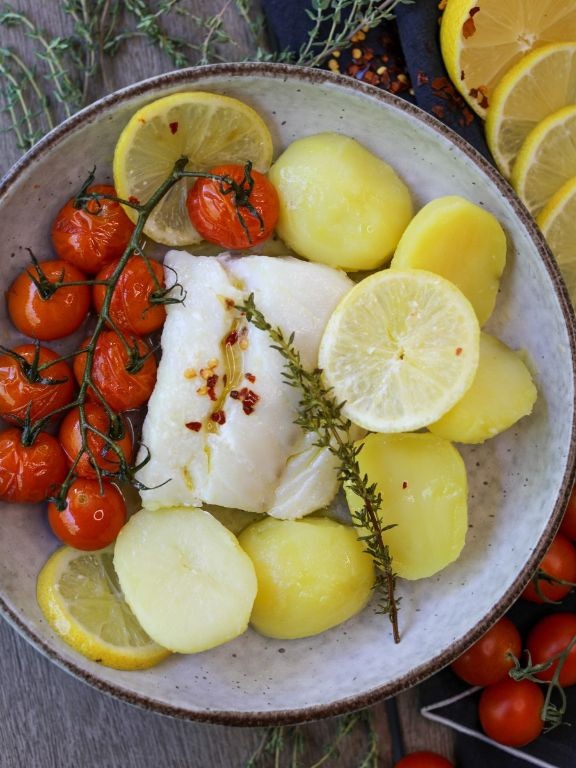
Keeping weeknight dinners simple yet elegant is key for busy home cooks. Lemon and herb poached cod delivers bright, fresh flavors with minimal effort. This method ensures tender, flaky fish every time.
Ingredients
– 4 cod fillets (6 oz each, about 1 inch thick)
– 4 cups water
– 1 lemon (thinly sliced, plus extra for serving)
– 2 tbsp fresh dill (chopped, or 2 tsp dried)
– 1 tbsp fresh parsley (chopped)
– 2 cloves garlic (minced)
– 1 tsp whole black peppercorns
– 1 tsp salt
– 2 tbsp olive oil (for drizzling)
Instructions
1. Combine water, lemon slices, dill, parsley, garlic, peppercorns, and salt in a large skillet.
2. Bring liquid to a simmer over medium-high heat (about 5 minutes).
3. Reduce heat to maintain a gentle simmer (bubbles should barely break the surface).
4. Carefully place cod fillets in the poaching liquid in a single layer.
5. Poach cod for 6-8 minutes until internal temperature reaches 145°F.
6. Tip: Insert an instant-read thermometer into the thickest part of a fillet to check doneness.
7. Remove skillet from heat and let cod rest in liquid for 2 minutes.
8. Use a slotted spatula to transfer cod to serving plates.
9. Tip: Reserve 1/4 cup poaching liquid to drizzle over fish if desired.
10. Discard remaining poaching liquid and aromatics.
11. Drizzle olive oil over each cod fillet before serving.
12. Tip: Serve immediately over rice or with roasted vegetables to soak up the flavorful oil.
Velvety tender cod flakes apart with gentle pressure from a fork. The lemon and herbs infuse the fish with bright, clean flavors without overpowering it. For a complete meal, serve alongside crusty bread to mop up the herbed olive oil pooling on the plate.
Ginger-Soy Poached Salmon
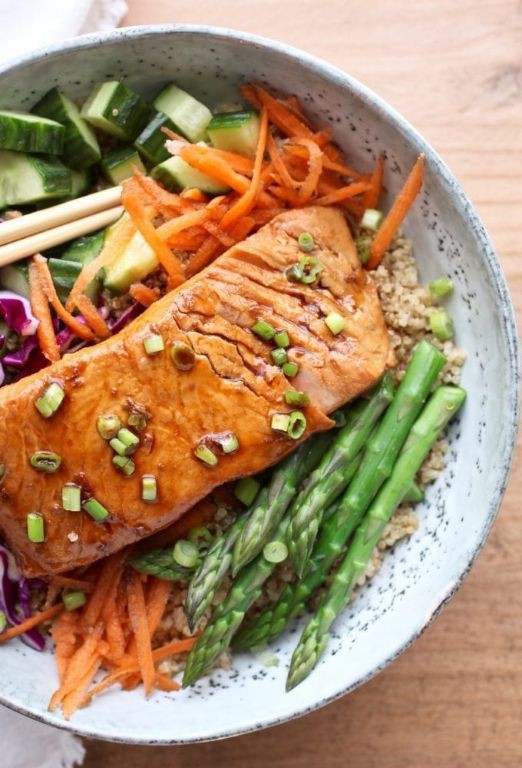
Let’s get straight to this simple, flavorful salmon. Lightly poaching in ginger-soy broth keeps the fish incredibly moist while infusing it with savory-sweet notes. You’ll have restaurant-quality results in under 20 minutes.
Ingredients
– 4 (6-ounce) salmon fillets, skin-on or skinless
– 1 cup low-sodium soy sauce, or tamari for gluten-free
– 1/4 cup rice vinegar
– 2 tablespoons honey, or maple syrup for vegan option
– 1 tablespoon sesame oil
– 4 garlic cloves, thinly sliced
– 2-inch piece fresh ginger, peeled and cut into matchsticks
– 2 green onions, thinly sliced (white and green parts separated)
– 1 cup water
– Cooked white rice for serving, or cauliflower rice for low-carb
Instructions
1. Combine soy sauce, rice vinegar, honey, sesame oil, garlic, ginger, and white parts of green onions in a large skillet.
2. Pour in 1 cup water and bring liquid to a simmer over medium-high heat.
3. Reduce heat to maintain a gentle simmer with small bubbles rising to the surface.
4. Carefully place salmon fillets in the simmering liquid, ensuring they’re mostly submerged.
5. Cover skillet and poach salmon for 8-10 minutes until flesh flakes easily with a fork.
6. Check doneness at 8 minutes—salmon should be opaque throughout but still moist.
7. Use a wide spatula to transfer salmon to serving plates, letting excess liquid drip off.
8. If desired, simmer poaching liquid for 2-3 more minutes to reduce slightly for a sauce.
9. Spoon reduced liquid over salmon and garnish with green onion tops.
Glazed with the reduced poaching liquid, the salmon develops a beautiful sheen while remaining flaky and tender. Serve it over steamed rice to soak up the aromatic ginger-soy broth, or alongside crisp steamed broccoli for a complete meal.
White Wine Poached Halibut
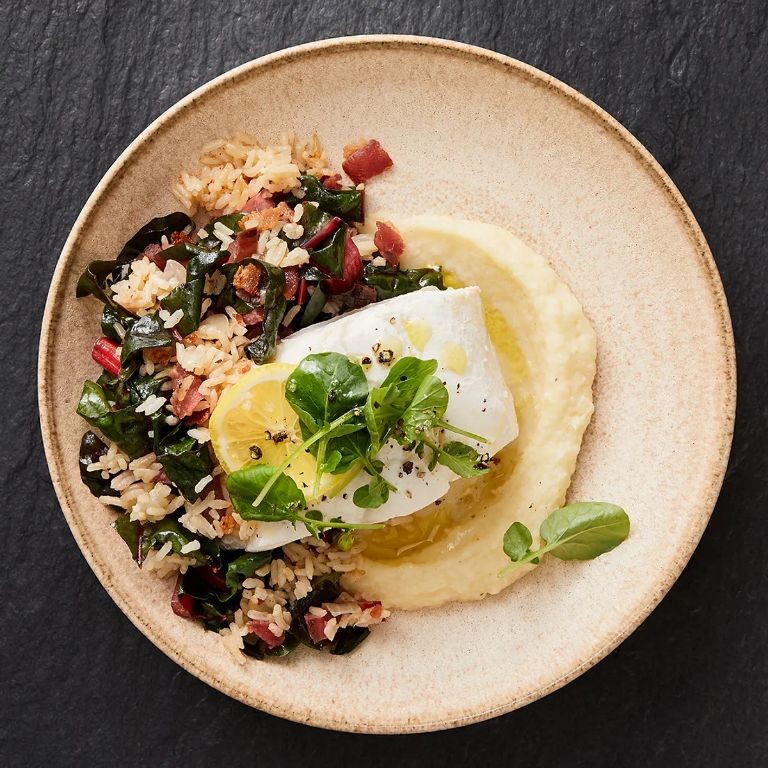
Zesty yet delicate, this white wine poached halibut brings restaurant-quality elegance to your weeknight table. The gentle poaching method keeps the fish incredibly moist while infusing subtle herbal notes throughout each flaky bite. You’ll appreciate how quickly this impressive dish comes together with minimal active cooking time.
Ingredients
– 4 (6-ounce) halibut fillets, skin removed
– 2 cups dry white wine (such as Sauvignon Blanc)
– 1 cup water
– 1 lemon, thinly sliced
– 3 sprigs fresh thyme
– 2 tablespoons unsalted butter
– 1 teaspoon kosher salt
– ½ teaspoon black pepper
– 2 tablespoons chopped fresh parsley
Instructions
1. Combine white wine, water, lemon slices, and thyme sprigs in a large skillet.
2. Bring the liquid to a gentle simmer over medium heat, about 5 minutes.
3. Season halibut fillets evenly with kosher salt and black pepper on both sides.
4. Carefully place halibut fillets in the simmering liquid, ensuring they’re fully submerged.
5. Reduce heat to maintain a bare simmer with small bubbles rising, about 180°F.
6. Poach halibut for 8-10 minutes until internal temperature reaches 135°F.
7. Remove halibut from liquid using a slotted spatula and transfer to serving plates.
8. Increase heat to medium-high and reduce poaching liquid by half, about 5-7 minutes.
9. Whisk in butter until melted and sauce slightly thickens.
10. Stir chopped parsley into the finished sauce.
11. Spoon warm sauce over poached halibut fillets.
Delicate flakes separate easily with a fork, revealing the perfectly cooked, pearlescent interior. The buttery wine sauce adds richness without overwhelming the halibut’s natural sweetness. Serve over creamy polenta or with roasted asparagus to soak up every drop of the fragrant poaching liquid.
Coconut Milk Poached Mahi-Mahi
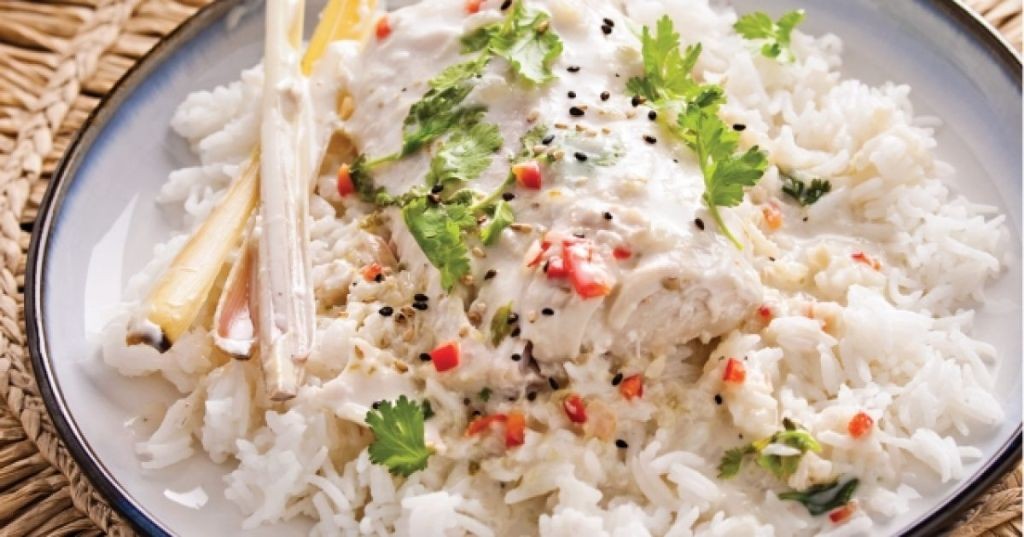
Unbelievably tender mahi-mahi gets its luxurious texture from gentle poaching in rich coconut milk. This method keeps the fish moist while infusing it with tropical flavors. You’ll have restaurant-quality results in under 30 minutes.
Ingredients
– 1.5 lbs mahi-mahi fillets, skin removed (or any firm white fish)
– 2 cups full-fat coconut milk (shake can well before opening)
– 1 tbsp coconut oil (or any neutral oil)
– 2 garlic cloves, minced (about 1 tsp)
– 1 tbsp fresh ginger, grated (or 1 tsp ground ginger)
– 1 tbsp lime juice (freshly squeezed for best flavor)
– 1 tsp fish sauce (optional, for umami depth)
– 1/4 tsp red pepper flakes (adjust for desired heat)
– 1/4 cup fresh cilantro, chopped (for garnish)
– Salt to season fish
Instructions
1. Pat mahi-mahi fillets completely dry with paper towels and season both sides with salt.
2. Heat coconut oil in a large skillet over medium heat until shimmering, about 2 minutes.
3. Add minced garlic and grated ginger to the skillet, cooking until fragrant, 30-45 seconds.
4. Pour coconut milk into the skillet, scraping any browned bits from the bottom.
5. Stir in lime juice, fish sauce, and red pepper flakes until well combined.
6. Bring coconut milk mixture to a gentle simmer (small bubbles around edges), about 3-4 minutes.
7. Carefully place mahi-mahi fillets in the simmering liquid in a single layer.
8. Reduce heat to low and cover skillet with a tight-fitting lid.
9. Poach fish for 8-10 minutes until internal temperature reaches 145°F and flesh flakes easily.
10. Remove skillet from heat and let fish rest in the liquid for 2 minutes.
11. Use a slotted spatula to transfer fish to serving plates.
12. Spoon warm coconut sauce over the fish and garnish with fresh cilantro.
Zesty and creamy, this mahi-mahi flakes apart with gentle pressure while remaining remarkably moist. The coconut milk creates a silky sauce that clings to each bite. Serve over jasmine rice to soak up every drop of the aromatic liquid.
Garlic Butter Poached Tilapia
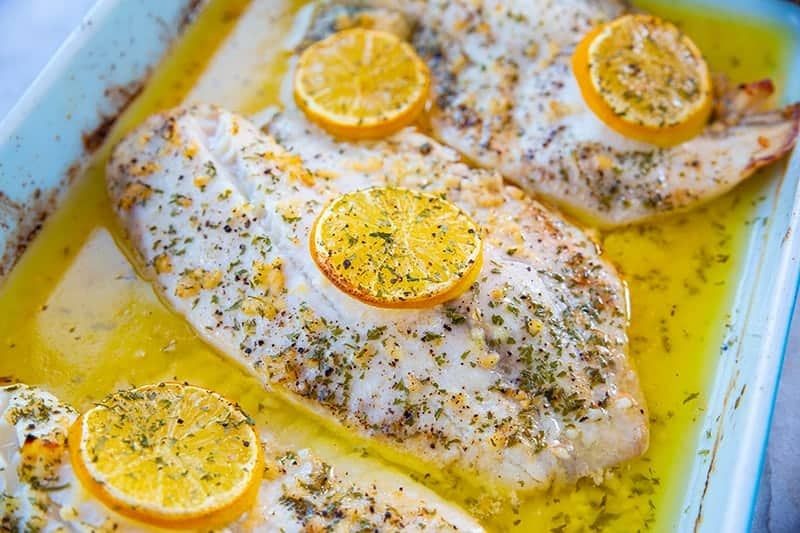
A perfectly cooked tilapia starts with gentle poaching in garlic butter. This method yields tender, flaky fish every time without overcooking. Simple ingredients create an elegant dish ready in minutes.
Ingredients
– 4 tilapia fillets (about 6 oz each, pat dry with paper towels)
– 1/2 cup unsalted butter (cut into 1-inch cubes for even melting)
– 4 garlic cloves (minced, or use 2 tsp garlic powder in a pinch)
– 1/2 cup chicken broth (or vegetable broth for variation)
– 2 tbsp fresh lemon juice (about 1 medium lemon)
– 1/4 tsp black pepper (freshly cracked preferred)
– 1/4 tsp salt (adjust to taste)
– 2 tbsp chopped fresh parsley (or 2 tsp dried parsley)
Instructions
1. Combine butter, garlic, chicken broth, lemon juice, salt, and pepper in a large skillet.
2. Heat over medium-low until butter melts completely and mixture begins to simmer gently.
3. Carefully place tilapia fillets in the skillet in a single layer without crowding.
4. Spoon some of the garlic butter sauce over the top of each fillet.
5. Maintain a gentle simmer where small bubbles form around the edges but don’t break the surface.
6. Poach for 6-8 minutes until fish turns opaque white and flakes easily with a fork.
7. Use a thin spatula to carefully transfer fish to serving plates to prevent breaking.
8. Increase heat to medium-high and simmer sauce for 2-3 minutes until slightly thickened.
9. Stir in chopped parsley until evenly distributed throughout the sauce.
10. Spoon the finished garlic butter sauce over the plated tilapia fillets.
Outrageously tender tilapia flakes apart at the slightest touch while soaking up the rich garlic butter. The gentle poaching creates a moist texture that pairs beautifully with the bright, savory sauce. Serve over rice to catch every drop of the flavorful liquid or with crusty bread for dipping.
Tomato Basil Poached Sea Bass
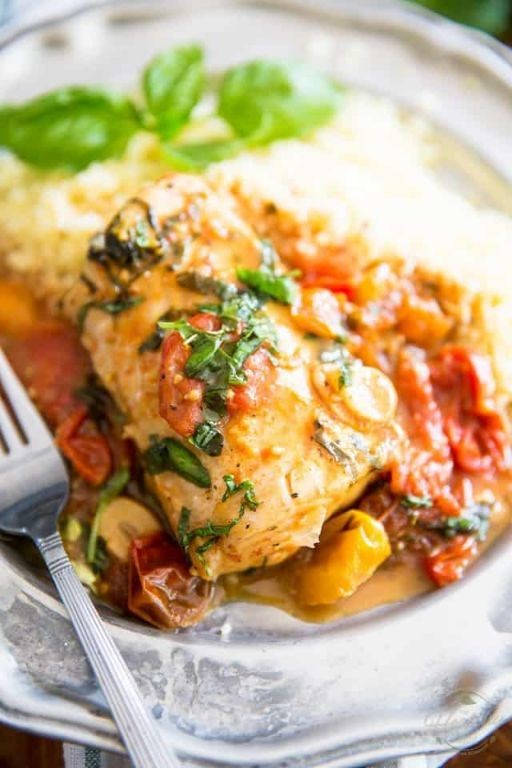
Keeping weeknight dinners simple yet elegant is easier than you think. This tomato basil poached sea bass comes together in under 30 minutes with minimal cleanup required. Fresh flavors shine through the gentle poaching method.
Ingredients
– 4 sea bass fillets (6 oz each), skin-on for better texture
– 2 cups cherry tomatoes, halved for quicker breakdown
– 1/4 cup fresh basil leaves, torn by hand to prevent bruising
– 3 cloves garlic, thinly sliced for even distribution
– 1/2 cup dry white wine (like Sauvignon Blanc), or substitute with fish stock
– 1/4 cup extra virgin olive oil, plus extra for drizzling
– 1 tsp kosher salt, adjust based on tomato saltiness
– 1/2 tsp black pepper, freshly cracked preferred
Instructions
1. Pat sea bass fillets completely dry with paper towels to ensure proper searing.
2. Season both sides of fillets evenly with kosher salt and black pepper.
3. Heat olive oil in a large skillet over medium-high heat until shimmering, about 2 minutes.
4. Place fillets skin-side down in the hot skillet, pressing gently with a spatula for 30 seconds to prevent curling.
5. Cook skin-side down for 4 minutes until skin is golden brown and crispy.
6. Flip fillets carefully using a thin spatula and cook for 1 minute on the flesh side.
7. Remove fillets from skillet and set aside on a clean plate.
8. Add sliced garlic to the same skillet and cook for 1 minute until fragrant but not browned.
9. Pour in white wine to deglaze the pan, scraping up any browned bits with a wooden spoon.
10. Add halved cherry tomatoes and cook for 5 minutes until they begin to break down and release juices.
11. Return sea bass fillets to the skillet, nestling them into the tomato mixture skin-side up.
12. Reduce heat to low, cover skillet, and poach for 6 minutes until fish flakes easily with a fork.
13. Turn off heat and stir in torn basil leaves just before serving.
Flaky sea bass melts against the bright acidity of burst tomatoes. The crispy skin provides textural contrast to the tender flesh beneath. Serve over creamy polenta or crusty bread to soak up the flavorful poaching liquid.
Miso Poached Black Cod
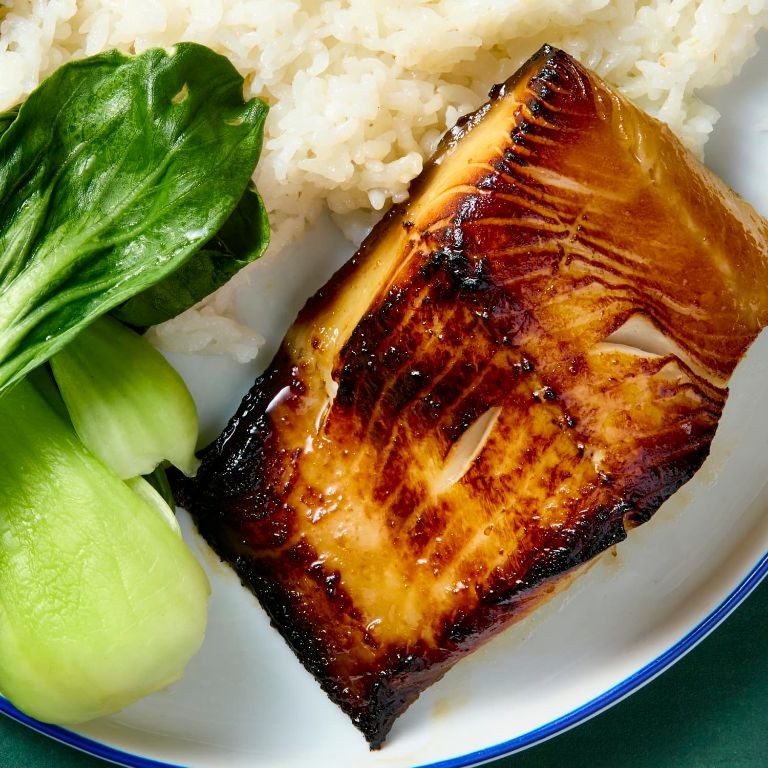
A perfectly cooked miso poached black cod delivers restaurant-quality elegance with minimal effort. This gentle cooking method keeps the fish incredibly moist while infusing it with savory umami flavor. You’ll be amazed how such simple ingredients create such impressive results.
Ingredients
– 1 lb black cod fillets (skin-on for better texture)
– 4 cups water
– 1/4 cup white miso paste (shiro miso works best)
– 2 tbsp mirin (or substitute with dry sherry)
– 1 tbsp soy sauce (use reduced-sodium if preferred)
– 1 inch fresh ginger, sliced (no need to peel)
– 2 green onions, cut into 2-inch pieces
– 1 tsp sesame oil (for finishing)
Instructions
1. Combine water, miso paste, mirin, and soy sauce in a large skillet or shallow pot.
2. Whisk the mixture vigorously until the miso completely dissolves into the liquid.
3. Add ginger slices and green onion pieces to the poaching liquid.
4. Heat the liquid over medium-high heat until it reaches 160°F, using an instant-read thermometer.
5. Reduce heat to maintain a gentle simmer with small bubbles around the edges.
6. Carefully place black cod fillets skin-side down into the simmering liquid.
7. Poach the fish for exactly 8 minutes without moving the fillets.
8. Check doneness by inserting a fork – the flesh should flake easily but remain moist.
9. Use a slotted spatula to transfer the cod to serving plates, leaving the skin behind if desired.
10. Drizzle sesame oil over the hot fish just before serving.
Lusciously tender flakes melt in your mouth with each savory bite of this miso-infused cod. The gentle poaching creates a silky texture that pairs beautifully with steamed jasmine rice to soak up the flavorful broth. For an elegant presentation, garnish with thinly sliced scallions and serve alongside quick-pickled vegetables.
Dill and White Pepper Poached Trout
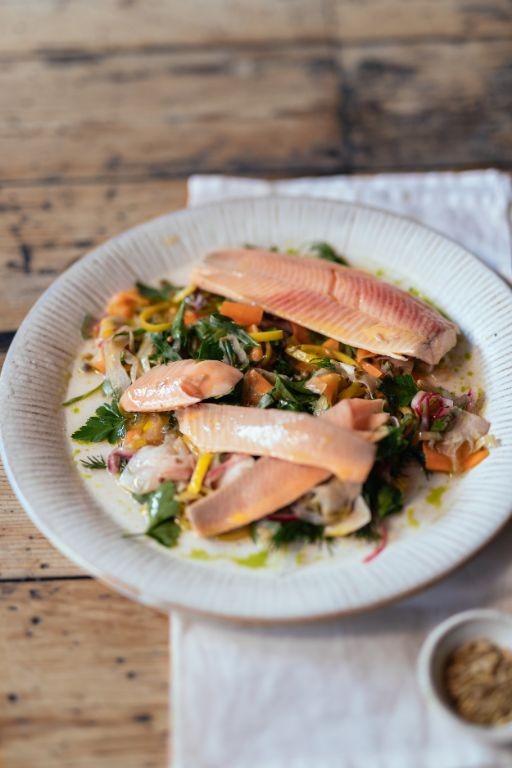
Unbelievably simple yet elegant, this poached trout comes together with minimal effort. Using just a few key ingredients creates a delicate, flaky fish perfect for weeknights. The dill and white pepper combination provides subtle herbal notes without overpowering the trout’s natural flavor.
Ingredients
- 2 trout fillets (6 oz each), skin-on for better texture
- 4 cups water, or enough to cover fillets completely
- 1 tbsp white peppercorns, lightly crushed for maximum flavor release
- 2 tbsp fresh dill, chopped (plus extra for garnish)
- 1 tsp salt, adjust based on preference
- 1 lemon, sliced into thin rounds for poaching liquid
Instructions
- Combine water, white peppercorns, and salt in a large skillet over high heat.
- Bring liquid to 165°F, using a thermometer to ensure proper poaching temperature.
- Reduce heat to maintain steady 165°F temperature throughout poaching process.
- Gently slide trout fillets into the poaching liquid, skin-side down.
- Arrange lemon slices evenly over the top of the fillets.
- Sprinkle chopped dill directly over the fish and lemon slices.
- Cover skillet and poach for 8 minutes exactly for 6-oz fillets.
- Check doneness by inserting fork – flesh should flake easily and appear opaque.
- Remove fillets carefully with slotted spatula to prevent breaking.
- Pat fillets dry with paper towels to remove excess moisture before serving.
What emerges is remarkably tender fish with clean, bright flavors that let the trout shine. The delicate flakes separate beautifully while maintaining moisture throughout. Try serving over creamy polenta or with roasted asparagus to complement the subtle herbal notes.
Saffron Broth Poached Snapper

Saffron transforms simple snapper into an elegant, aromatic dish that feels restaurant-worthy. Steep threads in warm broth first to unlock their golden color and floral notes. This gentle poaching method keeps the fish incredibly moist and flaky.
Ingredients
– 4 (6 oz) snapper fillets, skin-on for better structure
– 4 cups fish stock, or vegetable broth as substitute
– 1/2 tsp saffron threads, lightly crushed to release flavor
– 1/4 cup dry white wine, such as Sauvignon Blanc
– 1 lemon, thinly sliced plus extra wedges for serving
– 2 tbsp olive oil, or any neutral oil
– 3 garlic cloves, thinly sliced
– 1 small fennel bulb, thinly sliced (about 1 cup)
– 1/2 tsp black peppercorns, lightly cracked
– 1/4 cup fresh parsley, chopped
– Salt, about 1 tsp total
Instructions
1. Heat olive oil in a large skillet over medium heat until shimmering.
2. Add sliced fennel and garlic, sauté for 4-5 minutes until softened but not browned.
3. Pour in fish stock and white wine, bring to a gentle simmer.
4. Add saffron threads, cracked peppercorns, and 1/2 tsp salt to the simmering liquid.
5. Steep the saffron for 3 minutes until the broth turns golden yellow.
6. Reduce heat to maintain a bare simmer (160-170°F) where small bubbles barely break the surface.
7. Pat snapper fillets completely dry with paper towels and season both sides with remaining salt.
8. Carefully lower fillets into the simmering broth, skin-side up if using skin-on.
9. Poach for 6-8 minutes until flesh turns opaque and flakes easily with a fork.
10. Add lemon slices to the broth during the last 2 minutes of cooking.
11. Remove fillets with a slotted spatula, allowing excess broth to drain.
12. Stir chopped parsley into the remaining broth just before serving.
The tender, flaky fish absorbs the saffron’s delicate floral notes while remaining remarkably moist. Try serving it over creamy polenta or with crusty bread to soak up every drop of the aromatic broth.
Chili-Lime Poached Swordfish
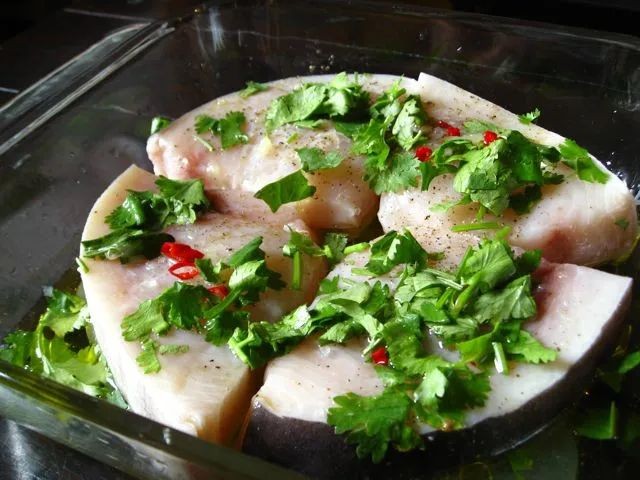
Hitting that sweet spot between light and flavorful, this chili-lime poached swordfish delivers restaurant-quality results with minimal effort. Perfect for busy weeknights when you want something impressive but don’t have hours to spend in the kitchen. The gentle poaching method keeps the fish incredibly moist while infusing it with bright, zesty flavors.
Ingredients
– 1 lb swordfish steaks, 1-inch thick (pat dry with paper towels for better searing)
– 2 cups fish stock (or vegetable broth as substitute)
– 1/4 cup fresh lime juice (about 2 limes)
– 2 tbsp olive oil (or any neutral oil)
– 1 tsp chili powder (adjust heat level to preference)
– 3 garlic cloves, minced (fresh preferred over powdered)
– 1 tsp kosher salt (reduce if using table salt)
– 1/4 cup chopped cilantro (omit if you dislike herbal notes)
Instructions
1. Pat swordfish steaks completely dry with paper towels on all surfaces.
2. Heat olive oil in a large skillet over medium-high heat until shimmering, about 2 minutes.
3. Season both sides of swordfish with kosher salt and chili powder, pressing gently to adhere.
4. Sear swordfish for 2 minutes per side until golden brown crust forms – don’t move fish during searing.
5. Reduce heat to medium-low and add minced garlic to the skillet, cooking for 30 seconds until fragrant.
6. Pour in fish stock and lime juice, scraping up any browned bits from the bottom of the pan.
7. Bring liquid to a gentle simmer where small bubbles form around the edges, not a rolling boil.
8. Cover skillet and poach swordfish for 6-8 minutes until internal temperature reaches 145°F on an instant-read thermometer.
9. Remove swordfish from liquid and transfer to serving plates using a slotted spatula.
10. Spoon some of the poaching liquid over the fish and garnish with chopped cilantro. Carefully checking internal temperature ensures perfectly cooked fish without overcooking. The gentle simmer prevents the fish from becoming tough and rubbery. Scraping up the browned bits incorporates all the seared flavor into the poaching liquid. Comes out flaky yet firm with a subtle heat that builds slowly. The lime cuts through the richness while keeping everything bright and fresh. Serve over cilantro rice or with grilled vegetables to soak up the flavorful poaching liquid.
Lemongrass and Coconut Poached Catfish
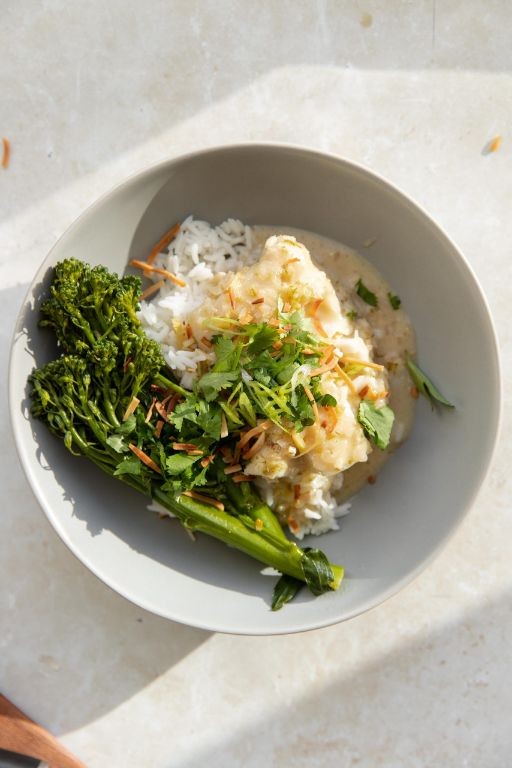
Crisp, fragrant lemongrass and creamy coconut milk create a delicate broth for tender catfish fillets. This Vietnamese-inspired dish comes together quickly with minimal prep work. You’ll have restaurant-quality results in under 30 minutes.
Ingredients
– 1 lb catfish fillets, cut into 2-inch pieces (or any firm white fish)
– 2 stalks fresh lemongrass, bruised and cut into 2-inch lengths (remove tough outer layers)
– 1 (13.5 oz) can coconut milk (full-fat for richer flavor)
– 1 tbsp vegetable oil (or any neutral oil)
– 2 cloves garlic, minced
– 1-inch piece ginger, sliced thin
– 1 tbsp fish sauce
– 1 tsp sugar
– 1 red chili, sliced (optional, for heat)
– 1/4 cup fresh cilantro leaves
– 2 tbsp lime juice (freshly squeezed)
Instructions
1. Heat vegetable oil in a large skillet over medium heat until shimmering.
2. Add minced garlic and ginger slices, cooking for 1 minute until fragrant but not browned.
3. Pour in coconut milk, then add lemongrass stalks, fish sauce, and sugar.
4. Bring mixture to a gentle simmer over medium-low heat, stirring occasionally.
5. Carefully place catfish pieces into the simmering liquid in a single layer.
6. Reduce heat to low, cover skillet, and poach fish for 8-10 minutes until opaque and flaky.
7. Remove skillet from heat and stir in lime juice and sliced chili if using.
8. Discard lemongrass stalks and ginger slices before serving.
9. Garnish with fresh cilantro leaves.
Generous portions of flaky catfish soak up the aromatic coconut broth beautifully. The tender fish contrasts nicely with the bright, citrusy notes from lemongrass and lime. Serve over jasmine rice or with crusty bread to soak up every drop of the flavorful liquid.
Orange and Fennel Poached Grouper
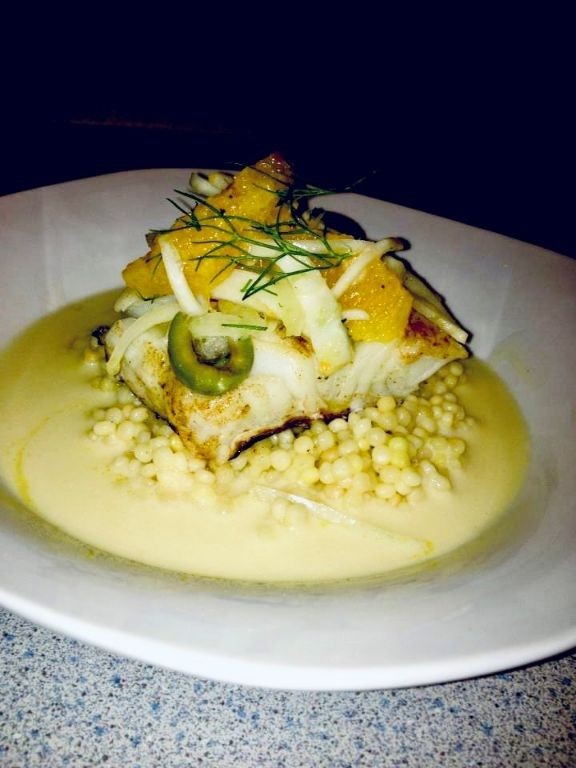
Gently poaching fish keeps it incredibly moist and tender. This orange and fennel combination creates a bright, aromatic broth that perfectly complements mild grouper. You’ll have restaurant-quality results with minimal effort.
Ingredients
– 4 grouper fillets (6 oz each), skin removed
– 2 cups fresh orange juice, strained
– 1 large fennel bulb, thinly sliced (fronds reserved for garnish)
– 1 small yellow onion, thinly sliced
– 2 tbsp olive oil (or any neutral oil)
– 1 tsp fennel seeds, lightly crushed
– 1/2 tsp salt
– 1/4 tsp black pepper
– 2 cups water
Instructions
1. Heat olive oil in a large skillet over medium heat until shimmering.
2. Add sliced fennel and onion, cooking for 5 minutes until slightly softened.
3. Stir in fennel seeds and cook for 1 minute until fragrant.
4. Pour in orange juice and water, bringing to a gentle simmer.
5. Season grouper fillets with salt and pepper on both sides.
6. Carefully place fillets in the simmering liquid, ensuring they’re fully submerged.
7. Reduce heat to maintain a bare simmer (small bubbles around edges only).
8. Poach for 8-10 minutes until fish flakes easily with a fork.
9. Use a slotted spatula to transfer fish to serving plates.
10. Increase heat to medium-high and reduce poaching liquid by half, about 5 minutes.
11. Spoon reduced liquid and vegetables over the grouper fillets.
12. Garnish with reserved fennel fronds. Never overcrowd the pan when poaching to ensure even cooking. Test doneness by inserting a fork—the fish should flake cleanly. Reducing the poaching liquid intensifies the citrus flavor without adding extra ingredients. Notice how the delicate fish remains perfectly intact while absorbing the citrus and anise notes. The fennel adds a subtle crunch against the tender grouper. Serve over couscous or with crusty bread to soak up the aromatic broth.
Turmeric and Cumin Poached Haddock
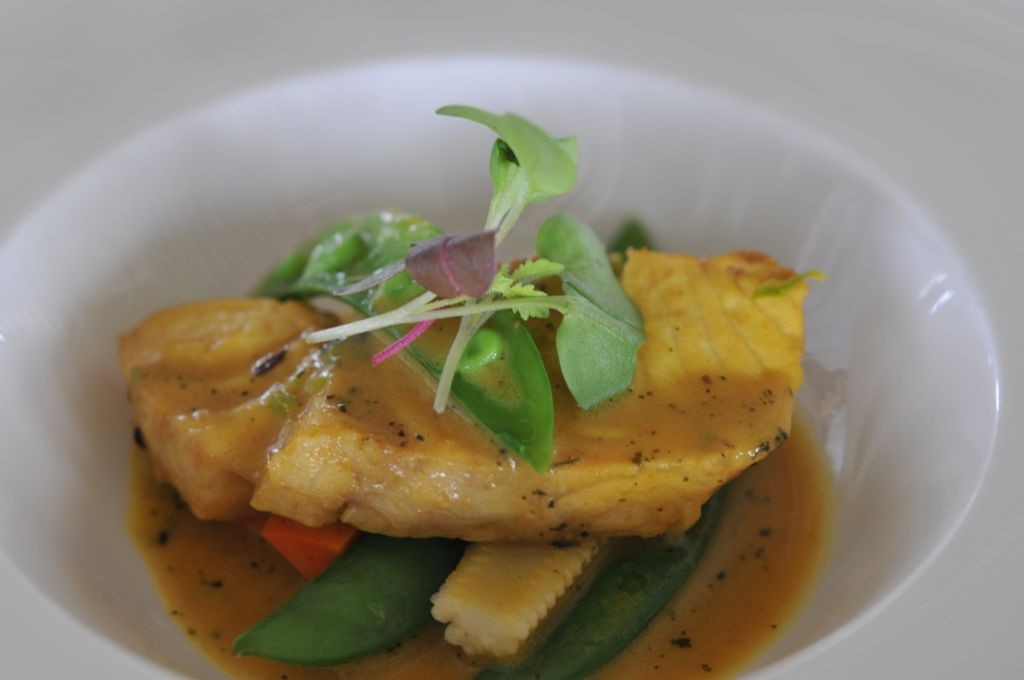
Warm spices transform simple haddock into a vibrant, aromatic dish. This poaching method keeps the fish incredibly moist while infusing it with earthy flavors. You’ll have restaurant-quality results in under 30 minutes.
Ingredients
- 1 lb haddock fillets, skin removed (or cod as substitute)
- 2 cups water
- 1 tbsp olive oil (or any neutral oil)
- 1 tsp ground turmeric
- 1 tsp ground cumin
- 3 garlic cloves, minced
- 1 lemon, juiced (about 2 tbsp)
- 1/2 tsp salt
- 1/4 tsp black pepper
- 2 tbsp fresh parsley, chopped (cilantro works too)
Instructions
- Heat olive oil in a large skillet over medium heat until shimmering.
- Add minced garlic and cook for 1 minute until fragrant but not browned.
- Sprinkle turmeric and cumin directly into the oil, stirring constantly for 30 seconds to toast the spices.
- Pour water into the skillet, scraping any browned bits from the bottom.
- Add salt and black pepper to the poaching liquid.
- Bring liquid to a gentle simmer where small bubbles form around the edges.
- Carefully place haddock fillets in the simmering liquid in a single layer.
- Reduce heat to low, maintaining a bare simmer without boiling.
- Cover skillet and poach for 6-8 minutes until fish flakes easily with a fork.
- Remove haddock from liquid using a slotted spatula, letting excess liquid drain.
- Drizzle lemon juice evenly over the poached haddock.
- Sprinkle chopped parsley over the fish before serving.
Perfectly poached haddock flakes into tender, moist segments with each bite. The turmeric provides earthy warmth while cumin adds subtle smokiness that balances the bright lemon. Serve it over quinoa with the poaching liquid reduced into a sauce, or flake it into tacos with crunchy cabbage slaw.
Rosemary and Lemon Poached Monkfish

A perfectly poached monkfish transforms weeknight dinners into elegant affairs. Rosemary and lemon create a bright, aromatic broth that gently cooks the firm white fish. This method yields tender, flaky results without fuss.
Ingredients
– 1 lb monkfish fillets, skin removed (cut into 2-inch chunks)
– 2 cups fish stock or vegetable broth (use high-quality for best flavor)
– 2 tbsp fresh lemon juice (about 1 lemon)
– 1 tbsp olive oil (or any neutral oil)
– 2 fresh rosemary sprigs (or 1 tsp dried)
– 3 garlic cloves, smashed (peeled)
– 1 tsp kosher salt (adjust to taste)
– ½ tsp black pepper, freshly ground
– 1 lemon, sliced into thin rounds (for garnish)
– 2 tbsp chopped fresh parsley (optional, for garnish)
Instructions
1. Combine fish stock, lemon juice, olive oil, rosemary, garlic, salt, and pepper in a large skillet.
2. Bring liquid to a gentle simmer over medium heat, about 4-5 minutes.
3. Reduce heat to low once bubbles form at the edges.
4. Add monkfish chunks in a single layer, ensuring they’re fully submerged.
5. Maintain liquid temperature at 160-170°F using a thermometer.
6. Poach fish for 8-10 minutes until opaque and firm to touch.
7. Remove skillet from heat immediately when done.
8. Transfer monkfish to serving plates using a slotted spoon.
9. Discard rosemary sprigs and garlic from poaching liquid.
10. Spoon hot poaching liquid over fish.
11. Garnish with lemon slices and parsley.
Flaky, moist monkfish absorbs the rosemary-lemon essence beautifully. Serve over creamy polenta or with crusty bread to soak up the aromatic broth. The firm texture holds up well alongside roasted vegetables for a complete meal.
Green Tea Poached Arctic Char
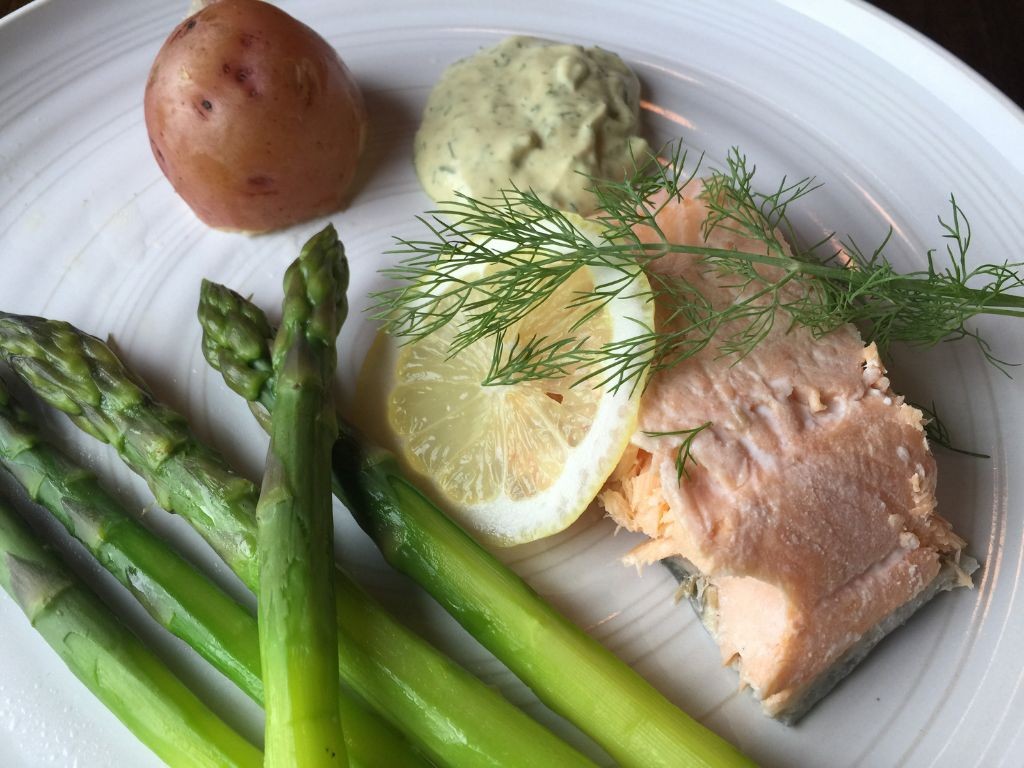
Green tea poached arctic char delivers delicate flavor with minimal effort. Get restaurant-quality results using this gentle cooking method. Perfect for weeknight dinners or elegant entertaining.
Ingredients
– 2 arctic char fillets (6 oz each, skin-on for better texture)
– 4 cups water
– 2 green tea bags (or 2 tbsp loose leaf green tea)
– 1 lemon, sliced (plus extra for serving)
– 1 tbsp soy sauce (or tamari for gluten-free)
– 1 tsp grated ginger (fresh preferred for brighter flavor)
– 1 tsp honey (adjust for preferred sweetness)
– 1/4 tsp salt
– 2 green onions, sliced (for garnish)
Instructions
1. Combine water, tea bags, lemon slices, soy sauce, ginger, honey, and salt in a large skillet.
2. Bring liquid to 160°F over medium heat, using a thermometer for accuracy.
3. Reduce heat to maintain 160°F temperature throughout poaching.
4. Gently slide arctic char fillets into the poaching liquid, skin-side down.
5. Poach fish for 8-10 minutes until flesh turns opaque and flakes easily.
6. Remove fish with a slotted spatula, letting excess liquid drain back into pan.
7. Transfer fillets to serving plates immediately to prevent overcooking.
8. Garnish with sliced green onions and additional lemon wedges.
Outcome: The arctic char becomes incredibly tender with subtle green tea undertones. Serve over jasmine rice to soak up the aromatic broth, or chill for a refreshing salad topping. The delicate flesh practically melts while maintaining perfect flakiness.
Star Anise and Soy Poached Barramundi
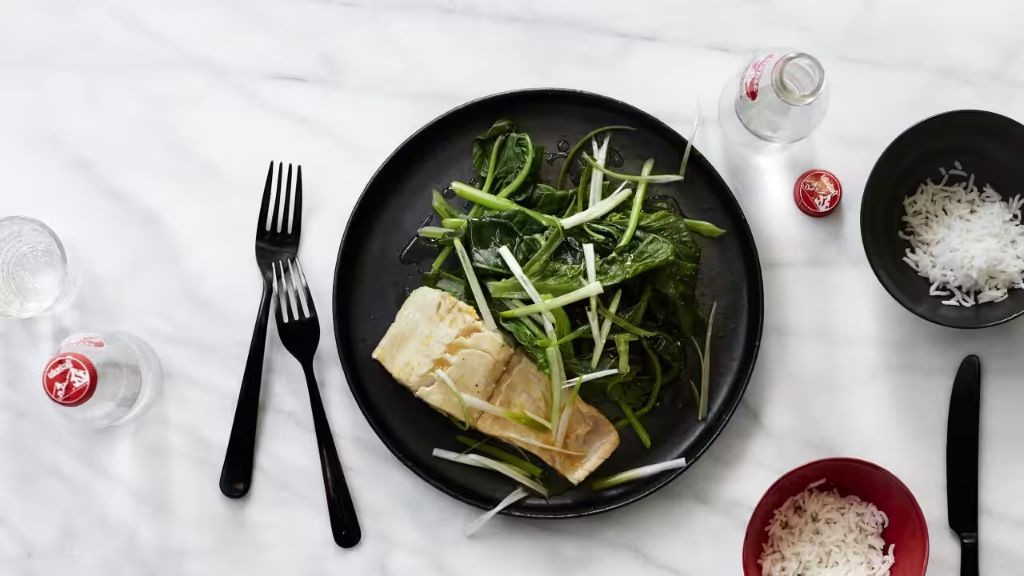
Keep things simple with this elegant fish dish. Kitchen aromas will fill your home as star anise infuses the poaching liquid. You’ll have restaurant-quality results in under 30 minutes.
Ingredients
– 4 barramundi fillets (6 oz each, skin-on for better texture)
– 4 cups water
– ½ cup soy sauce (low-sodium works well)
– ¼ cup rice vinegar
– 2 tbsp brown sugar
– 4 whole star anise pods
– 3 garlic cloves (smashed)
– 1 inch fresh ginger (sliced)
– 2 green onions (cut into 2-inch pieces)
– 1 tbsp sesame oil (for finishing)
– 1 tsp red pepper flakes (optional, for heat)
Instructions
1. Combine water, soy sauce, rice vinegar, brown sugar, star anise, garlic, ginger, and green onions in a large skillet.
2. Bring liquid to a simmer over medium-high heat, stirring until sugar dissolves completely.
3. Reduce heat to maintain a gentle simmer with small bubbles rising to the surface.
4. Carefully place barramundi fillets skin-side up in the poaching liquid using a spatula.
5. Cover skillet and poach for 8-10 minutes until fish flakes easily with a fork.
6. Check doneness by inserting a fork at the thickest part – flesh should be opaque throughout.
7. Remove fillets with a slotted spatula, allowing excess liquid to drain back into skillet.
8. Drizzle sesame oil over hot fillets just before serving.
9. Sprinkle with red pepper flakes if using for added heat.
10. Strain and reduce poaching liquid by half over high heat for a quick sauce.
That silky texture comes from gentle poaching, while star anise adds subtle licorice notes. Try serving over jasmine rice to soak up the aromatic broth. The skin becomes tender enough to eat after cooking in the flavorful liquid.
Tom Yum Broth Poached Red Snapper
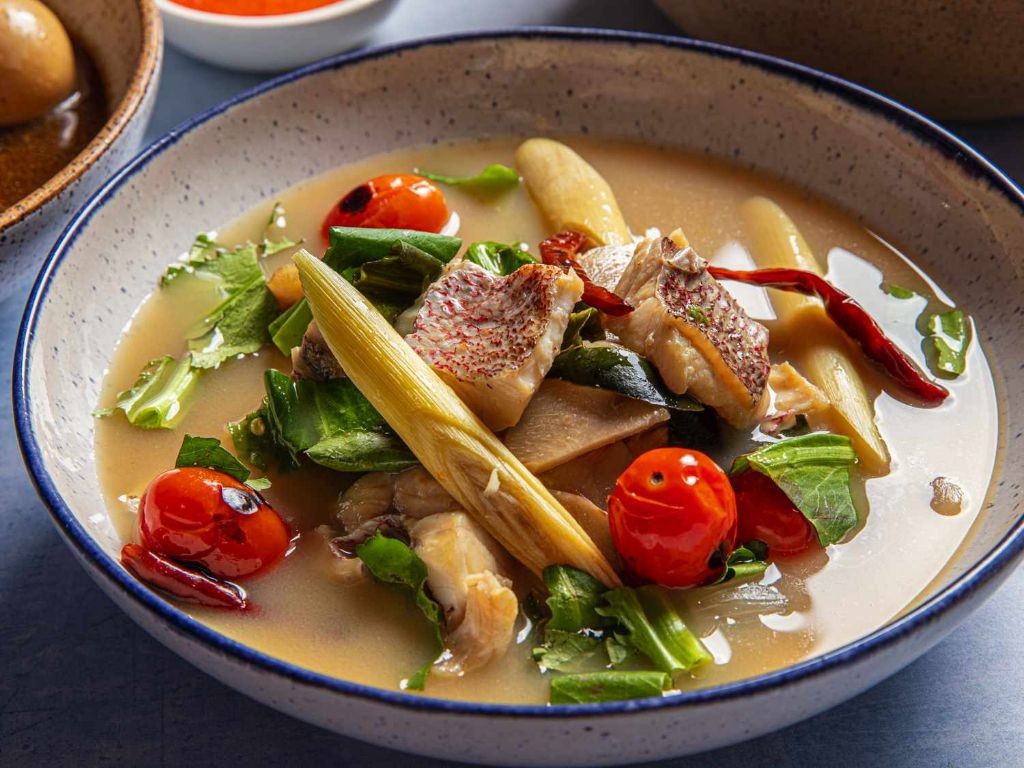
Ditch the complicated seafood recipes—this Thai-inspired poached fish delivers restaurant-quality flavor with minimal effort. Using store-bought tom yum paste keeps prep time under 30 minutes while delivering that signature spicy-sour kick. The gentle poaching method ensures the snapper stays moist and flaky every time.
Ingredients
– 2 red snapper fillets (6 oz each, skin-on for better texture)
– 4 cups water
– 3 tbsp tom yum paste (or more for extra heat)
– 1 stalk lemongrass (bruised and cut into 2-inch pieces)
– 3 kaffir lime leaves (fresh or frozen, torn)
– 2 tbsp fish sauce
– 1 tbsp lime juice (freshly squeezed)
– 1 tsp palm sugar (or brown sugar)
– 1 Thai chili (sliced, optional for extra spice)
– ¼ cup cilantro leaves (for garnish)
– 2 green onions (sliced thin)
Instructions
1. Combine water, tom yum paste, lemongrass, and kaffir lime leaves in a wide saucepan.
2. Bring liquid to a simmer over medium heat, stirring until paste dissolves completely.
3. Reduce heat to maintain a gentle bubble—look for small bubbles rising steadily without vigorous boiling.
4. Slide snapper fillets skin-side up into the broth, ensuring they’re fully submerged.
5. Poach fish for 6-8 minutes until flesh turns opaque and flakes easily with a fork.
6. Use a slotted spatula to transfer fish to serving bowls, keeping fillets intact.
7. Stir fish sauce, lime juice, and palm sugar into the hot broth until sugar dissolves.
8. Ladle broth over fish, discarding lemongrass and lime leaves.
9. Garnish with cilantro, green onions, and Thai chili if using.
Zesty lime and aromatic herbs cut through the rich broth, while the snapper remains remarkably tender. Serve over jasmine rice to soak up every drop, or add rice noodles for a heartier meal. The skin becomes silky during poaching—don’t skip it for textural contrast.
White Miso and Scallion Poached Flounder
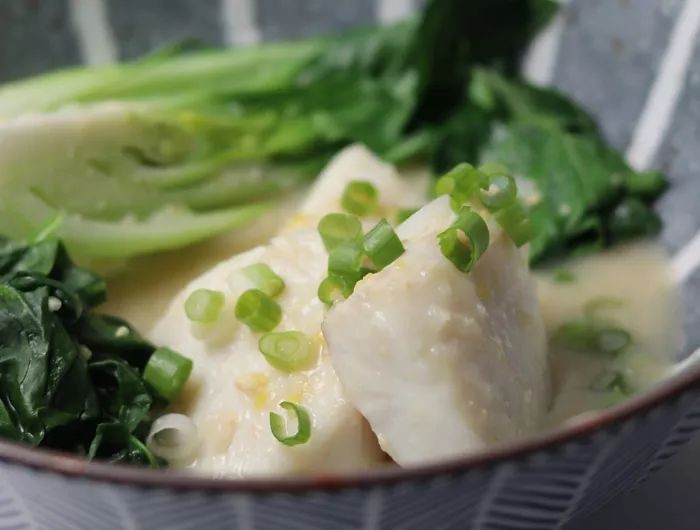
Wondering how to elevate simple flounder into a restaurant-worthy dish? White miso and fresh scallions create an umami-rich poaching liquid that gently cooks the fish. This method yields incredibly tender, flavorful results with minimal effort.
Ingredients
– 4 flounder fillets (6 oz each), patted dry
– 4 cups water
– ¼ cup white miso paste (or red miso for deeper flavor)
– 3 scallions, thinly sliced (reserve greens for garnish)
– 2 tbsp soy sauce (use tamari for gluten-free)
– 1 tbsp rice vinegar
– 1 tsp sesame oil
– ½ tsp grated fresh ginger
– Cooked white rice for serving
Instructions
1. Combine 4 cups water, ¼ cup white miso paste, white parts of 3 scallions, 2 tbsp soy sauce, 1 tbsp rice vinegar, 1 tsp sesame oil, and ½ tsp grated ginger in a large skillet.
2. Bring the poaching liquid to a gentle simmer over medium heat, stirring occasionally to dissolve the miso completely.
3. Reduce heat to maintain a bare simmer with small bubbles rising to the surface (160-180°F).
4. Carefully slide 4 flounder fillets into the poaching liquid in a single layer.
5. Poach fillets for 6-8 minutes until opaque and flaky when tested with a fork.
6. Tip: Do not let the liquid boil, as this will toughen the delicate fish texture.
7. Remove fillets with a slotted spatula, allowing excess liquid to drain back into the pan.
8. Serve immediately over cooked white rice, spooning some poaching liquid over the top.
9. Garnish with reserved scallion greens for fresh color and flavor.
10. Tip: For extra richness, stir 1 tablespoon of butter into the remaining poaching liquid before serving.
Exceptionally tender flounder flakes apart with gentle pressure, infused with savory miso and subtle ginger notes. The delicate texture pairs beautifully with steamed rice that soaks up the flavorful broth. Try serving with steamed bok choy or edamame for a complete meal that comes together in under 20 minutes.
Citrus and Thyme Poached Branzino
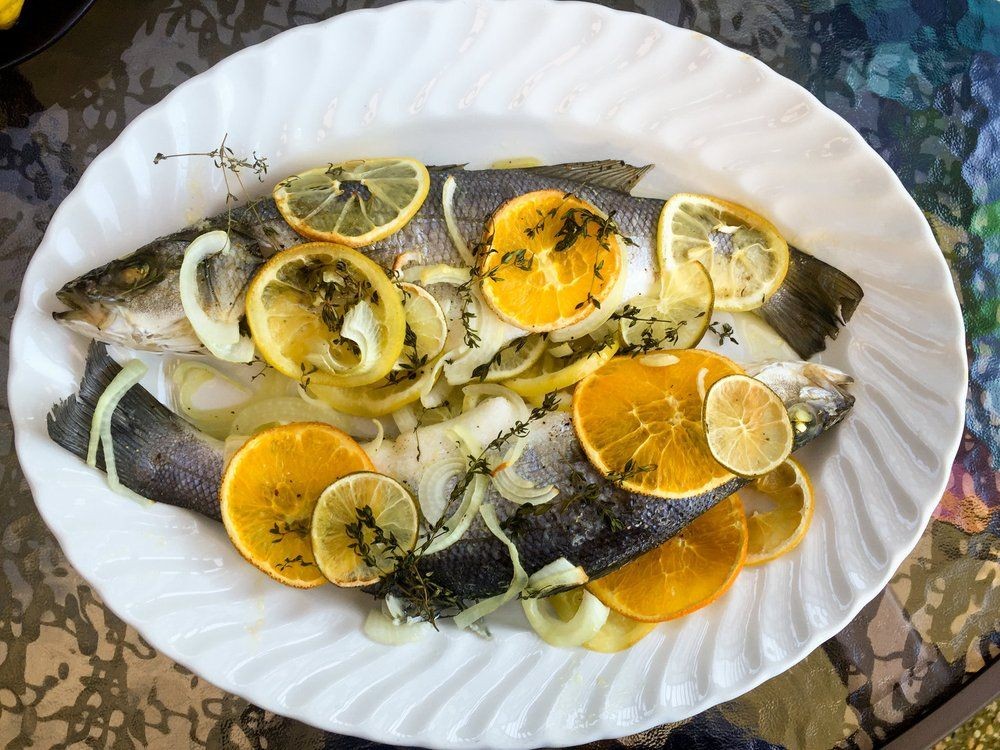
Fresh, flaky branzino gets a delicate lift from bright citrus and earthy thyme in this simple poaching method. Forget complicated fish preparations—this technique yields perfectly cooked fillets every time. Follow these precise steps for restaurant-quality results at home.
Ingredients
– 2 branzino fillets (6 oz each), skin-on for better texture
– 4 cups water
– 1 lemon, thinly sliced
– 1 orange, thinly sliced
– 4 sprigs fresh thyme (or 1 tsp dried)
– 1 tsp salt
– 1/2 tsp black pepper
– 2 tbsp olive oil (or any neutral oil)
Instructions
1. Combine water, lemon slices, orange slices, thyme, salt, and pepper in a large skillet.
2. Bring liquid to 180°F over medium heat—use a thermometer for accuracy.
3. Gently slide branzino fillets into the poaching liquid, skin-side down.
4. Maintain temperature at 170-180°F for 8 minutes—do not boil to avoid toughness.
5. Check doneness by inserting a fork; flesh should flake easily and appear opaque.
6. Carefully remove fillets with a slotted spatula, letting excess liquid drain.
7. Drizzle olive oil over warm fillets just before serving.
8. Garnish with fresh thyme sprigs if desired.
Extra tender and infused with subtle citrus notes, this branzino flakes apart at the touch of a fork. Elevate the dish by serving over herbed quinoa or with roasted asparagus—the delicate broth makes an excellent light sauce when reduced slightly.
Spicy Tomato Broth Poached Mackerel
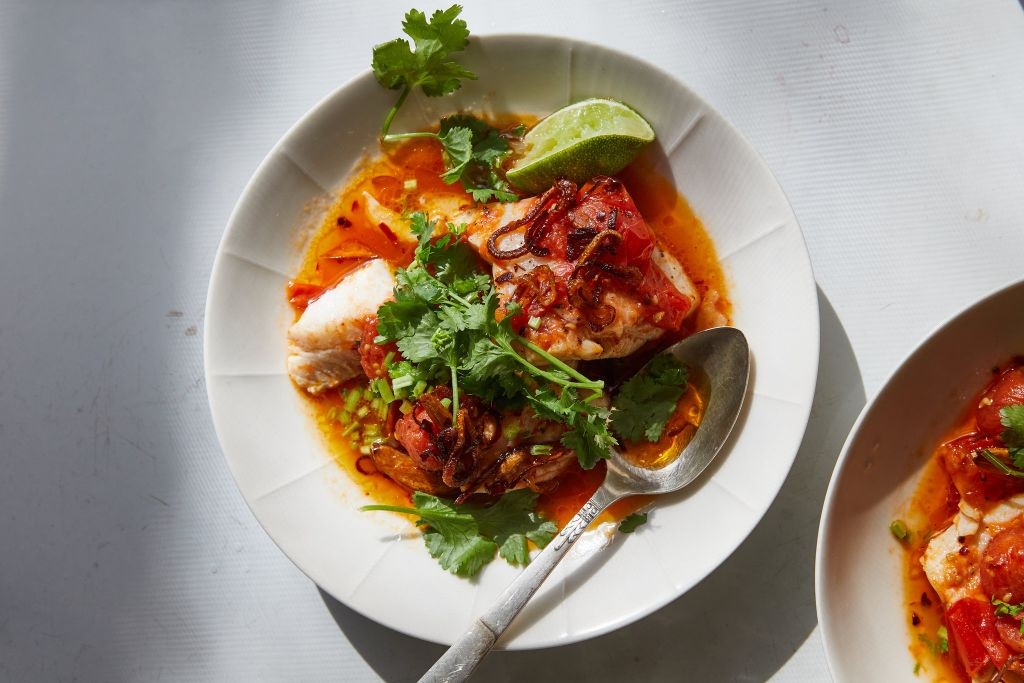
Spicy tomato broth transforms humble mackerel into a vibrant, restaurant-worthy dish. Simmering the fish gently in the aromatic liquid keeps it moist and infuses every bite with flavor. This one-pot wonder comes together quickly for an impressive weeknight meal.
Ingredients
– 4 mackerel fillets (about 6 oz each), skin-on
– 2 tbsp olive oil (or any neutral oil)
– 1 medium yellow onion, thinly sliced
– 3 garlic cloves, minced
– 1 tsp red pepper flakes (adjust for heat preference)
– 1 can (28 oz) crushed tomatoes
– 2 cups fish stock (or vegetable broth)
– 1 tbsp white wine vinegar
– 1 tsp sugar (balances acidity)
– 1 tsp kosher salt
– ½ tsp black pepper
– ¼ cup fresh parsley, chopped
Instructions
1. Pat mackerel fillets completely dry with paper towels.
2. Heat olive oil in a large Dutch oven over medium heat until shimmering.
3. Add sliced onion and cook for 5 minutes, stirring occasionally, until softened.
4. Add minced garlic and red pepper flakes, cooking for 1 minute until fragrant.
5. Pour in crushed tomatoes, fish stock, white wine vinegar, sugar, salt, and black pepper.
6. Bring broth to a simmer over medium-high heat, then reduce to maintain gentle bubbles.
7. Simmer uncovered for 15 minutes to develop flavors, stirring occasionally.
8. Gently slide mackerel fillets into the broth, skin-side up.
9. Poach fillets for 6-8 minutes until flesh turns opaque and flakes easily with a fork.
10. Carefully remove fillets with a slotted spatula to serving bowls.
11. Ladle hot tomato broth around each fillet.
12. Sprinkle with fresh parsley before serving.
Glistening mackerel flakes apart at the touch of a fork, bathed in the spicy, tangy broth. The skin stays crisp while the flesh absorbs the tomato’s acidity and heat. Serve over creamy polenta or with crusty bread to soak up every last drop of the vibrant sauce.
Summary
Poached fish offers endless possibilities for healthy, flavorful meals that are both easy to prepare and impressive to serve. We hope this collection inspires you to try something new in your kitchen! Don’t forget to leave a comment sharing your favorite recipe and pin this article on Pinterest to save these delicious ideas for later.