Just when you thought you knew all the ways to enjoy poha, we’ve gathered 18 delicious recipes that will transform this humble ingredient into your new kitchen superstar. From quick weekday dinners to comforting weekend brunches and vibrant seasonal creations, there’s a poha dish for every craving and occasion. Get ready to fall in love with these versatile, satisfying meals that promise to delight your taste buds!
Classic Kanda Poha with Peanuts
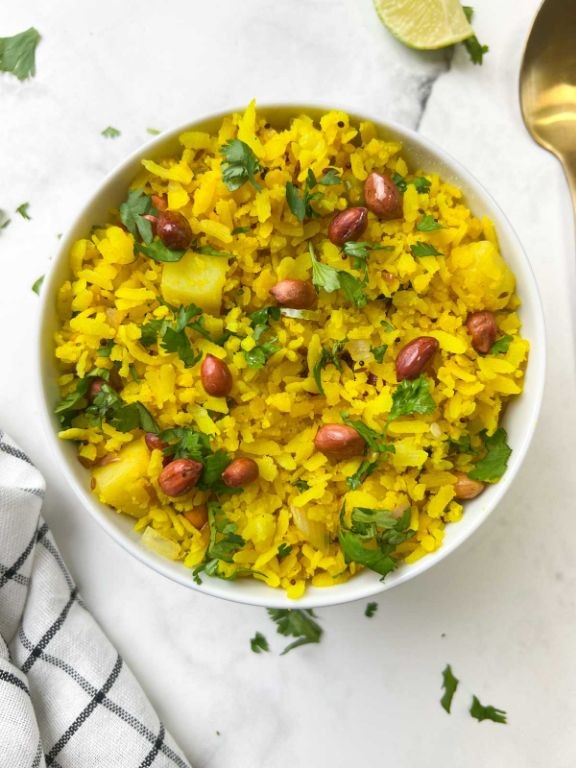
Fabulous news for anyone who thinks breakfast has to be complicated or boring—this Classic Kanda Poha with Peanuts is here to shake up your morning routine with its fluffy, savory charm and a delightful crunch that’ll make you forget all about that sad bowl of cereal.
Ingredients
- 2 cups thick poha (flattened rice), rinsed briefly and drained well—don’t let it get mushy!
- 2 tablespoons vegetable oil (or any neutral oil), for that perfect sizzle
- 1 teaspoon mustard seeds, because they pop and bring the party
- 1 medium yellow onion, finely chopped—sweet or sharp, your call
- 2 green chilies, slit lengthwise (adjust to your heat tolerance)
- 8-10 curry leaves, fresh or dried, for an aromatic kick
- 1/4 cup raw peanuts, because crunch is non-negotiable
- 1/2 teaspoon turmeric powder, for that golden glow
- 1 teaspoon sugar, to balance the flavors subtly
- Salt, to taste—start with 3/4 teaspoon and go from there
- 2 tablespoons fresh cilantro, chopped, for a fresh finish
- 1 tablespoon lemon juice, squeezed fresh—bottled just won’t do
Instructions
- Place the rinsed and drained poha in a large bowl, sprinkle turmeric powder and sugar evenly over it, and gently mix with your fingers to coat every flake without breaking them—this prevents clumping and ensures even flavor.
- Heat vegetable oil in a wide skillet over medium heat until it shimmers, about 1 minute, then add mustard seeds and wait for them to start popping audibly, which signals the oil is hot enough.
- Add raw peanuts to the skillet and toast for 2-3 minutes, stirring frequently, until they turn lightly golden and fragrant—this deepens their nutty flavor and adds crunch.
- Toss in finely chopped onion, slit green chilies, and curry leaves, and sauté for 4-5 minutes until the onions soften and turn translucent, stirring occasionally to avoid burning.
- Sprinkle salt over the onion mixture and stir to combine, then add the seasoned poha all at once, spreading it evenly in the skillet.
- Gently fold the poha into the onion-peanut mixture using a spatula, taking care not to mash the flakes, and cook for 3-4 minutes over low heat until everything is well incorporated and heated through.
- Turn off the heat, drizzle fresh lemon juice evenly over the poha, and toss lightly to distribute the tanginess without overcooking.
- Garnish with chopped cilantro just before serving to keep it vibrant and fresh. Tip: For extra fluffiness, let the poha rest covered for 2 minutes off the heat—this allows the steam to work its magic.
And just like that, you’ve got a dish that’s softly textured with pops of peanut crunch, subtly spiced with a hint of citrus zing. Serve it warm with a side of crispy sev or a dollop of yogurt for a breakfast that feels like a cozy hug, or pack it for a lunchbox that’ll make your coworkers jealous.
Indori Poha with Sev and Jalebi
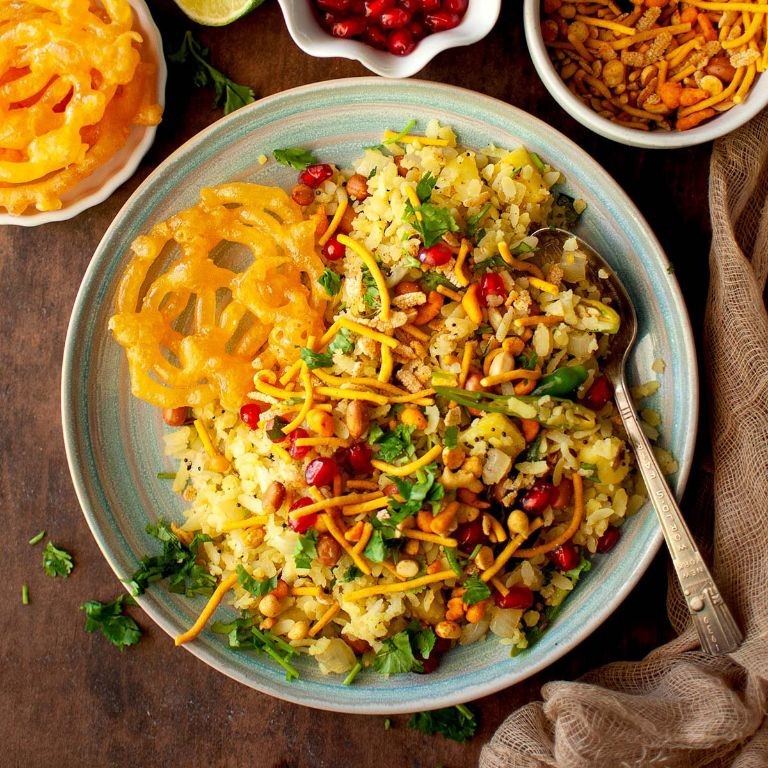
Hangry? Let’s fix that with a breakfast dish that’s basically a party in your mouth—Indori Poha with Sev and Jalebi! This Indian street food superstar combines fluffy, spiced flattened rice with crunchy sev (think chickpea noodle confetti) and sweet, syrupy jalebi for a wild ride of textures and flavors. Trust us, your taste buds will send thank-you notes.
Ingredients
- 2 cups thick poha (flattened rice), rinsed briefly and drained—don’t let it get mushy!
- 1 tbsp vegetable oil (or any neutral oil), for sautéing
- 1 tsp mustard seeds, for that pop of flavor
- 1 medium onion, finely chopped, because nobody likes giant onion chunks
- 1 green chili, finely chopped (adjust to your heat tolerance)
- ½ tsp turmeric powder, for that golden glow
- 1 tsp sugar, to balance the spices
- Salt to taste (start with ½ tsp and go from there)
- 2 tbsp lemon juice, for a zesty kick
- ½ cup sev (chickpea noodles), for crunch-tastic topping
- 4 jalebis (store-bought or homemade), because sweet endings are mandatory
- Fresh cilantro, chopped, for a herby finish
Instructions
- Place the rinsed and drained poha in a large bowl and set it aside—it should feel soft but not soggy.
- Heat 1 tbsp vegetable oil in a skillet over medium heat until it shimmers, about 1 minute.
- Add 1 tsp mustard seeds to the hot oil and cook until they start popping, roughly 30 seconds.
- Tip in the finely chopped onion and green chili, and sauté until the onion turns translucent, about 3–4 minutes.
- Sprinkle in ½ tsp turmeric powder and stir for 20 seconds to bloom the spices—this deepens the flavor.
- Add the softened poha to the skillet, along with 1 tsp sugar and salt to taste, mixing gently to coat everything evenly.
- Cook the mixture for 3–4 minutes, stirring occasionally, until the poha is heated through and fluffy.
- Drizzle 2 tbsp lemon juice over the poha and give it one final stir to incorporate.
- Transfer the poha to serving plates and top generously with ½ cup sev and chopped fresh cilantro.
- Serve immediately with 4 jalebis on the side for dipping or nibbling between bites.
Buttery-soft poha mingles with the crackle of sev and the sticky-sweet jalebi, creating a symphony of contrasts in every forkful. For a fun twist, layer it all in a bowl and dig in with a spoon—breakfast has never been this delightfully chaotic!
Maharashtrian Batata Poha

Hang onto your spatulas, folks, because we’re about to transform humble pantry staples into a Maharashtrian morning miracle that’ll make your taste buds do a happy dance! This fluffy, spiced potato-and-flattened-rice situation is the ultimate breakfast glow-up you never knew you needed—perfect for when you want to feel fancy without actually putting in fancy effort. Trust me, your brunch game is about to level up in the most deliciously unexpected way.
Ingredients
– 2 cups thick poha (flattened rice), rinsed and drained
– 2 medium potatoes, peeled and diced into 1/2-inch cubes
– 1 medium yellow onion, finely chopped
– 2 tablespoons vegetable oil (or any neutral oil)
– 1 teaspoon mustard seeds
– 1/2 teaspoon turmeric powder
– 1-2 green chilies, finely chopped (adjust to heat preference)
– 1/4 cup raw peanuts
– 1 tablespoon fresh lemon juice
– 1/4 cup fresh cilantro, chopped
– Salt to taste (start with 3/4 teaspoon)
Instructions
1. Place the poha in a fine-mesh strainer and rinse under cool running water for 30 seconds until slightly softened.
2. Let the rinsed poha drain completely for 5 minutes while you prep other ingredients—this prevents mushiness.
3. Heat vegetable oil in a large skillet over medium heat until shimmering, about 2 minutes.
4. Add mustard seeds and cook for 30 seconds until they begin to pop and dance in the pan.
5. Add raw peanuts and toast for 1 minute until lightly golden and fragrant.
6. Add chopped onions and green chilies, sautéing for 3-4 minutes until onions turn translucent.
7. Stir in diced potatoes and cook for 8-10 minutes, stirring occasionally, until potatoes are tender when pierced with a fork.
8. Sprinkle turmeric powder and salt over the potato mixture, stirring to coat evenly.
9. Gently fold in the drained poha, mixing carefully to avoid breaking the flakes.
10. Cover the skillet and cook on low heat for 3 minutes to steam the poha through.
11. Remove from heat and drizzle with fresh lemon juice, tossing gently to distribute.
12. Garnish with chopped cilantro just before serving.
This magical mashup delivers fluffy poha with tender potato bites in every forkful, creating a texture party that’s simultaneously comforting and exciting. The bright lemon zing cuts through the earthy turmeric and peanut crunch beautifully, making it perfect for scooping up with toast or stuffing into warm tortillas for a fusion twist that’ll have everyone asking for seconds!
Spicy Poha Chivda for Snacking
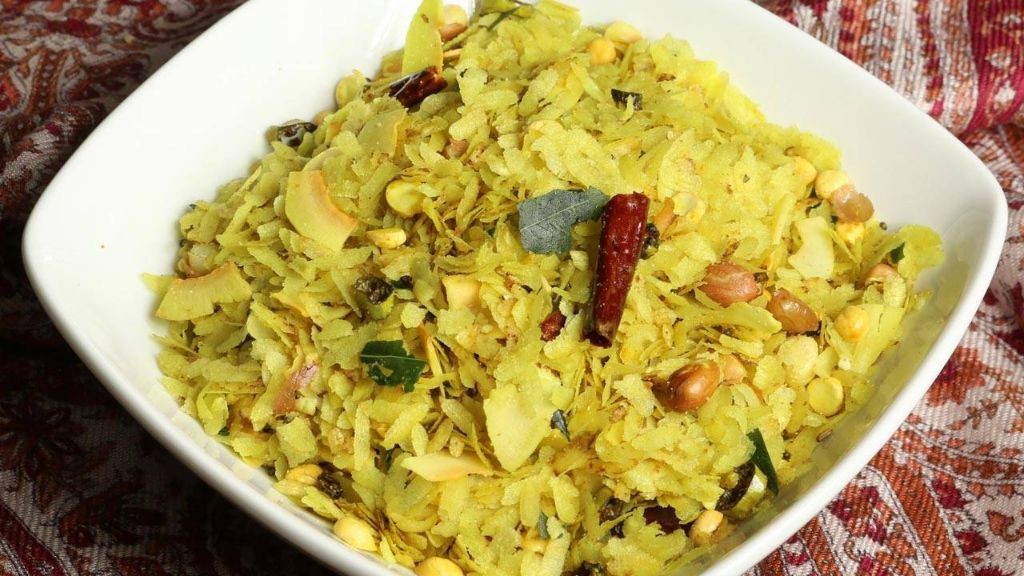
Ditch those boring snack options, because we’re about to spice up your life with a crunchy, savory Indian snack mix that’s ridiculously addictive and surprisingly simple to whip up. This Spicy Poha Chivda is the ultimate pantry raid hero, transforming humble flattened rice into a flavor explosion that will have you questioning every bag of chips you’ve ever purchased. Get ready for a snack that packs a punch and delivers serious crunch.
Ingredients
– 4 cups thick poha (flattened rice), rinsed quickly and drained well to prevent sogginess
– 1/2 cup peanuts, raw and unsalted for better control over seasoning
– 1/4 cup cashews, raw and unsalted or any nuts you prefer
– 2 tbsp vegetable oil, or any neutral oil like avocado or canola
– 1 tsp mustard seeds, for that classic pop and aroma
– 1 tsp cumin seeds, to add earthy depth
– 8-10 curry leaves, fresh or dried for authentic flavor
– 2-3 dried red chilies, broken into pieces to adjust heat level
– 1/2 tsp turmeric powder, for vibrant color and mild earthiness
– 1 tsp red chili powder, or paprika for less heat
– 1 tsp salt, fine grain to distribute evenly
– 1 tbsp sugar, to balance the spices
– 2 tbsp lemon juice, freshly squeezed for bright acidity
Instructions
1. Spread the rinsed and drained poha in a single layer on a large baking sheet and let it air-dry for 15 minutes to ensure crispiness when toasted.
2. Heat the vegetable oil in a large, heavy-bottomed skillet or wok over medium heat until it shimmers, about 2 minutes.
3. Add the mustard seeds and cook for 30 seconds until they start to pop and crackle.
4. Toss in the cumin seeds and stir for 20 seconds until fragrant, being careful not to burn them.
5. Drop in the dried red chilies and curry leaves, frying for 45 seconds until the leaves crisp up and release their aroma.
6. Tip in the raw peanuts and cashews, toasting them for 3-4 minutes while stirring constantly until they turn light golden brown.
7. Sprinkle in the turmeric powder, red chili powder, salt, and sugar, stirring for 30 seconds to toast the spices and unlock their flavors.
8. Add the dried poha to the skillet, mixing gently with a spatula for 5-7 minutes over low heat until it becomes crisp and evenly coated with spices.
9. Drizzle the freshly squeezed lemon juice over the mixture, tossing for 1 minute to combine everything thoroughly.
10. Turn off the heat and let the chivda cool completely in the skillet for 20 minutes before transferring to an airtight container.
Finally, this Spicy Poha Chivda delivers an irresistible combo of crispy poha, crunchy nuts, and bold spices that dance on your tongue. Feel free to get creative by sprinkling it over yogurt, stuffing it into wraps, or simply devouring it by the handful while binge-watching your favorite show—it’s that versatile and downright delicious.
Poha Cutlet with Mint Chutney

Jazz up your snack game with these crispy, golden Poha Cutlets that’ll make your taste buds do a happy dance! These flattened rice patties are the perfect fusion of crunch and flavor, guaranteed to disappear faster than your resolution to eat just one. Paired with a zesty mint chutney that packs a refreshing punch, this dynamic duo is about to become your new favorite kitchen adventure.
Ingredients
– 2 cups thick poha (flattened rice), rinsed and drained well
– 2 medium potatoes, boiled and mashed (about 1 cup)
– 1/4 cup finely chopped onion
– 2 green chilies, minced (remove seeds for less heat)
– 1 tbsp ginger-garlic paste
– 1/4 cup chopped fresh cilantro
– 1 tsp lemon juice
– 1/2 tsp turmeric powder
– 1 tsp chaat masala
– Salt to taste (start with 3/4 tsp)
– 1/4 cup breadcrumbs
– 1/2 cup vegetable oil for shallow frying (or any neutral oil)
– 1 cup fresh mint leaves, packed
– 1/2 cup fresh cilantro leaves
– 1/4 cup plain yogurt
– 1 tbsp lemon juice for chutney
– 1/2 tsp cumin seeds
– 1 small green chili for chutney (optional)
Instructions
1. Place rinsed poha in a large bowl and let it sit for 10 minutes until softened but not mushy.
2. Add mashed potatoes, chopped onion, minced green chilies, ginger-garlic paste, and fresh cilantro to the poha.
3. Sprinkle turmeric powder, chaat masala, salt, and lemon juice over the mixture.
4. Mix everything thoroughly with clean hands until well combined, about 2 minutes.
5. Add breadcrumbs and mix again until the mixture holds together when pressed.
6. Divide the mixture into 8 equal portions and shape each into 1/2-inch thick patties.
7. Heat vegetable oil in a large skillet over medium heat until it reaches 350°F or a breadcrumb sizzles immediately.
8. Carefully place 3-4 patties in the hot oil, leaving space between them.
9. Fry for 3-4 minutes until the bottoms are golden brown and crispy.
10. Flip the cutlets using a spatula and fry for another 3-4 minutes until both sides are evenly golden.
11. Transfer cooked cutlets to a paper towel-lined plate to drain excess oil.
12. Repeat frying process with remaining patties, adding more oil if needed.
13. Combine mint leaves, cilantro leaves, yogurt, lemon juice, cumin seeds, and optional green chili in a blender.
14. Blend on high speed for 1-2 minutes until smooth, scraping down sides as needed.
15. Transfer mint chutney to a small serving bowl.
Light and crispy on the outside with a soft, flavorful interior, these cutlets offer the perfect textural contrast to the cool, tangy mint chutney. Serve them tucked into slider buns with extra chutney for a fun twist, or arrange them on a platter with the vibrant green dip for your next gathering—they’re guaranteed to spark conversations and recipe requests!
Poha Dosa with Coconut Chutney
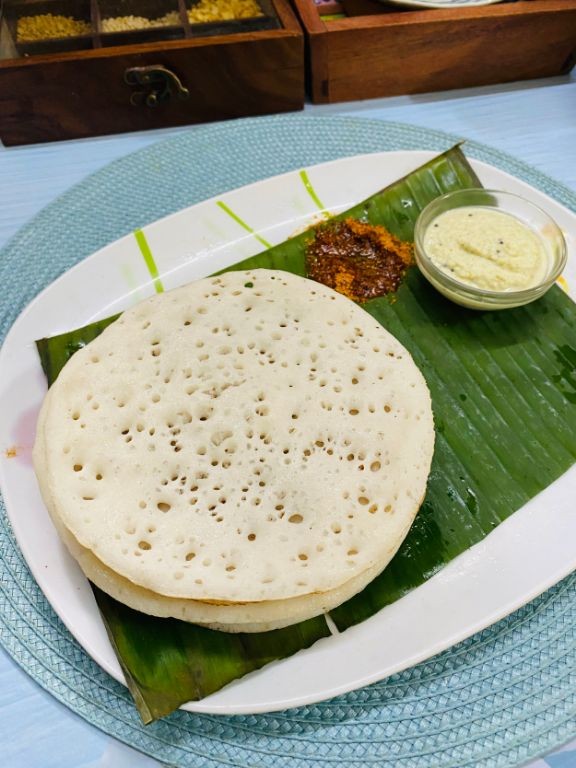
Forget everything you thought you knew about breakfast boredom! This Poha Dosa with Coconut Chutney is about to become your morning superhero – a crispy, golden crepe that’s secretly packed with flattened rice and served with a dip that’ll make you want to lick the bowl. Seriously, your taste buds will throw a party and forget to invite toast.
Ingredients
– 1 cup flattened rice (poha), rinsed and soaked for 10 minutes then drained
– 1/2 cup rice flour
– 1/4 cup semolina
– 1/4 cup plain yogurt
– 1 cup water (adjust for batter consistency)
– 1/2 tsp cumin seeds
– 1 green chili, finely chopped (remove seeds for less heat)
– 1 tbsp fresh cilantro, chopped
– 1/2 tsp salt
– 2 tbsp vegetable oil (or any neutral oil)
– 1 cup fresh grated coconut
– 1/4 cup roasted chana dal
– 1 small garlic clove
– 1/2 inch ginger piece
– 1/2 cup water for chutney (adjust for desired thickness)
Instructions
1. Combine rinsed flattened rice, rice flour, semolina, yogurt, and 1 cup water in a blender.
2. Blend on high speed for 2 minutes until you achieve a smooth, slightly thick batter resembling pancake batter.
3. Transfer the batter to a mixing bowl and stir in cumin seeds, chopped green chili, cilantro, and salt until fully incorporated.
4. Let the batter rest for 15 minutes at room temperature to allow the flavors to meld and the semolina to hydrate properly.
5. While the batter rests, combine fresh grated coconut, roasted chana dal, garlic clove, ginger piece, and 1/2 cup water in a clean blender jar.
6. Blend the chutney ingredients for 1-2 minutes until you get a smooth, slightly coarse paste.
7. Heat a non-stick skillet or cast iron pan over medium-high heat until water droplets sizzle and evaporate immediately.
8. Lightly grease the hot pan with 1/2 teaspoon of vegetable oil using a paper towel.
9. Pour 1/4 cup of dosa batter onto the center of the hot pan.
10. Immediately use the back of a ladle to spread the batter in concentric circles from the center outward, creating a thin, even 7-inch circle.
11. Drizzle 1 teaspoon of vegetable oil around the edges of the dosa and a few drops on top.
12. Cook for 2-3 minutes until the bottom develops golden brown spots and the edges begin to lift from the pan.
13. Flip the dosa carefully using a thin spatula when the surface appears dry and the bottom is crispy.
14. Cook the other side for 1-2 minutes until lightly golden and fully cooked through.
15. Transfer the finished dosa to a plate and repeat the process with remaining batter, greasing the pan between each dosa.
16. Serve the hot dosa immediately with the fresh coconut chutney on the side.
That first crispy bite reveals the magic – the delicate crunch gives way to a soft interior with subtle cumin warmth and fresh herb notes. Try wrapping these golden beauties around spiced potatoes for a breakfast burrito twist, or get fancy by topping them with avocado slices and microgreens for brunch guests who’ll think you’ve been to culinary school.
Poha Upma with Vegetables
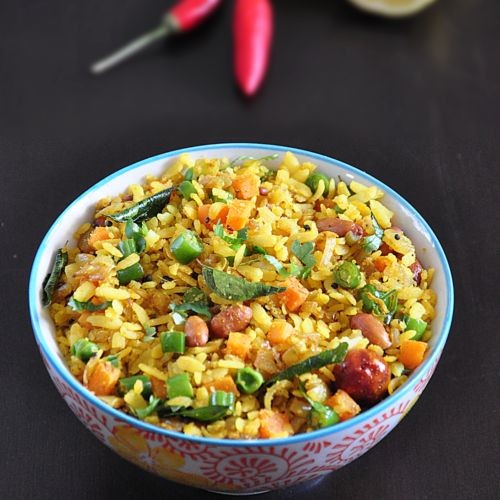
Get ready to meet your new favorite breakfast mashup that’s about to make your taste buds do a happy dance! Poha Upma with Vegetables combines the fluffy lightness of flattened rice with a vibrant veggie party, creating a dish so delicious you’ll want to eat it for breakfast, lunch, AND dinner. This Indian-inspired wonder is basically the culinary equivalent of finding money in your pocket—unexpectedly delightful and ridiculously satisfying.
Ingredients
– 2 cups thick poha (flattened rice), rinsed and drained
– 2 tablespoons vegetable oil (or any neutral oil)
– 1 teaspoon mustard seeds
– 1 medium yellow onion, finely chopped
– 2 green chilies, slit lengthwise (adjust quantity for heat preference)
– 1 teaspoon grated ginger
– 1/2 cup frozen peas, thawed
– 1/2 cup finely chopped carrots
– 1/4 cup raw peanuts
– 1/2 teaspoon turmeric powder
– 1 tablespoon lemon juice
– 2 tablespoons chopped fresh cilantro
– Salt to taste (start with 3/4 teaspoon)
Instructions
1. Place poha in a colander and rinse under cool running water for 30 seconds, then let drain completely for 5 minutes until slightly softened but not mushy.
2. Heat vegetable oil in a large non-stick skillet over medium heat until shimmering, about 2 minutes.
3. Add mustard seeds and cook until they begin to pop and dance in the pan, about 45 seconds.
4. Stir in raw peanuts and toast until lightly golden and fragrant, about 2 minutes.
5. Add chopped onion and sauté until translucent and edges turn golden, about 4-5 minutes.
6. Mix in slit green chilies and grated ginger, cooking for 1 minute until aromatic.
7. Add chopped carrots and cook for 3 minutes until slightly tender but still crisp.
8. Stir in thawed peas and cook for 1 minute until heated through.
9. Sprinkle turmeric powder and salt over the vegetables, mixing thoroughly to coat everything evenly.
10. Gently fold in the drained poha, using a light hand to avoid breaking the delicate flakes.
11. Cook the mixture for 3-4 minutes, stirring occasionally, until the poha is heated through and has absorbed the flavors.
12. Drizzle lemon juice over the upma and toss gently to distribute.
13. Remove from heat and garnish with chopped fresh cilantro.
And just like that, you’ve created a texture masterpiece where fluffy poha meets crunchy peanuts and tender-crisp vegetables in a symphony of savory goodness. This vibrant dish shines brightest when served immediately with a dollop of yogurt or wrapped in a warm tortilla for an unexpected fusion breakfast burrito that’ll make your morning routine infinitely more exciting.
Sweet Poha with Jaggery and Coconut
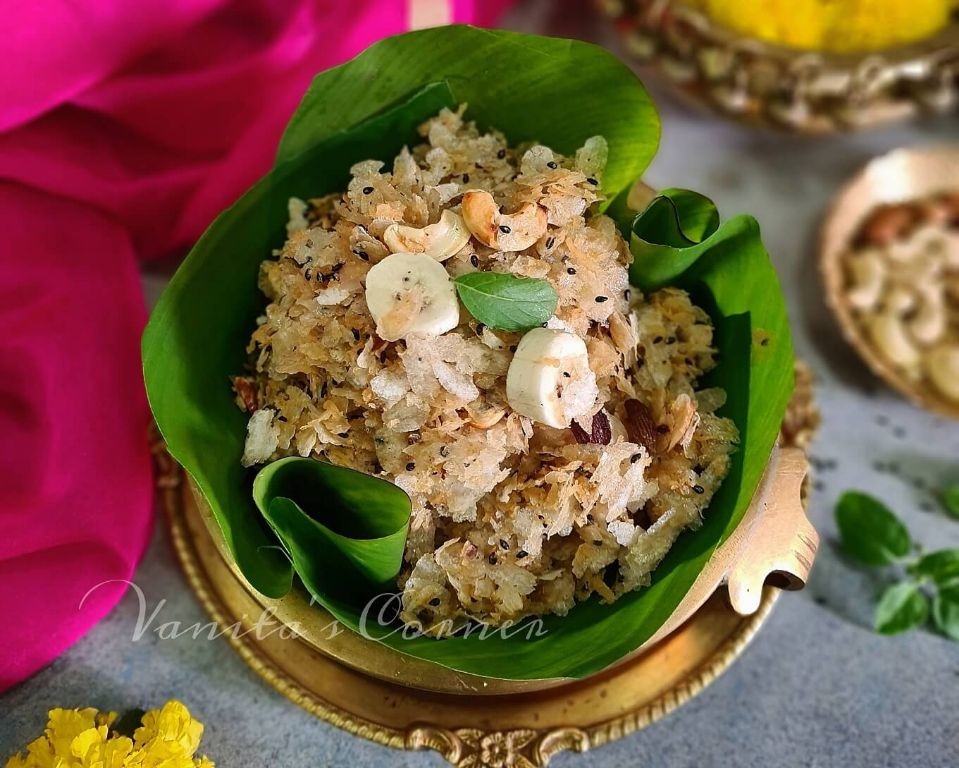
Ever had one of those mornings where your breakfast game needs a serious glow-up? Enter this sweet poha situation that’s basically a hug in a bowl—fluffy, golden, and sweetened with jaggery for that cozy, caramel-y vibe. Trust me, your taste buds will throw a party, and you’re the star guest.
Ingredients
- 1 cup thick poha (flattened rice), rinsed and drained well to avoid mushiness
- ½ cup grated jaggery, packed (or sub with brown sugar for a similar depth)
- ¼ cup unsweetened shredded coconut, plus extra for garnish
- 2 tablespoons ghee (or any neutral oil like avocado oil)
- ½ teaspoon cardamom powder, for that warm, aromatic kick
- 2 tablespoons raw peanuts, for crunch
- 1 tablespoon raisins, plumped up for sweetness
- A pinch of salt, to balance the sweetness
Instructions
- Heat a non-stick skillet over medium heat and add 1 tablespoon of ghee.
- Toast the raw peanuts in the skillet for 2–3 minutes, stirring frequently, until they turn golden brown and fragrant—this boosts their nutty flavor.
- Add the raisins and cook for 30–45 seconds until they puff up slightly, then transfer the peanuts and raisins to a plate to prevent burning.
- In the same skillet, melt the remaining 1 tablespoon of ghee over medium-low heat.
- Add the grated jaggery and stir continuously for 1–2 minutes until it melts into a smooth, bubbly syrup—watch closely to avoid scorching.
- Tip in the rinsed poha and mix thoroughly to coat every grain with the jaggery syrup, about 1 minute.
- Sprinkle in the cardamom powder and a pinch of salt, stirring to distribute evenly.
- Cook the mixture for 3–4 minutes, stirring occasionally, until the poha softens and absorbs the syrup but still holds its shape.
- Fold in the shredded coconut, toasted peanuts, and raisins, and cook for another 1 minute to warm through.
- Remove the skillet from heat and let it sit uncovered for 2 minutes to allow flavors to meld—this resting time makes the texture perfect.
Puffy and tender, this poha has a delightful chew with pops of crunchy peanuts and juicy raisins. Serve it warm topped with extra coconut for a breezy breakfast, or get fancy by molding it into small cups for a handheld snack—either way, it’s a sweet escape from the ordinary.
Poha Pancakes with Maple Syrup

Let’s be real—most pancake recipes are basically the same floury affair, but these Poha Pancakes? They’re the fluffiest, most delightfully textured breakfast rebels you’ll ever flip. Light, airy, and with just enough savory-sweet intrigue to make your taste buds do a happy dance, they’re about to become your new brunch obsession.
Ingredients
– 1 cup flattened rice (poha), rinsed and drained well (this prevents mushiness)
– 1/2 cup all-purpose flour (or gluten-free blend for dietary needs)
– 1 cup whole milk (or unsweetened almond milk for a lighter option)
– 1 large egg, lightly beaten
– 2 tablespoons granulated sugar (adjust for sweetness preference)
– 1 teaspoon baking powder
– 1/2 teaspoon ground cardamom (or cinnamon for a cozy twist)
– 1/4 teaspoon salt
– 2 tablespoons unsalted butter, melted (or coconut oil for dairy-free)
– Butter or oil for greasing the pan
– Maple syrup for serving (warm it up for extra luxury)
Instructions
1. In a large bowl, combine the rinsed poha, all-purpose flour, sugar, baking powder, cardamom, and salt, whisking until evenly mixed.
2. Pour in the milk, beaten egg, and melted butter, then stir gently until just combined—don’t overmix to keep the batter light.
3. Let the batter rest for 5 minutes at room temperature; this allows the poha to soften and the baking powder to activate for fluffier pancakes.
4. Heat a non-stick skillet or griddle over medium heat (350°F if using an electric griddle) and lightly grease with butter or oil.
5. Pour 1/4 cup of batter onto the skillet for each pancake, spreading it slightly into a round shape.
6. Cook for 2–3 minutes until bubbles form on the surface and the edges look set—this is your cue to flip.
7. Flip the pancakes carefully and cook for another 1–2 minutes until golden brown and cooked through.
8. Repeat with the remaining batter, greasing the skillet as needed to prevent sticking.
9. Serve the pancakes immediately, drizzled generously with warm maple syrup.
These pancakes boast a tender, slightly chewy texture from the poha, with a subtle cardamom warmth that pairs magically with the maple syrup. Try stacking them high with fresh berries or a dollop of Greek yogurt for a brunch that’s anything but basic.
Poha Idli with Sambar
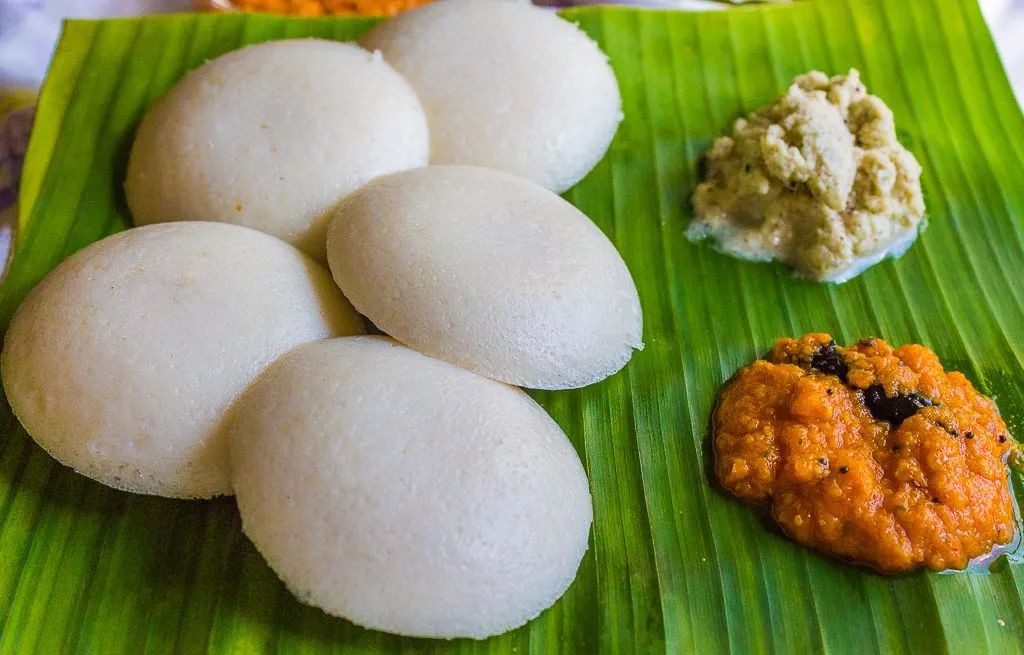
Brace yourselves, breakfast rebels! We’re about to transform humble flattened rice into the fluffiest, most delightful steamed cakes you’ve ever encountered, then dunk them in a soul-warming lentil stew that’ll make your taste buds do a happy dance.
Ingredients
– 2 cups thick poha (flattened rice), rinsed and drained for 10 minutes until pliable
– 1 cup semolina (sooji), for that perfect fluffy texture
– 1 cup plain yogurt, at room temperature for better fermentation
– 1/2 cup water, or as needed for batter consistency
– 1 tbsp vegetable oil, or any neutral oil for greasing
– 1 tsp mustard seeds, for that signature sambar pop
– 1/2 tsp turmeric powder, for golden color and earthy flavor
– 2 dried red chilies, broken into pieces for adjustable heat
– 1 cup mixed vegetables (carrots, peas, beans), diced small for even cooking
– 1/2 cup toor dal (split pigeon peas), soaked for 30 minutes
– 1 small tomato, chopped for tangy base
– 1 tsp sambar powder, the magical spice blend
– Salt, about 1 1/2 tsp total divided between idli and sambar
– Fresh cilantro leaves, for garnish
Instructions
1. Combine rinsed poha, semolina, yogurt, and 1/2 tsp salt in a large bowl.
2. Gradually add water while mixing until you achieve a thick, pancake-like batter consistency.
3. Cover the bowl with a clean kitchen towel and let it ferment in a warm place for 8-12 hours until slightly bubbly.
4. Grease idli molds thoroughly with vegetable oil using a pastry brush.
5. Pour the fermented batter into each mold cavity, filling them 3/4 full to allow for expansion.
6. Steam the idlis in a preheated steamer over medium-high heat for 12-15 minutes until a toothpick inserted comes out clean.
7. Pressure cook soaked toor dal with 2 cups water for 4 whistles over medium heat until completely soft.
8. Heat 1 tsp oil in a separate pot and add mustard seeds, waiting until they start popping audibly.
9. Add broken red chilies and sauté for 30 seconds until fragrant but not burned.
10. Stir in mixed vegetables and cook for 3-4 minutes until slightly tender.
11. Mix in chopped tomato and cook for 2 minutes until softened.
12. Add turmeric powder, sambar powder, and 1 tsp salt, stirring for 30 seconds to toast the spices.
13. Mash the cooked dal slightly and add it to the vegetable mixture along with 1 cup water.
14. Simmer the sambar uncovered for 8-10 minutes until vegetables are fully cooked and flavors meld.
15. Garnish with fresh cilantro leaves just before serving.
Heavenly doesn’t even begin to describe these pillowy-soft idlis that practically melt in your mouth, their subtle tang playing perfectly against the robust, spice-forward sambar. Try stacking them like mini towers and pouring the sambar over top for maximum sauce absorption, or serve them alongside coconut chutney for an extra flavor dimension that’ll have everyone asking for seconds.
Poha Kheer with Cardamom
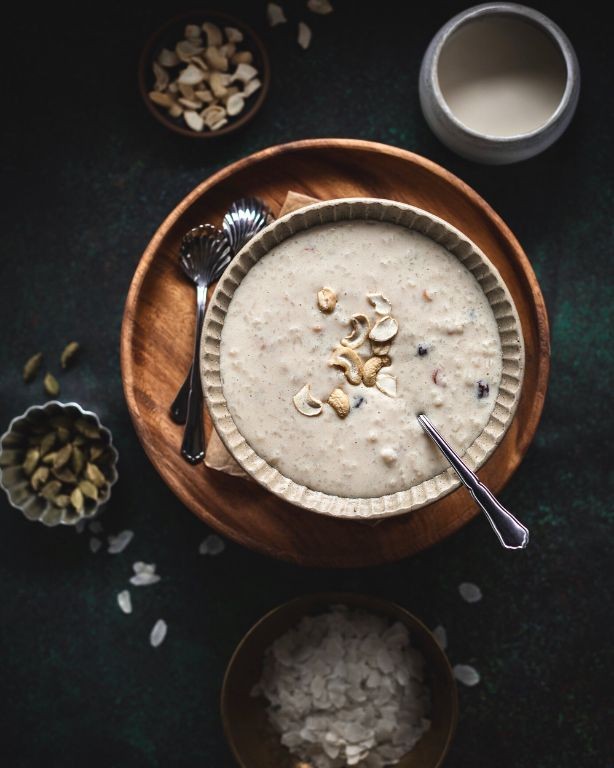
Let’s be real—most of us have rice pudding on speed dial for cozy nights, but have you ever tried its flaky, faster-cooking cousin? Poha kheer with cardamom is here to shake up your dessert game, swapping tedious simmering for a breezy 20-minute whirl that’s as forgiving as your favorite sweatpants. Light, floral, and just sweet enough to feel fancy without the fuss, this Indian-inspired treat is basically a hug in a bowl.
Ingredients
– 1 cup thick poha (flattened rice), rinsed briefly and drained (don’t soak it—trust me!)
– 4 cups whole milk, for creaminess (or swap with almond milk for a lighter vibe)
– 1/2 cup granulated sugar, or adjust to your sweet-tooth level
– 1/2 tsp ground cardamom, freshly crushed if you’re feeling extra
– 2 tbsp slivered almonds, for crunch
– 2 tbsp golden raisins, plumped up for juicy bursts
Instructions
1. Pour the milk into a heavy-bottomed saucepan and heat it over medium heat until it just begins to steam, about 3–4 minutes—stir occasionally to prevent a skin from forming.
2. Add the rinsed poha to the warm milk and stir gently to combine; let it simmer uncovered for 10 minutes, stirring every 2 minutes to avoid sticking.
3. Tip: The poha will soften and thicken the milk—aim for a porridge-like consistency where the grains are tender but not mushy.
4. Stir in the sugar and ground cardamom, mixing until the sugar dissolves completely, about 1–2 minutes.
5. Toss in the slivered almonds and golden raisins, then cook for another 3 minutes to let the raisins plump and the nuts toast slightly.
6. Tip: For extra flavor, lightly toast the almonds in a dry pan for 1 minute before adding—it amps up the nutty aroma!
7. Remove the kheer from heat and let it cool for 5 minutes; it will thicken further as it sits.
8. Tip: If the kheer gets too thick upon cooling, stir in a splash of warm milk to loosen it up.
9. Serve warm or chilled, garnished with an extra sprinkle of cardamom if desired.
A silky, comforting texture meets the warm whisper of cardamom in every spoonful, with plump raisins and crunchy almonds adding playful surprises. Try it chilled for a refreshing twist, or layer it with fresh mango slices for a tropical parfait that’ll make your taste buds do a happy dance.
Poha Bhel with Tamarind Sauce
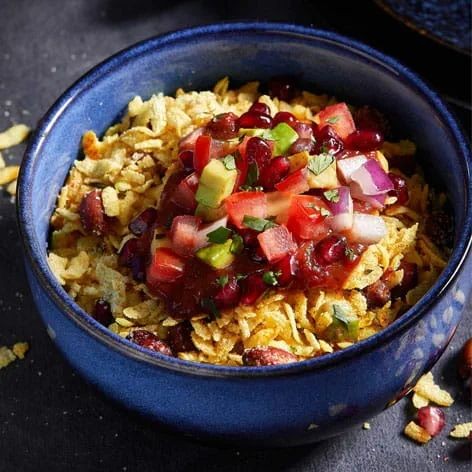
Craving something crunchy, tangy, and ridiculously easy to whip up? Meet Poha Bhel with Tamarind Sauce—the snack that’s basically a flavor party in a bowl, ready to rescue your taste buds from boredom in under 15 minutes. It’s the ultimate hack for when you want bold street-food vibes without leaving your kitchen (or putting on pants).
Ingredients
– 2 cups flattened rice (poha), rinsed and drained (use thick poha for better texture)
– 1/2 cup finely chopped red onion (soak in ice water for 5 minutes to reduce sharpness)
– 1/4 cup chopped cilantro (stems add extra flavor)
– 1 small serrano pepper, finely chopped (remove seeds for less heat)
– 1/4 cup roasted peanuts (unsalted, for crunch)
– 2 tbsp tamarind concentrate (or substitute with date paste for sweetness)
– 1 tbsp lemon juice (freshly squeezed, to brighten flavors)
– 1/2 tsp chaat masala (find it in the international aisle)
– 1/4 tsp roasted cumin powder (toast whole seeds for 2 minutes if needed)
– 1/4 tsp black salt (kala namak, for an eggy tang)
– 1 tbsp vegetable oil (or any neutral oil like avocado)
– 1/4 tsp turmeric powder (for color and mild earthiness)
Instructions
1. Rinse 2 cups of thick poha under cold running water in a sieve for 30 seconds until slightly softened, then let it drain completely for 2 minutes to avoid sogginess.
2. Heat 1 tbsp vegetable oil in a large skillet over medium heat until it shimmers, about 1 minute.
3. Add the drained poha to the skillet and sprinkle 1/4 tsp turmeric powder evenly over it.
4. Sauté the poha for 3–4 minutes, stirring constantly with a spatula, until it turns light golden and feels dry to the touch.
5. Transfer the toasted poha to a large mixing bowl and let it cool for 2 minutes to prevent wilting other ingredients.
6. In a small bowl, whisk together 2 tbsp tamarind concentrate, 1 tbsp lemon juice, 1/2 tsp chaat masala, 1/4 tsp roasted cumin powder, and 1/4 tsp black salt until smooth.
7. Tip: If the tamarind sauce is too thick, stir in 1 tsp of water at a time until it reaches a drizzle-friendly consistency.
8. Add 1/2 cup finely chopped red onion, 1/4 cup chopped cilantro, 1 small chopped serrano pepper, and 1/4 cup roasted peanuts to the poha in the mixing bowl.
9. Pour the tamarind sauce over the mixture and toss gently with a spoon to coat everything evenly without crushing the poha.
10. Tip: For peak crispness, serve immediately—if waiting, store components separately and combine just before eating.
11. Taste and adjust seasoning by adding a pinch of chaat masala or lemon juice if needed for extra zing.
12. Tip: Garnish with extra cilantro and a squeeze of lemon right before serving to keep flavors vibrant.
Get ready for a texture fiesta—each bite delivers a crunch from peanuts, a soft chew from poha, and a tangy kick from that tamarind sauce. Serve it piled high in crunchy tortilla bowls for a fun fusion twist, or pack it for picnics where it’ll upstage basic chips in seconds.
Poha Dhokla with Green Chutney
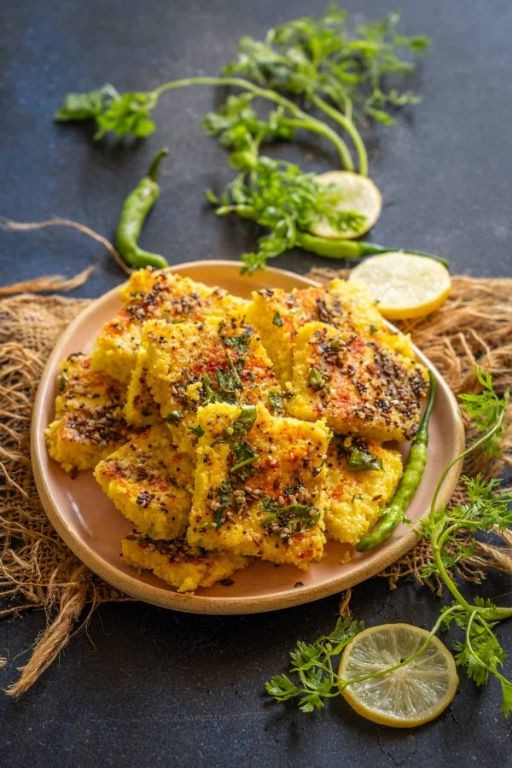
Ready to meet your new favorite snack that’s so fluffy, it practically floats off the plate? Poha Dhokla with Green Chutney is the steamed, savory cake of your dreams—light, tangy, and ridiculously easy to whip up when hunger strikes. Consider this your golden ticket to a stress-free, flavor-packed bite that’s perfect for breakfast, a snack, or anytime you need a little edible sunshine.
Ingredients
- 1 cup flattened rice (poha), rinsed and drained well (it should feel soft but not mushy)
- 1/2 cup semolina (sooji), for that perfect crumbly texture
- 1/2 cup plain yogurt, at room temperature (or sub with vegan yogurt for a dairy-free twist)
- 1 tbsp lemon juice, freshly squeezed for zing
- 1 tsp ginger paste, or freshly grated ginger for extra kick
- 1 green chili, finely chopped (remove seeds if you prefer mild heat)
- 1/2 tsp turmeric powder, for that sunny yellow hue
- 1 tsp fruit salt (eno), to make it rise like a champ
- 1 tbsp oil, for greasing the pan
- 1/2 cup fresh cilantro leaves, packed (for the chutney)
- 1/4 cup fresh mint leaves, for a refreshing twist
- 1 tbsp lemon juice, to brighten the chutney
- 1/4 tsp salt, adjust to taste
- 2 tbsp water, as needed to blend smoothly
Instructions
- In a large bowl, combine the rinsed poha, semolina, yogurt, 1 tbsp lemon juice, ginger paste, chopped green chili, turmeric powder, and salt; mix thoroughly until no dry spots remain.
- Let the batter rest for 15 minutes to allow the semolina to absorb moisture and soften—this prevents a gritty texture.
- While the batter rests, grease a 7-inch round cake pan or dhokla stand with 1 tbsp oil, ensuring even coating to avoid sticking.
- Place a steamer pot or large saucepan with 2 inches of water over high heat; bring it to a rolling boil (you should see steady steam rising).
- Sprinkle 1 tsp fruit salt over the rested batter and gently fold it in for 10–15 seconds—do not overmix or the dhokla may deflate.
- Immediately pour the batter into the greased pan and tap it lightly on the counter to remove air bubbles.
- Carefully place the pan in the steamer, cover with a tight-fitting lid, and steam over medium-high heat for 15 minutes.
- Check for doneness by inserting a toothpick into the center—if it comes out clean, the dhokla is ready; if not, steam for another 2–3 minutes.
- Turn off the heat and let the dhokla sit in the steamer, uncovered, for 5 minutes to set before removing.
- Meanwhile, make the green chutney: blend 1/2 cup cilantro, 1/4 cup mint, 1 tbsp lemon juice, 1/4 tsp salt, and 2 tbsp water in a blender until smooth, scraping down sides as needed.
- Once cooled slightly, cut the dhokla into squares or diamonds using a sharp knife for clean edges.
- Serve the dhokla warm or at room temperature, drizzled generously with the green chutney.
Gorgeously spongy and subtly tangy, this dhokla melts in your mouth with each bite, while the zesty chutney adds a fresh, herby punch. Try stacking the squares with extra chutney between layers for a playful “snack cake,” or pack them for a picnic—they stay soft for hours and are guaranteed to vanish fast!
Poha Sandwich with Cheese

Never underestimate the power of leftovers to become your next culinary masterpiece! This poha sandwich with cheese transforms humble flattened rice into a crispy, cheesy handheld wonder that will make you question why you ever settled for boring old grilled cheese. Get ready to meet your new favorite quick-fix lunch that’s equal parts nostalgic and genius.
Ingredients
– 1 cup thick poha (rinsed briefly and drained well to avoid mushiness)
– 2 slices bread (white, wheat, or sourdough all work beautifully)
– 1/4 cup shredded cheddar cheese (or any melty cheese like mozzarella)
– 1 tbsp butter (salted or unsalted, your preference)
– 1/4 tsp chaat masala (optional but highly recommended for that tangy kick)
– 1 tbsp finely chopped cilantro (or parsley if you’re out)
– 1 tsp lemon juice (freshly squeezed for maximum zing)
Instructions
1. Place the rinsed and drained poha in a medium bowl.
2. Add the chaat masala, cilantro, and lemon juice to the poha.
3. Mix gently with a fork until all ingredients are evenly distributed.
4. Spread the poha mixture evenly over one slice of bread, leaving a 1/2-inch border around the edges.
5. Sprinkle the shredded cheddar cheese evenly over the poha layer.
6. Top with the second slice of bread to form a sandwich.
7. Heat a non-stick skillet or griddle over medium heat (350°F if using an electric griddle).
8. Spread 1/2 tablespoon of butter on the outside of one bread slice.
9. Place the sandwich buttered-side down in the heated skillet.
10. Spread the remaining 1/2 tablespoon of butter on the top bread slice while the bottom cooks.
11. Cook for 3-4 minutes until the bottom is golden brown and crispy.
12. Carefully flip the sandwich using a spatula.
13. Cook for another 3-4 minutes until the second side is golden brown and the cheese is visibly melted.
14. Remove from skillet and let rest for 1 minute before cutting to allow the filling to set.
Keep this beauty whole for maximum cheese-pull drama, or slice diagonally because everything tastes better in triangles. The crispy, golden exterior gives way to a soft, tangy poha center with that glorious melted cheese ooze—it’s the texture party your lunchbox has been dreaming of. Try serving it with a side of cool mint chutney or spicy ketchup for an extra flavor adventure!
Poha Paratha with Yogurt
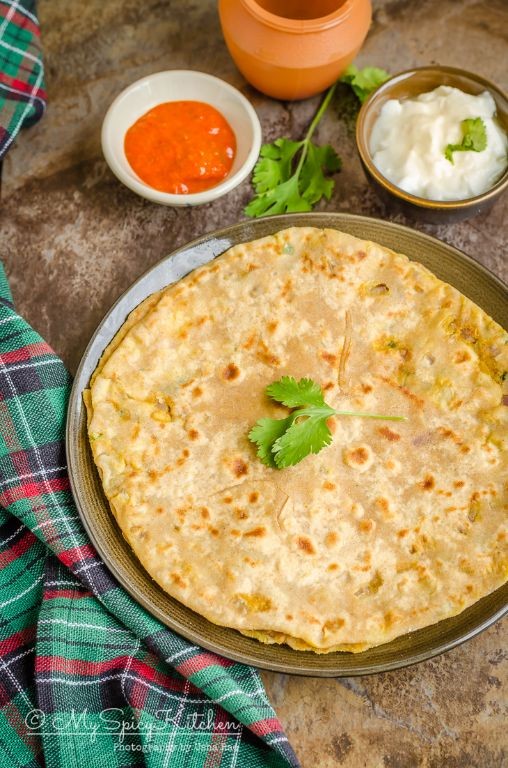
Tired of the same old breakfast routine? Let’s shake things up with Poha Paratha—the flaky, savory Indian flatbread that’s about to become your new morning obsession. Think of it as the lovechild of a fluffy pancake and a crispy quesadilla, but with way more personality and zero regrets.
Ingredients
– 1 cup flattened rice (poha), rinsed and drained—this stuff soaks up moisture like a sponge, so don’t skip the draining!
– 1 cup whole wheat flour, plus extra for dusting (or all-purpose if you’re feeling rebellious)
– ½ cup plain yogurt, full-fat for maximum creaminess (Greek yogurt works too, but thin it with a splash of water)
– 1 small onion, finely chopped—the smaller, the better for even distribution
– 1 green chili, finely chopped (remove seeds if you’re heat-averse, or add an extra if you’re brave)
– 2 tablespoons fresh cilantro, chopped (because everything’s better with a herby kick)
– 1 teaspoon cumin seeds, for that warm, earthy crunch
– ½ teaspoon turmeric powder, for golden hue and subtle earthiness
– ½ teaspoon red chili powder, adjust based on your spice tolerance
– Salt to taste (start with ½ teaspoon and adjust after mixing)
– 2 tablespoons vegetable oil, plus extra for cooking (or any neutral oil like canola)
– Water as needed, about ¼ cup to start—add slowly to avoid a sticky situation
Instructions
1. In a large bowl, combine the rinsed poha, whole wheat flour, yogurt, onion, green chili, cilantro, cumin seeds, turmeric, red chili powder, and salt.
2. Mix everything with your hands until the ingredients are evenly distributed—this is where you get to play with your food!
3. Gradually add water, 1 tablespoon at a time, and knead for 3–4 minutes until a soft, non-sticky dough forms. Tip: If the dough feels too wet, sprinkle in a bit more flour; if too dry, add another tablespoon of water.
4. Cover the dough with a damp kitchen towel and let it rest for 10 minutes at room temperature—this relaxes the gluten for easier rolling.
5. Divide the dough into 6 equal portions and roll each into a smooth ball.
6. Lightly dust a clean surface with flour and roll one ball into a 6-inch circle, about ⅛-inch thick. Tip: Rotate the dough frequently while rolling to prevent sticking and ensure an even shape.
7. Heat a non-stick skillet or tawa over medium heat (350°F) until a drop of water sizzles on contact.
8. Place one rolled paratha on the hot skillet and cook for 1–2 minutes until small bubbles appear on the surface.
9. Drizzle ½ teaspoon of oil around the edges of the paratha and flip it using a spatula.
10. Cook the other side for 1–2 minutes, pressing gently with the spatula, until golden brown spots form. Tip: For extra flakiness, lightly crumple the paratha with the spatula while cooking—this creates air pockets!
11. Repeat steps 6–10 with the remaining dough balls, adjusting heat if the parathas brown too quickly.
12. Transfer cooked parathas to a plate and cover with a clean cloth to keep them warm and soft.
Every bite of this Poha Paratha is a textural party—crispy on the outside, tender and slightly chewy inside, with pops of onion and cumin. Serve it hot with a dollop of cool yogurt for a contrast that’ll make your taste buds dance, or wrap it around scrambled eggs for a breakfast burrito with an Indian twist.
Poha Ladoo with Nuts
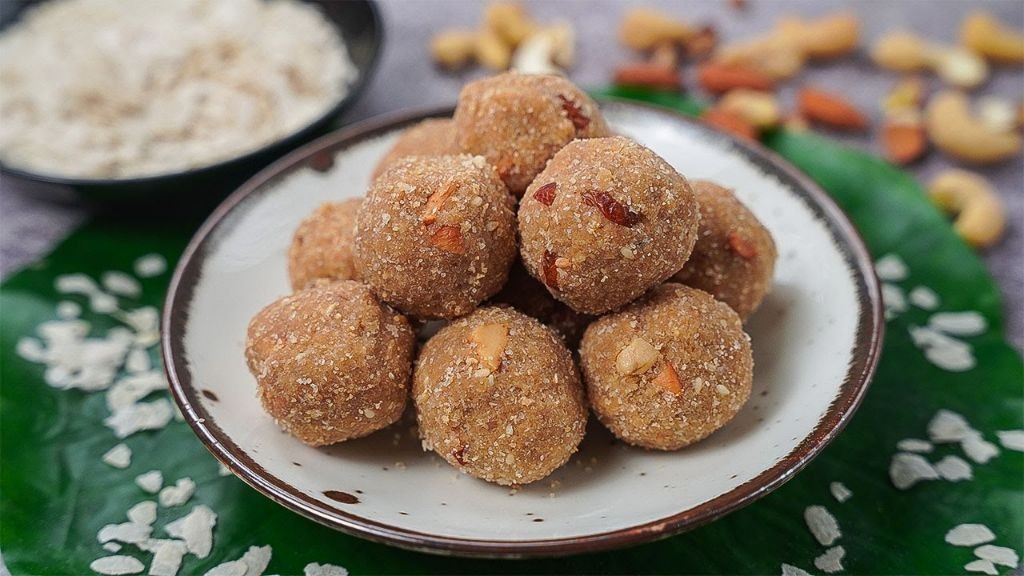
Who knew flattened rice could transform into such delightful little orbs of joy? Welcome to Poha Ladoo with Nuts—the Indian sweet that’s basically edible sunshine, packed with enough crunch to make your taste buds do a happy dance. These golden beauties are perfect for when you want something sweet without the guilt trip, because hey, they’re practically health food with all those nuts!
Ingredients
– 2 cups thick poha (flattened rice), lightly roasted until crisp
– 1/2 cup raw cashews, roughly chopped for texture
– 1/4 cup raw almonds, slivered or chopped
– 1/4 cup raw pistachios, roughly chopped
– 1/2 cup jaggery powder (or substitute with brown sugar if unavailable)
– 1/4 cup ghee (clarified butter), melted and warm
– 1/4 tsp cardamom powder, freshly ground if possible
– 2 tbsp golden raisins (optional but recommended for bursts of sweetness)
Instructions
1. Place a large skillet over medium heat and add the thick poha.
2. Dry roast the poha for 4-5 minutes, stirring constantly until it becomes crisp and releases a nutty aroma—this prevents sogginess later.
3. Transfer the roasted poha to a food processor and pulse for 30-40 seconds until it forms a coarse powder with some texture remaining.
4. In the same skillet, add 1 tablespoon of the melted ghee over medium-low heat.
5. Add the chopped cashews, almonds, and pistachios to the skillet and toast for 2-3 minutes until lightly golden and fragrant.
6. Stir in the golden raisins and cook for another 30 seconds until they plump up slightly.
7. Combine the ground poha, toasted nut mixture, jaggery powder, and cardamom powder in a large mixing bowl.
8. Gradually pour the remaining warm melted ghee over the mixture while mixing with your hands—the warmth helps bind everything together perfectly.
9. Take about 2 tablespoons of the mixture and press firmly between your palms to form tight, round ladoos; if they don’t hold shape, add another teaspoon of warm ghee.
10. Arrange the formed ladoos on a plate and let them set at room temperature for 15-20 minutes before serving.
Seriously, these ladoos are the texture dream team—crunchy from the nuts, slightly chewy from the jaggery, with that magical melt-in-your-mouth quality from the poha. Serve them as afternoon pick-me-ups with masala chai, or get fancy and crumble one over vanilla ice cream for an Indo-fusion dessert that’ll have everyone asking for your secret!
Poha Salad with Lemon Dressing
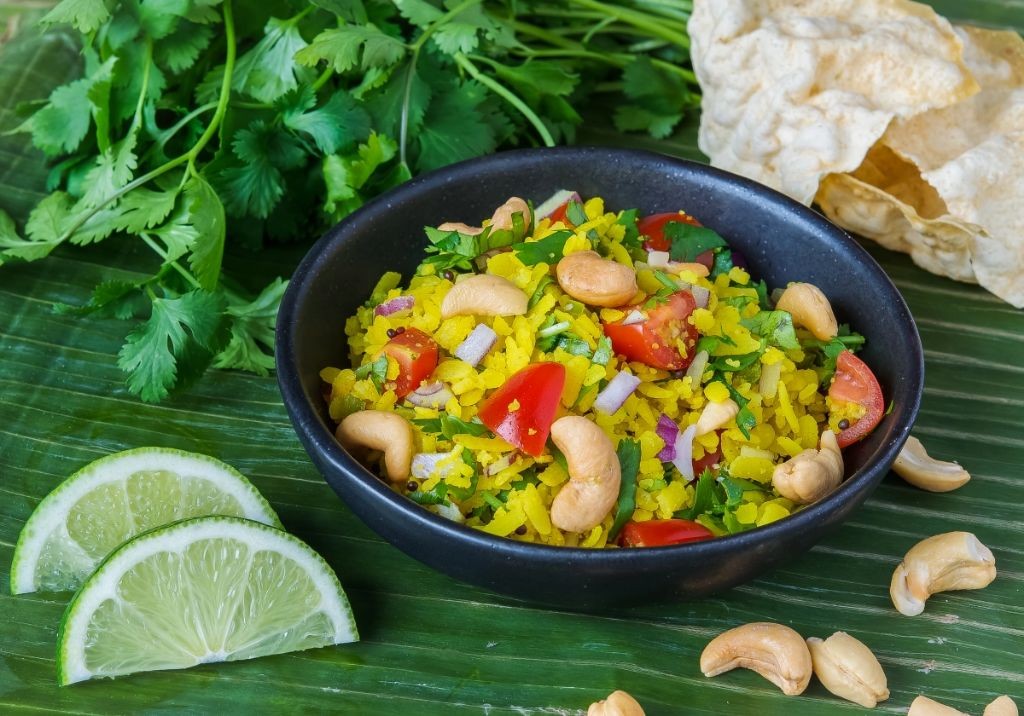
Ready to ditch boring salads? This poha situation is about to become your new crunchy obsession—it’s like your favorite breakfast flaked rice decided to party with fresh veggies and a zesty lemon hug, no invitation required.
Ingredients
– 1 cup thick poha (flattened rice), rinsed quickly—don’t let it turn mushy!
– 2 tbsp lemon juice, freshly squeezed for maximum zing (bottled works in a pinch)
– 1 tbsp olive oil, or any neutral oil if you’re feeling flexible
– 1/2 cup finely chopped red onion, for a sharp kick
– 1/2 cup diced cucumber, for cool crunch
– 1/4 cup chopped cilantro, because freshness is non-negotiable
– 1/4 tsp salt, adjust if you’re salt-shy
– 1/4 tsp black pepper, freshly ground if you’re fancy
Instructions
1. Place poha in a fine-mesh strainer and rinse under cold water for 10 seconds—just until moistened, not soggy.
2. Transfer rinsed poha to a large mixing bowl and let it sit for 5 minutes to soften slightly.
3. While poha rests, whisk together lemon juice, olive oil, salt, and black pepper in a small bowl until emulsified.
4. Add chopped red onion, diced cucumber, and cilantro to the poha bowl.
5. Pour the lemon dressing over the poha and veggie mixture.
6. Gently toss everything with a spatula for 30 seconds to coat evenly—no aggressive stirring!
7. Let the salad sit at room temperature for 5 minutes to allow flavors to meld.
8. Serve immediately, or chill in the refrigerator for up to 1 hour for a cooler bite. The poha stays delightfully fluffy with a confetti-like confetti of crisp veggies, each forkful bursting with bright lemon tang. Try piling it into lettuce cups for a handheld feast, or top with toasted peanuts if you’re craving extra crunch.
Poha Burger with Spicy Mayo

Who says burgers need buns? We’re flipping breakfast on its head with this Poha Burger that’ll make your taste buds do a happy dance while convincing your brunch crew you’re a culinary genius.
Ingredients
– 2 cups thick poha (flattened rice), rinsed and drained
– 1 medium russet potato, boiled and mashed (about ¾ cup)
– ½ cup finely chopped red onion
– 2 tbsp chopped cilantro
– 1 green chili, finely minced (remove seeds for less heat)
– ½ tsp turmeric powder
– 1 tsp cumin seeds
– 2 tbsp vegetable oil (or any neutral oil)
– 4 burger buns, lightly toasted
– ¼ cup mayonnaise
– 1 tbsp sriracha sauce (adjust to your spice preference)
– 4 lettuce leaves
– 4 slices tomato
– Salt to taste
Instructions
1. Combine rinsed poha, mashed potato, red onion, cilantro, green chili, turmeric, and salt in a large bowl.
2. Mix thoroughly until the mixture holds together when pressed—if too dry, sprinkle 1 tbsp water.
3. Divide the mixture into 4 equal portions and shape into ½-inch thick patties.
4. Heat vegetable oil in a non-stick skillet over medium heat (350°F surface temperature).
5. Carefully place patties in the skillet and cook for 4-5 minutes until golden brown and crisp.
6. Flip patties using a spatula and cook another 4-5 minutes until both sides are evenly browned.
7. While patties cook, whisk mayonnaise and sriracha in a small bowl until smooth.
8. Spread spicy mayo on both halves of each toasted burger bun.
9. Place one lettuce leaf on each bottom bun, followed by a tomato slice.
10. Transfer one cooked poha patty onto each prepared bun base.
11. Top with remaining bun halves and serve immediately.
Forget boring burgers—these crispy-edged patties deliver satisfying crunch with fluffy interiors, while the spicy mayo kicks things up with creamy heat. Serve them open-faced with extra sriracha for dipping, or stack two mini patties for an epic double-decker situation that’ll disappear faster than your weekend plans.
Summary
Gather around the table with these 18 versatile poha recipes perfect for any time of day! From quick breakfasts to satisfying dinners, there’s something for every craving. We’d love to hear which recipes become your new favorites—drop us a comment below and don’t forget to share this delicious roundup on Pinterest so other home cooks can discover these tasty dishes too!