Kick your taste buds into high gear with these vibrant Puerto Rican dishes! We’ve gathered 18 authentic recipes bursting with the island’s signature flavors—think sofrito, adobo, and plantains. Whether you’re craving comforting mofongo or zesty pernil, this collection brings the warmth of Puerto Rican kitchens right to yours. Ready to spice up your cooking routine? Dive in and discover your new favorite meal!
Arroz con Gandules
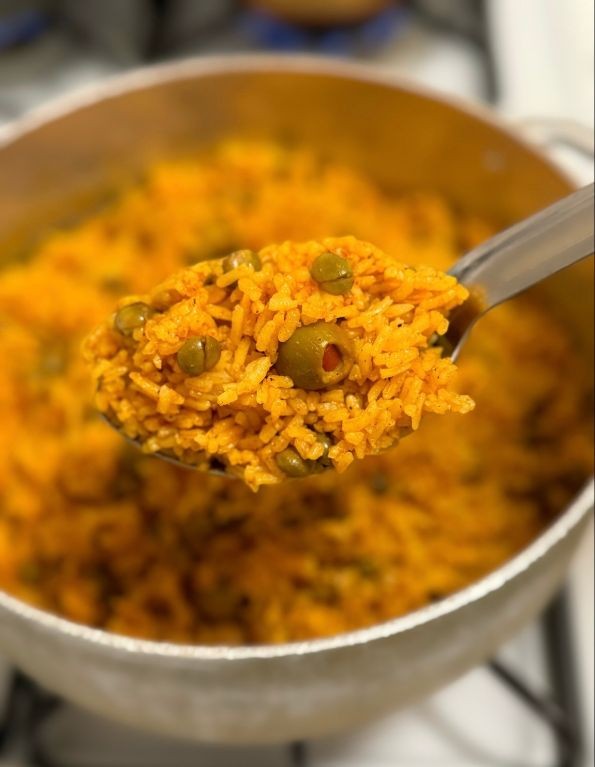
Zesty, vibrant, and downright irresistible—Arroz con Gandules is the Puerto Rican party superstar that turns any Tuesday into a tropical fiesta. This one-pot wonder combines fluffy rice, tender pigeon peas, and a symphony of sofrito magic that’ll have your taste buds doing the salsa. Trust us, your stove is about to become the life of the party.
Ingredients
- 2 cups long-grain rice, rinsed until water runs clear (for fluffier results)
- 1 cup pigeon peas, canned and drained (or fresh if you’re feeling fancy)
- 4 tbsp olive oil, or any neutral oil (extra virgin adds a fruity kick)
- 1/2 cup sofrito, homemade or store-bought (the flavor foundation)
- 4 cups chicken broth, low-sodium (or vegetable broth for a veggie twist)
- 1 tbsp adobo seasoning, adjust to taste (salt-free blends work too)
- 1/2 cup tomato sauce, for color and subtle sweetness
- 2 bay leaves, dried (remove before serving—they’re not for eating!)
- 1/4 cup pimento-stuffed olives, sliced (adds briny pops of joy)
Instructions
- Heat olive oil in a large caldero or heavy-bottomed pot over medium heat for 2 minutes until shimmering.
- Add sofrito and sauté for 3–4 minutes, stirring constantly, until fragrant and slightly darkened—this deepens the flavor base.
- Stir in tomato sauce and cook for 1 minute to meld the flavors and create a rich, red-hued base.
- Add rinsed rice, pigeon peas, adobo seasoning, bay leaves, and olives, tossing to coat everything evenly in the sofrito mixture.
- Pour in chicken broth, scraping the bottom of the pot to lift any stuck-on bits for maximum flavor infusion.
- Bring the mixture to a rolling boil over high heat, then immediately reduce heat to low and cover tightly with a lid.
- Simmer for 20 minutes without peeking—steam escape is the enemy of fluffy rice!—until liquid is fully absorbed.
- Remove the pot from heat and let it rest, covered, for 10 minutes to allow the rice grains to firm up and separate easily.
- Fluff the rice gently with a fork, discarding the bay leaves, and serve warm. Tip: For a crispy bottom layer (pegao), extend the cooking time by 5 minutes at the end.
Just imagine that first forkful: fluffy rice grains, studded with tender peas and briny olives, all hugged by a savory, aromatic sauce. Jazz it up by stuffing it into roasted bell peppers or pairing it with crispy tostones for a textural showdown that’ll steal the show.
Pernil (Roast Pork Shoulder)

Carnivores, rejoice! Today we’re tackling the glorious Puerto Rican masterpiece that will make your oven work overtime and your taste buds throw a fiesta. Pernil is that magical roast pork shoulder where crispy, crackling skin gives way to impossibly tender, garlicky meat that basically falls apart if you look at it too hard.
Ingredients
– 1 (8-10 lb) bone-in pork shoulder, skin scored
– ¼ cup olive oil (or any neutral oil)
– 12 garlic cloves, minced
– 2 tbsp dried oregano
– 1 tbsp ground cumin
– 2 tsp black pepper
– ¼ cup white vinegar
– 2 tbsp kosher salt (adjust if using table salt)
Instructions
1. Pat the pork shoulder completely dry with paper towels, paying extra attention to the skin.
2. In a small bowl, combine olive oil, minced garlic, dried oregano, ground cumin, black pepper, and white vinegar to create a thick paste.
3. Rub this marinade mixture thoroughly over the entire pork shoulder, working it into every nook and cranny, including the scored skin.
4. Sprinkle kosher salt generously over the skin, making sure it gets into the score marks.
5. Place the pork shoulder in a large roasting pan, skin-side up, and refrigerate uncovered for at least 12 hours or overnight.
6. Remove the pork from refrigerator 2 hours before cooking and let it come to room temperature.
7. Preheat your oven to 325°F.
8. Roast the pork shoulder for 5-6 hours until the internal temperature reaches 195°F when measured with a meat thermometer.
9. Increase oven temperature to 450°F and roast for another 15-20 minutes until the skin becomes crispy and bubbly.
10. Remove from oven and let rest for 30 minutes before shredding with two forks.
That glorious crackling skin gives way to impossibly tender meat that practically shreds itself with minimal effort. Serve this beauty piled high on warm tortillas with pickled onions, or go full Puerto Rican with arroz con gandules – either way, prepare for your new favorite Sunday dinner tradition.
Mofongo
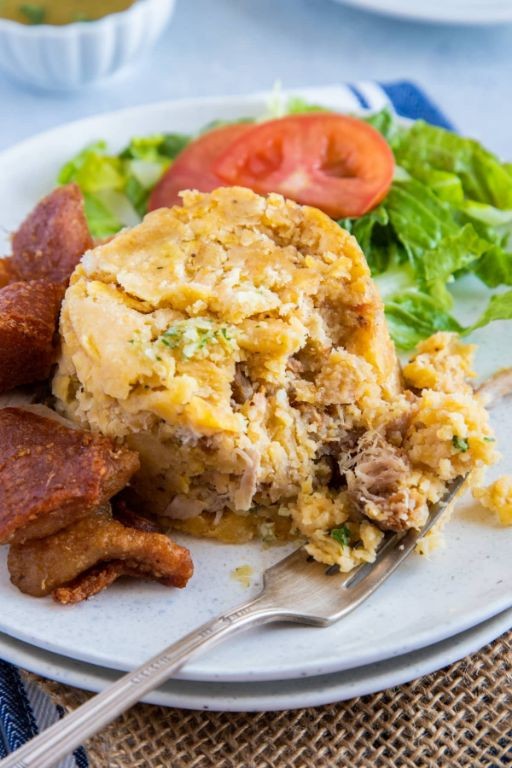
Gather ’round, hungry friends, because we’re about to transform humble plantains into Puerto Rico’s most glorious mash-up: Mofongo! This garlicky, crispy, soul-satisfying pile of deliciousness is basically the island’s answer to mashed potatoes, but with way more personality and a serious crunch factor. Get ready to smash, mix, and devour your way to Caribbean comfort food heaven.
Ingredients
– 3 green plantains, peeled and sliced into 1-inch rounds (they should be firm, not yellow or soft)
– 4 cups vegetable oil for frying (or any neutral high-heat oil)
– 6 cloves garlic, minced (adjust to your vampire-repelling preferences)
– 1/4 cup pork cracklings (chicharrones), crushed (or substitute with cooked bacon bits for similar crunch)
– 2 tablespoons olive oil (extra virgin adds nice flavor)
– 1 teaspoon salt (plus more for seasoning)
– 1/4 teaspoon black pepper (freshly cracked preferred)
Instructions
1. Heat vegetable oil in a deep pot or Dutch oven to 350°F, using a deep-fry thermometer to monitor temperature accurately.
2. Carefully add plantain rounds to the hot oil and fry for 6-8 minutes until golden brown and crispy on all sides, turning occasionally with tongs for even cooking.
3. Remove fried plantains with a slotted spoon and drain on paper towels to absorb excess oil—this prevents greasy mofongo.
4. While plantains are still warm but cool enough to handle, transfer them to a traditional pilón (wooden mortar) or large sturdy bowl.
5. Add minced garlic, crushed pork cracklings, olive oil, salt, and black pepper to the plantains.
6. Use a pestle or the bottom of a sturdy glass to mash everything together until well combined but still slightly chunky, about 2-3 minutes of vigorous smashing.
7. Taste and adjust seasoning with additional salt if needed, remembering the cracklings already add saltiness.
8. Form the mashed mixture into 4 equal-sized balls or mound into individual serving bowls, pressing firmly to hold their shape.
Just imagine that first bite: crackling-crisp plantain chunks giving way to garlicky, pork-kissed fluffiness that’s simultaneously hearty and light. Serve these golden domes alongside grilled chicken or shrimp, or go full traditional and crown them with savory stew—either way, you’ve got edible sunshine in a bowl.
Pasteles
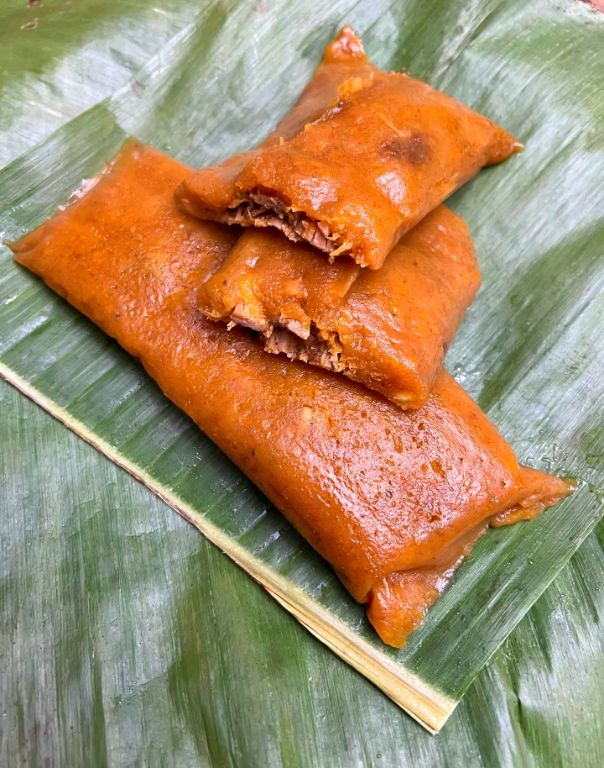
Now, let’s talk about Pasteles – the holiday-wrapped parcels of joy that basically scream “I love you” in dough form. These little bundles of deliciousness are like edible presents that your taste buds get to unwrap, and trust me, Santa wishes his cookies were this good.
Ingredients
– 2 cups masa harina (the magic flour that makes everything possible)
– 1 cup warm water (about 110°F – think cozy bath temperature)
– ½ cup vegetable shortening (or lard for extra authenticity)
– 1 tsp salt (the flavor enhancer we all need)
– 1 cup shredded cooked chicken (or pork if you’re feeling fancy)
– ½ cup tomato sauce (the saucy secret weapon)
– 1 tsp chili powder (adjust for your preferred spice level)
– 2 tbsp olive oil (or any neutral oil works too)
– Banana leaves cut into 8-inch squares (available frozen at Latin markets)
Instructions
1. Combine masa harina and salt in a large mixing bowl.
2. Add warm water gradually while mixing with your hands until a soft dough forms.
3. Knead vegetable shortening into the dough for 3-4 minutes until fully incorporated and smooth.
4. Cover the dough with a damp cloth and let it rest for 20 minutes to hydrate properly.
5. Heat olive oil in a skillet over medium heat until shimmering.
6. Add shredded chicken and cook for 2 minutes until lightly browned.
7. Stir in tomato sauce and chili powder, cooking for another 3 minutes until well combined.
8. Remove chicken mixture from heat and let it cool completely to prevent soggy dough.
9. Briefly pass banana leaves over a gas flame for 10 seconds each side to make them pliable.
10. Divide the rested dough into 8 equal portions and roll each into a ball.
11. Flatten one dough ball into a 5-inch circle on a banana leaf square.
12. Place 2 tablespoons of chicken filling in the center of the dough circle.
13. Fold the banana leaf to encase the filling, creating a rectangular packet.
14. Secure each packet with kitchen twine, tying it firmly but not too tight.
15. Arrange the packets in a steamer basket, leaving space between them for steam circulation.
16. Steam over boiling water for 45 minutes until the dough is firm and cooked through.
17. Carefully remove packets from steamer and let them cool for 5 minutes before serving.
Each bite reveals the perfect marriage of tender masa and savory filling that’ll make you question why you ever settled for ordinary tamales. The banana leaves impart an earthy aroma that elevates the whole experience, making these perfect for dipping in your favorite salsa or simply enjoying as-is while pretending you’re on a tropical vacation.
Tostones
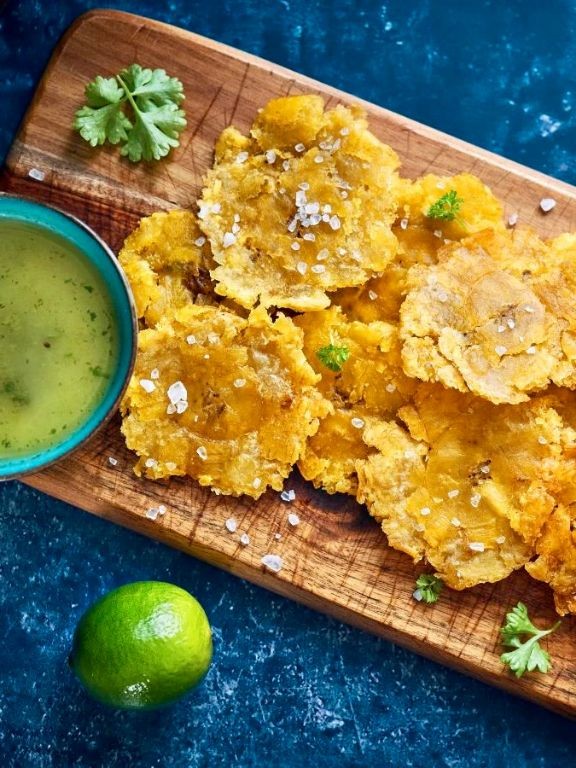
Folks, let’s talk about the crispy, golden, twice-fried magic that is about to revolutionize your snack game—these plantain patties are basically the potato chip’s cooler, tropical cousin who knows how to party. Forget boring sides; these crunchy delights are so addictive, you’ll be hiding them from your family (no judgment here).
Ingredients
- 2 large green plantains (look for firm, unripe ones with minimal yellow spots)
- 1 cup vegetable oil (or any neutral oil like canola for frying)
- 1 tsp salt (adjust to taste, but don’t skimp—it’s key for flavor)
- 1/4 cup warm water (for dipping to reduce oil splatter)
Instructions
- Peel the green plantains by slicing off the ends, making three shallow lengthwise cuts, and prying off the skin with your fingers.
- Slice each plantain into 1-inch thick rounds, aiming for even pieces to ensure uniform cooking.
- Heat the vegetable oil in a large skillet over medium-high heat until it reaches 350°F, using a thermometer to avoid guesswork.
- Carefully add the plantain rounds to the hot oil in a single layer, frying for 3–4 minutes until they turn light golden yellow and are slightly soft.
- Remove the plantains with a slotted spoon and drain them on a paper towel-lined plate for 1 minute to cool slightly.
- Place one plantain round between two sheets of parchment paper and flatten it to about 1/4-inch thickness using the bottom of a heavy plate or glass, repeating for all rounds.
- Tip: Dip your flattening tool in the warm water between smashes to prevent sticking and keep things tidy.
- Return the flattened plantains to the hot oil (still at 350°F) and fry for another 2–3 minutes per side until crispy and deep golden brown.
- Tip: Work in batches to avoid overcrowding the skillet, which helps maintain the oil temperature for optimal crispiness.
- Immediately transfer the tostones to a clean paper towel-lined plate and sprinkle evenly with the salt while still hot.
- Tip: For extra flavor, mix the salt with a pinch of garlic powder or chili flakes before sprinkling—it’s a game-changer for savory lovers.
Heavenly crisp on the outside with a tender bite inside, these tostones are your ticket to snack nirvana. Serve them stacked high with a zesty garlic dipping sauce or as a base for pulled pork sliders—because why should buns have all the fun?
Bacalaitos (Salt Cod Fritters)

Let’s be real—most fried foods are just vehicles for dipping sauces, but these Puerto Rican bacalaitos are the glorious exception that’ll have you questioning all your life choices. Crispy, salty, and ridiculously addictive, they’re the snack that proves sometimes the simplest things are the most dangerously delicious.
Ingredients
- 1 lb salt cod, soaked overnight and shredded (trust me, don’t skip the soak)
- 2 cups all-purpose flour (or sub half with rice flour for extra crunch)
- 1 tsp baking powder (the secret to airy fritters)
- 1/2 tsp black pepper
- 1/4 cup fresh cilantro, chopped (parsley works in a pinch)
- 1 small onion, finely diced (yellow or white both work)
- 2 cloves garlic, minced (because everything’s better with garlic)
- 1 1/2 cups cold water (ice cold makes the crispiest batter)
- 2 cups vegetable oil for frying (or any neutral high-heat oil)
Instructions
- Place shredded salt cod in a large mixing bowl.
- Add flour, baking powder, and black pepper to the bowl with the cod.
- Mix in chopped cilantro, diced onion, and minced garlic until evenly distributed.
- Gradually pour in cold water while stirring continuously until a thick, lumpy batter forms—it should coat the back of a spoon but still be pourable.
- Let the batter rest for 15 minutes at room temperature to allow the flour to hydrate properly.
- Heat vegetable oil in a deep skillet to 350°F, using a thermometer for accuracy.
- Drop tablespoon-sized portions of batter into the hot oil, being careful not to overcrowd the pan.
- Fry for 3-4 minutes until the edges turn golden brown and crispy.
- Flip each fritter using tongs and fry for another 2-3 minutes until deeply golden on both sides.
- Remove bacalaitos with a slotted spoon and drain on a wire rack set over a baking sheet—this keeps them crispy instead of soggy.
Perfectly crispy on the outside with a tender, flaky interior that bursts with savory salt cod flavor, these fritters are begging to be served with a spicy mayo dip or tucked into a soft roll with shredded cabbage for the ultimate fish sandwich experience.
Alcapurrias
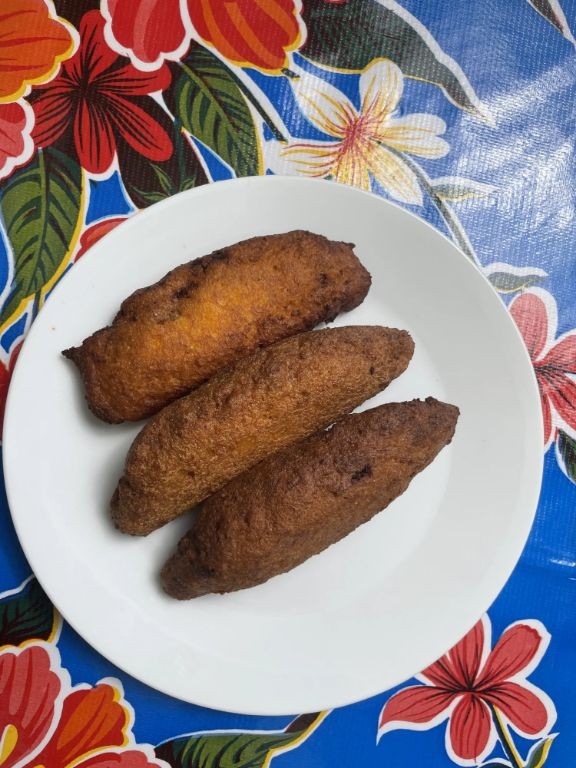
Forget everything you thought you knew about fritters, because alcapurrias are about to become your new deep-fried obsession. These Puerto Rican flavor bombs wrap seasoned ground beef in a magical green plantain-yautía dough that fries up crispy on the outside and miraculously tender inside. Get ready to impress your friends and confuse your neighbors with these handheld pockets of pure joy.
Ingredients
– 2 green plantains, peeled and grated (they should be completely green, no yellow spots)
– 1 cup grated yautía (also called malanga or taro root)
– 1/2 lb ground beef (80/20 works best for flavor)
– 2 tbsp olive oil (or any neutral oil)
– 1/4 cup sofrito (store-bought or homemade)
– 1 tsp adobo seasoning (adjust to taste)
– 1/4 cup tomato sauce
– 4 cups vegetable oil for frying (enough to submerge the alcapurrias)
– Plastic wrap or banana leaves for shaping
Instructions
1. Combine grated plantains and yautía in a large bowl, mixing thoroughly with your hands until the mixture turns slightly sticky and holds together when pressed.
2. Heat olive oil in a skillet over medium-high heat until it shimmers, about 1 minute.
3. Add ground beef to the hot skillet, breaking it up with a wooden spoon until no pink remains, approximately 5-7 minutes.
4. Stir in sofrito and cook until fragrant, about 2 minutes, scraping any browned bits from the bottom of the pan.
5. Sprinkle adobo seasoning over the beef mixture and stir to coat evenly.
6. Pour in tomato sauce and simmer until the mixture thickens slightly, about 3-4 minutes, then remove from heat and let cool completely.
7. Take a golf ball-sized portion of the plantain mixture and flatten it into an oval shape on a piece of plastic wrap.
8. Place 1 tablespoon of the cooled beef filling in the center of the oval.
9. Carefully fold the edges of the plantain mixture over the filling, using the plastic wrap to help shape it into a torpedo-like form, sealing completely.
10. Repeat with remaining mixture and filling, placing shaped alcapurrias on a parchment-lined baking sheet.
11. Heat vegetable oil in a deep pot to 350°F, using a thermometer to ensure accuracy.
12. Gently lower 2-3 alcapurrias into the hot oil using a slotted spoon, frying for 4-5 minutes until golden brown and crispy.
13. Remove alcapurrias from oil and drain on a wire rack set over a baking sheet for 2 minutes to maintain crispiness.
14. Repeat frying process with remaining alcapurrias, maintaining oil temperature between 345-355°F. Really, the magic happens when you bite through that crackly exterior into the soft, savory interior that somehow manages to stay perfectly moist. Serve these beauties with a generous drizzle of hot sauce or alongside a cool avocado salad for the ultimate texture contrast that’ll have everyone begging for your secret.
Sancocho
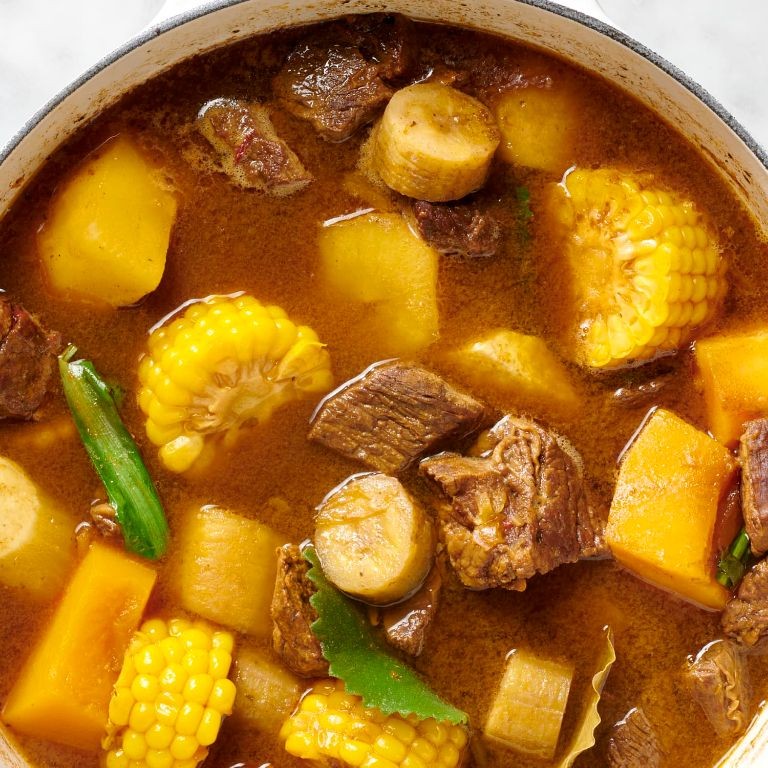
Ladies and gentlemen, prepare your spoons for a flavor fiesta that’ll make your taste buds do the cha-cha! Sancocho is basically a tropical hug in a bowl—a hearty Latin American stew that turns ordinary ingredients into pure comfort magic.
Ingredients
– 2 lbs chicken thighs, bone-in (skin-on for extra flavor)
– 1 lb beef chuck, cut into 1-inch cubes
– 1 large yellow onion, diced (about 2 cups)
– 4 garlic cloves, minced
– 2 green plantains, peeled and sliced 1-inch thick
– 2 ears corn, husked and cut into 2-inch rounds
– 2 large Yukon gold potatoes, peeled and cubed
– 1 cup chopped cilantro
– 8 cups chicken broth
– 2 tbsp olive oil (or any neutral oil)
– 1 tsp cumin
– 1 tsp dried oregano
– Salt to taste (start with 1 tsp)
Instructions
1. Heat 2 tbsp olive oil in a large Dutch oven over medium-high heat until shimmering.
2. Season chicken thighs and beef cubes generously with salt, then brown in batches for 4-5 minutes per side until golden—don’t crowd the pot!
3. Remove meat and set aside, leaving drippings in the pot.
4. Add diced onion to the pot and sauté for 3-4 minutes until translucent.
5. Stir in minced garlic, cumin, and oregano, cooking for 1 minute until fragrant.
6. Return all meat to the pot along with any accumulated juices.
7. Pour in 8 cups chicken broth, scraping up any browned bits from the bottom.
8. Bring to a boil, then reduce heat to low, cover, and simmer for 45 minutes.
9. Add plantain slices and corn rounds, submerging them in the broth.
10. Cover and simmer for another 20 minutes until plantains are tender when pierced with a fork.
11. Add cubed potatoes and continue simmering uncovered for 15-20 minutes until potatoes are fork-tender.
12. Stir in chopped cilantro and adjust salt if needed.
13. Remove from heat and let rest for 5 minutes before serving.
Rich, soul-warming goodness awaits! The broth becomes velvety from the starchy plantains and potatoes, while the corn adds sweet pops of crunch. Serve it with a squeeze of lime and crusty bread for dipping—perfect for pretending you’re on a Caribbean vacation while actually just on your couch.
Lechón Asado
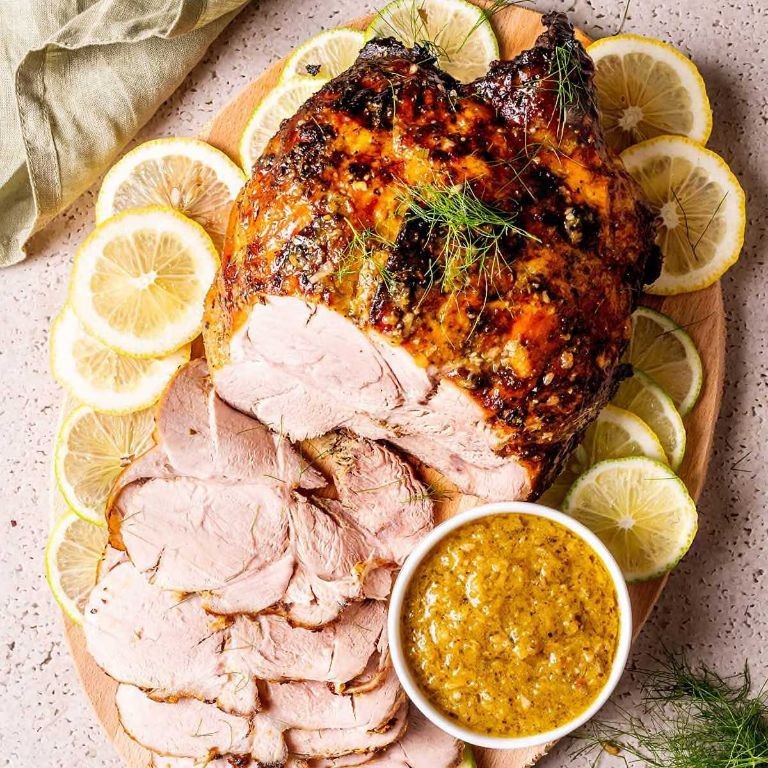
Dare we introduce a dish so gloriously pork-tastic it might just make your taste buds do the cha-cha? Lechón Asado is Cuba’s answer to ‘why settle for ordinary roast pork when you can have a citrusy, garlicky flavor explosion?’ Get ready to transform a humble pork shoulder into the star of your next fiesta.
Ingredients
- 4 lb pork shoulder (bone-in for extra flavor, but boneless works too)
- 1 cup fresh orange juice (bottled works in a pinch, but fresh is best)
- ½ cup fresh lime juice (about 4-5 limes)
- 8 garlic cloves, minced (or 2 tbsp pre-minced garlic)
- 2 tbsp dried oregano
- 1 tbsp ground cumin
- 1 tbsp salt (adjust if using kosher salt)
- 1 tsp black pepper
- 2 tbsp olive oil (or any neutral oil)
- 1 large onion, sliced
- ½ cup chicken broth (vegetable broth works as substitute)
Instructions
- Pat the pork shoulder completely dry with paper towels—this helps the marinade stick and promotes better browning.
- Using a sharp knife, make ½-inch deep slits all over the pork surface, about 2 inches apart.
- In a medium bowl, whisk together orange juice, lime juice, minced garlic, oregano, cumin, salt, and pepper until well combined.
- Place the pork in a large zip-top bag or shallow baking dish and pour the marinade over it, making sure to rub it into all the slits.
- Seal the bag or cover the dish and refrigerate for at least 4 hours, though overnight marinating yields the most flavor penetration.
- Preheat your oven to 325°F and position a rack in the lower third of the oven.
- Heat olive oil in a large oven-safe Dutch oven or roasting pan over medium-high heat until shimmering, about 2 minutes.
- Remove pork from marinade (reserving the marinade) and sear on all sides until golden brown, about 4-5 minutes per side.
- Scatter sliced onions around the pork in the pan and pour in the reserved marinade plus chicken broth.
- Cover tightly with a lid or foil and roast for 3 hours—the internal temperature should reach 195°F for pull-apart tenderness.
- Remove the lid and increase oven temperature to 425°F to crisp the exterior for 15-20 minutes until the skin is crackly.
- Transfer pork to a cutting board and let rest for 20 minutes—this allows juices to redistribute throughout the meat.
- While pork rests, skim excess fat from the pan juices and serve as a sauce alongside the meat.
Just imagine pulling apart tender, citrus-infused pork that practically melts at the touch. The crispy exterior gives way to incredibly moist meat that’s packed with garlicky goodness. Serve it stuffed into warm tortillas with pickled onions, or go full Cuban with black beans and rice for a meal that’ll have everyone asking for your secret.
Rellenos de Papa

Kick your boring potato routine to the curb, because we’re about to stuff those spuds with cheesy, meaty goodness that’ll make your taste buds do a happy dance. Rellenos de Papa are basically the culinary equivalent of a surprise party in your mouth—crispy on the outside, explosively delicious on the inside, and guaranteed to disappear faster than your resolve to eat just one.
Ingredients
– 2 lbs russet potatoes, peeled and quartered (or Yukon Gold for creamier texture)
– 1 lb ground beef, 80/20 blend (or ground turkey for a lighter option)
– 1 cup shredded mozzarella cheese (or pepper jack for extra kick)
– 1 small yellow onion, finely diced
– 2 cloves garlic, minced
– 1 large egg, beaten
– 1 cup all-purpose flour
– 2 cups breadcrumbs
– 1 tsp cumin
– 1 tsp paprika
– Vegetable oil for frying (enough for 2 inches depth in pan)
– Salt and black pepper to taste
Instructions
1. Place peeled, quartered potatoes in a large pot and cover with cold water by 1 inch.
2. Bring potatoes to a boil over high heat, then reduce to medium and simmer for 15-20 minutes until fork-tender.
3. While potatoes cook, heat 1 tablespoon oil in a skillet over medium-high heat and sauté diced onion for 3-4 minutes until translucent.
4. Add minced garlic to the skillet and cook for 1 minute until fragrant.
5. Add ground beef to the skillet, breaking it up with a spoon, and cook for 6-8 minutes until browned.
6. Drain any excess grease from the beef mixture and stir in cumin, paprika, salt, and pepper.
7. Drain cooked potatoes thoroughly and return them to the hot pot for 1 minute to evaporate excess moisture.
8. Mash potatoes until smooth and let cool for 10 minutes until safe to handle.
9. Take 1/4 cup of mashed potatoes and flatten into a 3-inch disk in your palm.
10. Place 1 tablespoon of beef mixture and 1 teaspoon of shredded cheese in the center of the potato disk.
11. Carefully fold potato edges over filling and seal completely, forming a smooth ball.
12. Roll each potato ball in flour, shaking off excess.
13. Dip floured ball into beaten egg, coating completely.
14. Roll egg-coated ball in breadcrumbs until fully covered.
15. Heat 2 inches of vegetable oil in a deep skillet to 350°F using a thermometer.
16. Fry 3-4 potato balls at a time for 2-3 minutes per side until golden brown.
17. Remove rellenos with a slotted spoon and drain on paper towels.
Perfectly golden and crisp, these potato bombs deliver a satisfying crunch that gives way to a steamy, cheesy interior with savory beef that’ll have everyone begging for your secret. Serve them stacked high with a zesty cilantro-lime crema for dipping, or go full fiesta mode by pairing with black beans and plantains for a complete meal that turns Tuesday dinner into a celebration.
Habichuelas Guisadas

Nestled somewhere between your abuela’s secret recipe and that cozy blanket you refuse to wash, Habichuelas Guisadas is the Puerto Rican comfort food that hugs you from the inside out. This isn’t just bean soup—it’s a warm, flavorful symphony in a bowl that turns a humble can of beans into a weeknight superhero. Get ready to make your taste buds do the salsa!
Ingredients
- 2 tbsp olive oil (or any neutral oil)
- 1/4 cup sofrito (store-bought works, but homemade is next-level)
- 2 tbsp tomato sauce (the secret weapon for that rich color)
- 1/4 cup diced ham (or substitute with cooked bacon for extra smokiness)
- 1 packet Sazón with culantro and achiote (the flavor bomb that makes everything better)
- 2 (15 oz) cans pink or red beans, undrained (don’t you dare rinse them—that liquid is gold)
- 1 cup water (adjust for your preferred thickness)
- 1 large potato, peeled and cubed into 1-inch pieces (the starchy heart of the dish)
- 1/4 cup pitted green olives (they add that briny punch)
- 1 tsp dried oregano (crush it between your palms to wake up the oils)
Instructions
- Heat 2 tbsp olive oil in a medium pot over medium heat for 1 minute until it shimmers.
- Add 1/4 cup sofrito and sauté for 3 minutes, stirring constantly until fragrant and slightly darkened.
- Stir in 2 tbsp tomato sauce and cook for 1 minute to deepen the flavor and color.
- Add 1/4 cup diced ham and cook for 2 minutes until it releases its savory aroma.
- Sprinkle in 1 packet Sazón and 1 tsp dried oregano, stirring for 30 seconds to toast the spices.
- Pour in both cans of undrained beans and 1 cup water, scraping the bottom of the pot to lift any browned bits.
- Add 1 cubed potato and 1/4 cup green olives, stirring gently to combine.
- Bring the mixture to a boil over high heat, then immediately reduce to a simmer.
- Cover the pot and simmer for 25 minutes, stirring occasionally to prevent sticking.
- Uncover and simmer for an additional 10 minutes until the potatoes are fork-tender and the sauce has thickened slightly.
The finished beans should be creamy and stew-like, with the potatoes melting into the broth and the olives providing little salty surprises. Try serving it over fluffy white rice for the classic combo, or scoop it up with crispy tostones for a textural party in your mouth.
Pollo Guisado

Oh, the glorious Pollo Guisado—the cozy, comforting chicken stew that’s basically a warm hug in a bowl, perfect for when your soul needs a little TLC and your taste buds demand a fiesta. This Latin-inspired gem simmers chicken to fall-off-the-bone tenderness in a savory, tomato-based broth that’ll make you want to lick the spoon (no judgment here!). It’s the ultimate one-pot wonder for busy weeknights or lazy Sundays, guaranteed to turn your kitchen into the heart of the home.
Ingredients
– 2 lbs chicken thighs, bone-in and skin-on (for maximum flavor, or use boneless if you’re in a hurry)
– 2 tbsp olive oil (or any neutral oil, like avocado)
– 1 large yellow onion, diced (about 1 cup)
– 4 cloves garlic, minced (because more garlic is always better)
– 1 green bell pepper, chopped (about 1 cup, or swap for red for sweetness)
– 1 cup tomato sauce (canned works great)
– 1 cup chicken broth (low-sodium, so you control the salt)
– 1 tsp dried oregano (crush it between your fingers to wake up the flavor)
– 1 tsp ground cumin (toasted for extra depth, if you’re fancy)
– 1 bay leaf (don’t forget to remove it later!)
– Salt and black pepper (start with 1 tsp salt and ½ tsp pepper, adjust later)
– 2 tbsp fresh cilantro, chopped (for garnish, or skip if you’re anti-cilantro)
Instructions
1. Pat the chicken thighs dry with paper towels and season both sides evenly with 1 tsp salt and ½ tsp black pepper.
2. Heat 2 tbsp olive oil in a large Dutch oven or heavy-bottomed pot over medium-high heat until it shimmers, about 1–2 minutes.
3. Place the chicken thighs skin-side down in the hot oil and cook for 5–7 minutes until the skin is golden brown and crispy.
4. Flip the chicken and cook for another 3–4 minutes until lightly browned on the other side, then transfer to a plate.
5. Tip: Don’t overcrowd the pot—cook in batches if needed to avoid steaming the chicken.
6. Add the diced onion to the same pot and sauté for 3–4 minutes until softened and translucent.
7. Stir in the minced garlic and chopped green bell pepper, cooking for 1–2 minutes until fragrant.
8. Pour in 1 cup tomato sauce, 1 cup chicken broth, 1 tsp dried oregano, 1 tsp ground cumin, and the bay leaf, scraping the bottom of the pot to lift any browned bits.
9. Tip: Toasting the cumin in a dry pan for 30 seconds before adding enhances its earthy flavor.
10. Return the chicken thighs to the pot, nestling them into the sauce, and bring the mixture to a boil.
11. Reduce the heat to low, cover the pot, and simmer for 35–40 minutes until the chicken is tender and easily shreds with a fork.
12. Tip: Check the stew halfway through; if it’s too thick, add a splash of broth or water.
13. Remove the bay leaf and discard it, then stir in the chopped cilantro just before serving.
14. Carefully, the chicken becomes so tender it practically melts into the rich, savory broth, while the veggies add a subtle sweetness that balances the spices. Serve it over fluffy white rice to soak up every last drop, or stuff it into warm tortillas for a handheld feast that’ll have everyone begging for seconds.
Empanadillas

Crispy, golden, and dangerously addictive, these empanadillas are the handheld party your taste buds have been begging for—think of them as the Latin American answer to every “what should I snack on?” crisis, only with way more flair and zero regrets. Jazzy little pockets of pure joy, these flaky turnovers deliver a savory punch that’ll make you question why you ever settled for boring appetizers in the first place. Trust me, once you pop one, you won’t stop—blame the irresistible combo of seasoned filling and buttery crust that’s basically a hug for your soul.
Ingredients
– 2 cups all-purpose flour (plus extra for dusting, or sub with gluten-free blend)
– 1/2 cup unsalted butter, chilled and cubed (or use cold vegetable shortening)
– 1/4 cup ice water (add more if dough feels dry)
– 1 tsp salt (adjust to taste, but don’t skip for flavor balance)
– 1 lb ground beef, 80% lean (or swap with shredded chicken for a lighter twist)
– 1 small onion, finely diced (about 1/2 cup, yellow or white work best)
– 2 cloves garlic, minced (fresh is key for that aromatic kick)
– 1/2 cup tomato sauce (canned or homemade, no sugar-added varieties preferred)
– 1/4 cup green olives, pitted and chopped (adds a briny pop, omit if you’re not a fan)
– 1 tsp ground cumin (toasted for extra depth, if you’re feeling fancy)
– 1/2 tsp smoked paprika (or regular paprika for milder heat)
– 1 large egg, lightly beaten (for that golden egg wash shine)
– 2 tbsp vegetable oil (or any neutral oil like canola, for sautéing)
Instructions
1. In a large bowl, combine 2 cups all-purpose flour and 1 tsp salt, whisking them together to ensure even distribution.
2. Add 1/2 cup chilled, cubed unsalted butter to the flour mixture, using a pastry cutter or your fingers to work it in until the texture resembles coarse crumbs with pea-sized butter bits.
3. Gradually pour in 1/4 cup ice water, stirring with a fork until the dough just comes together; if it feels dry, add more water 1 tbsp at a time, but avoid overmixing to keep the crust flaky.
4. Turn the dough out onto a lightly floured surface, knead it gently 2–3 times to form a smooth ball, then wrap it in plastic wrap and refrigerate for at least 30 minutes to relax the gluten and prevent shrinkage during baking.
5. While the dough chills, heat 2 tbsp vegetable oil in a skillet over medium heat until it shimmers, then add 1/2 cup finely diced onion and sauté for 3–4 minutes until translucent and fragrant.
6. Stir in 2 cloves minced garlic and cook for another 30–60 seconds until aromatic but not browned, which prevents bitterness in the filling.
7. Add 1 lb ground beef to the skillet, breaking it up with a spoon, and cook for 5–7 minutes until no pink remains, draining any excess fat for a lighter result.
8. Mix in 1/2 cup tomato sauce, 1/4 cup chopped green olives, 1 tsp ground cumin, and 1/2 tsp smoked paprika, stirring to combine and simmer for 2–3 minutes until the flavors meld; let the filling cool completely to avoid steaming the dough later.
9. Preheat your oven to 375°F (190°C) and line a baking sheet with parchment paper to prevent sticking and ensure even browning.
10. On a floured surface, roll the chilled dough to 1/8-inch thickness, then use a 4-inch round cutter to cut out circles, re-rolling scraps as needed.
11. Place 1–2 tbsp of the cooled filling in the center of each dough circle, fold it over to form a half-moon, and press the edges firmly with a fork to seal, which helps prevent leaks during baking.
12. Arrange the empanadillas on the prepared baking sheet, brush the tops lightly with the beaten egg for a glossy finish, and bake for 18–22 minutes until golden brown and crisp.
Just out of the oven, these empanadillas boast a shatteringly flaky crust that gives way to a warmly spiced, savory filling with briny hints from the olives. Serve them stacked high on a platter with a zesty chimichurri dip for dipping, or tuck them into lunchboxes—they’re equally divine warm or at room temperature, making any meal feel like a fiesta.
Flan de Queso

Venture beyond your typical dessert comfort zone with this Flan de Queso—a creamy, dreamy hybrid that’s basically cheesecake’s sassy cousin who spent a semester abroad. Velvety smooth and just sweet enough to make you forget you ever liked plain ol’ flan, this Latin-inspired treat is about to become your new go-to for impressing guests (or just treating yourself after a long day).
Ingredients
– 1 cup granulated sugar (for caramel—don’t skimp!)
– 4 large eggs, at room temperature (for a fluffier texture)
– 1 (14 oz) can sweetened condensed milk
– 1 (12 oz) can evaporated milk
– 8 oz cream cheese, softened (use full-fat for maximum richness)
– 1 tsp vanilla extract (pure adds the best flavor)
– Pinch of salt (to balance the sweetness)
Instructions
1. Preheat your oven to 350°F and grab a 9-inch round cake pan.
2. Pour 1 cup granulated sugar into a small saucepan over medium heat.
3. Stir the sugar continuously with a heatproof spatula until it melts completely and turns a deep amber color, about 5–7 minutes. Tip: Don’t walk away—sugar burns fast!
4. Immediately pour the hot caramel into the cake pan, swirling to coat the bottom evenly.
5. In a blender, combine 4 large eggs, 1 can sweetened condensed milk, 1 can evaporated milk, 8 oz softened cream cheese, 1 tsp vanilla extract, and a pinch of salt.
6. Blend on high speed for 45–60 seconds until the mixture is completely smooth and no cream cheese lumps remain.
7. Pour the blended mixture over the caramel in the cake pan.
8. Place the cake pan inside a larger roasting pan and carefully pour hot water into the roasting pan until it reaches halfway up the sides of the cake pan. Tip: This water bath ensures gentle, even cooking—no cracks!
9. Bake at 350°F for 50–60 minutes, or until the center jiggles slightly but isn’t liquidy.
10. Remove the flan from the oven and let it cool to room temperature in the water bath. Tip: Cooling slowly prevents sinking.
11. Cover the pan with plastic wrap and refrigerate for at least 4 hours, or overnight for best results.
12. To serve, run a thin knife around the edges of the pan and invert onto a serving plate.
This flan de queso boasts a silky, dense-yet-creamy texture that melts on the tongue, with a tangy cream cheese undertone that cuts through the sweet caramel. Try serving it chilled with a sprinkle of sea salt or fresh berries for a vibrant contrast—it’s so good, you might just hide the leftovers.
Tembleque
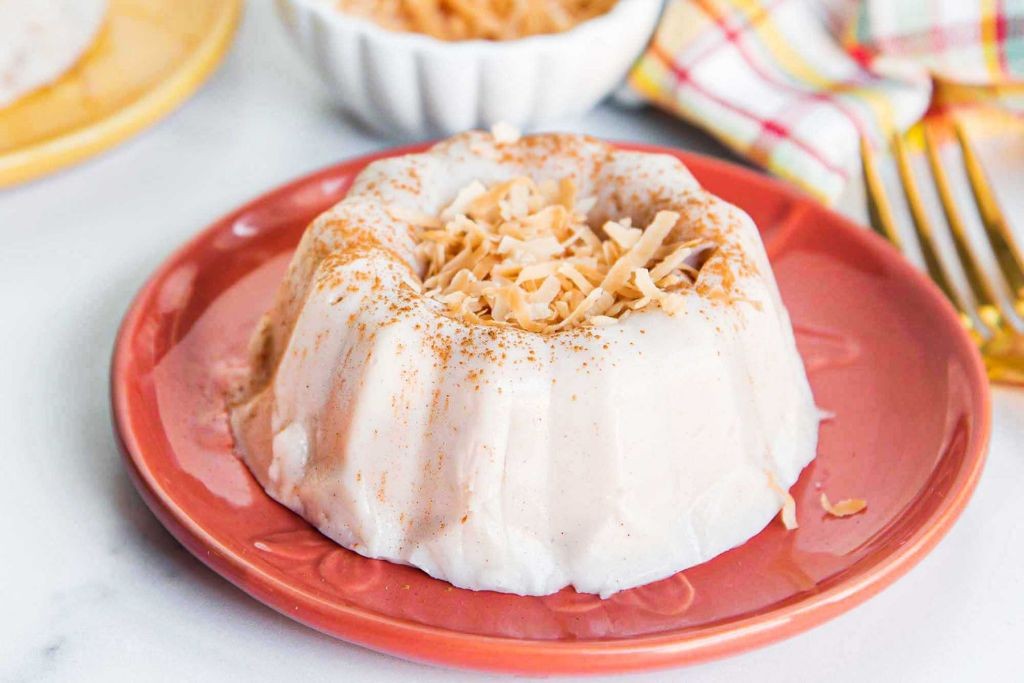
A dessert that’s basically a tropical vacation in pudding form, Tembleque is the coconut custard that wobbles with more confidence than your average Jell-O. This Puerto Rican gem requires zero baking and delivers maximum creamy, coconutty bliss—perfect for when you want to impress without the stress.
Ingredients
– 2 cups canned coconut milk (full-fat for the creamiest texture, or light if you’re feeling virtuous)
– 1/2 cup granulated sugar (adjust to your sweet tooth’s demands)
– 1/4 cup cornstarch (the magic thickener—don’t skip it!)
– 1/4 tsp salt (to balance the sweetness, trust me)
– 1/2 tsp vanilla extract (pure for best flavor, or imitation in a pinch)
– Ground cinnamon for dusting (because pretty food tastes better)
Instructions
1. In a medium saucepan, whisk together the coconut milk, sugar, cornstarch, and salt until no lumps remain—this prevents a grainy texture later.
2. Place the saucepan over medium heat and cook, stirring constantly with a spatula, for 8–10 minutes until the mixture thickens noticeably and coats the back of a spoon.
3. Remove the pan from heat and stir in the vanilla extract thoroughly to distribute the flavor evenly.
4. Immediately pour the mixture into a lightly greased 8-inch round mold or individual ramekins, smoothing the top with your spatula.
5. Let the tembleque cool to room temperature on the counter for about 30 minutes, then cover with plastic wrap and refrigerate for at least 4 hours or until fully set and firm.
6. To unmold, run a thin knife around the edges, place a serving plate on top, and flip it over with a confident shake—if it sticks, dip the mold briefly in warm water.
7. Dust the top generously with ground cinnamon just before serving for that classic finish.
Kick back and admire your masterpiece: this tembleque boasts a silky, jiggly texture that melts on the tongue with pure coconut sweetness. Serve it chilled with a sprinkle of toasted coconut or fresh mango slices for a tropical twist that’ll have everyone asking for seconds.
Coquito

Escape the winter blues with this creamy, coconutty concoction that’ll make you forget there’s snow outside—Coquito is basically a tropical vacation in a glass, minus the sunburn and questionable resort towels. This Puerto Rican holiday staple delivers all the festive cheer of eggnog but with coconut swagger that says ‘I’m on permanent vacation mode.’ Get ready to blend your way to holiday hero status.
Ingredients
– 1 can (13.5 oz) coconut cream
– 1 can (14 oz) sweetened condensed milk
– 1 can (12 oz) evaporated milk
– ½ cup white rum (or adjust for your preferred buzz level)
– 1 teaspoon vanilla extract
– ½ teaspoon ground cinnamon
– ¼ teaspoon ground nutmeg
– Pinch of salt (to balance the sweetness)
Instructions
1. Pour the coconut cream into a blender pitcher.
2. Add the sweetened condensed milk directly from the can.
3. Measure and pour in the evaporated milk.
4. Add the white rum—start with ½ cup and taste before adding more.
5. Measure and add the vanilla extract.
6. Sprinkle in the ground cinnamon evenly.
7. Add the ground nutmeg.
8. Toss in a pinch of salt to enhance all flavors.
9. Secure the blender lid tightly to prevent any tropical explosions.
10. Blend on medium speed for exactly 45 seconds until completely smooth and frothy.
11. Pour the mixture through a fine-mesh strainer into a large pitcher to catch any spice clumps.
12. Transfer the strained Coquito into glass bottles with airtight lids.
13. Refrigerate for at least 4 hours until thoroughly chilled—this allows flavors to meld beautifully.
14. Shake each bottle vigorously before serving to recombine any separation.
15. Pour into small glasses and garnish with an extra sprinkle of cinnamon.
Just imagine the velvety texture that coats your tongue with coconut creaminess, followed by the warm hug of cinnamon and nutmeg. Serve it over ice with a cinnamon stick stirrer, or get fancy by rimming glasses with coconut sugar for that extra tropical flair—either way, you’re basically throwing a beach party in December.
Pastelón de Plátano Maduro
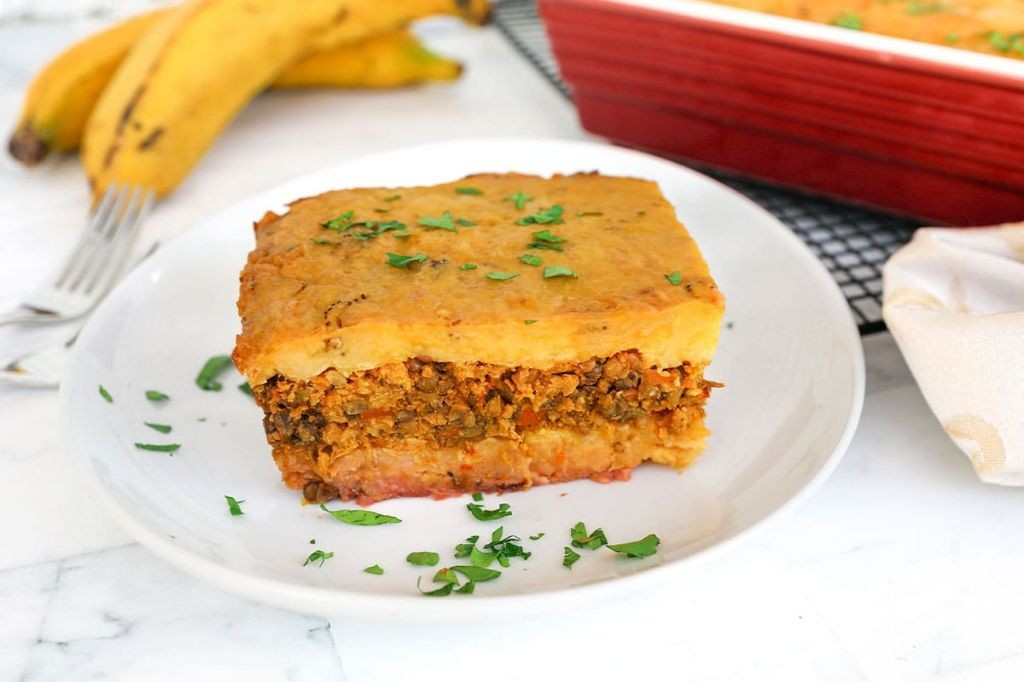
Fabulously bridging the gap between lasagna and dessert, this Puerto Rican masterpiece layers sweet plantains with savory goodness in a way that’ll make your taste buds do the cha-cha. Imagine all the comfort of a casserole meeting the tropical vibes of a beach vacation—your oven is about to become the hottest spot on the block!
Ingredients
- 4 very ripe plantains (yellow with black spots, not green—sweetness is key!)
- 1 lb ground beef (85% lean works great for flavor without too much grease)
- 1 large yellow onion, diced (about 1 cup, or swap for red onion for extra zing)
- 1 green bell pepper, diced (red bell pepper adds color if you’re feeling fancy)
- 3 cloves garlic, minced (fresh is best, but 1 tsp jarred minced garlic in a pinch)
- 8 oz tomato sauce (one small can, or use crushed tomatoes for chunkier texture)
- 1 tsp dried oregano (rub between your palms before adding to wake up the flavor)
- 1/2 cup shredded mozzarella cheese (part-skim melts beautifully, but go full-fat for indulgence)
- 2 tbsp olive oil (or any neutral oil like avocado or vegetable)
- 1/4 cup vegetable oil for frying (enough to coat the pan, not deep-fry)
- 2 large eggs, beaten (room temp blends smoother with plantains)
Instructions
- Peel the plantains by slicing off the ends, scoring the skin lengthwise, and pulling it away in strips.
- Slice the plantains lengthwise into 1/4-inch thick planks—they’ll fry evenly and layer like dreamy sweet noodles.
- Heat 1/4 cup vegetable oil in a large skillet over medium heat until it shimmers (about 350°F if you have a thermometer).
- Fry plantain slices in batches for 2-3 minutes per side until golden brown and slightly caramelized at the edges.
- Transfer fried plantains to a paper towel-lined plate to drain excess oil—this keeps them crisp, not soggy.
- In the same skillet, heat 2 tbsp olive oil over medium-high heat and sauté diced onion and bell pepper for 4-5 minutes until softened.
- Add minced garlic and cook for 1 minute until fragrant—don’t let it brown or it’ll turn bitter.
- Crumble in the ground beef and cook for 6-8 minutes, breaking it up with a spoon until no pink remains.
- Stir in tomato sauce and dried oregano, then simmer for 5 minutes until the mixture thickens slightly.
- Preheat your oven to 375°F and lightly grease an 8×8 inch baking dish with oil or cooking spray.
- Arrange half the fried plantains in a single layer on the bottom of the dish, overlapping slightly like shingles.
- Spread all of the beef mixture evenly over the plantain layer—press it down gently so it nestles into the cracks.
- Top with the remaining plantains in another snug layer, then pour the beaten eggs evenly over everything.
- Sprinkle shredded mozzarella cheese across the top—it’ll form a gorgeous golden crust as it bakes.
- Bake for 20-25 minutes until the cheese is bubbly and the edges are lightly browned.
- Let it rest for 5 minutes before slicing—patience here prevents a lava-hot, sloppy serving situation!
Seriously, the first bite is a wild ride: sticky-sweet plantains hug the spiced beef like long-lost friends, while the egg sets it all into a cohesive slice of heaven. Serve it with a crisp green salad to cut the richness, or go full comfort-mode and pair with avocado slices—either way, expect zero leftovers.
Summary
From savory mofongo to sweet tembleque, these 18 authentic Puerto Rican recipes bring vibrant island flavors right to your kitchen. We hope this collection inspires you to explore the rich culinary traditions of Puerto Rico. Try these dishes, leave a comment sharing your favorites, and don’t forget to pin this article on Pinterest to save these delicious recipes for later!