You’re about to discover the soul-warming comfort of authentic German cuisine! From crispy schnitzel to hearty stews and soft pretzels, these traditional recipes bring the cozy flavors of Germany right to your kitchen. Perfect for family dinners or impressing guests, these dishes are surprisingly approachable for home cooks. Let’s explore these delicious classics that will have everyone asking for seconds!
Sauerbraten with Gingerbread Gravy
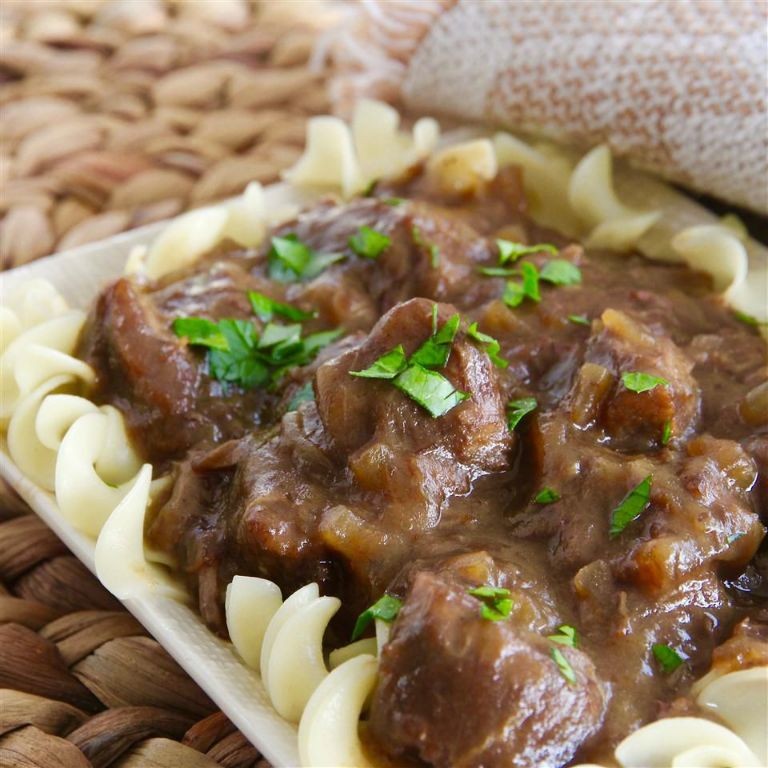
Keeping traditional German cuisine accessible, this sauerbraten transforms a classic pot roast into a tender, tangy masterpiece with an unexpected gingerbread twist that makes it perfect for holiday gatherings or cozy Sunday dinners.
Ingredients
Beef chuck roast – 3 lbs
Red wine vinegar – 1 cup
Water – 1 cup
Brown sugar – ¼ cup
Salt – 1 tbsp
Black peppercorns – 1 tsp
Onion – 1 large, sliced
Gingerbread cookies – 4 crumbled
Flour – 2 tbsp
Butter – 2 tbsp
Instructions
1. Combine red wine vinegar, water, brown sugar, salt, and black peppercorns in a large bowl.
2. Place beef chuck roast in the marinade, ensuring it’s completely submerged.
3. Cover the bowl with plastic wrap and refrigerate for 3 days, turning the roast every 12 hours to ensure even marination.
4. Remove the roast from marinade after 72 hours, reserving 2 cups of the liquid.
5. Pat the roast completely dry with paper towels to ensure proper browning.
6. Heat a Dutch oven over medium-high heat until a drop of water sizzles immediately.
7. Sear the roast on all sides until deeply browned, about 4 minutes per side.
8. Add sliced onion around the roast in the Dutch oven.
9. Pour the reserved 2 cups of marinade over the roast.
10. Bring the liquid to a simmer, then reduce heat to low.
11. Cover the Dutch oven and cook for 3 hours at 275°F until the meat shreds easily with a fork.
12. Remove the cooked roast to a cutting board and let rest for 15 minutes.
13. Strain the cooking liquid through a fine-mesh sieve into a measuring cup.
14. Melt butter in a saucepan over medium heat until foaming subsides.
15. Whisk in flour and cook for 2 minutes until golden brown to create a roux.
16. Gradually whisk in the strained cooking liquid until smooth.
17. Crumble gingerbread cookies directly into the gravy.
18. Simmer the gravy for 10 minutes, stirring frequently, until thickened to coat the back of a spoon.
19. Slice the rested roast against the grain into ½-inch thick pieces.
20. Arrange sliced sauerbraten on a platter and pour gingerbread gravy over the top.
Making this dish yields incredibly tender meat that falls apart at the touch of a fork, with the gingerbread gravy adding warm spice notes that beautifully cut through the tangy marinade. Serve over spaetzle or mashed potatoes to soak up every drop of the rich, complex sauce, and consider garnishing with fresh parsley for a pop of color against the deep brown gravy.
Bratwurst with Sauerkraut and Mustard

Tackling a classic German dish doesn’t have to be intimidating, even for kitchen newcomers. This straightforward recipe for Bratwurst with Sauerkraut and Mustard breaks down the process into simple, manageable steps that build confidence with each completed task.
Ingredients
Bratwurst – 4 links
Sauerkraut – 2 cups
Yellow mustard – 2 tbsp
Vegetable oil – 1 tbsp
Instructions
1. Heat 1 tablespoon of vegetable oil in a large skillet over medium heat for 2 minutes until the oil shimmers.
2. Place 4 bratwurst links in the hot skillet, arranging them in a single layer without crowding.
3. Cook the bratwurst for 5 minutes until the bottom sides develop deep golden-brown sear marks.
4. Flip each bratwurst link using tongs to sear the opposite sides.
5. Continue cooking for another 5 minutes until all sides are evenly browned.
6. Reduce the heat to low and carefully add 2 cups of sauerkraut around the bratwurst, distributing it evenly.
7. Cover the skillet with a tight-fitting lid to trap steam and cook for 12 minutes.
8. Remove the lid and check that the bratwurst internal temperature registers 160°F on an instant-read thermometer.
9. Transfer the cooked bratwurst and sauerkraut to a serving platter using a slotted spoon.
10. Drizzle 2 tablespoons of yellow mustard over the assembled dish before serving.
Each bratwurst bite delivers a satisfying snap from the crispy casing that gives way to juicy, well-seasoned meat. The tangy sauerkraut provides a bright counterpoint to the rich sausage, while the mustard adds a sharp, creamy finish that ties everything together. For a fun twist, serve these in toasted hot dog buns with extra sauerkraut piled high for a handheld meal that’s perfect for game day gatherings.
Pretzel-Crusted Pork Schnitzel
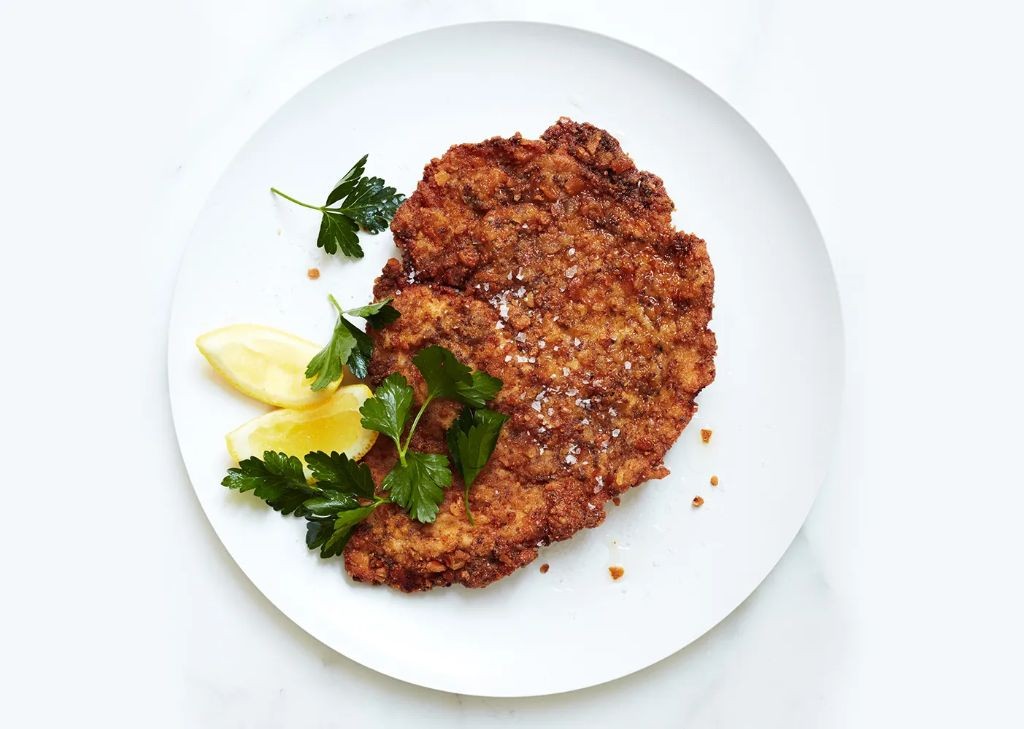
Sometimes the best recipes come from combining unexpected elements, and this pretzel-crusted pork schnitzel proves just that with its perfect balance of textures and flavors. Starting with thin pork cutlets ensures quick, even cooking while the pretzel crust provides that satisfying crunch we all crave. Let’s walk through each step together to create this impressive yet approachable dish.
Ingredients
Pork cutlets – 4
Flour – ½ cup
Eggs – 2
Pretzels – 2 cups crushed
Salt – 1 tsp
Vegetable oil – ½ cup
Instructions
1. Place pork cutlets between two sheets of plastic wrap and pound to ¼-inch thickness using a meat mallet or heavy pan.
2. Set up three shallow dishes: place flour in the first, beaten eggs in the second, and crushed pretzels mixed with salt in the third.
3. Dredge one pork cutlet in flour, shaking off excess completely to ensure even coating.
4. Dip the floured cutlet into beaten eggs, letting excess drip back into the bowl.
5. Press the cutlet firmly into pretzel mixture, coating both sides thoroughly.
6. Repeat steps 3-5 with remaining cutlets, arranging them in a single layer on a baking sheet.
7. Heat vegetable oil in a large skillet over medium-high heat until it reaches 350°F, testing with a thermometer or when a breadcrumb sizzles immediately.
8. Carefully place two coated cutlets in the hot oil, cooking for 2-3 minutes until golden brown.
9. Flip cutlets using tongs and cook another 2-3 minutes until both sides are evenly browned.
10. Transfer cooked schnitzel to a wire rack set over a baking sheet to maintain crispness.
11. Repeat frying process with remaining two cutlets, adding more oil if needed.
12. Let schnitzel rest for 3 minutes before serving to allow juices to redistribute.Keep in mind that the crispy pretzel crust gives way to tender pork with each bite, creating a delightful contrast that pairs wonderfully with tangy mustard or apple sauce. For a complete meal, serve alongside a simple cabbage slaw or roasted potatoes to soak up any remaining flavors, making this dish both comforting and unexpectedly elegant.
Kartoffelsalat (German Potato Salad)

Zesty and satisfying, German potato salad offers a warm, tangy alternative to traditional mayonnaise-based versions. This recipe guides you through creating an authentic Kartoffelsalat with a perfectly balanced sweet-sour dressing that clings beautifully to each potato slice. Let’s begin with gathering our minimal ingredients and preparing this comforting side dish.
Ingredients
Yukon Gold potatoes – 2 lbs
Bacon – 6 slices
Yellow onion – 1 medium
Apple cider vinegar – ⅓ cup
Chicken broth – ¼ cup
Granulated sugar – 1 tbsp
Dijon mustard – 1 tsp
Fresh parsley – 2 tbsp chopped
Instructions
1. Place potatoes in a large pot and cover with cold water by 1 inch.
2. Bring water to a boil over high heat, then reduce to a gentle simmer.
3. Cook potatoes for 20-25 minutes until easily pierced with a fork but still firm.
4. Drain potatoes immediately and let them cool until handleable, about 10 minutes.
5. Peel potatoes while still warm using a paring knife or your fingers.
6. Slice potatoes into ¼-inch thick rounds and transfer to a large bowl.
7. Cook bacon in a skillet over medium heat for 8-10 minutes until crisp.
8. Remove bacon with tongs and drain on paper towels, reserving 3 tablespoons of bacon fat in the skillet.
9. Chop bacon into small pieces and set aside.
10. Dice onion and add to the skillet with reserved bacon fat.
11. Sauté onion over medium heat for 5-7 minutes until translucent and softened.
12. Whisk vinegar, broth, sugar, and mustard directly in the skillet.
13. Bring dressing to a simmer and cook for 2 minutes until slightly thickened.
14. Pour hot dressing over sliced potatoes in the bowl.
15. Gently fold potatoes with dressing using a rubber spatula until evenly coated.
16. Stir in chopped bacon and parsley.
17. Let salad rest for 15 minutes to absorb flavors before serving.
Lasting warmth makes this potato salad ideal for potlucks and holiday gatherings. The waxy Yukon Gold potatoes hold their shape beautifully while soaking up the tangy bacon-infused dressing. Serve it alongside grilled bratwurst or as the star of your next picnic spread—it’s equally delicious warm or at room temperature.
Rouladen with Red Cabbage
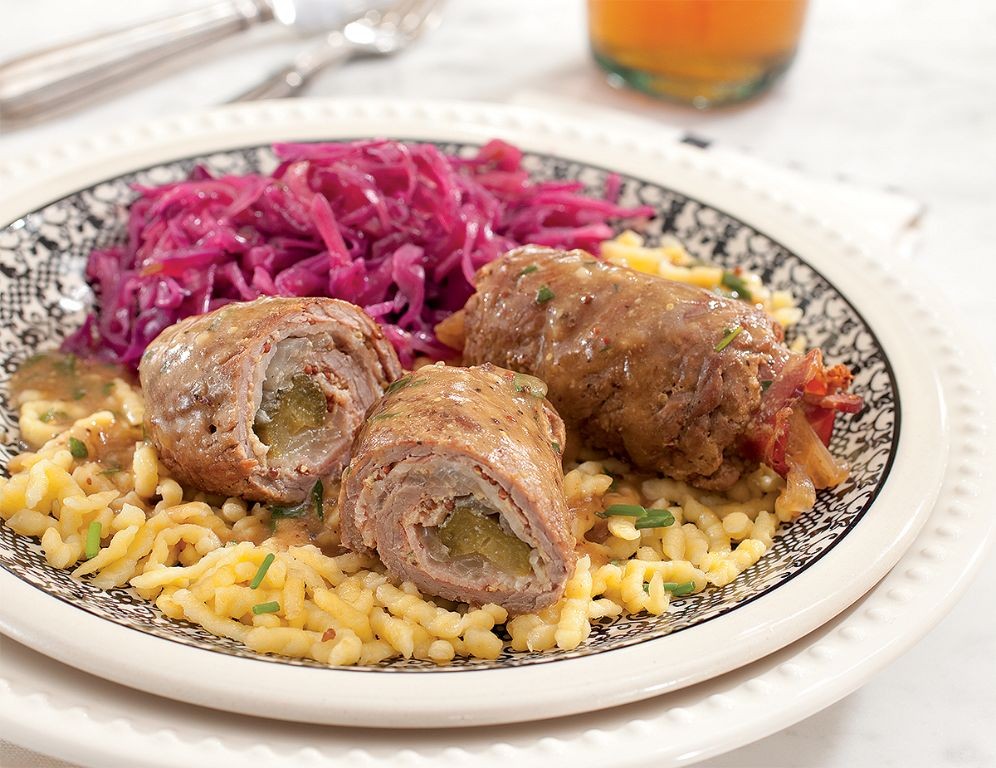
Every home cook needs a comforting German classic in their repertoire, and Rouladen with Red Cabbage delivers that perfect balance of savory meat and tangy vegetables. Essentially thin beef rolls stuffed with bacon and pickles, then braised to tenderness alongside sweet-sour cabbage, this dish transforms simple ingredients into something truly special. Let’s walk through each step methodically to ensure your Rouladen turns out perfectly tender and flavorful.
Ingredients
Beef top round slices – 4 (¼ inch thick)
Bacon – 4 slices
Dill pickles – 4
Yellow onion – 1 medium
Red cabbage – 1 small head
Apple – 1
Red wine vinegar – ¼ cup
Brown sugar – 2 tbsp
Beef broth – 2 cups
Flour – 2 tbsp
Butter – 2 tbsp
Salt – 1 tsp
Black pepper – ½ tsp
Instructions
1. Lay beef slices flat and season both sides with ½ teaspoon salt and ¼ teaspoon black pepper.
2. Place one bacon slice and one whole dill pickle on each beef slice near one edge.
3. Roll beef tightly around filling, securing ends with toothpicks to prevent unrolling during cooking.
4. Heat a large Dutch oven over medium-high heat and add 1 tablespoon butter until sizzling.
5. Brown Rouladen on all sides for 2-3 minutes per side until deep golden brown, working in batches if needed.
6. Remove Rouladen from pot and set aside on a plate.
7. Add chopped onion to the same pot and cook for 4 minutes until translucent, scraping up browned bits from bottom.
8. Sprinkle 2 tablespoons flour over onions and cook for 1 minute while stirring constantly to form a roux.
9. Gradually pour in 2 cups beef broth while whisking continuously to prevent lumps.
10. Return Rouladen to pot, arranging them in a single layer, and bring liquid to a simmer.
11. Reduce heat to low, cover pot, and simmer Rouladen for 90 minutes until beef is fork-tender.
12. While Rouladen simmers, thinly slice red cabbage and apple using a mandoline or sharp knife for even cooking.
13. Melt remaining 1 tablespoon butter in a separate large skillet over medium heat.
14. Add sliced cabbage and apple to skillet and cook for 5 minutes, stirring occasionally until slightly wilted.
15. Stir in ¼ cup red wine vinegar, 2 tablespoons brown sugar, remaining ½ teaspoon salt, and ¼ teaspoon black pepper.
16. Reduce heat to low, cover skillet, and simmer cabbage for 45 minutes until tender but still slightly crisp.
17. Remove toothpicks from Rouladen and arrange on serving plates alongside red cabbage.
18. Spoon cooking liquid from Dutch oven over Rouladen as a simple gravy. Ultimately, you’ll be rewarded with beef that practically melts at the touch of a fork, contrasting beautifully with the cabbage’s vibrant tanginess. The pickles inside transform into tender, briny pockets that cut through the richness, making this perfect served over buttery spaetzle or creamy mashed potatoes for a complete comfort meal.
Spaetzle with Brown Butter and Herbs
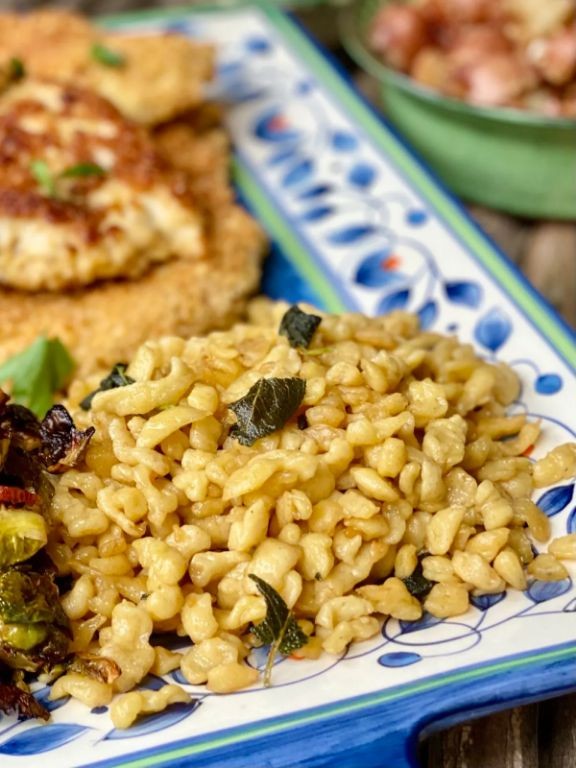
A simple yet satisfying homemade pasta, spaetzle comes together quickly with just a few pantry staples and delivers a wonderfully tender, chewy texture. All you need is flour, eggs, and a bit of water to create these delightful little dumplings that pair beautifully with nutty brown butter and fresh herbs. This method walks you through each stage from mixing the batter to finishing the dish with aromatic herbs.
Ingredients
Flour – 2 cups
Eggs – 2 large
Water – ½ cup
Salt – 1 tsp
Butter – 4 tbsp
Parsley – 2 tbsp chopped
Chives – 1 tbsp chopped
Instructions
1. Combine 2 cups flour and 1 tsp salt in a large mixing bowl.
2. Create a well in the center of the flour mixture and crack 2 large eggs into it.
3. Pour ½ cup water into the well with the eggs.
4. Whisk the eggs and water together with a fork, gradually incorporating the flour from the sides of the well until a thick, sticky batter forms. Tip: The batter should be thick enough to slowly drip off a spoon—if it’s too thin, add 1 tbsp more flour.
5. Bring a large pot of salted water to a rolling boil over high heat.
6. Hold a spaetzle maker or colander with large holes over the boiling water and press the batter through with a spatula, creating small dumplings that drop directly into the water.
7. Cook the spaetzle for 2-3 minutes until they float to the surface.
8. Use a slotted spoon to transfer the cooked spaetzle to a colander to drain. Tip: Rinse briefly with cool water to prevent sticking if not using immediately.
9. Melt 4 tbsp butter in a large skillet over medium heat.
10. Continue cooking the butter, swirling the pan occasionally, for 3-4 minutes until it turns golden brown and develops a nutty aroma. Tip: Watch carefully as butter can burn quickly once it starts browning.
11. Add the drained spaetzle to the skillet with the brown butter.
12. Toss the spaetzle in the brown butter for 1-2 minutes until heated through and lightly coated.
13. Remove the skillet from heat and stir in 2 tbsp chopped parsley and 1 tbsp chopped chives.
14. Serve immediately while hot. Just cooked spaetzle have a uniquely tender, slightly chewy texture that contrasts beautifully with the crisp-edged bits from pan-frying. The brown butter adds a deep, nutty richness that complements the fresh herbal notes, making this simple dish feel truly special. For a heartier meal, top with sautéed mushrooms or serve alongside roasted chicken.
Black Forest Cake
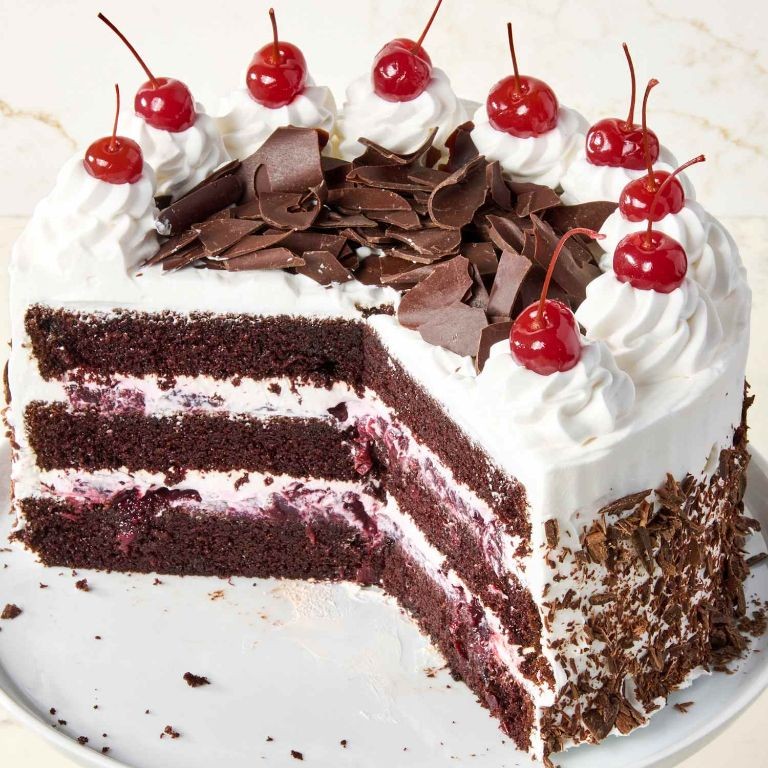
Remember that classic German dessert that combines rich chocolate, cherries, and whipped cream? Recreating this Black Forest cake at home is simpler than you might think, especially when you follow these methodical steps. Ready your ingredients and let’s begin this delicious baking project together.
Ingredients
Chocolate cake mix – 1 box
Cherry pie filling – 21 oz can
Whipped topping – 8 oz container
Chocolate syrup – ¼ cup
Maraschino cherries – ½ cup
Instructions
1. Preheat your oven to 350°F and grease two 9-inch round cake pans.
2. Prepare the chocolate cake mix according to package directions, being careful not to overmix the batter.
3. Divide the batter evenly between the prepared pans and bake for 25-30 minutes until a toothpick inserted in the center comes out clean.
4. Cool the cakes in their pans for 15 minutes before transferring to wire racks to cool completely.
5. Place one cake layer on your serving plate and spread half of the whipped topping evenly across the top.
6. Spoon half of the cherry pie filling over the whipped topping layer, leaving a 1-inch border around the edge.
7. Drizzle 2 tablespoons of chocolate syrup in a spiral pattern over the cherry layer.
8. Carefully place the second cake layer on top, pressing down gently to secure the layers.
9. Frost the top and sides of the cake with the remaining whipped topping using an offset spatula for smooth coverage.
10. Create a decorative border around the top edge with the remaining cherry pie filling.
11. Arrange maraschino cherries evenly spaced around the border of cherry filling.
12. Drizzle the remaining chocolate syrup in zigzag patterns across the top of the cake.
13. Refrigerate the completed cake for at least 2 hours before serving to allow the flavors to meld. Ultimately, you’ll be rewarded with layers of moist chocolate cake that contrast beautifully with the tart cherry filling and light whipped cream. Using chilled bowls when working with whipped topping helps maintain its structure, while thoroughly cooling the cake layers prevents the whipped cream from melting. Unexpectedly, this cake actually improves in flavor when made a day ahead, making it perfect for entertaining or special occasions.
Beef Goulash with Dumplings
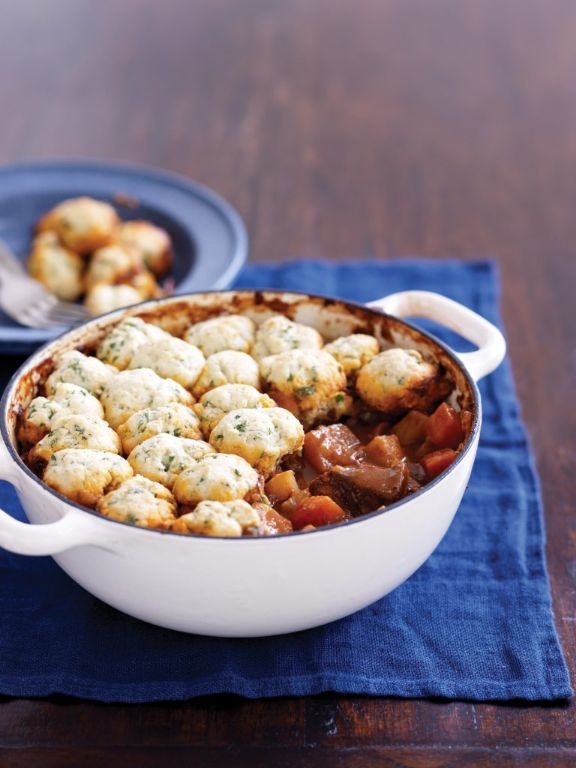
Diving into comfort food season calls for hearty, one-pot meals that warm both kitchen and soul. Beef Goulash with Dumplings fits the bill perfectly—a rich, savory stew topped with fluffy dumplings that cook right in the same pot. Follow these methodical steps for a foolproof dinner that feels like a hug in a bowl.
Ingredients
Beef chuck – 1.5 lbs
Vegetable oil – 2 tbsp
Onion – 1 large
Paprika – 2 tbsp
Beef broth – 4 cups
Flour – 1 cup
Baking powder – 2 tsp
Salt – 1 tsp
Milk – ½ cup
Instructions
1. Cut the beef chuck into 1-inch cubes, trimming away any large pieces of fat.
2. Heat vegetable oil in a large Dutch oven over medium-high heat until it shimmers.
3. Brown the beef cubes in a single layer for 3 minutes per side, working in batches to avoid crowding.
4. Transfer the browned beef to a clean plate, leaving the drippings in the pot.
5. Dice the onion into ¼-inch pieces.
6. Cook the diced onion in the beef drippings for 5 minutes until translucent.
7. Stir in paprika and cook for 30 seconds until fragrant.
8. Return the browned beef to the pot along with any accumulated juices.
9. Pour in beef broth, scraping the bottom of the pot to release any browned bits.
10. Bring the mixture to a boil, then reduce heat to low, cover, and simmer for 1 hour and 30 minutes.
11. While the goulash simmers, whisk together flour, baking powder, and salt in a medium bowl.
12. Stir in milk until just combined to form a sticky dumpling dough.
13. After the goulash has simmered for 1 hour and 30 minutes, drop tablespoon-sized portions of dumpling dough directly onto the simmering stew.
14. Cover the pot and simmer for 15 minutes without lifting the lid—this creates steam that cooks the dumplings through.
15. Test a dumpling by inserting a toothpick—it should come out clean when fully cooked.
16. Remove from heat and let rest for 5 minutes before serving.
Keep in mind that the dumplings will absorb some of the rich paprika-infused broth as they steam, creating a wonderful contrast between the tender beef and fluffy topping. The stew thickens naturally as it rests, developing deeper flavors that meld together beautifully. For a creative twist, serve individual portions in shallow bowls with a sprinkle of fresh parsley or alongside a crisp green salad to cut through the richness.
Wiener Schnitzel with Lemon Wedges

Every home cook deserves to master this classic Austrian dish that transforms simple ingredients into a crispy, golden delight. Essentially, we’ll be preparing tender veal cutlets with a perfect breadcrumb coating, served with fresh lemon wedges to brighten each bite. Let me walk you through each step methodically so you can achieve restaurant-quality results right in your own kitchen.
Ingredients
Veal cutlets – 4 pieces
Flour – ½ cup
Eggs – 2 large
Breadcrumbs – 1 cup
Vegetable oil – 2 cups
Salt – 1 tsp
Lemon – 1
Instructions
1. Place veal cutlets between two sheets of plastic wrap and pound them to ¼-inch thickness using a meat mallet. 2. Season both sides of each cutlet evenly with 1 teaspoon of salt. 3. Spread ½ cup of flour on a large plate. 4. Beat 2 large eggs in a shallow bowl until fully combined. 5. Spread 1 cup of breadcrumbs on a separate plate. 6. Dredge one cutlet in flour, shaking off any excess. 7. Dip the floured cutlet into the beaten eggs, coating completely. 8. Press the cutlet into breadcrumbs, ensuring an even coating on both sides. 9. Repeat steps 6-8 with remaining cutlets. 10. Heat 2 cups of vegetable oil in a large skillet to 350°F, using a deep-fry thermometer to monitor temperature. 11. Carefully place one breaded cutlet into the hot oil and fry for 3 minutes. 12. Flip the cutlet using tongs and fry for another 3 minutes until golden brown. 13. Remove the cooked cutlet and drain on a wire rack set over a baking sheet. 14. Repeat steps 11-13 with remaining cutlets, maintaining oil temperature at 350°F. 15. Cut 1 lemon into 8 equal wedges. Crispy, golden Wiener Schnitzel offers a satisfying crunch that gives way to tender veal, while the fresh lemon wedges provide a bright, acidic contrast that cuts through the richness. Consider serving it with a simple potato salad or buttered spaetzle for a complete Austrian meal experience, or enjoy it as the star of your next dinner party where it’s sure to impress.
Apple Strudel with Vanilla Sauce
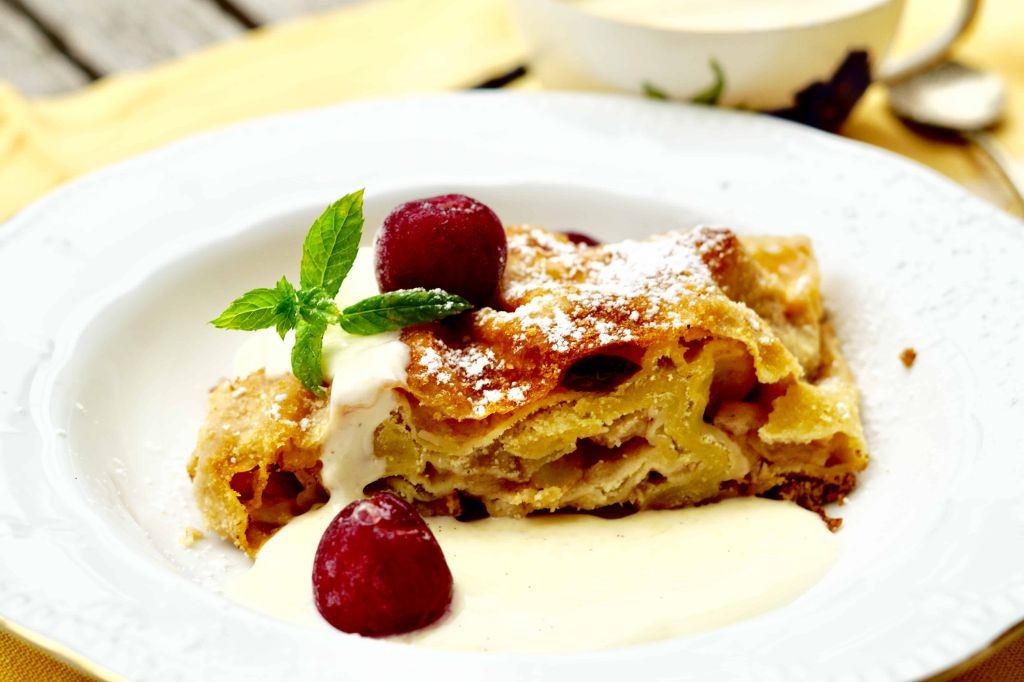
Perfect for autumn gatherings, this classic apple strudel combines warm spices with flaky pastry, while the vanilla sauce adds a creamy finish that elevates the entire dessert. Preparing it step-by-step ensures even beginners can achieve bakery-quality results right at home.
Ingredients
- Frozen puff pastry – 1 sheet
- Apples – 2 cups, peeled and sliced
- Sugar – ¼ cup
- Cinnamon – 1 tsp
- Butter – 2 tbsp, melted
- Flour – 1 tbsp
- Milk – 1 cup
- Vanilla extract – 1 tsp
- Egg – 1, beaten
Instructions
- Thaw the frozen puff pastry at room temperature for 40 minutes until pliable.
- Preheat the oven to 375°F and line a baking sheet with parchment paper.
- Peel and thinly slice the apples into uniform ¼-inch pieces for even cooking.
- In a bowl, toss the sliced apples with sugar, cinnamon, and flour until coated.
- Unfold the thawed pastry sheet on a lightly floured surface to prevent sticking.
- Arrange the apple mixture in a line down the center of the pastry, leaving 2-inch borders on the sides.
- Fold the long sides of the pastry over the filling, then brush the edges with beaten egg to seal.
- Carefully transfer the strudel to the prepared baking sheet, seam-side down.
- Brush the top of the strudel with melted butter for a golden, flaky crust.
- Bake for 25–30 minutes until the pastry is puffed and deep golden brown.
- While baking, heat milk in a saucepan over medium heat until steaming but not boiling.
- Whisk in sugar and vanilla extract until the sauce thickens slightly, about 5 minutes.
- Remove the strudel from the oven and let it cool for 10 minutes before slicing.
- Drizzle the warm vanilla sauce over individual servings.
Just baked, the strudel’s crisp layers shatter to reveal tender, cinnamon-spiced apples, while the vanilla sauce adds a silky contrast. For a festive twist, serve it with a scoop of caramel ice cream or a sprinkle of toasted pecans.
Königsberger Klopse (Meatballs in Caper Sauce)
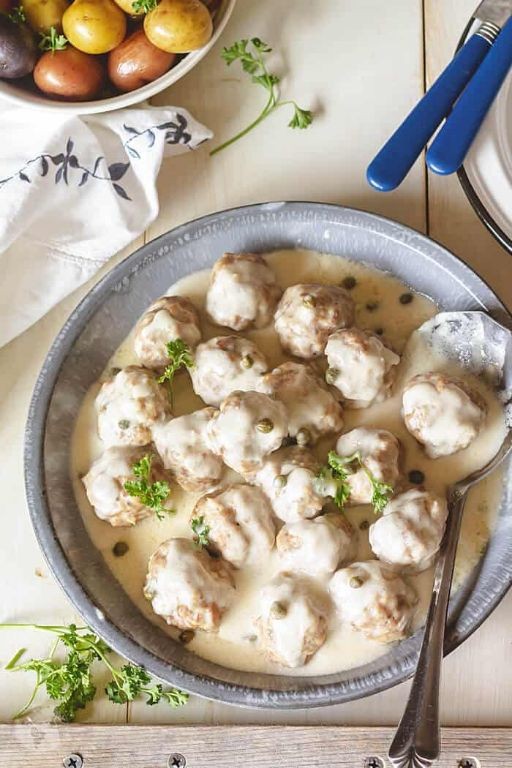
Often overlooked in American kitchens, these German meatballs in creamy caper sauce offer a comforting twist on traditional comfort food. Our simplified version maintains the authentic flavor while keeping the process approachable for weeknight cooking.
Ingredients
- Ground beef – 1 lb
- Breadcrumbs – ½ cup
- Egg – 1
- Onion – 1 medium
- Butter – 2 tbsp
- Flour – 2 tbsp
- Beef broth – 2 cups
- Heavy cream – ½ cup
- Capers – 3 tbsp
- Lemon juice – 1 tbsp
- Salt – 1 tsp
- Black pepper – ½ tsp
Instructions
- Finely chop the onion into ¼-inch pieces.
- Combine ground beef, breadcrumbs, egg, half the chopped onion, ½ teaspoon salt, and ¼ teaspoon black pepper in a large bowl.
- Mix the ingredients with your hands until just combined, being careful not to overwork the meat.
- Form the mixture into 12 equal-sized meatballs, about 1½ inches in diameter each.
- Bring a large pot of salted water to a rolling boil at 212°F.
- Gently drop the meatballs into the boiling water and reduce heat to maintain a gentle simmer.
- Cook the meatballs for 15 minutes until firm to the touch, then remove with a slotted spoon and set aside.
- Melt butter in a large skillet over medium heat until it stops foaming.
- Sauté the remaining chopped onion in the butter for 5 minutes until translucent but not browned.
- Sprinkle flour over the onions and cook for 1 minute while stirring constantly to create a roux.
- Slowly whisk in beef broth until the sauce is smooth and free of lumps.
- Bring the sauce to a simmer and cook for 3 minutes until slightly thickened.
- Stir in heavy cream, capers, lemon juice, remaining salt, and remaining black pepper.
- Add the cooked meatballs to the sauce and simmer for 5 minutes to heat through.
Melt-in-your-mouth tender meatballs swim in a creamy, tangy sauce that perfectly balances the briny capers with rich cream. The subtle lemon brightness cuts through the richness, making this dish excellent served over buttered egg noodles or with boiled potatoes to soak up every drop of the delicious sauce.
Currywurst with Homemade Curry Ketchup

Now, let’s dive into making this iconic German street food that’s surprisingly simple to recreate at home. Nothing beats the combination of juicy sausage with that signature curry-spiced ketchup, and today I’ll walk you through each step methodically. We’ll start by preparing our homemade curry ketchup, then move on to cooking the sausages to perfection.
Ingredients
Ketchup – 1 cup
Curry powder – 2 tbsp
Paprika – 1 tsp
Brown sugar – 1 tbsp
Apple cider vinegar – 1 tsp
Bratwurst sausages – 4
Vegetable oil – 1 tbsp
Instructions
1. Combine ketchup, curry powder, paprika, brown sugar, and apple cider vinegar in a small saucepan.
2. Heat the sauce mixture over medium-low heat for 8 minutes, stirring constantly with a whisk until fully combined.
3. Remove the curry ketchup from heat and let it cool completely to room temperature.
4. Prick each bratwurst sausage 4-5 times with a fork to prevent splitting during cooking.
5. Heat vegetable oil in a large skillet over medium heat until it shimmers, about 2 minutes.
6. Place sausages in the hot skillet and cook for 6 minutes without moving them to develop a golden-brown crust.
7. Flip sausages using tongs and cook for another 6 minutes until browned on all sides.
8. Check internal temperature of sausages with an instant-read thermometer; they’re done at 160°F.
9. Transfer cooked sausages to a cutting board and let them rest for 3 minutes.
10. Slice each sausage diagonally into 1-inch pieces using a sharp knife.
11. Arrange sliced sausages on a serving plate and drizzle generously with the cooled curry ketchup.
What makes this dish truly special is the contrast between the snappy, juicy sausage and the sweet-spicy ketchup that clings to every piece. The homemade curry ketchup develops deeper flavors as it sits, making it even better if prepared ahead. For an authentic street food experience, serve your currywurst with crispy french fries and use toothpicks for easy eating while standing around the kitchen counter.
Leberkäse with Fried Eggs
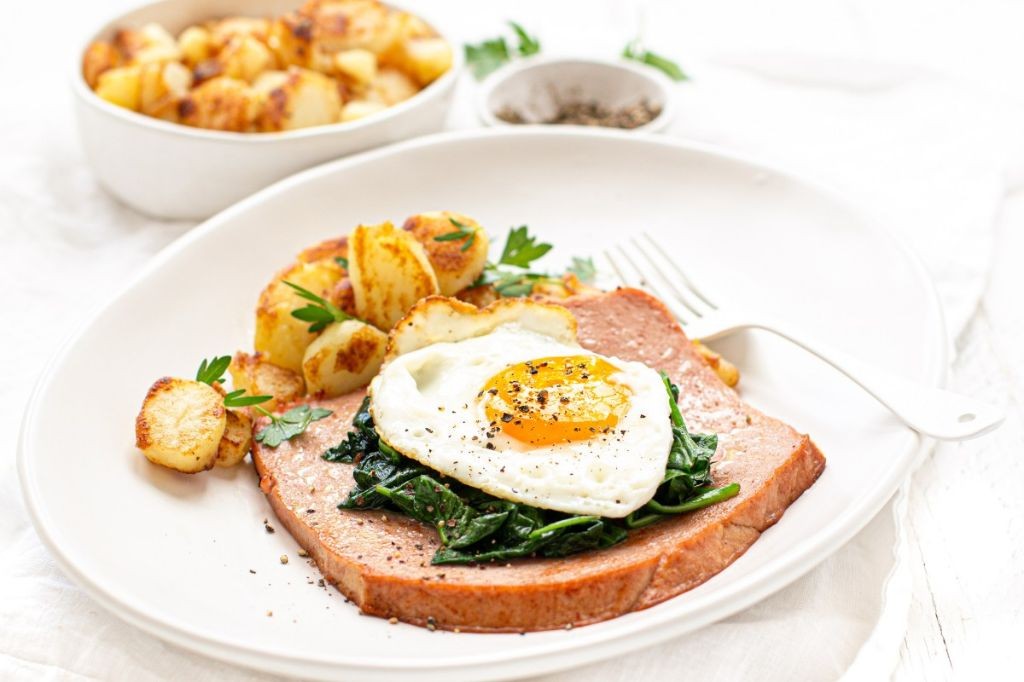
Gather around, home cooks, because today we’re tackling a German classic that’s surprisingly simple to recreate in your American kitchen. Leberkäse with fried eggs combines savory meatloaf with perfectly cooked eggs for a comforting meal that feels both familiar and exciting. Let’s walk through each step methodically to ensure your first attempt is a success.
Ingredients
Leberkäse – 4 slices
Eggs – 4
Butter – 2 tbsp
Salt – ½ tsp
Black pepper – ¼ tsp
Instructions
1. Preheat your oven to 350°F.
2. Arrange the Leberkäse slices in a single layer on a baking sheet.
3. Bake the Leberkäse for 15 minutes, or until the edges are lightly browned and the internal temperature reaches 160°F. (Tip: Use a meat thermometer to ensure food safety without overcooking.)
4. Remove the Leberkäse from the oven and let it rest on the baking sheet for 3 minutes.
5. Melt 1 tablespoon of butter in a large nonstick skillet over medium heat.
6. Crack 2 eggs directly into the melted butter, spacing them evenly in the skillet.
7. Sprinkle ¼ teaspoon of salt and ⅛ teaspoon of black pepper evenly over the eggs.
8. Cook the eggs for 3 minutes, or until the whites are fully set and the yolks are still runny. (Tip: For over-easy eggs, gently flip them after 2 minutes and cook for 30 seconds more.)
9. Transfer the cooked eggs to a plate and repeat steps 5–8 with the remaining butter, eggs, salt, and pepper.
10. Place 2 slices of baked Leberkäse on each plate and top each portion with 2 fried eggs. (Tip: Serve immediately while the Leberkäse is warm and the egg yolks are liquid for the best texture.)
Achieving the perfect Leberkäse with fried eggs gives you crispy-edged meatloaf that contrasts beautifully with the rich, runny egg yolks. The savory, slightly smoky flavor of the Leberkäse pairs wonderfully with the creamy eggs, creating a balanced bite. For a creative twist, serve it open-faced on toasted rye bread or with a side of tangy sauerkraut to cut through the richness.
Potato Pancakes with Applesauce
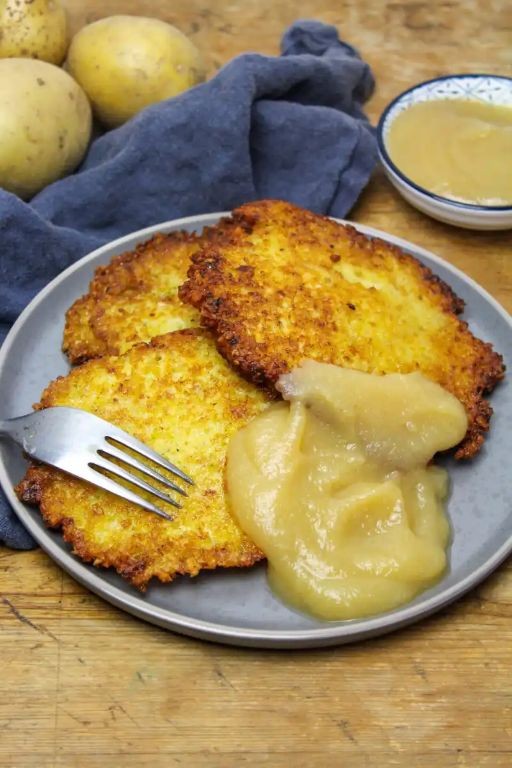
Using leftover mashed potatoes transforms into crispy golden pancakes that pair perfectly with sweet homemade applesauce. Understanding the simple technique ensures you achieve that ideal contrast between the crunchy exterior and fluffy interior every single time. Upgrading this comfort food classic requires just a few basic ingredients and straightforward steps anyone can master.
Ingredients
Potatoes – 2 large
Egg – 1
Flour – ¼ cup
Salt – 1 tsp
Vegetable oil – 3 tbsp
Apples – 2 medium
Sugar – 2 tbsp
Instructions
1. Peel and grate 2 large potatoes using the large holes of a box grater.
2. Squeeze the grated potatoes firmly in a clean kitchen towel to remove all excess moisture.
3. Beat 1 egg in a medium bowl until uniform in color.
4. Add the dried grated potatoes, ¼ cup flour, and 1 tsp salt to the beaten egg.
5. Mix the ingredients thoroughly until a cohesive batter forms.
6. Heat 3 tbsp vegetable oil in a large skillet over medium heat until it shimmers, about 350°F.
7. Drop ¼-cup portions of batter into the hot oil, flattening each to ½-inch thickness.
8. Fry the pancakes for 4-5 minutes until the edges appear golden brown.
9. Flip each pancake carefully using a spatula.
10. Cook the second side for another 4-5 minutes until deeply golden and crispy.
11. Transfer the cooked pancakes to a paper towel-lined plate to drain excess oil.
12. Peel, core, and chop 2 medium apples into ½-inch pieces.
13. Combine the chopped apples and 2 tbsp sugar in a small saucepan.
14. Cook the apple mixture over medium-low heat for 15 minutes, stirring occasionally until the apples break down completely.
15. Mash the cooked apples with a fork until you achieve a chunky sauce consistency.
Once cooked, these potato pancakes deliver a satisfying crunch that gives way to tender potato shreds inside. Offering both savory and sweet elements in one bite makes them perfect for breakfast or a light dinner, especially when topped with a dollop of the warm, cinnamon-kissed applesauce.
Red Cabbage Braised with Apples
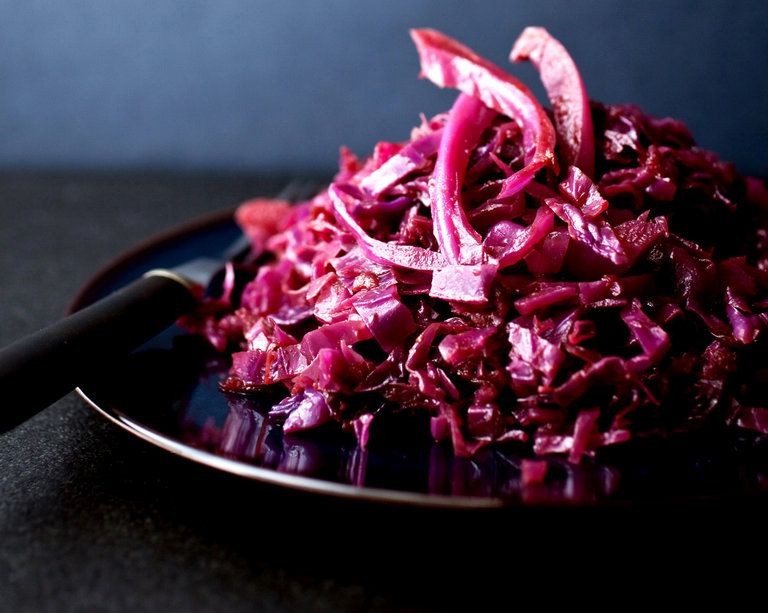
Unlock the sweet and savory magic of autumn with this simple braised red cabbage recipe. Using just a few basic ingredients, you’ll transform humble cabbage into a vibrant side dish that pairs beautifully with roasted meats or holiday meals. This methodical approach ensures perfect results every time, even for kitchen beginners.
Ingredients
Red cabbage – 1 medium head
Apple – 1 large
Butter – 2 tbsp
Apple cider vinegar – 2 tbsp
Brown sugar – 2 tbsp
Salt – 1 tsp
Instructions
1. Remove the outer leaves from the red cabbage and cut it into quarters.
2. Use a sharp knife to cut out the tough core from each cabbage quarter.
3. Slice the cabbage quarters into thin, even strips approximately ¼-inch wide.
4. Peel the apple and cut it into quarters, removing the core and seeds.
5. Slice the apple quarters into thin pieces similar in size to the cabbage strips.
6. Melt the butter in a large, heavy-bottomed pot over medium heat.
7. Add the sliced cabbage to the pot and stir to coat evenly with butter.
8. Cook the cabbage for 5 minutes, stirring occasionally, until it begins to soften and wilt.
9. Add the sliced apples to the pot and stir to combine with the cabbage.
10. Pour in the apple cider vinegar and stir thoroughly to distribute throughout the mixture.
11. Sprinkle the brown sugar and salt evenly over the cabbage and apple mixture.
12. Reduce the heat to low and cover the pot with a tight-fitting lid.
13. Braise the mixture for 45 minutes, stirring every 15 minutes to prevent sticking.
14. Check the cabbage for tenderness by tasting a piece – it should be soft but still have some texture.
15. Remove from heat and serve immediately. The finished dish offers a beautiful balance of sweet apples against the earthy cabbage, with a tender-crisp texture that holds up well. Try serving it alongside pork chops or as a colorful addition to your Thanksgiving table – the vibrant purple hue makes it as visually appealing as it is delicious.
Beer-Braised Sausages and Onions

There’s something deeply satisfying about transforming simple ingredients into a hearty, flavorful meal with minimal effort. This beer-braised sausages and onions recipe delivers maximum comfort with just a handful of ingredients and straightforward steps that even novice cooks can master perfectly every time.
Ingredients
- Pork sausages – 1 lb
- Yellow onions – 2 large
- Vegetable oil – 2 tbsp
- Beer – 12 oz
- Salt – ½ tsp
- Black pepper – ¼ tsp
Instructions
- Heat vegetable oil in a large skillet over medium-high heat until it shimmers, about 2 minutes.
- Place pork sausages in the hot oil and cook until browned on all sides, approximately 8-10 minutes total, turning every 2 minutes with tongs.
- Transfer sausages to a clean plate using tongs, leaving the rendered fat in the skillet.
- Slice yellow onions into ¼-inch thick half-moons while the sausages rest.
- Add sliced onions to the hot skillet and cook over medium heat until translucent and slightly golden, about 6-8 minutes, stirring every minute.
- Sprinkle salt and black pepper over the onions and stir to distribute evenly.
- Pour beer into the skillet, scraping the bottom with a wooden spoon to release any browned bits for extra flavor.
- Return sausages to the skillet, nestling them into the onions and beer mixture.
- Reduce heat to low, cover the skillet with a tight-fitting lid, and simmer for 25 minutes to allow the sausages to become tender and absorb the beer flavor.
- Remove the lid and increase heat to medium to reduce the liquid by half, about 5-7 minutes, until the sauce thickens slightly.
Hearty and deeply savory, the sausages emerge incredibly tender while the onions melt into a sweet, beer-infused jam. Serve this over creamy mashed potatoes to soak up every drop of the rich sauce, or pile it into crusty rolls for the ultimate comfort food sandwich that will have everyone asking for seconds.
German Lentil Soup with Sausage

This comforting German lentil soup comes together with simple ingredients and delivers rich, satisfying flavor perfect for chilly evenings. Through careful layering of ingredients and patient simmering, you’ll create a hearty meal that tastes like it simmered all day.
Ingredients
– Olive oil – 2 tbsp
– Onion – 1 medium, chopped
– Carrots – 2 medium, chopped
– Brown lentils – 1 cup
– Chicken broth – 6 cups
– Smoked sausage – 12 oz, sliced
– Salt – 1 tsp
– Black pepper – ½ tsp
Instructions
1. Heat olive oil in a large pot over medium heat until it shimmers.
2. Add chopped onion and cook for 5 minutes, stirring occasionally, until translucent.
3. Add chopped carrots and cook for 3 more minutes until slightly softened.
4. Stir in brown lentils until well coated with oil.
5. Pour in chicken broth and bring to a boil over high heat.
6. Reduce heat to low, cover the pot, and simmer for 30 minutes until lentils are tender.
7. Add sliced smoked sausage to the pot.
8. Season with salt and black pepper.
9. Continue simmering uncovered for 15 minutes to allow flavors to meld.
10. Taste and adjust seasoning if needed before serving.
Done right, this soup develops a wonderfully thick, stew-like consistency from the broken-down lentils, with the smoked sausage infusing every spoonful with savory depth. For a creative twist, serve it over crusty bread or with a dollop of German mustard stirred in at the table.
Stollen (German Christmas Bread)
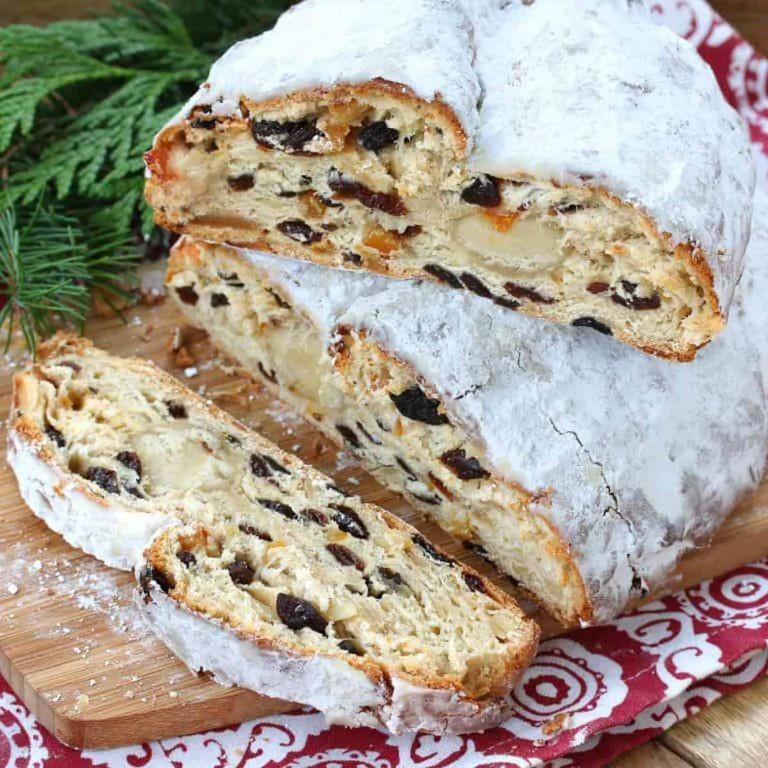
Even during the holiday rush, there’s something special about baking traditional Stollen, a German Christmas bread that fills your kitchen with festive aromas. Each step builds on the last, creating a rich, fruit-studded loaf perfect for sharing. Let’s walk through the process together, starting with gathering your ingredients.
Ingredients
Flour – 3 cups
Milk – 1 cup
Butter – ½ cup
Sugar – ¼ cup
Yeast – 2¼ tsp
Salt – 1 tsp
Raisins – 1 cup
Almonds – ½ cup
Candied orange peel – ½ cup
Instructions
1. Warm the milk to 110°F in a small saucepan.
2. Sprinkle yeast over the warm milk and let it sit for 5 minutes until foamy.
3. Combine flour, sugar, and salt in a large mixing bowl.
4. Pour the yeast mixture into the dry ingredients and stir until a shaggy dough forms.
5. Knead the dough on a floured surface for 8 minutes until smooth and elastic.
6. Soften butter to room temperature and knead it into the dough until fully incorporated.
7. Mix in raisins, almonds, and candied orange peel until evenly distributed.
8. Place dough in a greased bowl, cover with a damp cloth, and let rise in a warm place for 1 hour until doubled in size.
9. Punch down the dough and shape it into a 10-inch oval loaf with a ridge down the center.
10. Place the shaped loaf on a parchment-lined baking sheet and let rise for 45 minutes until puffy.
11. Preheat your oven to 375°F during the final 15 minutes of rising.
12. Bake for 30-35 minutes until the crust is deep golden brown and the internal temperature reaches 190°F.
13. Transfer the baked Stollen to a wire rack to cool completely.
14. Brush the cooled loaf with melted butter and dust generously with powdered sugar.
This Stollen develops a firm yet tender crumb that slices beautifully, revealing a mosaic of fruits and nuts. The buttery richness balances perfectly with the sweet-tart fruit combination, making it ideal for holiday breakfasts or as an edible gift. Try serving thick slices lightly toasted with a smear of cream cheese for a delightful twist on this classic treat.
Hasenpfeffer (Braised Rabbit Stew)
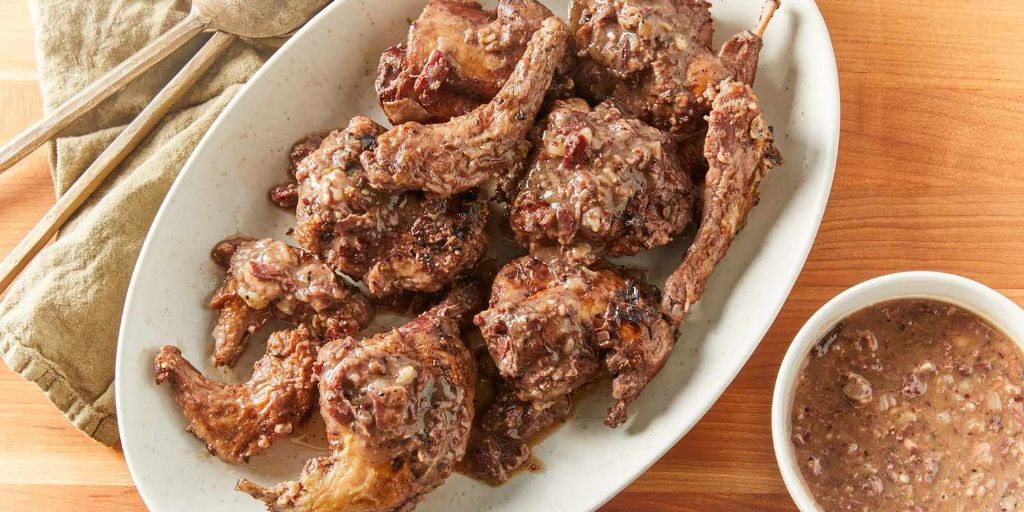
A traditional German dish that’s surprisingly simple to master, Hasenpfeffer transforms rabbit into a tender, flavorful stew through patient braising. Anyone can achieve restaurant-quality results by following these methodical steps precisely. This comforting dish brings old-world European flavors to your American kitchen with minimal fuss.
Ingredients
Rabbit – 2 lbs
Flour – ½ cup
Salt – 1 tsp
Black pepper – ½ tsp
Vegetable oil – 2 tbsp
Onion – 1 large
Red wine – 1 cup
Chicken broth – 2 cups
Bay leaves – 2
Thyme – 1 tsp
Instructions
1. Cut the rabbit into 8 serving pieces using kitchen shears.
2. Combine the flour, salt, and black pepper in a shallow bowl.
3. Dredge each rabbit piece thoroughly in the flour mixture, shaking off excess.
4. Heat the vegetable oil in a Dutch oven over medium-high heat until it shimmers.
5. Brown the rabbit pieces for 3 minutes per side until golden brown.
6. Remove the rabbit from the pot and set aside on a plate.
7. Dice the onion into ½-inch pieces.
8. Sauté the onion in the same pot for 5 minutes until translucent.
9. Pour in the red wine, scraping the bottom to release browned bits.
10. Simmer the wine for 2 minutes to reduce slightly.
11. Return the rabbit pieces to the pot.
12. Add the chicken broth until it just covers the rabbit.
13. Drop in the bay leaves and sprinkle the thyme evenly over the surface.
14. Bring the liquid to a boil, then immediately reduce to a simmer.
15. Cover the pot and cook for 90 minutes at a gentle simmer.
16. Check for doneness—the meat should pull away easily from the bone.
17. Remove the bay leaves before serving.
Golden, fork-tender rabbit falls off the bone in this rich, wine-infused stew. The slow braising creates a velvety sauce that clings beautifully to each piece. Serve over buttered egg noodles or with crusty bread to soak up every last drop of the deeply flavored broth.
Apfelkuchen (German Apple Cake)

A perfectly spiced Apfelkuchen brings the cozy warmth of a German bakery right to your kitchen with minimal effort. This simple cake lets sweet, tender apples shine through a buttery crumb that’s ideal for afternoon coffee or dessert. Anyone can master this recipe by following these clear, methodical steps.
Ingredients
– All-purpose flour – 1 ½ cups
– Granulated sugar – ¾ cup
– Unsalted butter – ½ cup
– Eggs – 2 large
– Baking powder – 2 tsp
– Milk – ¼ cup
– Vanilla extract – 1 tsp
– Salt – ½ tsp
– Apples – 3 medium, peeled and cored
– Ground cinnamon – 1 tsp
Instructions
1. Preheat your oven to 350°F and grease a 9-inch round cake pan.
2. Whisk together 1 ½ cups all-purpose flour, 2 tsp baking powder, ½ tsp salt, and 1 tsp ground cinnamon in a medium bowl.
3. Beat ½ cup unsalted butter and ¾ cup granulated sugar in a separate bowl with an electric mixer on medium speed for 2 minutes until light and fluffy.
4. Add 2 large eggs one at a time to the butter mixture, beating for 30 seconds after each addition until fully incorporated.
5. Mix in 1 tsp vanilla extract until just combined.
6. Alternate adding the dry flour mixture and ¼ cup milk to the wet ingredients in three parts, starting and ending with the flour, mixing on low speed just until no streaks remain.
7. Spread the batter evenly into the prepared pan using a spatula.
8. Slice the 3 peeled and cored apples into ¼-inch thick slices and arrange them in a single layer over the batter, slightly overlapping.
9. Bake for 40–45 minutes until a toothpick inserted into the center comes out clean and the edges are golden brown.
10. Cool the cake in the pan on a wire rack for 15 minutes before transferring it out to cool completely. Buttery and moist with a hint of spice, this cake’s soft crumb contrasts beautifully with the tender apple slices. Serve it warm with a dusting of powdered sugar or a dollop of freshly whipped cream for an extra treat.
Summary
Let these authentic German recipes bring cozy comfort to your kitchen! From schnitzel to strudel, this collection offers genuine flavors perfect for family meals. We’d love to hear which dishes become your favorites—please leave a comment below and share your cooking adventures by pinning this article on Pinterest. Prost to delicious homemade German meals!