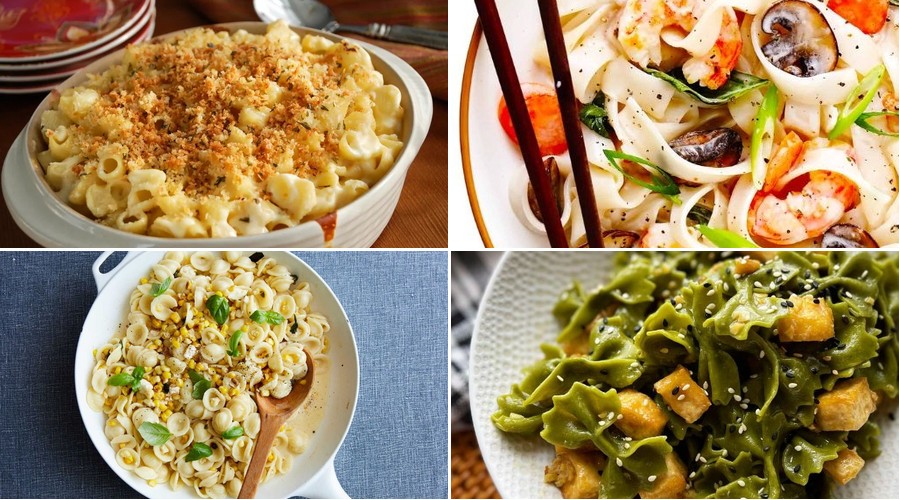
Delicious pasta nights just got a major upgrade! We’ve gathered 20 extraordinary pasta recipes that go far beyond your usual spaghetti and meatballs. From globally-inspired dishes to creative comfort food twists, these unique recipes will transform your weeknight dinners into culinary adventures. Get ready to impress your family and discover flavors that will make your taste buds dance—let’s dive into these exquisite pasta creations!
Beetroot Gnocchi with Brown Butter and Walnuts
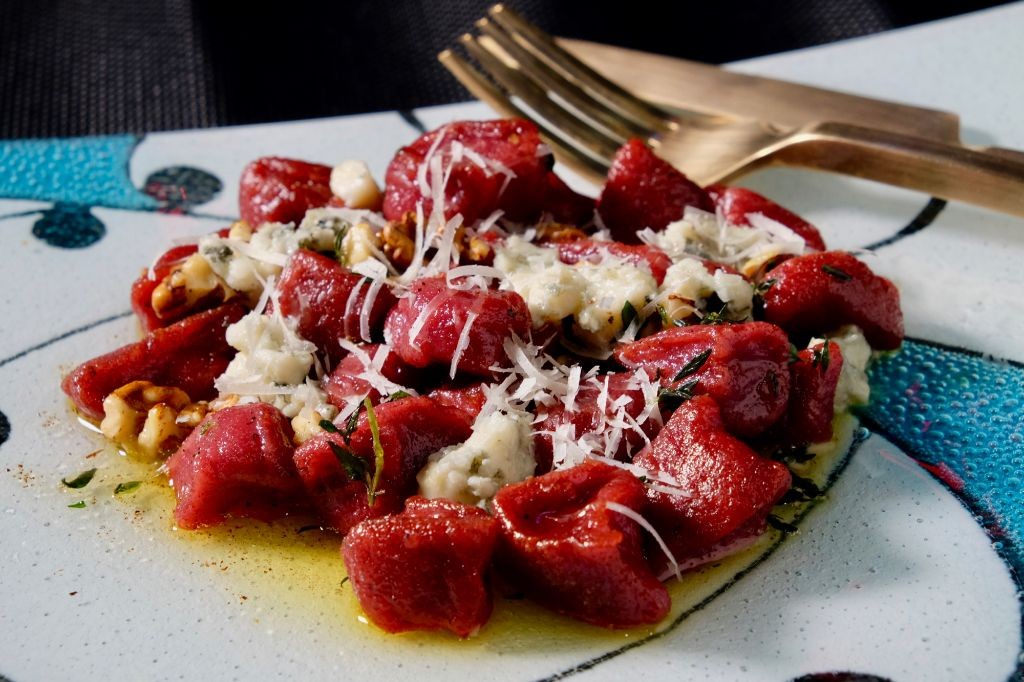
Zesty roasted beets transform humble gnocchi into something truly spectacular. You’ll love how the earthy sweetness plays against nutty brown butter and crunchy walnuts—it’s that perfect cozy dinner that feels fancy but comes together surprisingly easily.
Ingredients
- 1 pound russet potatoes, baked and riced
- ¾ cup roasted beet purée
- 1 large pasture-raised egg, lightly beaten
- 1¾ cups tipo 00 flour, plus additional for dusting
- ½ teaspoon fine sea salt
- ¼ teaspoon freshly grated nutmeg
- 8 tablespoons European-style unsalted butter
- ¾ cup walnut halves, lightly toasted
- 2 tablespoons aged balsamic vinegar
- ¼ cup freshly grated Parmigiano-Reggiano
- 2 tablespoons fresh chives, finely chopped
Instructions
- Combine the riced potatoes, beet purée, beaten egg, tipo 00 flour, fine sea salt, and freshly grated nutmeg in a large mixing bowl.
- Knead the mixture gently until a smooth, slightly sticky dough forms, being careful not to overwork it.
- Divide the dough into four equal portions on a lightly floured surface.
- Roll each portion into a ¾-inch thick rope using a gentle back-and-forth motion.
- Cut each rope into 1-inch pieces with a bench scraper or sharp knife.
- Press each piece against the tines of a fork to create the classic ridged texture.
- Bring a large pot of heavily salted water to a rolling boil over high heat.
- Drop the gnocchi into the boiling water in batches to avoid crowding.
- Cook the gnocchi for 2-3 minutes until they float to the surface and remain there for 30 seconds.
- Remove the cooked gnocchi with a slotted spoon and transfer to a baking sheet in a single layer.
- Melt the European-style unsalted butter in a large skillet over medium heat.
- Continue cooking the butter, swirling the pan frequently, until it turns amber-brown and develops a nutty aroma, about 4-5 minutes.
- Add the cooked gnocchi to the brown butter and sauté for 2 minutes until lightly crisped.
- Stir in the lightly toasted walnut halves and cook for 1 additional minute to warm through.
- Drizzle the aged balsamic vinegar over the gnocchi and toss to coat evenly.
- Sprinkle with freshly grated Parmigiano-Reggiano and fresh chives just before serving.
Fluffy gnocchi with a vibrant pink hue contrast beautifully with the deep amber butter sauce. The walnuts add wonderful textural crunch against the pillowy dumplings, while the balsamic provides a bright acidic counterpoint to the rich, nutty flavors. For an elegant presentation, serve in shallow bowls with extra chives scattered over the top and a drizzle of high-quality olive oil.
Squid Ink Linguine with Crab and Lemon Zest
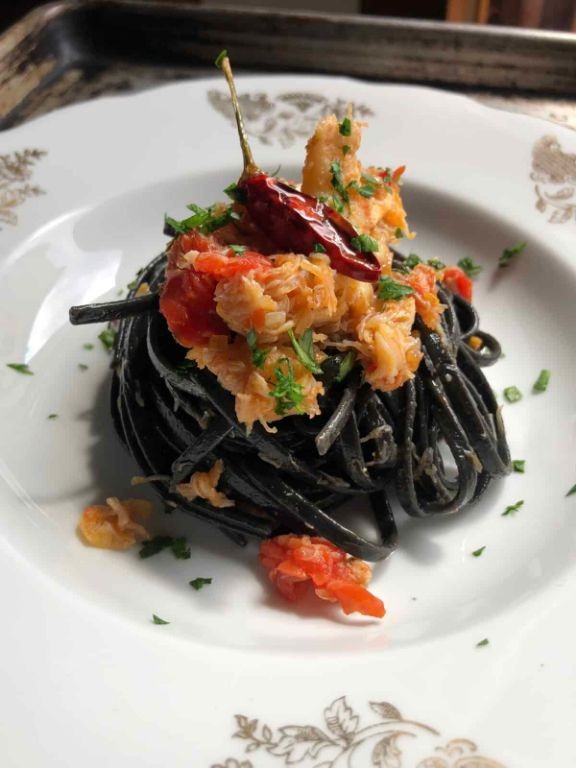
Oh, you’re in for something special with this one—squid ink linguine with crab and lemon zest is that elegant yet surprisingly simple dish that’ll make you feel like a pro. It’s got that dramatic black pasta, sweet crab meat, and a bright citrus kick that just sings. Perfect for when you want to impress without spending hours in the kitchen.
Ingredients
– 8 ounces squid ink linguine
– 1/2 pound fresh lump crab meat, picked over for shells
– 2 tablespoons extra-virgin olive oil
– 3 cloves garlic, thinly sliced
– 1/4 cup dry white wine
– 1 tablespoon unsalted butter
– Zest of 1 large lemon
– 2 tablespoons fresh parsley, finely chopped
– 1/4 teaspoon red pepper flakes
– Kosher salt to season
Instructions
1. Bring a large pot of generously salted water to a rolling boil over high heat.
2. Add the squid ink linguine and cook for 8–10 minutes, stirring occasionally, until al dente (check by tasting a strand—it should be tender but firm).
3. While the pasta cooks, heat the extra-virgin olive oil in a large skillet over medium heat.
4. Add the thinly sliced garlic and sauté for 1–2 minutes, until fragrant and lightly golden, being careful not to burn it.
5. Pour in the dry white wine and let it simmer for 1–2 minutes, scraping up any browned bits from the skillet.
6. Gently fold in the lump crab meat and red pepper flakes, heating through for 1–2 minutes without breaking up the crab too much.
7. Drain the cooked linguine, reserving 1/4 cup of the pasta water.
8. Add the drained linguine to the skillet along with the reserved pasta water, unsalted butter, and lemon zest.
9. Toss everything together over low heat for 1–2 minutes until the sauce lightly coats the pasta.
10. Stir in the fresh parsley and season with kosher salt as needed.
Dive into this dish and you’ll love the contrast—the linguine is silky with a subtle briny depth, while the crab adds sweet, tender bites. The lemon zest cuts through it all with a zesty freshness. Try serving it with a simple arugula salad to balance the richness, or top with extra lemon slices for a vibrant touch.
Pumpkin Tortellini with Sage Brown Butter
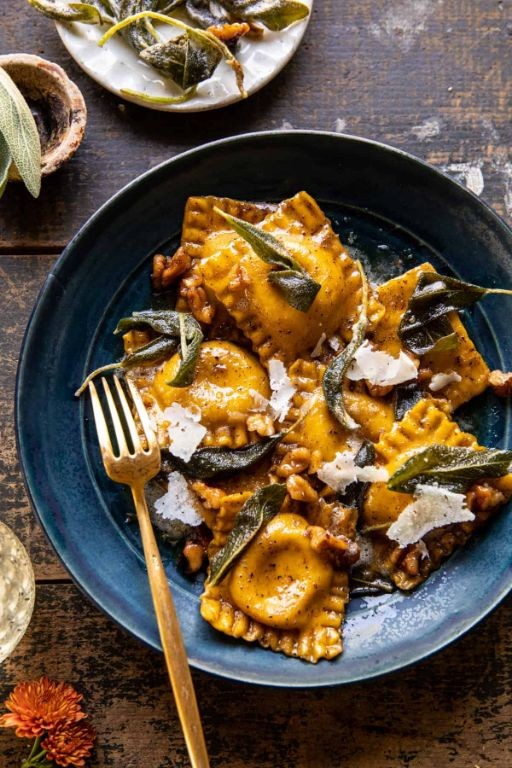
Kind of magical how autumn’s favorite squash transforms into the most comforting pasta dish, isn’t it? Picture this: tender tortellini pockets swimming in a nutty, aromatic sage brown butter that’ll make your kitchen smell like a cozy Italian trattoria. You’re about to create a restaurant-worthy meal that feels fancy but comes together with surprisingly simple steps.
Ingredients
- 1 package (9 ounces) fresh pumpkin tortellini
- 4 tablespoons unsalted European-style butter
- 8 fresh sage leaves
- 2 tablespoons pine nuts
- 1/4 teaspoon freshly grated nutmeg
- 1/4 cup Parmigiano-Reggiano cheese, finely grated
- 1/2 teaspoon Maldon sea salt flakes
- 1/4 teaspoon freshly cracked black pepper
Instructions
- Bring a large pot of heavily salted water to a rolling boil over high heat.
- Add fresh pumpkin tortellini and cook for precisely 3 minutes or until they float to the surface.
- While pasta cooks, melt unsalted European-style butter in a large skillet over medium heat until foamy, about 2 minutes.
- Continue cooking butter, swirling pan constantly, until milk solids turn golden brown and emit a nutty aroma, approximately 4 more minutes.
- Add fresh sage leaves and toast until crisp but not burned, about 45 seconds.
- Immediately remove skillet from heat and stir in pine nuts to toast in residual heat.
- Drain cooked tortellini thoroughly, reserving 1/4 cup pasta water.
- Transfer tortellini directly to the brown butter sauce in the skillet.
- Toss gently to coat, adding reserved pasta water 1 tablespoon at a time until sauce reaches desired consistency.
- Fold in freshly grated nutmeg, Maldon sea salt flakes, and freshly cracked black pepper.
- Divide among warmed plates and finish with finely grated Parmigiano-Reggiano cheese.
Zesty with nutmeg and earthy sage, this dish delivers pillowy pasta filled with sweet pumpkin against the rich, toasty butter. The crisp sage leaves provide delightful texture contrast while the pine nuts add buttery crunch. For an elegant presentation, serve in shallow bowls with extra cheese grated tableside and a drizzle of high-quality olive oil.
Charred Corn and Burrata Orecchiette
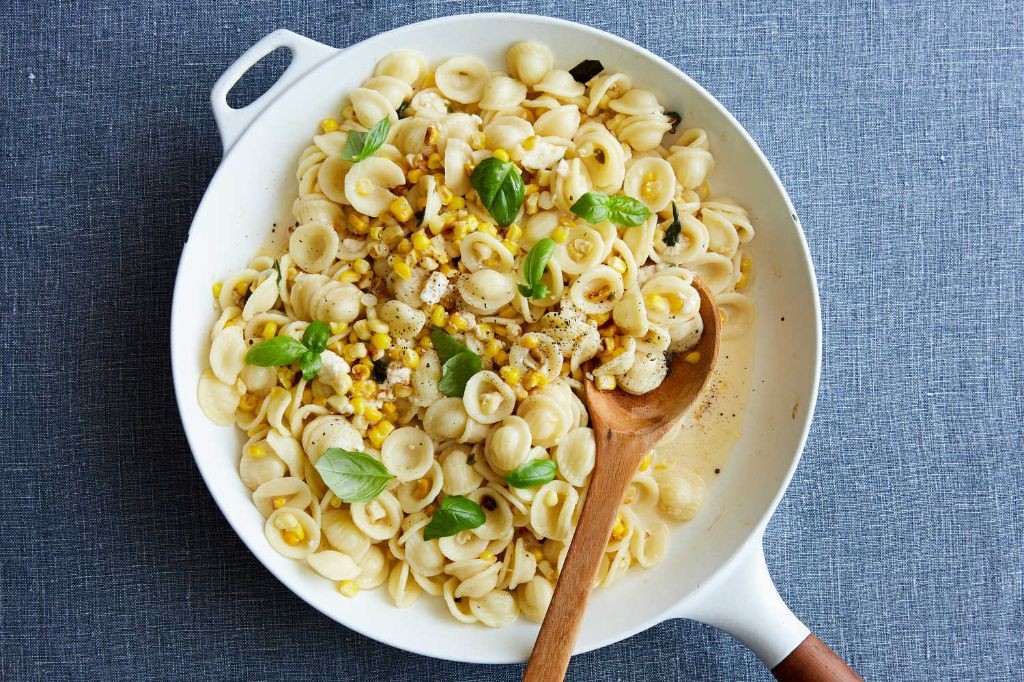
Diving into late summer flavors has never been more satisfying than with this pasta creation. You’ll love how the sweet charred corn plays against creamy burrata in every bite. It’s the kind of dish that makes weeknight dinners feel special without much effort.
Ingredients
– 8 ounces orecchiette pasta
– 2 ears fresh sweet corn, shucked
– 4 ounces fresh burrata cheese
– 2 tablespoons extra virgin olive oil
– 1 small shallot, finely minced
– 1 garlic clove, thinly sliced
– 1/4 cup dry white wine
– 1/2 cup heavy cream
– 1/4 cup freshly grated Parmigiano-Reggiano
– 2 tablespoons unsalted butter
– 1 tablespoon fresh lemon juice
– 1/4 cup fresh basil leaves, torn
– Kosher salt and freshly ground black pepper
Instructions
1. Bring a large pot of heavily salted water to a rolling boil over high heat.
2. Add orecchiette pasta and cook for 9-11 minutes until al dente, stirring occasionally to prevent sticking.
3. While pasta cooks, heat a cast-iron skillet over high heat until smoking hot, about 3 minutes.
4. Place corn ears directly in the dry skillet and char for 8-10 minutes, turning every 2 minutes until kernels are blackened in spots.
5. Transfer corn to a cutting board and let cool for 2 minutes before cutting kernels from cobs.
6. Heat olive oil in a large sauté pan over medium heat until shimmering, about 1 minute.
7. Add minced shallot and cook for 3-4 minutes until translucent but not browned.
8. Stir in garlic slices and cook for 45 seconds until fragrant but not colored.
9. Pour in white wine and simmer for 2 minutes until reduced by half.
10. Add heavy cream and bring to a gentle simmer for 1 minute.
11. Whisk in Parmigiano-Reggiano until completely melted and sauce is smooth.
12. Drain cooked pasta, reserving 1/2 cup pasta water.
13. Add pasta and charred corn to the sauce along with 1/4 cup reserved pasta water.
14. Cook for 2 minutes, tossing constantly until sauce clings to pasta.
15. Remove from heat and stir in butter until emulsified into the sauce.
16. Fold in lemon juice and season with kosher salt and freshly ground black pepper.
17. Transfer pasta to serving bowls and tear burrata over the top.
18. Garnish with torn basil leaves.
This pasta delivers incredible textural contrast between the chewy orecchiette, creamy burrata, and crisp-charred corn. The sweet corn flavor intensifies beautifully against the rich, tangy sauce. Try serving it family-style in a large wooden bowl for that rustic Italian trattoria feel.
Kimchi Udon Carbonara with Bacon
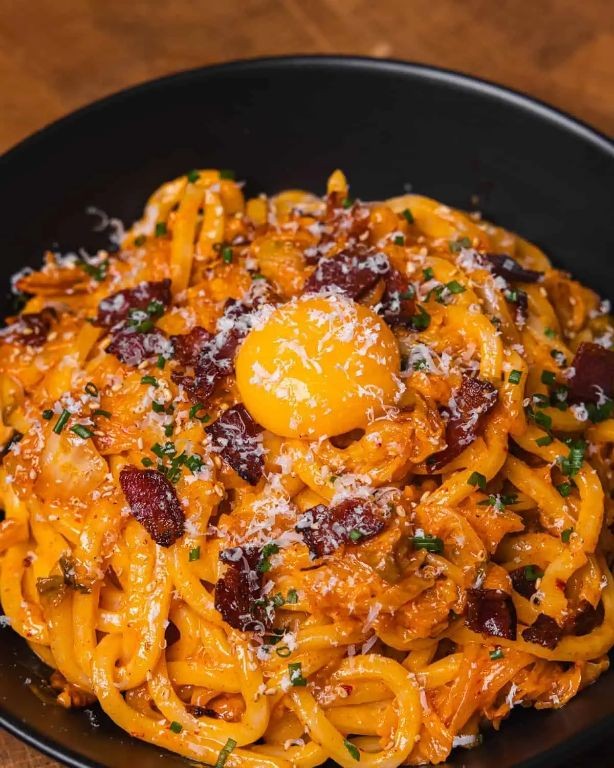
Sometimes you just need that perfect fusion dish that hits all the right comfort food notes. This kimchi udon carbonara brings together the creamy richness of Italian carbonara with the spicy, tangy kick of Korean kimchi, creating something truly special for your dinner table.
Ingredients
- 8 ounces fresh udon noodles
- 6 slices thick-cut applewood-smoked bacon, diced into ¼-inch pieces
- 1 cup napa cabbage kimchi, drained and roughly chopped
- 2 pasture-raised eggs, lightly beaten
- ½ cup freshly grated Parmigiano-Reggiano cheese
- ¼ cup heavy cream
- 2 tablespoons unsalted butter
- 2 cloves garlic, minced
- 1 tablespoon gochujang paste
- 1 teaspoon freshly cracked black pepper
- 2 tablespoons chopped fresh chives
Instructions
- Bring a large pot of salted water to a rolling boil over high heat.
- Add udon noodles and cook for precisely 3 minutes, stirring occasionally to prevent sticking.
- While noodles cook, heat a large skillet over medium heat and add diced bacon.
- Cook bacon for 6-8 minutes until crispy and rendered, stirring frequently.
- Using a slotted spoon, transfer bacon to a paper towel-lined plate, reserving 2 tablespoons of bacon fat in the skillet.
- Drain cooked udon noodles thoroughly and set aside.
- Add unsalted butter to the reserved bacon fat in the skillet over medium heat.
- Add minced garlic and cook for 45 seconds until fragrant but not browned.
- Add chopped kimchi and gochujang paste, stirring to combine and cook for 2 minutes.
- Add drained udon noodles to the skillet, tossing to coat evenly with the kimchi mixture.
- Remove skillet from heat and let cool for 1 minute to prevent eggs from scrambling.
- In a small bowl, whisk together lightly beaten eggs, grated Parmigiano-Reggiano, and heavy cream until smooth.
- Pour egg mixture over the noodles, working quickly to toss and coat everything evenly.
- Add crispy bacon back to the skillet along with freshly cracked black pepper.
- Continue tossing until the sauce thickens and coats the noodles, about 1-2 minutes.
- Garnish with chopped fresh chives and serve immediately.
Keep in mind that the residual heat from the noodles will gently cook the eggs into a silky sauce rather than scrambling them. The combination creates an incredible texture where the chewy udon noodles are enveloped in that creamy, slightly spicy sauce with crispy bacon bits throughout. Try topping it with a soft-boiled egg for extra richness, or serve alongside a crisp cucumber salad to balance the heat.
Matcha Pasta with Miso Butter and Edamame
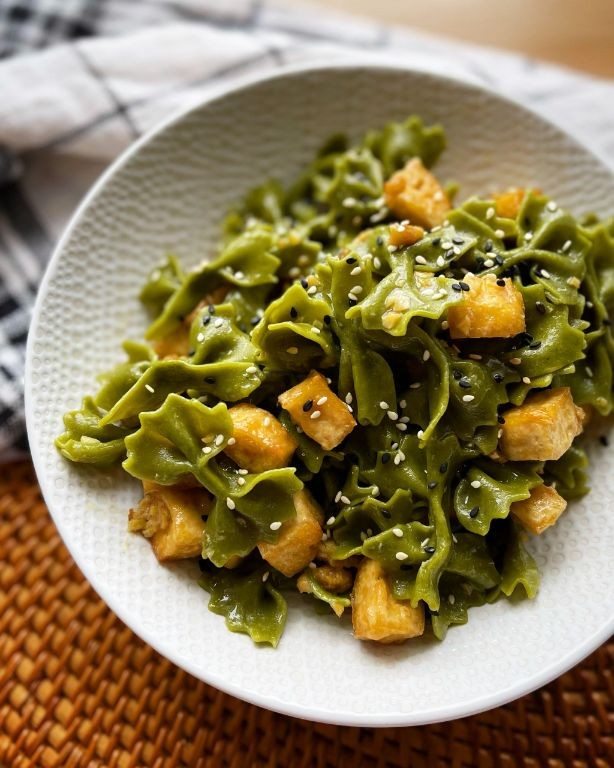
Sometimes you stumble upon a flavor combination that just clicks. This vibrant matcha pasta with miso butter and edamame is one of those happy accidents that deserves a permanent spot in your weeknight rotation. You get earthy matcha, savory miso, and sweet edamame all in one comforting bowl.
Ingredients
- 8 ounces fresh matcha-infused pasta
- 2 tablespoons unsalted European-style butter
- 1 tablespoon white miso paste
- ¾ cup shelled edamame, thawed if frozen
- 1 teaspoon freshly squeezed lemon juice
- 1 tablespoon toasted sesame oil
- 2 tablespoons finely chopped chives
- ¼ teaspoon flaky sea salt
- Freshly cracked black pepper
Instructions
- Bring 4 quarts of heavily salted water to a rolling boil in a large stockpot.
- Add fresh matcha-infused pasta to boiling water and cook for precisely 2 minutes 30 seconds for al dente texture.
- Reserve ½ cup of pasta cooking water before draining the pasta.
- While pasta cooks, melt European-style butter in a large skillet over medium heat until it begins to foam slightly.
- Whisk white miso paste into the melted butter until completely emulsified and smooth.
- Add shelled edamame to the miso butter and sauté for 90 seconds until warmed through.
- Transfer drained pasta directly into the skillet with the miso butter sauce.
- Add ¼ cup of reserved pasta water to the skillet and toss continuously for 60 seconds until a glossy sauce forms.
- Drizzle toasted sesame oil over the pasta and toss to incorporate evenly.
- Squeeze fresh lemon juice directly over the pasta and toss once more.
- Remove skillet from heat and stir in finely chopped chives.
- Season with flaky sea salt and several turns of freshly cracked black pepper.
Now you’ve got this beautiful bowl of pasta that’s both creamy and bright. The matcha gives it this subtle earthiness that plays so well with the salty-sweet miso butter, while the edamame adds these satisfying little pops of texture. Try topping it with a soft-poached egg for extra richness, or serve it alongside seared salmon for a complete meal that feels fancy but comes together in minutes.
Gochujang Rigatoni with Crispy Shallots
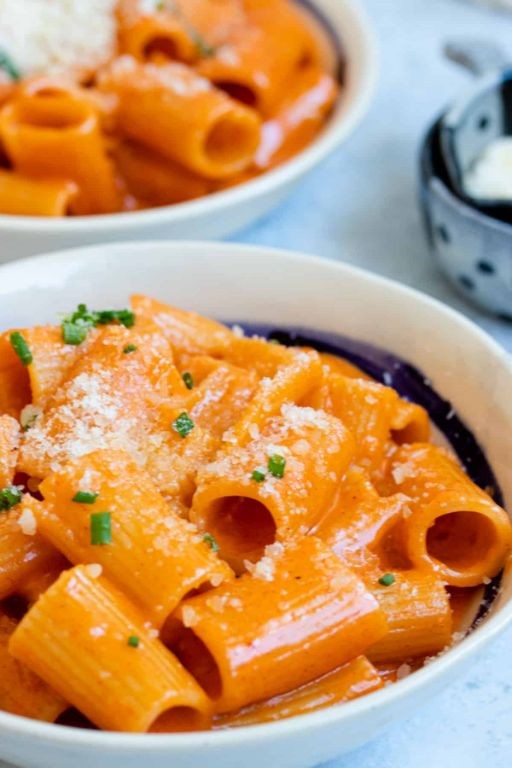
Picture this: you’re craving something comforting yet exciting, and your pantry holds the answer. This gochujang rigatoni brings together Korean heat with Italian comfort in the most delicious way possible.
Ingredients
- 1 pound dried rigatoni pasta
- 3 tablespoons extra-virgin olive oil
- 4 large shallots, thinly sliced into rings
- 4 cloves garlic, minced
- 3 tablespoons gochujang paste
- 1 cup heavy cream
- 1/2 cup freshly grated Parmigiano-Reggiano cheese
- 2 tablespoons unsalted butter
- 1/4 cup chopped fresh parsley
- Kosher salt to season
Instructions
- Bring a large pot of heavily salted water to a rolling boil over high heat.
- Add rigatoni and cook for 9-11 minutes until al dente, stirring occasionally to prevent sticking.
- Meanwhile, heat olive oil in a large skillet over medium heat until shimmering.
- Add shallots and cook for 6-8 minutes, stirring frequently, until golden brown and crispy.
- Using a slotted spoon, transfer crispy shallots to a paper towel-lined plate, reserving the oil in the skillet.
- Reduce heat to medium-low and add minced garlic to the skillet, cooking for 1 minute until fragrant but not browned.
- Whisk in gochujang paste until fully incorporated with the oil.
- Pour in heavy cream and bring to a gentle simmer, stirring constantly.
- Add grated Parmigiano-Reggiano and stir until the sauce becomes smooth and slightly thickened.
- Stir in unsalted butter until melted and emulsified into the sauce.
- Reserve 1/2 cup of pasta water before draining the cooked rigatoni.
- Add drained pasta directly to the sauce in the skillet.
- Toss vigorously, adding reserved pasta water 2 tablespoons at a time until the sauce coats the pasta evenly.
- Fold in chopped parsley and season with kosher salt as needed.
- Divide among serving bowls and top generously with the reserved crispy shallots.
Zesty, creamy, and perfectly spicy, this dish delivers incredible texture contrast between the tender pasta and crispy shallot topping. The gochujang creates a complex heat that builds gradually rather than overwhelming immediately. Try serving it alongside a simple arugula salad dressed with lemon vinaigrette to cut through the richness.
Pistachio Pesto Trofie with Green Beans
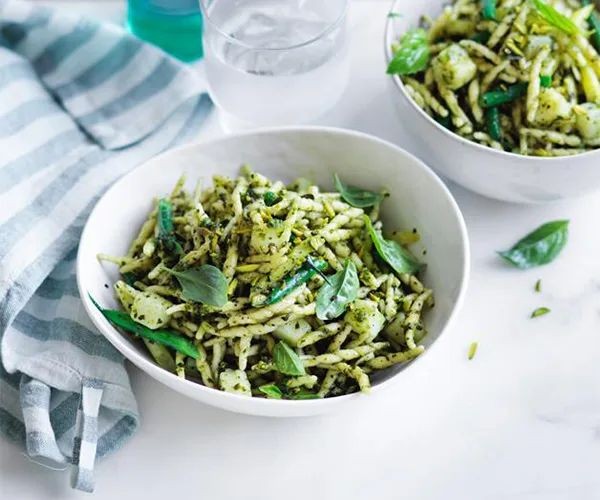
Tired of the same old pasta dishes? This pistachio pesto trofie with green beans brings fresh energy to your weeknight rotation. You’ll love how the nutty sauce clings perfectly to those charming twisted noodles.
Ingredients
- 8 ounces dried trofie pasta
- 1 cup raw shelled pistachios, lightly toasted
- 2 cups fresh basil leaves, packed
- 1/2 cup extra-virgin olive oil
- 2 cloves garlic, microplaned
- 1/4 cup Parmigiano-Reggiano, finely grated
- 1/4 cup Pecorino Romano, finely grated
- 1 tablespoon fresh lemon juice
- 8 ounces haricots verts, trimmed
- 1/4 cup pasta cooking water, reserved
- Kosher salt to season
- Freshly cracked black pepper to finish
Instructions
- Bring a large pot of heavily salted water to a rolling boil over high heat.
- Add trofie pasta to the boiling water and cook for 8 minutes, stirring occasionally to prevent sticking.
- While pasta cooks, combine toasted pistachios, basil leaves, olive oil, microplaned garlic, both cheeses, and lemon juice in a food processor.
- Pulse the mixture 10-12 times until it forms a coarse paste, scraping down the sides as needed.
- Add haricots verts to the pasta pot during the final 3 minutes of cooking time.
- Reserve 1/4 cup of the starchy pasta water before draining the pasta and green beans together.
- Return the drained pasta and green beans to the warm pot off the heat.
- Fold in the pistachio pesto gently until every piece is coated evenly.
- Add the reserved pasta water one tablespoon at a time, stirring continuously until the sauce reaches a silky consistency that coats the pasta.
- Season with additional kosher salt if needed and finish with freshly cracked black pepper.
Savor how the al dente trofie catches every bit of that vibrant green pesto in its twists. The crisp-tender haricots verts add delightful texture against the creamy, nutty sauce. For an elegant presentation, twirl individual portions with kitchen tongs into tight nests before plating.
Za’atar Pappardelle with Roasted Eggplant
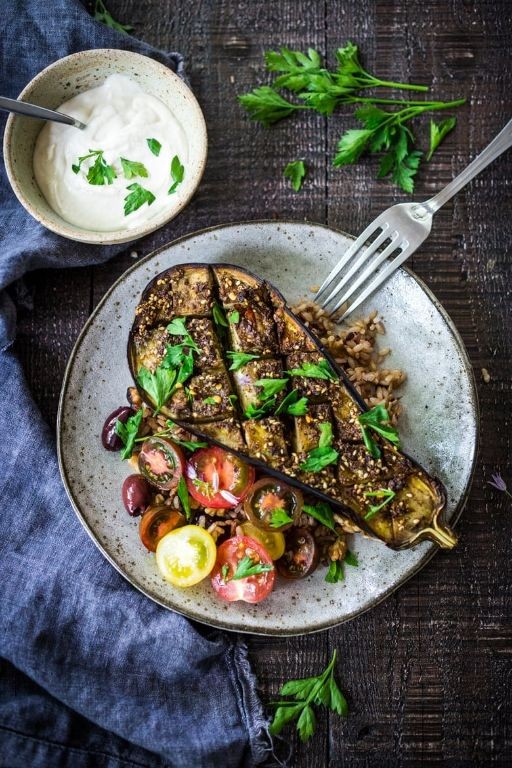
Haven’t you been craving something that feels both comforting and exciting? This za’atar pappardelle with roasted eggplant brings together the earthy, herbal notes of Middle Eastern spice with the rich, silky texture of perfectly cooked pasta. You’re going to love how these flavors come together in such an unexpected way.
Ingredients
– 1 large globe eggplant, cut into 1-inch cubes
– 3 tablespoons extra virgin olive oil, divided
– 8 ounces dried pappardelle pasta
– 2 tablespoons za’atar spice blend
– 3 garlic cloves, minced
– ¼ cup pine nuts, toasted
– ½ cup crumbled feta cheese
– 2 tablespoons fresh flat-leaf parsley, chopped
– 1 teaspoon flaky sea salt
– ½ teaspoon freshly cracked black pepper
Instructions
1. Preheat your oven to 425°F and line a baking sheet with parchment paper.
2. Toss the eggplant cubes with 2 tablespoons olive oil, ensuring each piece is evenly coated.
3. Arrange the eggplant in a single layer on the prepared baking sheet.
4. Roast for 25-30 minutes until the eggplant is caramelized and tender, flipping halfway through.
5. Meanwhile, bring a large pot of heavily salted water to a rolling boil.
6. Add the pappardelle and cook for 8-10 minutes until al dente, stirring occasionally to prevent sticking.
7. Reserve ½ cup of pasta water before draining the pappardelle.
8. Heat the remaining 1 tablespoon olive oil in a large skillet over medium heat.
9. Toast the pine nuts for 2-3 minutes until golden brown, then transfer to a small bowl.
10. In the same skillet, sauté the minced garlic for 30 seconds until fragrant but not browned.
11. Add the roasted eggplant and za’atar spice blend to the skillet, stirring to combine.
12. Pour in the reserved pasta water and bring to a simmer, creating a light sauce.
13. Add the cooked pappardelle to the skillet, tossing gently to coat with the sauce.
14. Fold in the toasted pine nuts, crumbled feta, and chopped parsley.
15. Season with flaky sea salt and freshly cracked black pepper.
Velvety roasted eggplant melts into the wide pappardelle ribbons, while the za’atar adds a complex herbal aroma that’s both familiar and surprising. The toasted pine nuts provide a satisfying crunch against the creamy feta, making this dish feel luxurious yet completely approachable. Try serving it family-style in a large shallow bowl for a beautiful presentation that invites everyone to dig in.
Chocolate Pasta with Raspberry Coulis and Mascarpone
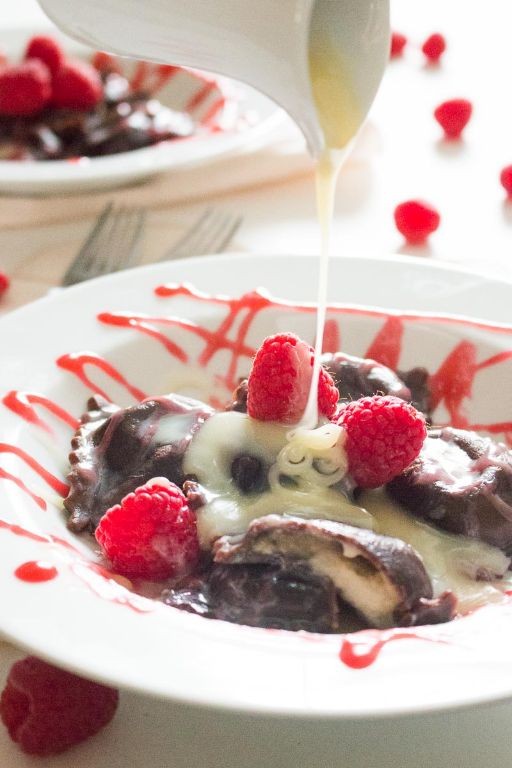
Fancy something that sounds like dessert but works perfectly as a main course? You’re about to fall in love with this unexpected combination. Chocolate pasta with raspberry coulis and mascarpone is that magical dish that surprises everyone at the table.
Ingredients
– 8 ounces high-quality dark chocolate pasta
– 12 ounces fresh raspberries
– 1/4 cup granulated sugar
– 1 tablespoon freshly squeezed lemon juice
– 8 ounces mascarpone cheese, at room temperature
– 1/4 cup heavy cream
– 1 tablespoon confectioners’ sugar
– 1/4 teaspoon pure vanilla extract
– Fresh mint sprigs for garnish
Instructions
1. Combine 12 ounces fresh raspberries, 1/4 cup granulated sugar, and 1 tablespoon freshly squeezed lemon juice in a small saucepan.
2. Cook the raspberry mixture over medium heat for 8-10 minutes, stirring frequently until the berries break down completely.
3. Strain the raspberry coulis through a fine-mesh sieve into a bowl, pressing firmly with a spatula to extract all the liquid while leaving seeds behind.
4. Bring a large pot of salted water to a rolling boil over high heat.
5. Add 8 ounces high-quality dark chocolate pasta to the boiling water and cook for exactly 6 minutes until al dente.
6. While the pasta cooks, whisk together 8 ounces room temperature mascarpone cheese, 1/4 cup heavy cream, 1 tablespoon confectioners’ sugar, and 1/4 teaspoon pure vanilla extract in a medium bowl until smooth and slightly aerated.
7. Drain the chocolate pasta immediately when cooked, reserving 1/4 cup of the pasta cooking water.
8. Return the drained pasta to the warm pot and toss with 2 tablespoons of the reserved pasta water to create a glossy coating.
9. Divide the chocolate pasta evenly among four warmed plates.
10. Drizzle each portion generously with the prepared raspberry coulis.
11. Dollop the mascarpone mixture over each serving using two spoons to create elegant quenelles.
12. Garnish each plate with fresh mint sprigs for color and freshness.
But the real magic happens when you take that first bite. The rich, earthy chocolate pasta provides a sturdy base that contrasts beautifully with the bright, tart raspberry coulis. For an extra special presentation, try serving it in shallow bowls with edible flowers scattered around the rim.
Sun-Dried Tomato and Feta Orzo Salad
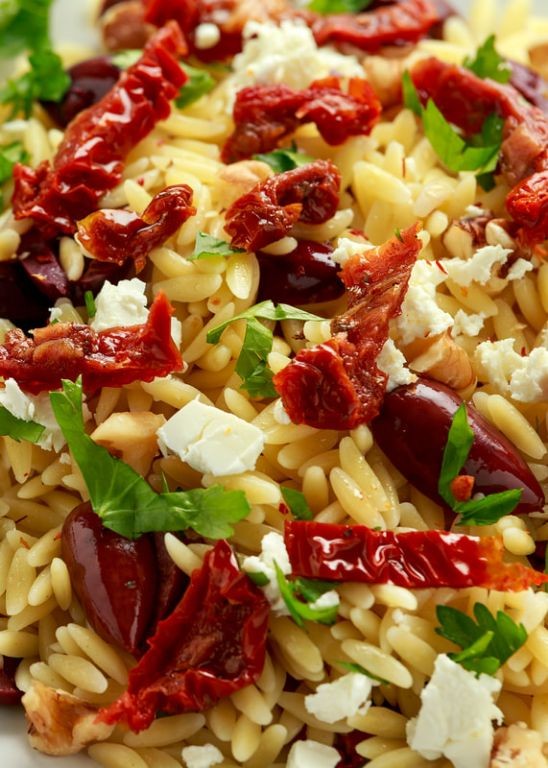
Bursting with Mediterranean flavors, this orzo salad is your new go-to for easy entertaining. You’ll love how the tangy sun-dried tomatoes and creamy feta cheese come together in perfect harmony. It’s the kind of dish that makes weeknight dinners feel special without any fuss.
Ingredients
- 1 ½ cups uncooked orzo pasta
- ¾ cup oil-packed sun-dried tomatoes, julienned
- 4 ounces high-quality Greek feta cheese, crumbled
- ⅓ cup extra virgin olive oil
- 3 tablespoons freshly squeezed lemon juice
- 2 tablespoons sun-dried tomato oil (reserved from packing)
- 1 teaspoon fine sea salt
- ½ teaspoon freshly cracked black pepper
- ¼ cup fresh basil leaves, chiffonade-cut
- 2 tablespoons fresh oregano leaves, minced
Instructions
- Bring 4 quarts of salted water to a rolling boil in a large stockpot.
- Add 1 ½ cups uncooked orzo pasta to the boiling water and cook for 8-9 minutes until al dente, stirring occasionally to prevent sticking.
- Drain the cooked orzo through a fine-mesh strainer and immediately transfer to a large mixing bowl.
- While the orzo is still warm, drizzle with ⅓ cup extra virgin olive oil and toss thoroughly to coat each grain.
- Add ¾ cup julienned sun-dried tomatoes and 2 tablespoons of their packing oil to the orzo mixture.
- Whisk together 3 tablespoons freshly squeezed lemon juice, 1 teaspoon fine sea salt, and ½ teaspoon freshly cracked black pepper in a small bowl until emulsified.
- Pour the lemon vinaigrette over the orzo and toss until evenly distributed.
- Gently fold in 4 ounces crumbled Greek feta cheese, being careful not to overmix and break down the cheese chunks.
- Add ¼ cup chiffonade-cut fresh basil and 2 tablespoons minced fresh oregano, incorporating gently to maintain herb integrity.
- Allow the salad to rest at room temperature for 15 minutes to let the flavors meld before serving. A fantastic tip: For optimal texture, serve the salad while the orzo is still slightly warm to allow the feta to soften just enough without melting completely. Another pro technique: Reserve a tablespoon of fresh herbs to sprinkle over the top just before serving for maximum visual appeal and fresh flavor. Expert note: The residual heat from the orzo will gently wilt the herbs, releasing their essential oils and deepening the overall flavor profile.
Absolutely incredible how the creamy feta melts into the warm orzo while the sun-dried tomatoes provide chewy, intense bursts of flavor. The fresh herbs add a bright, aromatic quality that makes this salad feel both rustic and refined. Try serving it alongside grilled chicken or as part of a mezze platter with olives and warm pita bread for a complete Mediterranean experience.
Coconut Milk Linguine with Lemongrass Shrimp
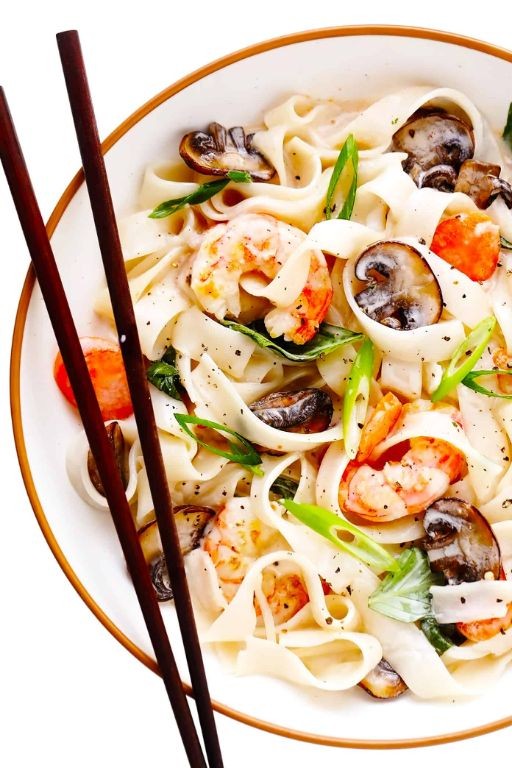
Mmm, picture this: you’re craving something creamy and tropical but still want that comforting pasta satisfaction. This coconut milk linguine with lemongrass shrimp brings the best of both worlds right to your kitchen. It’s surprisingly simple to whip up and feels like a vacation in a bowl.
Ingredients
- 8 ounces dried linguine pasta
- 12 ounces large wild-caught shrimp, peeled and deveined
- 2 stalks fresh lemongrass, tender inner bulbs only, finely minced
- 3 cloves garlic, thinly sliced
- 1 tablespoon fresh ginger, grated
- 1 (13.5-ounce) can full-fat coconut milk
- 2 tablespoons unsalted butter
- 1 tablespoon fish sauce
- 1 teaspoon coconut sugar
- 1 fresh lime, juiced
- 2 tablespoons fresh cilantro, chopped
- 1 fresh red chili, thinly sliced
- Kosher salt, to season
Instructions
- Bring a large pot of heavily salted water to a rolling boil over high heat.
- Add the dried linguine pasta and cook for 9 minutes, stirring occasionally to prevent sticking, until al dente.
- Drain the pasta, reserving ½ cup of the starchy pasta water, then set aside.
- Pat the wild-caught shrimp completely dry with paper towels and season lightly with kosher salt on both sides.
- Heat the unsalted butter in a large skillet over medium-high heat until foaming subsides.
- Add the shrimp in a single layer and sear for 90 seconds per side, until opaque and lightly browned, then transfer to a plate.
- Reduce heat to medium and add the minced lemongrass, sliced garlic, and grated ginger to the same skillet.
- Sauté for 60 seconds, until fragrant but not browned, stirring constantly to prevent burning.
- Pour in the full-fat coconut milk, fish sauce, and coconut sugar, then bring to a gentle simmer.
- Cook the sauce for 4 minutes, stirring occasionally, until slightly thickened and well combined.
- Return the cooked shrimp and drained linguine to the skillet, tossing to coat evenly in the sauce.
- Add ¼ cup of the reserved pasta water and continue tossing for 1 minute, until the sauce clings to the pasta.
- Remove from heat and stir in the fresh lime juice and half of the chopped cilantro.
- Garnish with the remaining cilantro and thinly sliced red chili before serving.
For a final touch, the silky coconut sauce clings beautifully to each strand of linguine, while the lemongrass shrimp adds a bright, aromatic punch. Serve it immediately with an extra lime wedge for squeezing over the top—it’s fantastic for a quick weeknight dinner that still feels special.
Smoked Gouda Mac and Cheese with Crispy Breadcrumbs
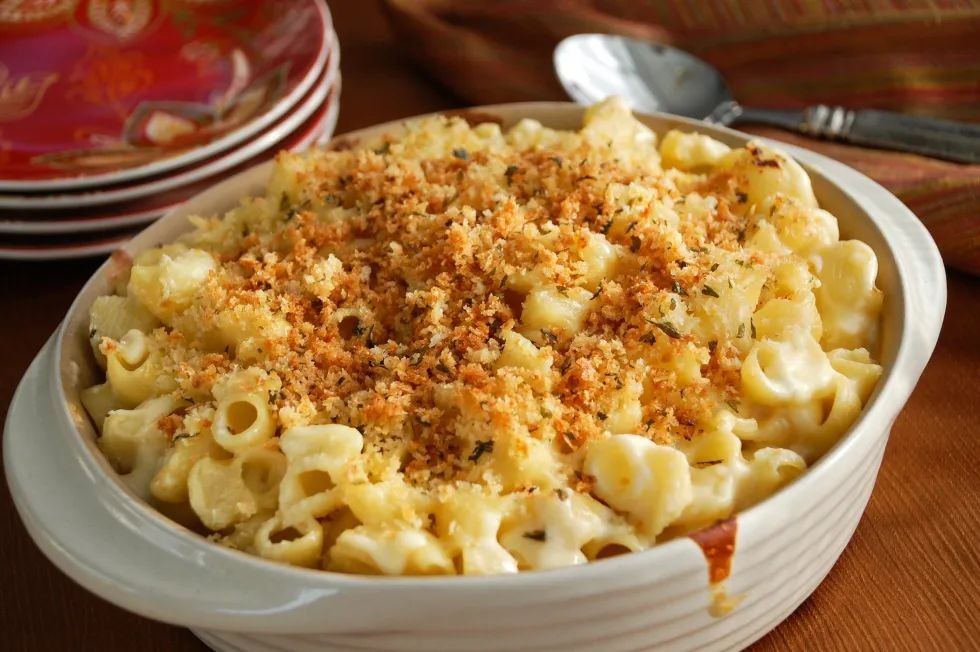
Brace yourself for the creamiest, most decadent mac and cheese you’ll ever make. You’re about to combine smoked Gouda’s rich, nutty flavor with a crispy, golden breadcrumb topping that adds the perfect crunch. This is comfort food at its absolute finest.
Ingredients
- 1 pound cavatappi pasta
- 4 tablespoons unsalted European-style butter
- 3 tablespoons all-purpose flour
- 3 cups whole milk, warmed to 110°F
- 8 ounces smoked Gouda cheese, freshly grated
- 4 ounces sharp white cheddar, freshly grated
- ½ cup panko breadcrumbs
- 2 tablespoons clarified butter
- 1 teaspoon smoked paprika
- ½ teaspoon freshly grated nutmeg
- Kosher salt to season
Instructions
- Preheat your oven to 375°F and position the rack in the center.
- Bring a large pot of heavily salted water to a rolling boil.
- Add cavatappi pasta and cook for 2 minutes less than package directions for al dente texture.
- Drain pasta thoroughly but do not rinse, preserving the starch for creamier sauce adhesion.
- Melt European-style butter in a heavy-bottomed Dutch oven over medium heat.
- Whisk in all-purpose flour continuously for exactly 2 minutes to create a pale golden roux.
- Gradually pour in warmed whole milk while whisking constantly to prevent lumps.
- Cook sauce until it thickens enough to coat the back of a spoon, about 4-5 minutes.
- Remove from heat and stir in freshly grated smoked Gouda and sharp white cheddar until fully melted.
- Season sauce with smoked paprika, freshly grated nutmeg, and kosher salt.
- Fold drained cavatappi into cheese sauce until every piece is thoroughly coated.
- Transfer macaroni mixture to a greased 9×13-inch baking dish, spreading evenly.
- Combine panko breadcrumbs with clarified butter in a small bowl until crumbs are moistened.
- Sprinkle buttered breadcrumbs evenly over the macaroni surface.
- Bake for 20-25 minutes until breadcrumbs are deep golden brown and sauce bubbles at edges.
- Let rest for 5 minutes before serving to allow the sauce to set properly.
Each bite delivers the incredible contrast between the ultra-creamy smoked Gouda sauce and those crispy, buttery breadcrumbs. The cavatappi’s spiral shape catches every bit of that rich cheese goodness. Try serving it alongside roasted Brussels sprouts or topping individual portions with crispy pancetta for an extra savory twist.
Harissa Spaghetti with Roasted Chickpeas
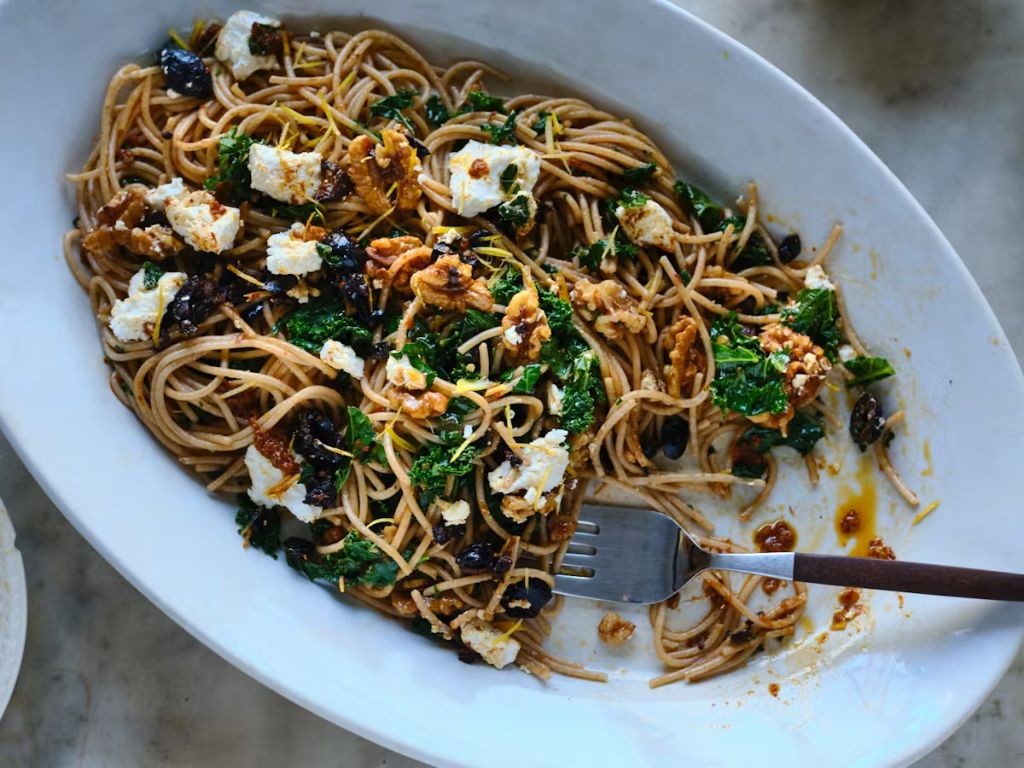
Unbelievably delicious and surprisingly simple, this harissa spaghetti with roasted chickpeas might just become your new weeknight favorite. You get that perfect balance of spicy, savory, and satisfying all in one bowl.
Ingredients
- 1 pound dried spaghetti
- 2 (15-ounce) cans chickpeas, drained and rinsed
- 3 tablespoons extra-virgin olive oil, divided
- 1 teaspoon kosher salt
- 1/2 teaspoon freshly ground black pepper
- 1/4 cup harissa paste
- 3 cloves garlic, minced
- 1/4 cup freshly squeezed lemon juice
- 1/4 cup chopped fresh flat-leaf parsley
- 1/4 cup toasted pine nuts
- 2 ounces crumbled feta cheese
Instructions
- Preheat your oven to 425°F and line a rimmed baking sheet with parchment paper.
- Pat the drained chickpeas completely dry with paper towels to ensure crispy roasting.
- Toss the dried chickpeas with 2 tablespoons olive oil, kosher salt, and black pepper on the prepared baking sheet.
- Roast the chickpeas at 425°F for 20-25 minutes until deeply golden and crisp, shaking the pan halfway through.
- Bring a large pot of heavily salted water to a rolling boil while the chickpeas roast.
- Cook the spaghetti according to package directions until al dente, typically 8-10 minutes.
- Reserve 1 cup of the starchy pasta water before draining the spaghetti.
- Heat the remaining 1 tablespoon olive oil in the empty pasta pot over medium heat.
- Sauté the minced garlic for 30-45 seconds until fragrant but not browned.
- Whisk in the harissa paste and cook for 1 minute to bloom the spices.
- Add the drained spaghetti directly to the harissa mixture in the pot.
- Pour in the reserved pasta water and lemon juice, tossing continuously to emulsify the sauce.
- Fold in the roasted chickpeas, chopped parsley, and toasted pine nuts until evenly distributed.
- Divide the spaghetti among serving bowls and top with crumbled feta cheese.
Vibrant and texturally exciting, each forkful delivers al dente pasta coated in spicy harissa, crunchy chickpeas, creamy feta, and buttery pine nuts. Try serving it family-style with extra lemon wedges for squeezing over the top, or pack it cold for a next-day lunch that actually improves as the flavors meld.
Avocado Basil Pasta with Cherry Tomatoes
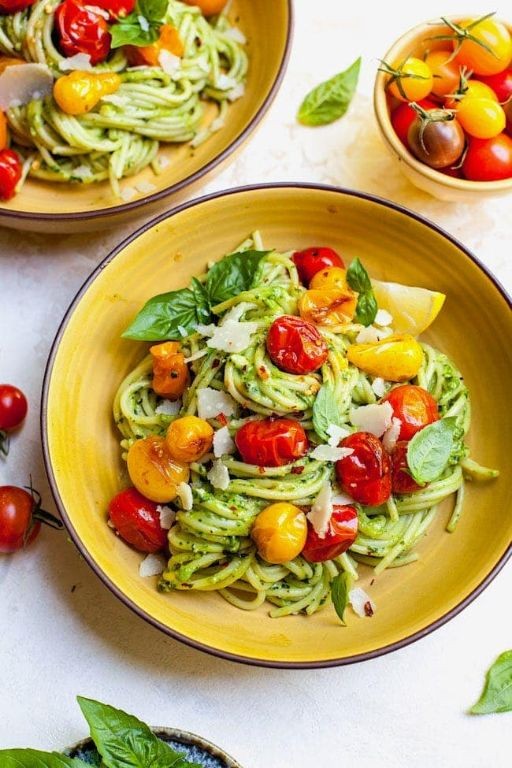
Perfect for those busy weeknights when you want something fresh and satisfying without spending hours in the kitchen. You’ll love how this vibrant avocado basil pasta comes together in minutes, bursting with creamy texture and bright flavors. It’s the kind of effortless dish that feels both indulgent and wholesome.
Ingredients
- 8 ounces dried linguine pasta
- 2 ripe Hass avocados, halved and pitted
- 1/2 cup fresh basil leaves, packed
- 2 cloves garlic, minced
- 3 tablespoons extra-virgin olive oil
- 2 tablespoons freshly squeezed lemon juice
- 1/4 teaspoon fine sea salt
- 1/8 teaspoon freshly cracked black pepper
- 1 cup cherry tomatoes, halved
Instructions
- Bring a large pot of heavily salted water to a rolling boil over high heat.
- Add 8 ounces of dried linguine pasta to the boiling water and cook for 9-11 minutes until al dente, stirring occasionally to prevent sticking.
- While pasta cooks, scoop the flesh from 2 ripe Hass avocados into a food processor bowl.
- Add 1/2 cup packed fresh basil leaves, 2 minced garlic cloves, 3 tablespoons extra-virgin olive oil, 2 tablespoons freshly squeezed lemon juice, 1/4 teaspoon fine sea salt, and 1/8 teaspoon freshly cracked black pepper to the food processor.
- Process the mixture for 45-60 seconds until completely smooth and creamy, scraping down the sides once with a spatula.
- Drain the cooked pasta, reserving 1/2 cup of pasta water before discarding the rest.
- Return the drained pasta to the warm pot off the heat.
- Pour the avocado basil sauce over the hot pasta and toss vigorously to coat evenly.
- Add 2-3 tablespoons of reserved pasta water to thin the sauce to a silky consistency that coats the pasta beautifully.
- Gently fold in 1 cup of halved cherry tomatoes until just incorporated.
- Serve immediately while the pasta is still warm.
So creamy and luxurious, the avocado creates a velvety sauce that clings to every strand of pasta. The cherry tomatoes add bursts of sweet acidity that cut through the richness perfectly. Try serving it with grilled shrimp or alongside a simple arugula salad for a complete meal that’s as beautiful as it is delicious.
Caramelized Onion and Gruyère Pierogi Pasta
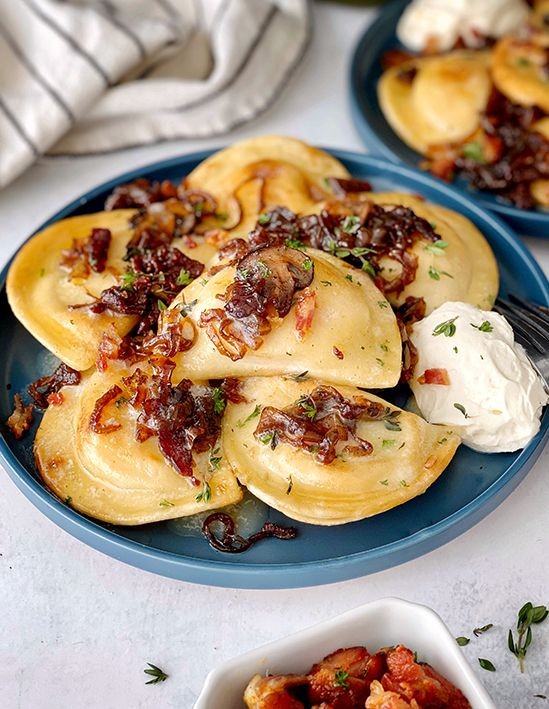
Venture into comfort food heaven with this brilliant mashup that combines the pillowy goodness of pierogi with the rich flavors of caramelized onions and nutty Gruyère. You get all the cozy satisfaction without the fuss of making dough from scratch. It’s the kind of dish that makes you wonder why you haven’t been eating this your whole life.
Ingredients
- 1 pound wide egg noodles
- 3 tablespoons extra virgin olive oil, divided
- 2 large yellow onions, thinly sliced
- 1 teaspoon granulated sugar
- 1 cup heavy cream
- 8 ounces Gruyère cheese, freshly grated
- 2 tablespoons unsalted butter
- 1/4 cup fresh chives, finely chopped
- 1/2 teaspoon freshly grated nutmeg
- Kosher salt and freshly ground black pepper
Instructions
- Bring a large pot of heavily salted water to a rolling boil over high heat.
- Add wide egg noodles and cook for 8-10 minutes until al dente, stirring occasionally to prevent sticking.
- While noodles cook, heat 2 tablespoons olive oil in a large skillet over medium-low heat.
- Add thinly sliced onions and cook for 5 minutes until slightly softened.
- Sprinkle granulated sugar over onions and continue cooking for 25-30 minutes, stirring every 5 minutes, until deeply golden brown and sweetly fragrant.
- Drain cooked noodles, reserving 1/2 cup pasta water.
- Return empty pot to medium heat and add remaining 1 tablespoon olive oil and unsalted butter.
- Pour in heavy cream and bring to a gentle simmer, watching carefully to prevent boiling over.
- Gradually whisk in freshly grated Gruyère until completely melted and sauce is smooth.
- Stir in caramelized onions, freshly grated nutmeg, and season with kosher salt and freshly ground black pepper.
- Add drained noodles to the sauce, tossing to coat thoroughly.
- If sauce appears too thick, gradually incorporate reserved pasta water until desired consistency is achieved.
- Remove from heat and fold in finely chopped fresh chives.
Creamy, cheesy, and deeply satisfying, this pasta delivers the ultimate comfort food experience with its silky sauce clinging to every noodle. The sweet caramelized onions provide bursts of flavor that cut through the richness beautifully. Try serving it alongside a crisp green salad or topping individual portions with extra Gruyère and a quick broil for bubbly, golden perfection.
Summary
Culinary adventures await with these 20 exquisite pasta recipes that transform simple ingredients into extraordinary meals. We hope this collection inspires you to try new flavors and techniques in your kitchen. Don’t forget to share which recipe becomes your new favorite in the comments below, and pin this article to your Pinterest boards to save these delicious ideas for later!